You’re driving down Sheikh Zayed Road when you hear a loud knock from under the hood, the car shudders, and the engine stops no warning, no slow decline, just dead. That sudden, total lockup is what mechanics call an engine seize, and it’s one of the most expensive failures a car can have. At Car Garage Expert, we see this more often than most people expect, especially with Dubai’s summer heat pushing engines past what they’re built to handle.
This guide breaks down what an engine seize is, why it happens, the specific causes, and what you should do the moment it happens.
What Is Engine Seize and What Causes It?
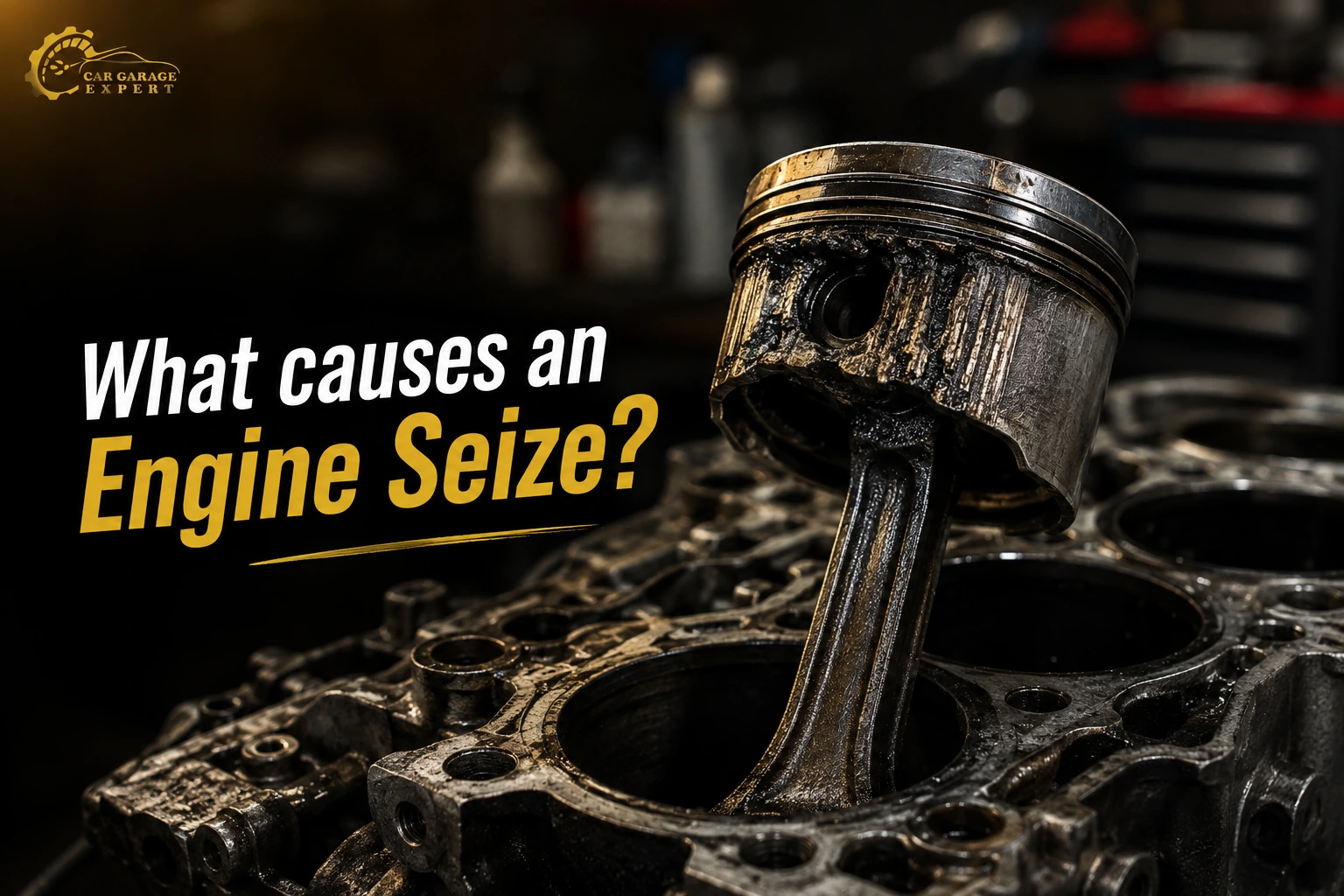
An engine seize happens when an engine’s internal moving parts pistons, crankshaft, bearings lock up and can no longer rotate, usually because of lost lubrication, severe overheating, or internal corrosion. Once metal parts fuse or jam together under those forces, the engine stops running immediately and typically cannot be restarted without a full rebuild or replacement. In Dubai, low oil levels combined with extreme summer heat are the leading causes we see at the workshop.
Table of Contents
- What Is Engine Seize
- Why a Seized Engine Happens More Often in Dubai
- Common Causes Behind a Seized Engine
- Warning Signs Before Your Engine Locks Up
- How We Diagnose a Seized Engine at Car Garage Expert
- What To Do the Moment Your Engine Locks Up on the Road
- Repair or Replace: What Happens After a Seizure
- How to Prevent a Seized Engine With Regular Maintenance
- Frequently Asked Questions
- Conclusion
What Is Engine Seize
An engine seize is a complete mechanical lockup in which the parts meant to spin and slide pistons inside cylinders, the crankshaft, connecting rods—stop moving entirely and become jammed or fused. Unlike a stall, where the engine cuts out and can usually be restarted, a seized engine physically will not turn over. Try to crank it, and you’ll typically hear nothing but a dull thud or a struggling starter motor, because the internal components are locked solid.
This happens because of tolerances. A piston is machined to fit inside its cylinder with only a fraction of a millimeter of clearance. If that clearance disappears — because of heat expansion, lack of oil, or debris the piston grips the cylinder wall instead of sliding freely. Given how fast an engine spins, that single point of contact generates enormous force almost instantly, and the metal deforms or welds itself in place before you even have time to react.
Why a Seized Engine Happens More Often in Dubai
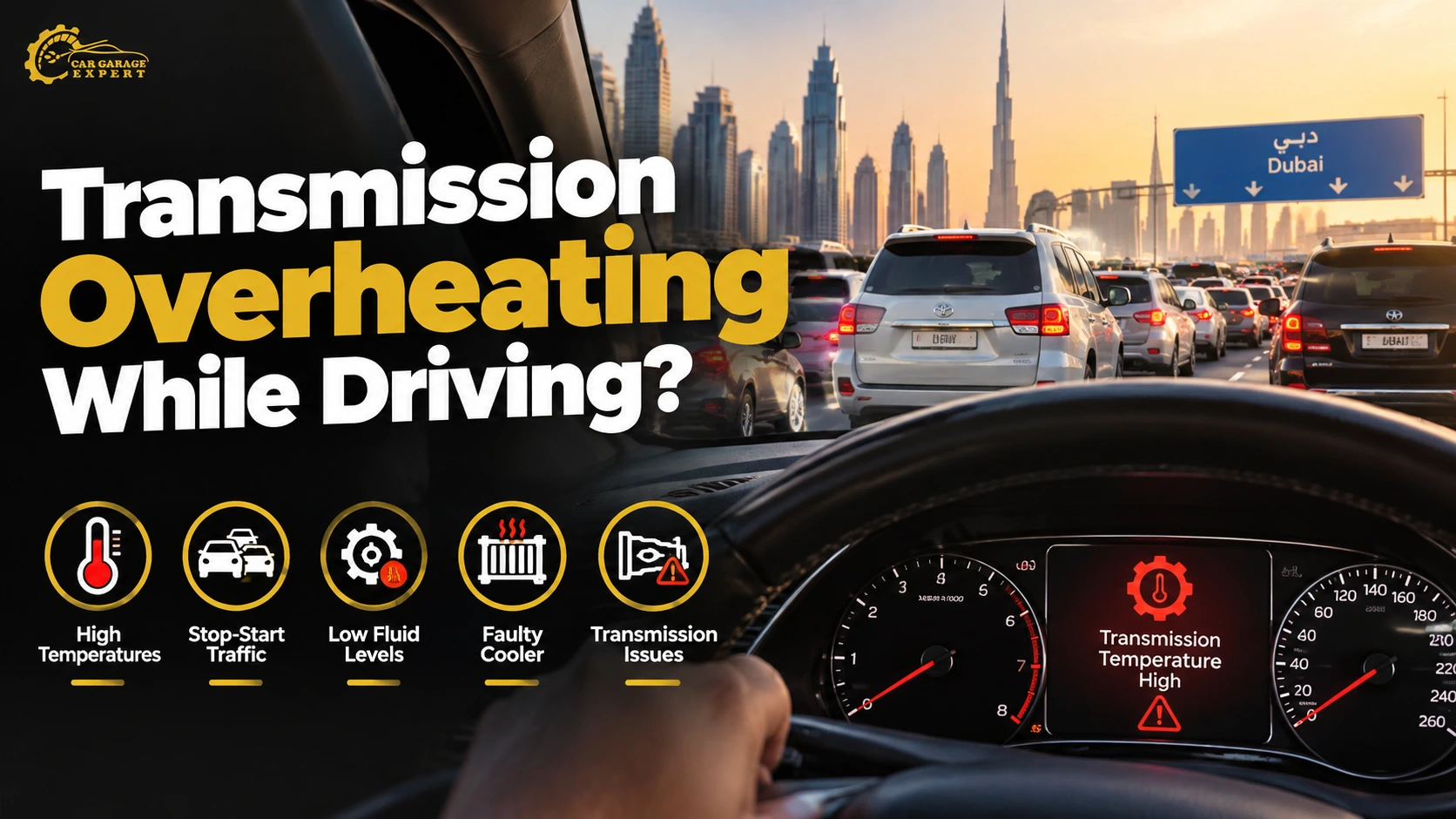
Dubai’s environment is really rough on engines. Ambient temperatures exceeding 45°C for months on end mean engine bays run hotter for longer, oil breaks down faster, and coolant systems work overtime to keep up. Add stop-start traffic on highways such as Al Khail Road, where engines idle and heat-soak instead of getting steady airflow, and you create conditions that accelerate pretty much every technical cause behind an engine seize. In a cooler country, a slightly overdue oil change is perfectly fine for a car, but here it typically can’t get away with the same delay.
Common Causes Behind a Seized Engine
Most cases we see trace back to one of four root causes. Understanding them helps explain why prevention matters so much more than repair.
Lack of Oil or Lubrication Failure
This is the single biggest cause of a seized engine. Oil creates a thin film between moving metal parts, so they slide instead of grinding against each other. Once oil runs low or breaks down, that protection disappears, parts overheat from friction, and metal-on-metal contact welds surfaces together within minutes. A dropping oil pressure light is one of the most serious warnings a dashboard can give you — treat it as an emergency, not a suggestion.
Overheating and Coolant Failure
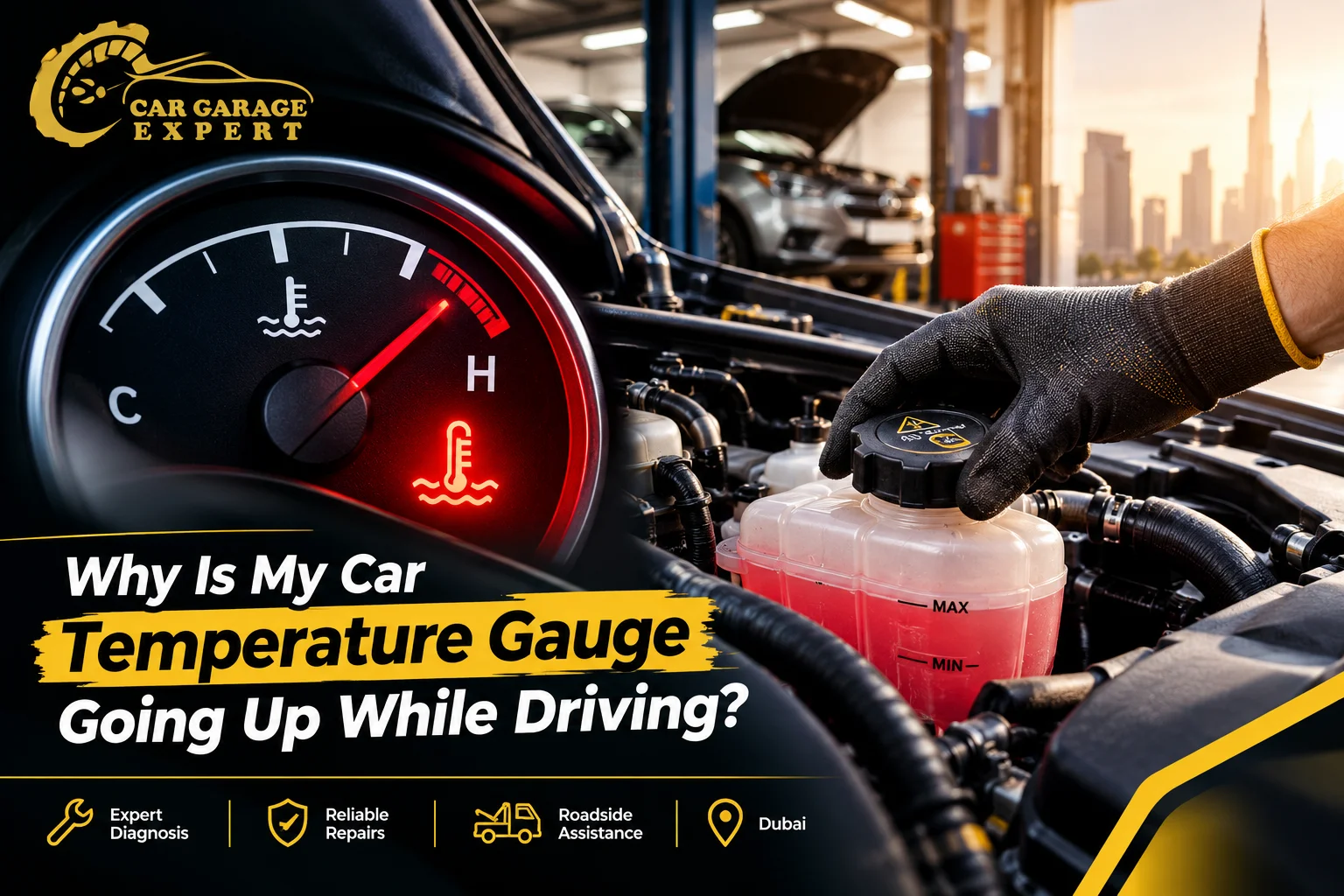
When an engine stays too hot for too long, metal parts grow beyond what was intended. Parts that were never meant to touch start grinding against each other as pistons get bigger inside cylinders. People who drive their cars in the summer may not realise how quickly an engine can seize up if the water pump fails, the coolant leaks, or the thermostat gets stuck.
Rust and Corrosion Inside the Engine
Cars that sit unused for long stretches — common with second vehicles or seasonal drivers can develop internal rust, especially if moisture gets into the oil or fuel system. Rust roughens surfaces that need to stay smooth and can jam components enough to lock the engine solid, even in a car that otherwise looks fine from the outside.
Timing Belt or Chain Failure
While not a direct cause of a full lockup on its own, a snapped timing belt can send pistons and valves into each other inside the cylinder head, causing catastrophic internal damage that seizes the engine just as effectively. This is why manufacturer-recommended timing belt intervals matter more than most owners assume, and it’s a good reason to stick with a proper car service package rather than skipping intervals to save money in the short term.
Warning Signs Before Your Engine Locks Up
A seized engine rarely happens with zero warning. Catching these signs early can mean the difference between a repair bill and a full replacement:
- Knocking or tapping noises — a sign of increasing friction between metal parts.
- Oil pressure warning light — one of the clearest signals that lubrication is failing.
- Temperature gauge climbing — persistent overheating that isn’t resolving on its own.
- Smoke from the engine bay — often linked to burning oil or coolant.
- Rough running or sudden power loss — the engine struggling before it locks up completely.
If any of these show up, pull over and have a qualified mechanic check the car rather than continuing your drive.
How We Diagnose a Seized Engine at Car Garage Expert
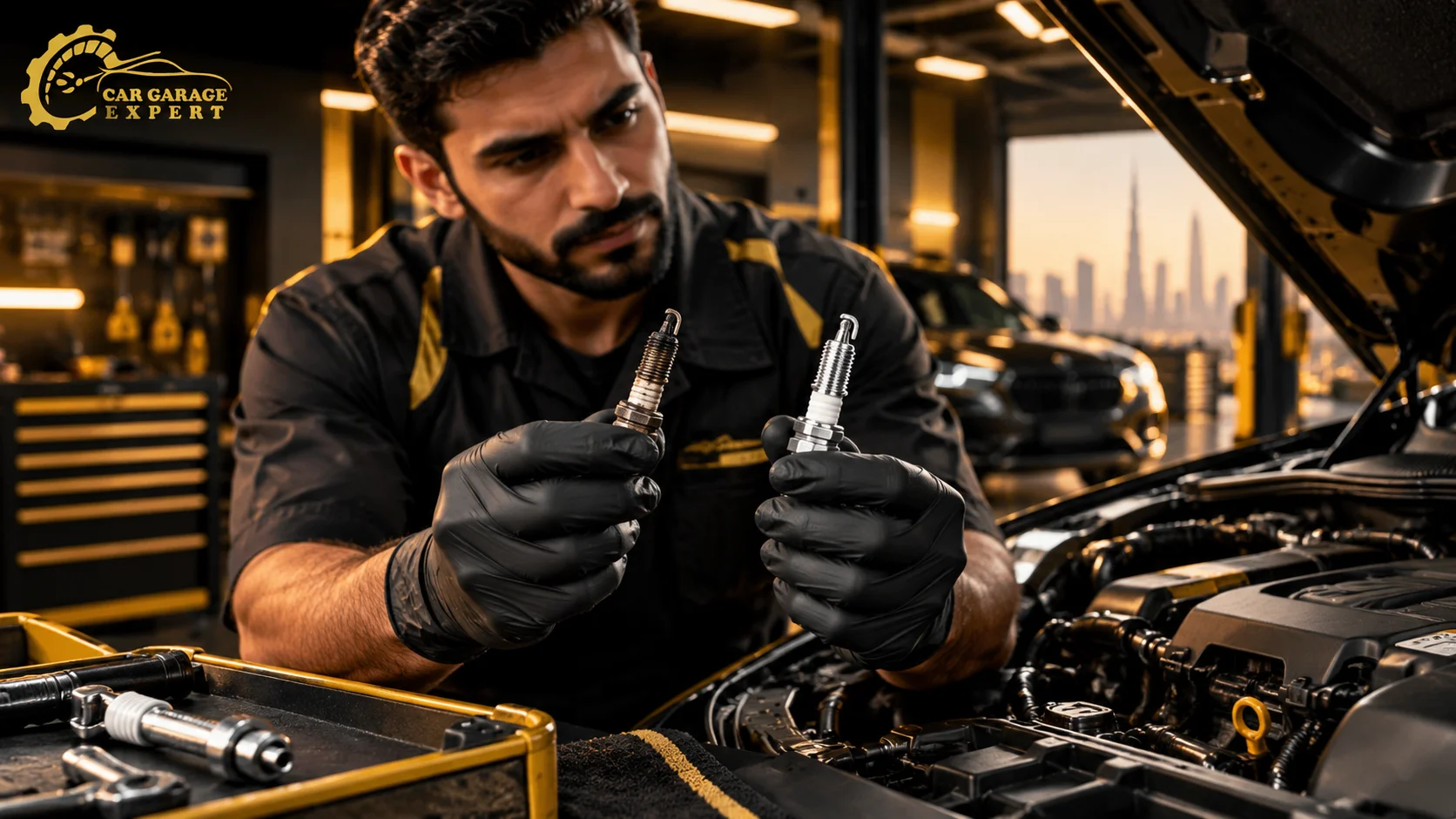
When a customer brings in a car that won’t turn over, our first job is to confirm whether it’s actually seized or something more affordable, like a dead battery or a starter fault.
- Oil and coolant check — confirming levels and looking for signs of contamination or leaks.
- Manual crank test — attempting to rotate the engine by hand or with the appropriate tool to check for mechanical resistance.
- Compression test — measuring cylinder pressure to assess internal damage.
- Visual inspection — checking for warped components, cracked blocks, or visible signs of heat damage.
This process tells us within the first inspection whether the engine can realistically be rebuilt or whether replacement is the more sensible option.
What To Do the Moment Your Engine Locks Up on the Road
If your engine locks up while driving, don’t try to force it:
- Pull over safely as soon as you can, away from moving traffic.
- Switch off the engine and do not attempt repeated restarts, since this can cause further internal damage.
- Turn on your hazard lights and check for smoke or fluid leaks before staying near the vehicle.
- Call for roadside assistance to have the car towed rather than attempting to drive it, even a short distance.
Trying to keep driving after a lockup like this almost always turns a repairable situation into a total loss.
Repair or Replace: What Happens After a Seizure
Whether a seized engine is worth repairing depends heavily on the extent of the damage and the car’s value. Minor cases, caught early, sometimes only need internal components cleaned or replaced. More severe cases—where the crankshaft, pistons, or block are damaged—usually cost more to rebuild than to replace the engine outright. If the repair estimate approaches or exceeds the value of the car, replacement is almost always the more sensible financial route. Once your car is running again, it’s worth booking a check with our mobile car mechanic team to confirm everything else under the hood is working the way it should.
How to Prevent a Seized Engine With Regular Maintenance
Nearly every case of engine seizure we see traces back to a maintenance gap that could have been caught earlier. A few habits go a long way:
- Stick to your manufacturer’s oil change interval, and consider shortening it slightly given Dubai’s heat.
- Check coolant levels regularly, especially before long summer drives.
- Address dashboard warning lights immediately, rather than waiting until they become urgent.
- Book a periodic inspection with a trusted garage near me rather than waiting for a visible problem.
- If your car has recently overheated badly enough to affect the paint or underbody, it’s worth having it looked over alongside any car painting touch-ups so nothing gets missed.
Frequently Asked Questions
Q1: Can a seized engine be fixed?
Sometimes, if the damage is caught early and limited to a few components, it can be fixed; in many cases, though, the internal damage is severe enough that a full engine replacement is more practical and cost-effective than attempting a rebuild.
Q2: How much does it cost to repair an engine seizure?
Costs vary widely depending on severity — minor cases can run into the low thousands in AED, while a full rebuild or replacement can cost much more. An accurate quote requires a proper inspection first.
Q3: What are the first signs of a seized engine coming on?
Knocking noises, a lit oil pressure warning, rising temperature gauge readings, and sudden power loss are the most common early signs. Catching any of these quickly gives you the best chance of avoiding a full lockup.
Q4: Is engine seize covered by insurance?
It is contingent upon your policy and if the seizure was due to a mechanical failure or lack of maintenance, which is excluded by most comprehensive policies. Check with your insurer for particular coverage terms.
Q5: How long can you drive with low oil before the engine locks up?
There’s no safe answer here — it depends on how low the oil is and how hard the engine is working. The moment an oil warning light appears, the safest move is to stop driving immediately rather than testing how far you can push it.
Conclusion
An engine seize is one of the most serious failures a car can experience, but it’s also one of the most preventable. Understanding what it is, why it happens, and the specific causes — lost lubrication, overheating, corrosion, or timing failure — puts you in a much better position to catch the warning signs early. If you’re ever unsure whether your engine noise or dashboard warning is heading toward a full lockup, it’s worth getting it checked before it becomes one. The team at Car Garage Expert is always ready to run a proper diagnosis and give you an honest answer on repair versus replacement.
📍 Find directions on Google Maps.
💬 Message us directly on WhatsApp to book your inspection