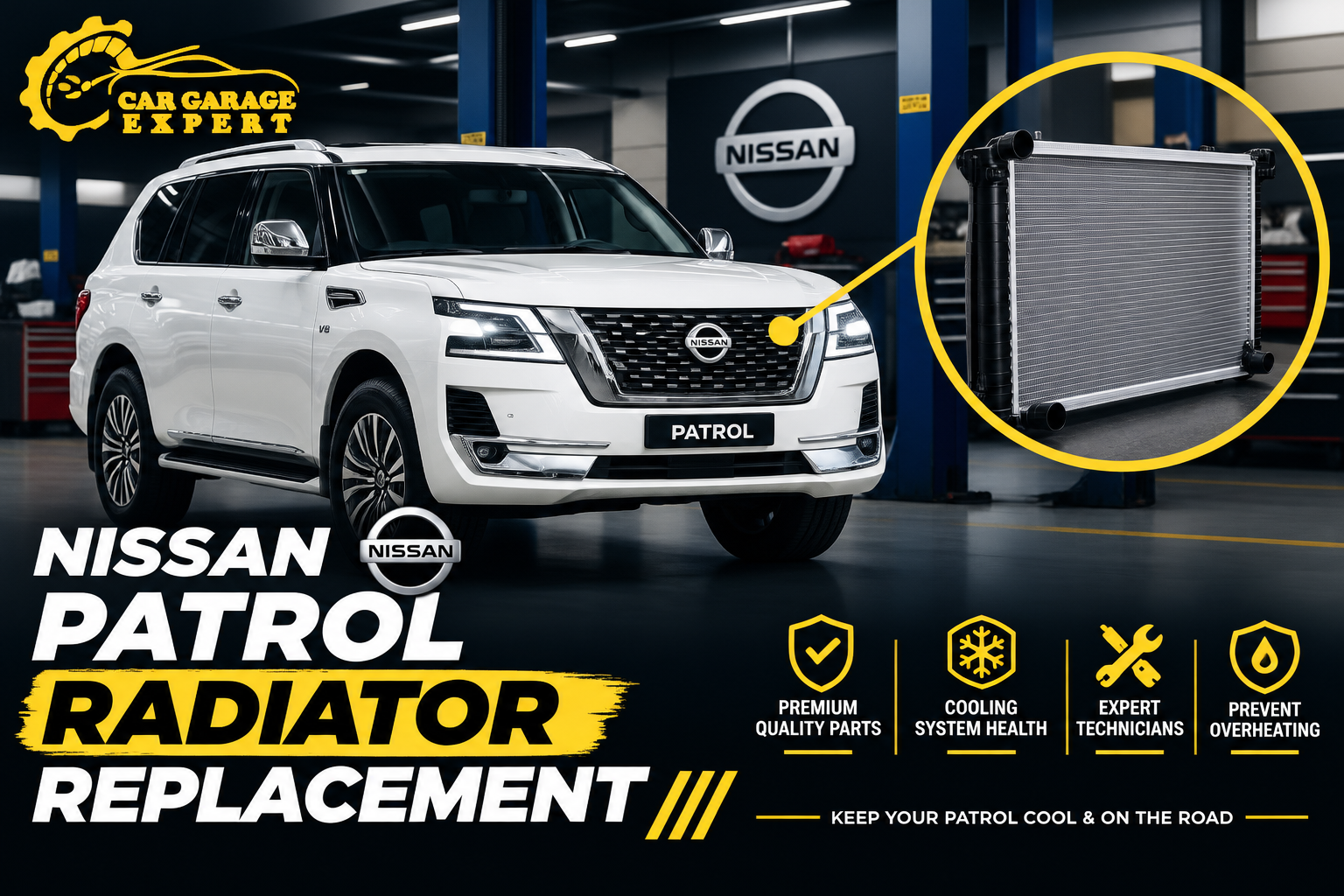
A Nissan Patrol radiator replacement is needed when the radiator can no longer maintain proper engine cooling due to leaks, corrosion, blocked passages, overheating, or physical damage. Common signs include rising temperature gauge readings, coolant leaks, frequent overheating, low coolant levels, steam from the engine bay, and poor cooling performance. In Dubai’s extreme heat conditions, a damaged radiator can quickly lead to serious engine problems. If your Nissan Patrol shows repeated overheating issues, professional inspection and timely radiator replacement can prevent expensive engine repairs and keep your vehicle reliable on UAE roads.
Nissan Patrol Radiator Replacement Overview
The radiator is one of the most important components of your Nissan Patrol’s cooling system. Its main job is to remove excess heat from the engine by circulating coolant through the radiator core and releasing heat into the surrounding air.
The Nissan Patrol is widely used in Dubai because of its powerful engine, off-road capability, and ability to handle long-distance driving. However, Dubai’s high temperatures, traffic congestion, and dusty environment can put additional stress on the cooling system.
Over time, the radiator may become damaged or less effective due to leaks, internal blockages, corrosion, or worn-out components. When the radiator cannot cool the engine properly, replacement becomes necessary to protect the engine from overheating damage.
A faulty radiator should not be ignored because overheating can damage expensive parts such as the cylinder head, head gasket, and engine block.
Signs Your Nissan Patrol Radiator Needs Replacement
Knowing the warning signs early can help prevent major engine problems. Here are the most common indicators that your Nissan Patrol radiator may need replacement.
1. Engine Overheating Frequently
The most obvious sign of radiator failure is repeated engine overheating. If your temperature gauge regularly moves toward the red zone, your radiator may not be removing heat efficiently.
In Dubai’s summer temperatures, even a small cooling system issue can quickly become serious.
2. Coolant Leaks Under the Vehicle
A damaged radiator often causes coolant leakage. You may notice green, orange, pink, or red fluid under your Nissan Patrol after parking.
Common leak locations include:
- Radiator tanks
- Radiator seams
- Hose connections
- Cracked radiator core
Low coolant levels reduce cooling performance and increase overheating risk.
3. Visible Radiator Damage
Physical inspection may reveal:
- Cracks
- Bent radiator fins
- Corrosion
- Damaged plastic tanks
- Broken mounting points
If the radiator structure is damaged, replacement is usually the safest solution.
4. Steam Coming From the Engine Bay
Steam from the front of your Nissan Patrol usually indicates coolant is boiling due to excessive heat.
This situation requires immediate attention because continued driving may cause severe engine damage.
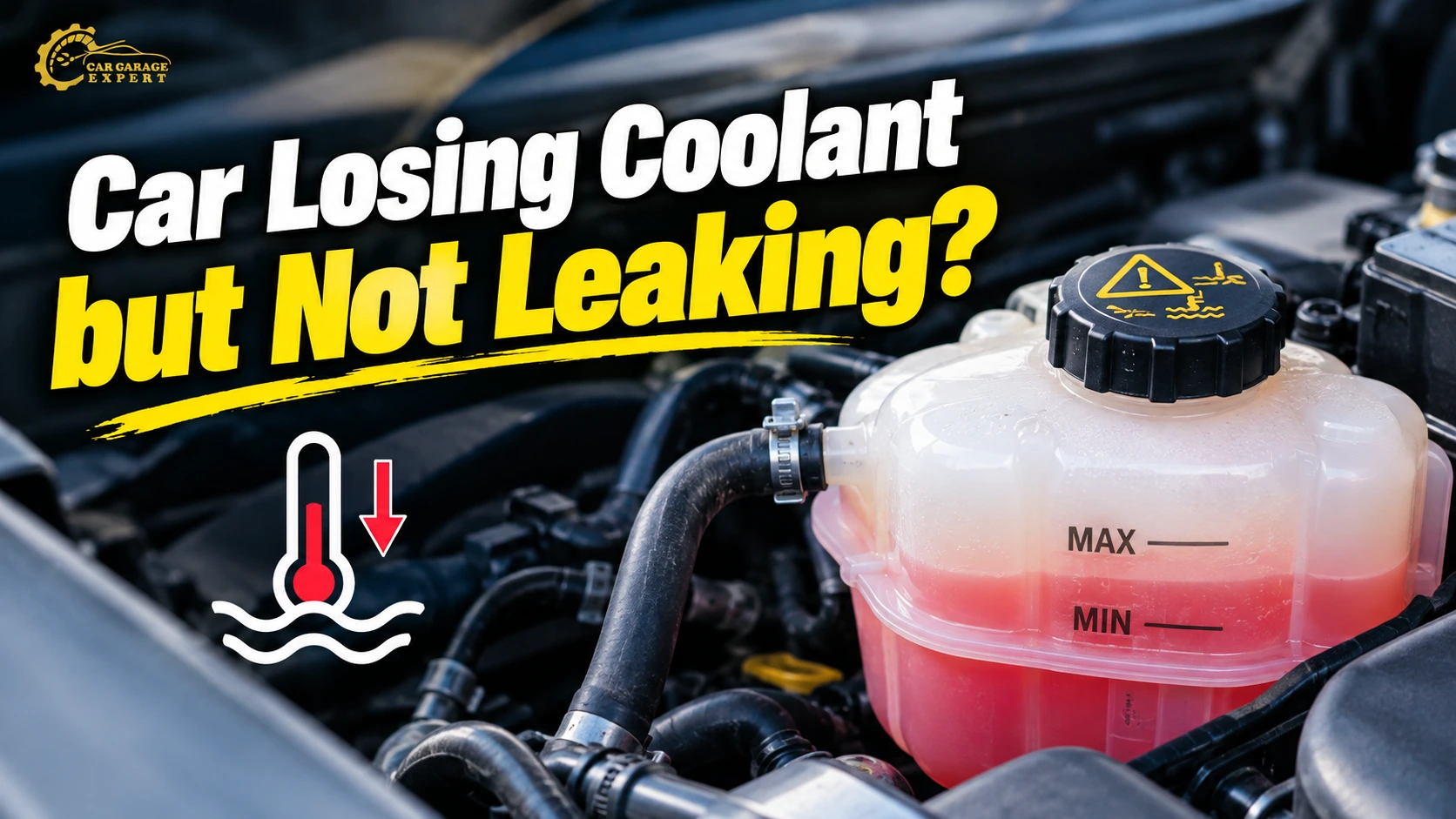
5. Low Coolant Level Without Visible Leakage
If coolant keeps decreasing but you cannot find an external leak, there may be an internal radiator problem.
A professional inspection can identify whether the radiator needs repair or complete replacement.
6. Poor Air Conditioning Performance
Although the radiator is not directly responsible for air conditioning, cooling system problems can affect overall engine temperature management and reduce AC efficiency, especially during Dubai summers.
Common Causes of Nissan Patrol Radiator Failure
Several factors can cause radiator problems in Nissan Patrol vehicles.
1. Extreme Dubai Weather Conditions
High temperatures increase cooling system pressure. During summer, your Nissan Patrol radiator works harder to maintain safe engine temperatures.
Continuous exposure to heat can accelerate wear and damage.
2. Coolant Neglect
Using old coolant or incorrect coolant mixtures can cause:
- Internal corrosion
- Rust formation
- Blocked radiator passages
- Reduced cooling efficiency
Regular coolant replacement is important for radiator health.
3. Corrosion and Rust
Over time, internal and external corrosion can weaken radiator materials.
Corrosion may create small leaks that eventually become major failures.
4. Blocked Radiator Passages
Dirt, deposits, and contaminated coolant can restrict coolant flow inside the radiator.
A blocked radiator cannot transfer heat effectively.
5. Damaged Radiator Fan or Cooling Components
Sometimes radiator problems are caused by related components such as:
- Cooling fan failure
- Thermostat problems
- Damaged hoses
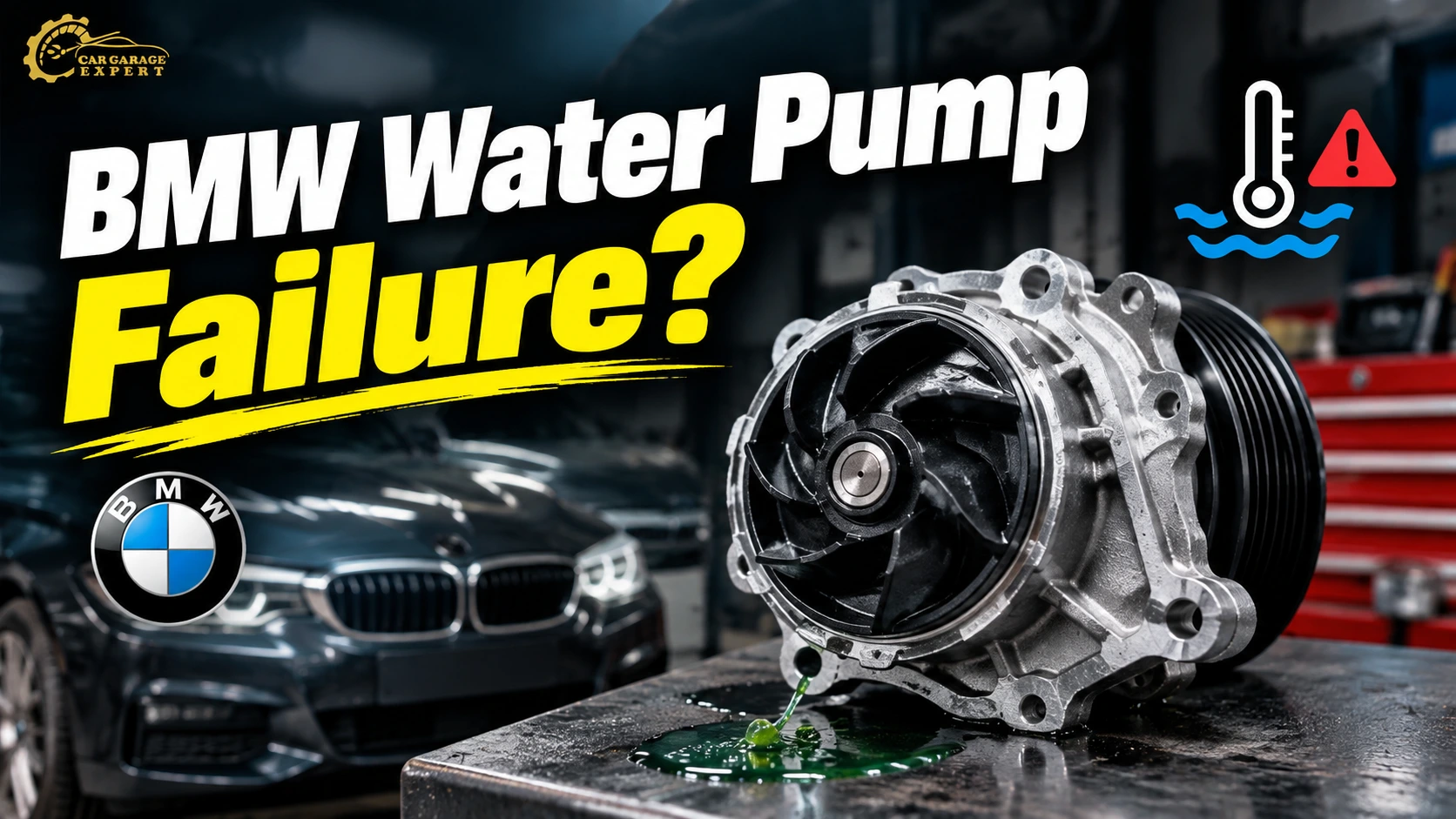
- Water pump issues
A complete cooling system inspection is necessary before replacement.
Nissan Patrol Radiator Diagnostic Process
Before replacing the radiator, professional technicians perform several checks.
Visual Inspection
The mechanic checks for:
- Coolant leaks
- Cracks
- Corrosion
- Damaged fins
- Hose condition
Cooling System Pressure Test
A pressure test helps identify hidden leaks that may not be visible during normal inspection.
Coolant Quality Check
Technicians inspect coolant condition to determine whether contamination or poor maintenance caused the issue.
Temperature Testing
Engine temperature readings help confirm whether the radiator is failing or another cooling component is responsible.
Component Inspection
Other parts including:
- Thermostat
- Water pump
- Radiator fan
- Cooling hoses
are checked to avoid unnecessary replacement.
Nissan Patrol Radiator Replacement Process
The radiator replacement process generally includes the following steps:
Step 1: Drain Old Coolant
Technicians safely remove existing coolant from the cooling system.
Step 2: Remove Damaged Radiator
The old radiator is disconnected from:
- Coolant hoses
- Fan assembly
- Mounting brackets
- Electrical connections
Step 3: Install New Radiator
A suitable replacement radiator is installed according to Nissan Patrol specifications.
Step 4: Refill Cooling System
Fresh coolant is added, and the system is properly bled to remove trapped air.
Step 5: Testing
The vehicle is tested for:
- Temperature stability
- Coolant circulation
- Leakage
- Cooling performance
Risks of Ignoring Nissan Patrol Radiator Problems
Driving with a failing radiator can create expensive repair problems.
Engine Overheating Damage
Continuous overheating can damage internal engine components.
Blown Head Gasket
Excessive heat can cause the head gasket to fail, leading to costly repairs.
Engine Failure
Severe overheating may permanently damage the engine.
Reduced Vehicle Reliability
A weak cooling system increases the chance of breakdowns, especially during long drives.
Can You Continue Driving With a Damaged Radiator?
It is not recommended to continue driving with a damaged Nissan Patrol radiator.
A vehicle may still operate temporarily, but overheating can happen suddenly. In Dubai, where temperatures can become extremely high, a small radiator issue can quickly turn into an emergency.
If your temperature warning appears or coolant is leaking, stop driving and arrange professional inspection.
Nissan Patrol Radiator Replacement Time
The replacement time depends on the vehicle condition and workshop availability.
Generally:
- Inspection: 30–60 minutes
- Radiator replacement: 3–5 hours
- Cooling system testing: 30 minutes
Additional repairs may increase the total time if other cooling components are damaged.
Nissan Patrol Radiator Replacement Cost Factors in Dubai
The cost of Nissan Patrol radiator replacement depends on several factors:
Radiator Quality
Prices vary depending on whether you choose:
- OEM radiator
- Premium aftermarket radiator
- Standard replacement radiator
Nissan Patrol Model Year
Different Patrol generations may require different radiator specifications.
Labour Charges
Workshop expertise and diagnostic quality affect labour costs.
Additional Repairs
Extra costs may occur if you also need:
- Coolant replacement
- Hose replacement
- Thermostat repair
- Fan repair
A proper inspection provides a more accurate estimate.
Prevention Tips for Longer Radiator Life
Follow these maintenance practices to extend radiator performance:
Check Coolant Regularly
Maintain correct coolant levels and use manufacturer-recommended coolant.
Schedule Cooling System Inspection
Regular inspections help detect small issues before they become expensive repairs.
Clean the Radiator Area
Dust and debris can reduce airflow through the radiator.
Replace Old Coolant
Fresh coolant prevents corrosion and improves heat transfer.
Monitor Temperature Gauge
Never ignore unusual temperature changes.
Dubai-Specific Nissan Patrol Radiator Advice
Dubai driving conditions are challenging for cooling systems because of:
- Extreme summer temperatures
- Heavy traffic
- Long highway journeys
- Desert driving conditions
- Dust accumulation
For Nissan Patrol owners in Dubai, radiator maintenance should be taken seriously. Regular cooling system checks before summer can prevent unexpected breakdowns.
If you frequently drive in desert areas or experience traffic-heavy routes, your radiator may require more frequent inspections compared with vehicles used in cooler climates.
Why Choose Car Garage Expert?
At Car Garage Expert, we focus on professional Nissan Patrol cooling system solutions in Dubai.
Our services include:
- Complete radiator inspection
- Accurate cooling system diagnosis
- Quality radiator replacement
- Experienced technicians
- Reliable repair recommendations
We understand Nissan Patrol vehicles and Dubai driving conditions. Our goal is to provide effective solutions that protect your engine and improve vehicle reliability.
Frequently Asked Questions Nissan Patrol Radiator Replacement
1. How do I know if my Nissan Patrol radiator needs replacement?
Common signs include overheating, coolant leaks, low coolant levels, visible radiator damage, and repeated temperature issues. Professional inspection can confirm whether replacement is required.
2. How often should a Nissan Patrol radiator be replaced?
There is no fixed replacement interval. A radiator usually needs replacement when it develops leaks, corrosion, blockage, or cannot maintain proper engine cooling.
3. Can a Nissan Patrol radiator leak be repaired instead of replaced?
Small leaks may sometimes be repaired, but major cracks, corrosion, or damaged radiator cores usually require complete replacement for long-term reliability.
4. How much does Nissan Patrol radiator replacement cost in Dubai?
The cost depends on radiator quality, Patrol model, labour charges, and additional repairs required. A professional inspection provides an accurate estimate.
5. Is overheating dangerous for a Nissan Patrol engine?
Yes. Continuous overheating can damage the head gasket, cylinder head, and other expensive engine components.
Conclusion Nissan Patrol Radiator Replacement
A Nissan Patrol radiator plays a critical role in keeping your engine at a safe operating temperature. If you notice overheating, coolant leaks, steam, or reduced cooling performance, your radiator may require replacement.
Ignoring radiator issues can lead to expensive engine repairs, especially in Dubai’s harsh climate. Regular maintenance and early diagnosis help protect your vehicle and improve reliability.
If your Nissan Patrol is showing cooling system problems, contact Car Garage Expert Dubai for professional radiator inspection and replacement services. Keep your engine protected and enjoy safer driving throughout the UAE.
Visit us in our Al Quoz, Dubai branch or visit Car Garage Expert