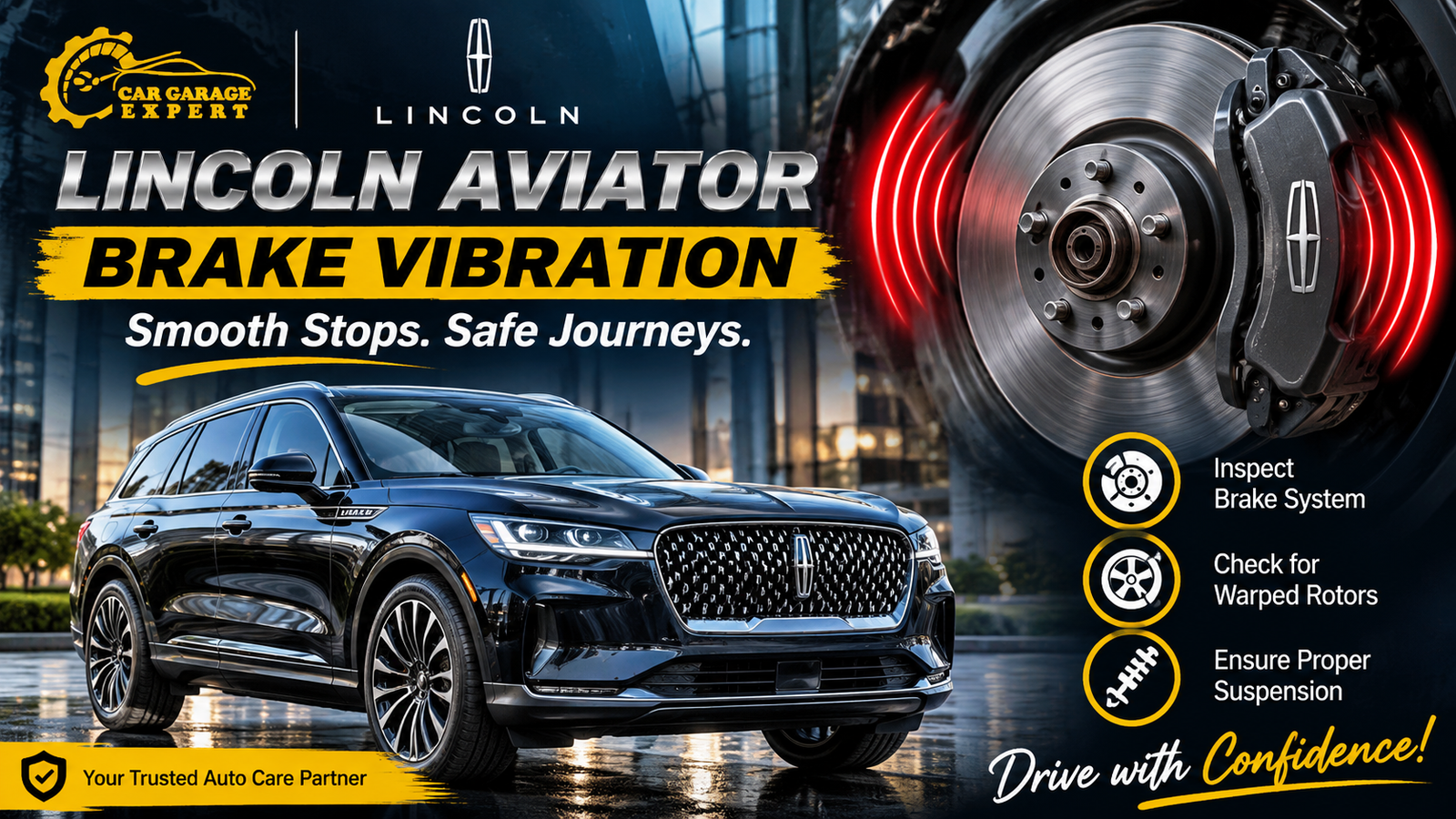
The Lincoln Aviator is a luxury SUV designed to deliver a comfortable driving experience, impressive performance, and reliable handling. However, even a well-maintained vehicle can develop braking problems over time. One issue that can affect driving comfort and safety is brake vibration in the Lincoln Aviator. If you notice shaking in the steering wheel, pulsation through the brake pedal, or unusual movement when slowing down, your vehicle may require a professional brake inspection.
Drivers should not ignore brake vibration, especially when driving through Dubai’s busy roads, dealing with frequent traffic stops, or traveling at higher speeds on major highways. Although worn brake pads and damaged rotors are common reasons behind this problem, other components, including brake calipers, suspension parts, wheel bearings, and electronic braking systems, can also contribute.
Understanding the possible causes can help you identify the problem early and avoid unnecessary repair expenses. In this guide, Car Garage Expert explains why Lincoln Aviator brakes may vibrate, which warning signs to watch for, and how professional technicians can diagnose and resolve the issue.
What Is Lincoln Aviator Brake Vibration?
Brake vibration refers to an unusual shaking or pulsating sensation that occurs when you press the brake pedal. Depending on the underlying issue, you might feel the vibration through the steering wheel, brake pedal, floorboard, or even the entire vehicle.
In many cases, the problem becomes more noticeable when applying the brakes at moderate or high speeds. For example, you might feel the steering wheel shake while slowing down from highway speeds or feel repeated pulses through the brake pedal when approaching a traffic signal.
The braking system relies on properly functioning brake pads, rotors, calipers, and hydraulic components to slow down the vehicle smoothly. If one or more components develop uneven surfaces, excessive wear, or mechanical faults, the braking process may become inconsistent.
A small vibration can sometimes indicate an early mechanical issue, while strong shaking or reduced braking performance may signal a more serious problem.
Common Causes of Lincoln Aviator Brake Vibration
Identifying the actual source of brake vibration is essential before replacing any components. Here are some of the most common reasons your Lincoln Aviator might develop this issue.
1. Warped or Uneven Brake Rotors
Brake rotor problems are among the most common causes of brake vibration. Rotors are metal discs connected to the wheels. When you press the brake pedal, the brake pads squeeze these discs to slow the wheels.
Over time, excessive heat, uneven wear, rotor thickness variations, or surface damage can affect the braking surface. These conditions may cause inconsistent contact between the pads and rotors.
As a result, you might notice:
- Steering wheel shaking during braking.
- Pulsation through the brake pedal.
- Vibration when slowing down from higher speeds.
- Uneven braking performance.
- Grinding or unusual braking noises.
In Dubai, frequent stop-and-go traffic and repeated heavy braking can increase brake temperatures. However, heat alone doesn’t automatically mean the rotors are warped. A technician should inspect the rotor surface, thickness, and lateral runout before recommending resurfacing or replacement.
2. Worn or Damaged Brake Pads
Brake pads gradually lose their friction material through normal use. When they become excessively thin, damaged, contaminated, or unevenly worn, they may not make consistent contact with the rotor.
This can produce vibration, squealing, grinding, or reduced braking performance.
Common warning signs include:
- Squeaking or squealing when applying the brakes.
- Metallic grinding sounds.
- Increased braking distance.
- Uneven pad wear.
- Shaking during certain braking conditions.
Replacing worn brake pads with suitable, high-quality components can restore proper braking performance. However, technicians should also inspect the rotors and calipers to identify why the pads wore unevenly in the first place.
3. Sticking or Faulty Brake Calipers
Brake calipers apply pressure to the brake pads, allowing them to grip the rotors. If a caliper piston gets stuck or its sliding pins don’t move properly, the brake pads may stay in contact with the rotor.
This can create continuous friction, excessive heat, and uneven braking.
A faulty caliper may cause:
- Vibration when driving or braking.
- The vehicle pulling towards one side.
- Unusual heat around one wheel.
- Burning smells after driving.
- Uneven brake pad wear.
Caliper problems require proper inspection because continued driving with a sticking brake can damage other braking components and compromise vehicle safety.
4. Uneven Brake Pad Deposits
Sometimes, brake vibration develops even when the rotors have no significant physical damage.
Repeated braking, improper bedding-in of new brake pads, or excessive heat can create uneven friction material deposits on the rotor surface. These deposits may cause inconsistent friction when the pads contact the disc.
Drivers may experience steering wheel vibration, brake pedal pulsation, or a noticeable judder during deceleration.
A qualified technician can examine the braking surfaces and determine whether cleaning, resurfacing within manufacturer specifications, or component replacement is appropriate.
5. Worn Suspension and Steering Components
Not every vibration experienced during braking originates inside the braking system. Worn suspension and steering components can also contribute to shaking, especially when braking shifts additional weight to the front of the vehicle.
Possible contributing components include:
- Control arm bushings.
- Ball joints.
- Tie rod ends.
- Suspension joints.
- Wheel bearings.
- Damaged steering components.
If your Lincoln Aviator vibrates during normal driving and braking, you may need a complete suspension and steering inspection.
6. Wheel Alignment and Tire-Related Problems
Incorrect wheel alignment, uneven tire wear, damaged tires, and wheel imbalance can cause vibrations that sometimes become more noticeable when slowing down.
For example, a bent wheel or unevenly worn tire may produce shaking at certain speeds. Braking adds extra forces to the wheels and suspension, so the sensation may become more noticeable.
A professional inspection should distinguish between wheel-related vibration and actual brake judder before recommending repairs.
Common Symptoms of Lincoln Aviator Brake Problems
Recognizing the symptoms can help you explain the issue more accurately to your mechanic.
Steering Wheel Shaking During Braking
If the steering wheel shakes whenever you apply the brakes, the front braking system should be inspected. Uneven front rotor surfaces, excessive rotor runout, or suspension problems may contribute to this symptom.
Brake Pedal Pulsation
A pulsating brake pedal can indicate variations in braking force or rotor thickness. However, pedal pulsation can also occur when the ABS activates during emergency braking or when the vehicle detects reduced wheel traction.
If the sensation occurs repeatedly during ordinary braking on dry roads, professional diagnosis is recommended.
Vibration at Highway Speeds
Some drivers notice that their Lincoln Aviator remains smooth at lower speeds but begins shaking when braking from highway speeds.
This can indicate rotor-related problems, but wheel bearings, suspension components, and tire conditions should also be checked.
Grinding or Squealing Sounds
Continuous grinding or metallic noises may indicate severely worn brake pads or damaged braking surfaces. Occasional brake noise can be normal, but persistent sounds should not be ignored.
Vehicle Pulling to One Side
If the vehicle moves towards the left or right when braking, there may be uneven braking force between the wheels. Possible causes include a sticking caliper, contaminated pads, or other mechanical problems.
How Dubai Driving Conditions Can Affect Your Lincoln Aviator Brakes
Dubai offers a combination of urban roads, highways, and busy commercial areas. These driving conditions can influence how quickly braking components wear.
Understanding these factors can help Lincoln Aviator owners maintain their vehicles more effectively.
High Temperatures and Brake Heat
Dubai experiences extremely hot weather during summer. Although modern braking systems are designed to operate under demanding conditions, repeated heavy braking can generate additional heat.
Excessive brake temperatures may contribute to accelerated pad wear, friction material deterioration, and rotor surface damage.
Maintaining appropriate braking habits and inspecting the braking system regularly can help prevent unnecessary wear.
Stop-and-Go Traffic
Driving through busy areas such as Downtown Dubai, Business Bay, Deira, and Sheik Zayed Road can involve frequent acceleration and braking.
Repeated braking increases the workload on brake pads and rotors. Over time, this can contribute to uneven wear and braking vibration.
Dust and Road Contamination
Dust and fine particles are common in the UAE environment. Contamination around braking components can sometimes contribute to noise or uneven contact, although dust alone does not necessarily cause brake vibration.
Regular vehicle cleaning and professional brake inspections can help identify contamination, corrosion, and abnormal wear.
Highway Driving
Long-distance journeys and higher-speed driving require a properly functioning braking system. If brake components are already worn or damaged, vibration may become more noticeable during highway deceleration.
Before traveling long distances, it is sensible to have your brakes, tires, and suspension checked.
How to Diagnose Lincoln Aviator Brake Vibration
Accurate diagnosis is important because replacing the wrong component can waste money without resolving the original problem.
At Car Garage Expert, a systematic inspection should include the following checks:
1. Initial Road Test
A technician can evaluate when the vibration occurs, including the speed at which it starts, whether it appears during light or heavy braking, and whether it is felt through the steering wheel or brake pedal.
This information helps narrow down the possible causes.
2. Brake Pad Inspection
The technician checks the remaining friction material, pad condition, and wear pattern. Uneven wear may indicate a problem with the caliper or another braking component.
3. Brake Rotor Measurement
Rotors should be inspected for scoring, cracks, heat spots, surface irregularities, thickness variation, and lateral runout.
Special measuring equipment helps determine whether the rotor remains within the manufacturer’s minimum thickness and runout specifications.
4. Brake Caliper Inspection
The caliper pistons, seals, mounting points, and sliding pins should be checked for binding, corrosion, damage, and fluid leakage.
5. Suspension and Wheel Inspection
If the braking components appear normal, the technician should inspect wheel bearings, tires, wheel condition, and suspension components.
6. Electronic Brake System Diagnostics
Modern Lincoln Aviator models use advanced electronic braking and driver-assistance systems. Hybrid versions also incorporate regenerative braking technology.
If the symptoms suggest an electronic or ABS-related problem, a compatible diagnostic scanner should be used to check fault codes and relevant system data. Software updates or further electronic testing may be required where appropriate.
How to Fix Lincoln Aviator Brake Vibration
The correct repair depends on the results of the inspection. Some problems require straightforward maintenance, while others need more extensive repairs.
Replace Damaged Brake Rotors
If the rotors are cracked, below minimum thickness, or outside acceptable specifications, replacement may be necessary.
Technicians should always follow the vehicle manufacturer’s service requirements rather than automatically resurfacing or replacing every rotor.
Install New Brake Pads
Worn, damaged, or contaminated brake pads should be replaced with suitable components that meet the vehicle’s specifications.
Installing new pads without addressing damaged rotors or sticking calipers may allow the original vibration to return.
Repair or Replace Faulty Calipers
A sticking caliper may require servicing or replacement, depending on its condition. Proper caliper operation is essential for balanced braking and even pad wear.
Inspect and Repair Suspension Components
If worn control arm bushings, ball joints, wheel bearings, or steering components are contributing to the vibration, the affected parts should be repaired or replaced.
Perform Brake System Calibration or Software Checks
For certain electronically controlled or hybrid braking systems, diagnostic testing may reveal software-related issues.
For example, a manufacturer service bulletin documented a brake pedal pulsation concern involving some 2020–2021 Lincoln Aviator hybrid vehicles associated with regenerative braking software. This does not mean every Aviator has the same issue, but it highlights why electronic diagnosis is sometimes necessary.
Complete a Final Brake Test
After repairs, technicians should verify braking performance, check for unusual sounds, and conduct an appropriate road test to confirm that the vibration has been resolved.
When Should You Visit a Professional Garage in Dubai?
You should arrange a professional inspection as soon as you notice repeated brake vibration, unusual noises, or changes in braking performance.
Some warning signs require more urgent attention:
- The brake pedal feels unusually soft or sinks towards the floor.
- The vehicle takes longer to stop.
- Strong vibration occurs during normal braking.
- A brake warning light remains illuminated.
- You notice a burning smell or smoke near a wheel.
- The vehicle pulls sharply to one side.
- Continuous grinding noises occur.
If braking performance is significantly reduced, the brake warning light indicates a serious fault, or you notice smoke or a suspected brake fluid leak, stop in a safe location and arrange professional assistance rather than continuing to drive.
Ignoring these symptoms can increase repair costs and create unnecessary risks for you and other road users.
Why Choose Car Garage Expert for Lincoln Aviator Brake Repair in Dubai?
Luxury vehicles such as the Lincoln Aviator require appropriate diagnostic equipment, suitable replacement components, and technicians who understand modern braking technology.
Choosing a professional garage can help ensure that the actual cause of the problem is identified before repairs begin.
Car Garage Expert focuses on providing vehicle inspection and repair solutions designed to address automotive problems effectively.
When dealing with Lincoln Aviator brake vibration, important service considerations include:
- Professional Brake Inspection: Checking brake pads, rotors, calipers, and related components.
- Accurate Fault Diagnosis: Identifying mechanical or electronic issues rather than replacing parts unnecessarily.
- Quality Replacement Components: Using suitable parts that meet the vehicle’s requirements.
- Suspension and Steering Checks: Investigating other components that may contribute to vibration.
- Complete Repair Verification: Testing the braking system after maintenance to confirm proper operation.
Whether your Lincoln Aviator experiences steering wheel shaking, brake pedal pulsation, or unusual braking noises, an accurate diagnosis is the first step towards restoring smooth and reliable performance.
Contact Car Garage Expert to arrange a professional inspection and discuss the appropriate repair solution for your Lincoln Aviator in Dubai.
5 Frequently Asked Questions About Lincoln Aviator Brake Vibration
1. Why does my Lincoln Aviator vibrate when I apply the brakes?
Your Lincoln Aviator may vibrate because of uneven brake rotor surfaces, rotor thickness variation, worn brake pads, sticking calipers, or suspension problems. A professional inspection is necessary to identify the exact cause.
2. Can warped brake rotors cause steering wheel shaking?
Yes. Uneven rotor surfaces or excessive lateral runout can create variations in braking force, which may cause the steering wheel to shake when applying the brakes. Rotor measurements can help confirm the issue.
3. Is it safe to drive a Lincoln Aviator with brake vibration?
Driving with persistent brake vibration is not recommended because it may indicate a problem affecting braking performance. If the vehicle has reduced stopping power, warning lights, severe shaking, or unusual brake noises, stop driving when safe and arrange professional assistance.
4. How much does Lincoln Aviator brake repair cost in Dubai?
The cost depends on the actual problem, model year, replacement parts, and labor required. Brake pad replacement is generally less expensive than replacing rotors, calipers, or electronic braking components. Request an inspection and quotation before approving repairs.
5. How can I prevent brake vibration in my Lincoln Aviator?
Schedule regular brake inspections, replace worn pads when necessary, use suitable replacement components, avoid repeated unnecessary hard braking, and investigate unusual noises or vibrations early. Following the manufacturer’s maintenance recommendations can also help maintain braking performance.
Visit us in our Al Quoz, Dubai branch or visit Car Garage Expert
Conclusion
Lincoln Aviator brake vibration can result from several issues, including uneven brake rotors, worn brake pads, sticking calipers, suspension faults, and electronic braking problems. Although some causes are relatively straightforward to repair, ignoring persistent vibration can lead to additional component damage and potentially compromise vehicle safety.
Dubai’s demanding driving conditions, frequent traffic stops, high temperatures, and highway journeys make proper brake maintenance particularly important for luxury SUV owners.
The most effective approach is to identify the underlying problem through a professional inspection rather than replacing components based on symptoms alone.
If your Lincoln Aviator is experiencing brake pedal pulsation, steering wheel shaking, or unusual braking noises, Car Garage Expert can help you identify the issue and determine the appropriate repair solution. Prioritizing timely brake maintenance helps keep your vehicle’s braking system reliable, responsive, and ready for Dubai’s roads.