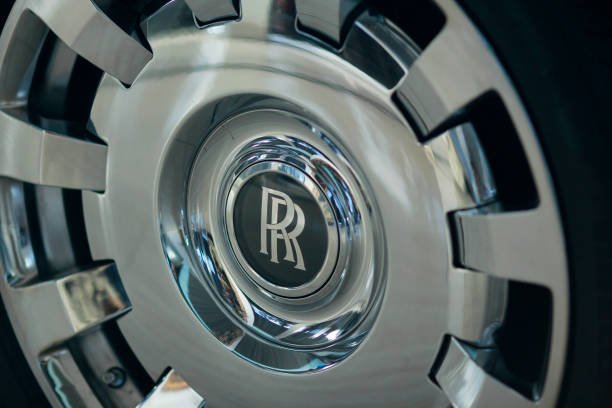
Rolls Royce vehicles are engineered for a quiet, smooth, refined driving experience. Even a small squeak, grinding sound, or low-speed brake noise can feel unusually noticeable. If your Rolls Royce makes noise in parking areas, slow-moving traffic, or while approaching a junction, the cause may range from brake dust to worn pads, glazed components, or rotor issues.
At Car Garage Expert in Dubai, identifying the exact source of Rolls Royce brake noise is essential before replacing components. Premium braking systems require accurate inspection, proper parts, and careful installation to restore the quiet braking performance expected from a Rolls Royce.
Why Does Rolls Royce Brake Noise Happen
Rolls Royce brake noise at low speeds commonly happens because of brake dust, moisture, worn brake pads, glazed friction surfaces, uneven rotors, contaminated brake components, or vibration between the pads and calipers. Low-speed braking can make these noises more noticeable because there is less road and wind noise to mask them. Occasional light squeaking after washing the vehicle or during humid Dubai mornings may disappear after several brake applications. However, persistent squealing, grinding, clicking, or vibration should be inspected by a professional. Car Garage Expert in Dubai can diagnose the braking system and determine whether cleaning, lubrication, resurfacing, or component replacement is required.
Problem Overview
Brake noise at low speeds is a relatively common concern in luxury vehicles, but determining whether the sound is normal or a warning sign requires proper diagnosis.
A Rolls Royce uses a high-performance braking system designed to handle a heavy luxury vehicle while maintaining excellent comfort. Large brake discs, sophisticated calipers, premium friction materials, electronic safety systems, and carefully engineered suspension components all contribute to smooth braking.
At very low speeds, minor brake vibrations can become more audible. You may notice the sound while:
- Entering or leaving a parking space
- Driving through underground parking areas
- Braking in slow Dubai traffic
- Approaching traffic signals
- Reversing while applying the brake
- Driving immediately after washing the vehicle
- Braking after the car has been parked overnight
Some brake sounds are temporary. Others indicate brake components that require immediate inspection.
Symptoms of Rolls Royce Brake Noise
The type of sound can provide useful clues about Rolls Royce brake noise and the condition of the braking system.
High-Pitched Squealing
A sharp squeaking or squealing sound may result from brake dust, friction material characteristics, glazed pads, vibration, or pads nearing the end of their service life.
Grinding Noise
Grinding is more serious. It can occur when brake pads have worn excessively and metal components begin contacting the brake disc.
Continuing to drive can damage expensive rotors and reduce braking effectiveness.
Clicking or Clunking
Clicking during braking or when switching between forward and reverse may indicate movement within the brake pad assembly, loose hardware, caliper issues, or suspension-related components.
Brake Pedal Vibration
If the noise is accompanied by vibration through the pedal, steering wheel, or vehicle body, the brake discs may have uneven surfaces or thickness variation.
Noise When Reversing
Some braking systems produce a brief sound when reversing because pad movement changes direction. Persistent or increasingly loud noises should still be checked.
Burning Smell
Brake noise combined with a burning smell can indicate overheating or a sticking brake caliper and deserves prompt attention.
Causes of Rolls Royce Brake Noise at Low Speeds
Several conditions can cause a Rolls Royce to make low-speed braking noises.
1. Brake Dust Accumulation
BraBrake pads naturally create fine particles as they wear, and luxury and performance braking systems can generate noticeable amounts of brake dust.hen dust builds up around brake pads and discs, it can contribute to squeaking or scraping noises.
Professional brake cleaning may solve the problem if all components are still within specification.
2. Moisture and Surface Rust
Dubai is known for heat, but humidity and moisture can still affect exposed brake discs.
After washing your Rolls Royce or leaving it parked in humid conditions, a thin layer of surface oxidation may develop on the discs.
Light braking often removes this layer after a short drive.
3. Worn Brake Pads
Brake pads gradually become thinner with use, and some pads include wear indicators that produce noise as replacement approaches. Ignoring worn brake pads can eventually cause metal-to-metal contact.
4. Glazed Brake Pads
Excessive heat can harden or polish a brake pad’s friction surface.
This condition, known as glazing, may cause squeaking and reduce consistent friction between the pad and rotor.
Glazing can occur after repeated heavy braking or prolonged braking in demanding conditions.
5. Uneven or Damaged Brake Rotors
Brake discs must remain smooth and within manufacturer specifications.
Heat cycles, wear, improper installation, or excessive pad wear can cause uneven surfaces. When the pads contact an irregular disc, vibration and noise may occur.
6. Brake Pad Material
Some high-performance friction materials naturally produce more noise than softer compounds.
Premium vehicles often need a careful balance between stopping performance, durability, comfort, and noise reduction.
Using unsuitable aftermarket pads can dramatically increase brake noise.
7. Missing or Damaged Brake Hardware
Shims, clips, retainers, and anti-rattle components help keep brake pads stable.
If these parts are damaged, fitted incorrectly, or omitted during previous repairs, the pads may vibrate against the calliper.
8. Insufficient Lubrication
Specific brake contact points require suitable high-temperature lubricant.
Dry or contaminated contact surfaces can allow vibrations that create squeaks and clicks.
Apply brake lubricant only to appropriate areas. It should never contaminate the braking surface.
9. Sticking Brake Caliper
A caliper piston or guide mechanism that doesn’t move correctly may keep a brake pad partially engaged with the disc.
Possible signs include:
- Persistent scraping
- Excessive brake dust on one wheel
- Vehicle pulling during braking
- Unusual heat from one wheel
- Burning smell
- Premature pad wear
A sticking caliper requires professional attention.
10. Contaminated Brake Components
Oil, grease, cleaning chemicals, or other contaminants reaching the friction surfaces can change braking behaviour and create noise.
Depending on the severity, contaminated pads may require replacement.
Diagnostic Process
Proper diagnosis is particularly important with a Rolls Royce because unnecessary replacement of premium brake components can be expensive.
At Car Garage Expert, a brake noise inspection may include:
Step 1: Road Test
A technician first attempts to reproduce the noise under similar conditions.
The technician may check whether the sound occurs during:
- Light braking
- Moderate braking
- Reversing
- Steering while braking
- Cold operation
- Warm operation
Step 2: Visual Brake Inspection
The wheels are inspected or removed so the technician can examine:
- Brake pad thickness
- Brake disc condition
- Calipers
- Brake hoses
- Retaining clips
- Shims
- Dust accumulation
- Heat marks
- Uneven pad wear
Step 3: Rotor Inspection
Measure brake discs to confirm they remain within acceptable specifications.
The technician checks for excessive wear, grooves, heat damage, or irregularities.
Step 4: Caliper Inspection
The technician checks calipers for proper movement, damage, sticking mechanisms, and signs of overheating.
Step 5: Electronic Diagnosis
Modern Rolls Royce models incorporate sophisticated electronic braking and stability systems.
When needed, diagnostic equipment can check related warning codes and electronic system information.
Step 6: Confirming the Root Cause
Recommend repairs only after identifying the most likely source of the noise.
This prevents unnecessary brake pad or rotor replacement.
Repair Process
The correct repair depends entirely on the brake noise diagnosis.
Brake Cleaning
If excessive dust or minor contamination is responsible, the braking system may be professionally cleaned.
Brake Hardware Service
Technicians may clean and properly lubricate approved brake contact points while inspecting clips and shims.
Damaged hardware should be replaced.
Brake Pad Replacement
If the pads are worn, damaged, glazed, or contaminated, you may need to replace them.
Pads should match the vehicle’s braking specifications.
Brake Rotor Replacement or Correction
Replace brake discs that are severely worn, damaged, cracked, or unsuitable.
Whether resurfacing is appropriate depends on the component and the manufacturer’s specifications.
Caliper Repair
A sticking or damaged caliper requires immediate attention.
Depending on the condition, you may need servicing, component replacement, or a full calliper replacement.
Final Road Test
After repairs, road-test the vehicle to verify proper braking performance and confirm the original noise is gone.
Risks of Ignoring the Problem
A minor brake squeak does not always mean the vehicle is unsafe. However, ignoring persistent brake noise can turn a small issue into a much more expensive problem.
Potential consequences include:
- Premature brake pad wear
- Damaged brake discs
- Reduced braking performance
- Overheated brakes
- Uneven braking
- Increased stopping distances
- Caliper damage
- Higher repair costs
- Reduced driving comfort
Grinding noises are particularly concerning because they may indicate that the friction material has worn away.
Don’t diagnose luxury vehicles based on sound alone. A proper physical inspection is the safest approach.
Can You Continue Driving?
Whether you can continue driving depends on the sound and accompanying symptoms.
A brief light squeak after washing the vehicle may disappear after the braking surfaces dry.
However, you should arrange an inspection if the noise:
- Happens every time you brake
- Has recently become louder
- Sounds like metal grinding
- Is accompanied by vibration
- Occurs with a brake warning light
- Causes the vehicle to pull to one side
- Is associated with a burning smell
- Is accompanied by reduced braking performance
If braking feels significantly weaker than normal, the brake pedal behaves unusually, or you hear severe grinding, avoid unnecessary driving and have the vehicle professionally inspected.
Rolls Royce Brake Repair Time
Repair time depends on the cause of the noise.
A straightforward inspection or cleaning service may be completed relatively quickly. Brake pad replacement usually takes more workshop time, while disc, calliper, or electronic braking system repairs can take longer.
The exact duration may also depend on:
- Rolls Royce model
- Condition of the braking components
- Front or rear brake involvement
- Availability of required parts
- Additional damage discovered during inspection
- Diagnostic requirements
Car Garage Expert can provide a more accurate repair estimate after inspecting the vehicle.
Rolls Royce Brake Repair Cost Factors in Dubai
There is no single price for fixing low-speed brake noise because the cause varies considerably.
Major cost factors include:
Rolls Royce Model
Brake systems differ between models such as the Ghost, Phantom, Cullinan, Wraith, Dawn, and Spectre.
Parts Required
Simple cleaning will naturally cost less than replacing brake discs, pads, or calipers.
OEM or Premium-Quality Components
The quality and specification of replacement components significantly influence both price and braking behaviour.
Front vs Rear Brakes
Component sizes and replacement requirements may vary between the front and rear axles.
Additional Damage
Continuing to drive with completely worn pads can damage discs and other braking components, increasing the total repair cost.
For an accurate quotation, a physical inspection is preferable to estimating based solely on noise.
Prevention Tips
You can’t eliminate normal brake wear, but careful maintenance can reduce the risk of premature noise and damage.
Follow Recommended Brake Inspections
Have your brakes inspected during routine servicing rather than waiting for warning noises.
Avoid Ignoring Small Changes
A new squeak, vibration, or pedal change is easier to address before additional components become damaged.
Use Suitable Brake Components
Cheap or incorrect brake pads can cause unnecessary noise and reduce braking performance.
Use parts suitable for your Rolls Royce model and braking system.
Keep Wheels and Brakes Clean
Regular professional cleaning can prevent excessive brake dust accumulation.
Avoid Excessive Brake Heat
Repeated hard braking can generate significant heat and contribute to glazing or accelerated wear.
Have Installation Performed Correctly
Even premium brake components can create noise if clips, shims, torque specifications, or contact points are handled incorrectly.
Dubai-Specific Advice for Rolls Royce Owners
Dubai’s driving conditions create several challenges for braking systems.
High Temperatures
Dubai’s hot climate can increase thermal stress on braking components, particularly during aggressive or repeated braking.
Heavy Urban Traffic
Stop-and-go traffic means brakes are used frequently at low speeds. This is exactly when squeaking and other minor noises tend to become most noticeable.
Dust and Sand
Fine airborne dust can accumulate around wheels and braking components. Keeping the braking area appropriately maintained can reduce unnecessary contamination.
Humidity
Despite the desert climate, coastal humidity can contribute to temporary surface oxidation on brake discs, especially when vehicles remain parked for extended periods.
Luxury Vehicle Usage Patterns
Some Rolls Royce vehicles in Dubai are driven infrequently. Long periods of parking can sometimes contribute to surface corrosion, sticking components, or brake noises during the first few journeys.
If you store your Rolls Royce for extended periods, periodic inspections are recommended.
Why Choose Car Garage Expert for Rolls Royce Brake Repair in Dubai?
A Rolls Royce deserves more than a basic brake inspection.
Car Garage Expert provides professional brake diagnostics and repair solutions for luxury vehicle owners in Dubai.
Our approach focuses on locating the actual source of the noise instead of immediately replacing expensive components.
Detailed Brake Inspection
We inspect pads, rotors, calipers, hardware, and related components to identify the cause.
Luxury Car Expertise
Premium vehicles require careful workmanship, suitable tools, and knowledge of advanced automotive systems.
Quality Replacement Parts
Where replacement is required, appropriate high-quality components help maintain braking performance, comfort, and reliability.
Transparent Recommendations
The objective is to repair what is needed rather than replace components unnecessarily.
Dubai-Focused Service
Understanding local heat, dust, humidity, traffic, and driving conditions helps technicians diagnose issues that commonly affect vehicles in the UAE.
Whether your Rolls Royce Ghost squeaks while parking, your Cullinan grinds in traffic, or your Phantom develops braking vibration, professional diagnosis can help restore the smooth, quiet experience you expect.
FAQs
1. Why does my Rolls Royce squeak when braking slowly?
Low-speed squeaking can result from brake dust, moisture, glazed pads, friction material characteristics, worn pads, or vibration between brake components. If the squeaking persists after several drives, arrange a professional brake inspection.
2. Is low-speed brake noise normal on a Rolls Royce?
Occasional light brake noise can occur, especially after washing, in humid conditions, or after extended parking. Persistent squealing, grinding, clicking, or vibration is not normal without inspection.
3. Why do my Rolls Royce brakes make noise after a car wash?
Water can temporarily remain on the brake discs and may encourage a very thin layer of surface oxidation. Light braking usually cleans the disc surfaces. If the noise continues, another brake issue may be present.
4. Do noisy Rolls Royce brakes always need new brake pads?
No. Brake noise can come from dust, hardware, discs, calipers, contamination, or other causes. Professional diagnosis is important before deciding that the pads require replacement.
5. Where can I get Rolls Royce brake noise checked in Dubai?
You can contact Car Garage Expert in Dubai for a professional Rolls Royce braking system inspection. A technician can diagnose the source of squeaking, grinding, vibration, or other unusual brake sounds and recommend the appropriate repair.
Conclusion
So, why does Rolls Royce brake noise happen at low speeds? In many cases, the cause is relatively simple, such as moisture, brake dust, or minor vibration. However, persistent noises can also indicate worn pads, damaged discs, glazing, sticking calipers, contaminated friction surfaces, or incorrectly installed brake hardware.
Because a Rolls Royce braking system is designed for both powerful stopping performance and exceptional refinement, unusual noises deserve proper diagnosis.
Ignoring a developing brake problem can turn a straightforward service into a much more expensive repair, particularly if worn pads begin damaging the brake discs.
Book Your Rolls Royce Brake Inspection in Dubai Today
If your Rolls Royce is squeaking, grinding, clicking, vibrating, or making unusual brake noises at low speeds, contact Car Garage Expert Dubai for professional diagnosis and repair.
Schedule your Rolls Royce brake inspection with Car Garage Expert today and restore the quiet, smooth, confident braking performance your luxury vehicle was designed to deliver.
Visit us in our Al Quoz, Dubai branch or visit Car Garage Expert