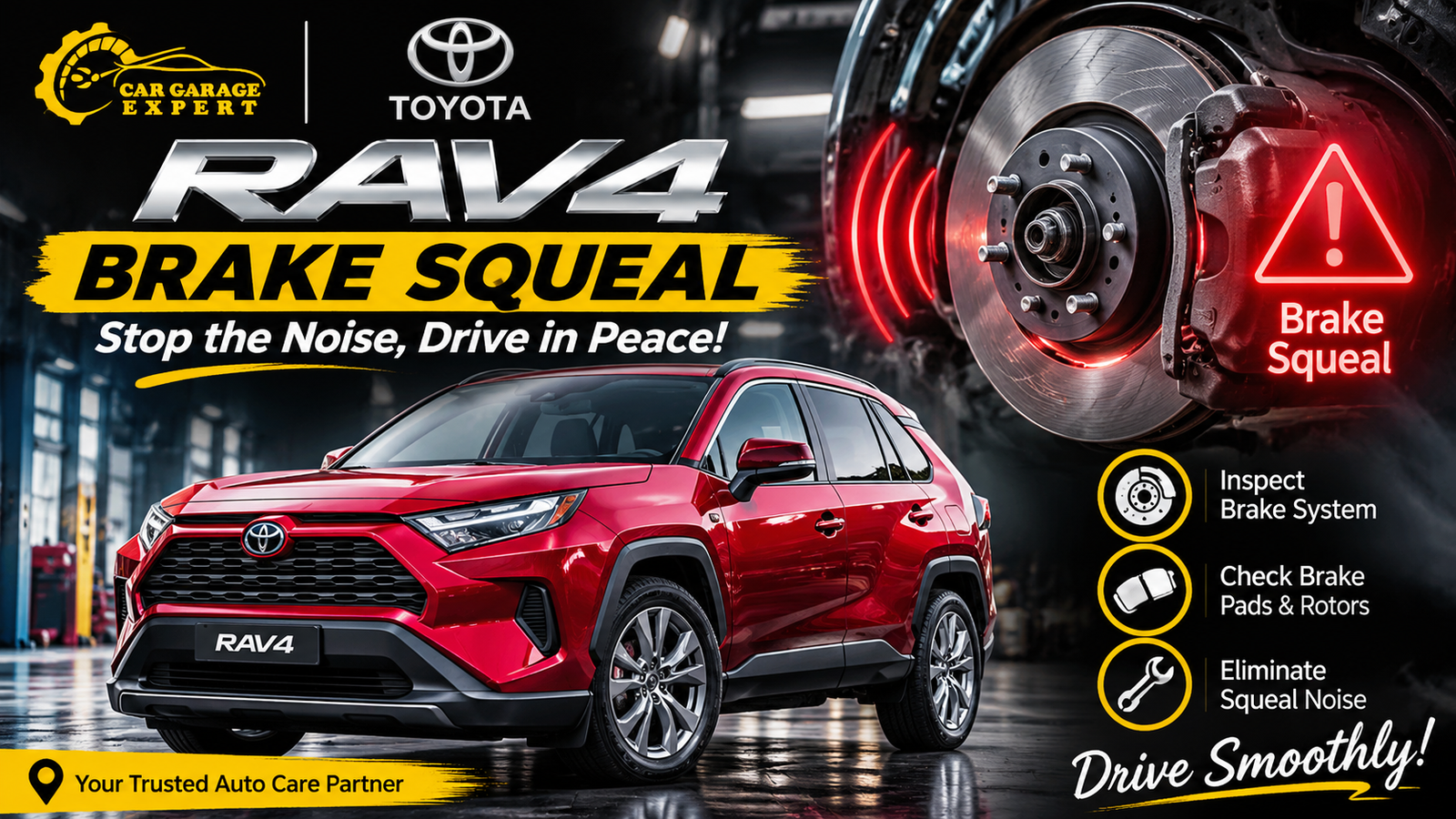
A Toyota RAV4 is designed to deliver dependable performance, comfortable driving and reliable braking. However, even a well-maintained vehicle can develop unusual brake noises over time. One common concern among RAV4 owners is a high-pitched squealing sound when pressing the brake pedal.
A Toyota RAV4 brake squeal should not automatically be considered a serious mechanical failure. Sometimes, the noise comes from accumulated brake dust, moisture or temporary surface conditions. In other situations, it can indicate worn brake pads, damaged rotors or problems with the braking hardware.
Dubai’s driving environment also deserves consideration. Frequent stop-and-go traffic, dusty roads and regular exposure to high temperatures can place additional demands on vehicle components. Understanding the source of the noise helps drivers make informed maintenance decisions.
This guide explains why Toyota RAV4 brakes squeal, which warning signs require attention, how technicians diagnose the problem and what owners can do to maintain dependable braking performance.
What Does Toyota RAV4 Brake Squeal Mean?
Brake squeal is a high-frequency sound produced by vibrations within the braking system. It commonly occurs when the brake pads contact the rotating brake discs, also known as rotors.
During normal braking, the pads create friction against the rotors to slow the vehicle. However, changes in friction, component movement, surface conditions or brake hardware can create vibrations that produce an audible squeal.
The noise may occur during light braking, at low speeds, after the vehicle has been parked or when the brakes are cold.
The pattern of the sound can provide useful diagnostic information:
- Squealing during light braking: May indicate worn pads, pad vibration or an issue with the anti-squeal hardware.
- Noise during the first few stops: May result from temporary moisture or surface rust.
- Continuous squealing: Can indicate worn brake pads, contamination or incorrect component installation.
- Grinding or scraping: May suggest severe pad wear or metal-to-metal contact.
- Squealing accompanied by vibration: May indicate rotor surface problems or uneven brake contact.
Identifying when the noise occurs helps a technician narrow down the possible causes. However, sound alone cannot confirm which component needs repair.
7 Common Causes of Toyota RAV4 Brake Squeal
Several components and operating conditions can contribute to brake noise. The following are common possibilities that a qualified technician should investigate.
1. Worn Brake Pads
Worn brake pads are among the most common reasons for a squealing braking system.
Brake pads contain friction material that gradually becomes thinner through regular use. Many pads include a small metal wear indicator designed to produce a high-pitched noise when the friction material approaches its replacement limit.
This sound warns the driver that the braking system needs inspection. In a Toyota RAV4, worn pads may produce noticeable squealing during gentle braking or when approaching a complete stop.
Ignoring the warning can allow the pads to wear beyond their safe limits. The metal backing may then contact the rotor, damaging its surface and increasing repair costs.
A technician should measure the remaining pad material and inspect both sides of the braking system before recommending replacement.
2. Accumulated Brake Dust and Road Debris
Brake dust develops naturally as friction material wears during braking. Small particles can collect around the pads, calipers and rotor surfaces.
Sand, grit and other road debris may also become trapped between braking components.
This is particularly relevant when a vehicle regularly travels through dusty areas or encounters loose sand.
Dubai drivers may experience these conditions when travelling near construction zones, desert routes or roads with accumulated dust.
Small particles can interfere with smooth contact between the brake pads and rotors, producing squeaking or scraping sounds.
A professional brake inspection can identify contamination and determine whether appropriate cleaning or component replacement is necessary.
3. Glazed Brake Pads or Rotors
Brake glazing occurs when excessive heat changes the surface characteristics of the brake friction material.
Repeated hard braking, prolonged braking on slopes or excessive brake temperatures can contribute to glazing. The affected surfaces may become smooth and hardened, reducing consistent friction between the pads and rotors.
This condition can produce squealing, reduced braking smoothness or inconsistent pedal response. Dubai’s high ambient temperatures do not automatically cause brake glazing. However, demanding driving conditions and repeated heavy braking can increase the thermal load on braking components.
A technician should inspect the pads and rotor surfaces to determine whether cleaning, resurfacing where permitted or replacement is appropriate.
4. Damaged or Worn Brake Rotors
Brake rotors provide the contact surface against which the brake pads operate.
Over time, rotors can develop grooves, uneven wear, surface damage or thickness variations.
These problems can affect how the pads contact the rotor and may create unwanted vibration or noise.
A damaged rotor may also cause:
- Steering wheel vibration during braking.
- Pulsation through the brake pedal.
- Uneven pad wear.
- Scraping or squealing sounds.
- Reduced braking smoothness.
Technicians should measure rotor thickness and compare it with the manufacturer’s minimum specification.
If the rotor is outside the permitted limits or has damage that cannot be safely corrected, replacement may be necessary.
5. Faulty Brake Caliper or Hardware
Brake calipers apply pressure to the brake pads, allowing them to grip the rotors. If a caliper piston sticks or the sliding pins become restricted, the pads may not release correctly after braking.
This can cause continuous friction, excessive heat and uneven pad wear. Other potential sources of noise include damaged clips, loose hardware, incorrectly fitted shims and worn mounting components.
A professional inspection should include the caliper, mounting points, sliding pins, clips and pad movement. Replacing brake pads without addressing an underlying caliper problem may allow the noise and uneven wear to return.
6. Moisture and Surface Rust
A Toyota RAV4 may produce temporary brake noise after being parked for several hours, particularly when moisture has collected on the brake rotors.
A light surface layer of rust can develop on exposed rotor surfaces during periods of inactivity.
The first few brake applications may produce mild scraping or squeaking as the pads clean the surface.
This noise often disappears after normal braking.
However, persistent noise, heavy corrosion or repeated scraping should not be dismissed as harmless surface rust. A technician should inspect the braking components if the sound continues.
7. Incorrect Brake Pad Installation or Poor-Quality Components
Brake pad quality and installation methods can influence braking noise.
Incorrectly fitted pads, damaged anti-squeal shims, missing clips or unsuitable replacement components may create unwanted vibration.
Some aftermarket brake pads may also produce different noise characteristics compared with the original equipment specified for a particular RAV4 model.
Toyota has published technical service information covering front brake squeal on certain 2019–2023 RAV4 and RAV4 Hybrid vehicles in the US market. The bulletin describes a specific condition involving light-to-moderate braking and replacement of front anti-squeal shim kits.
This information does not mean every RAV4 has the same problem or that the US-market procedure automatically applies to UAE vehicles. The correct repair must be confirmed using the vehicle’s model year, specification and diagnostic findings.
How Dubai Driving Conditions Can Affect Toyota RAV4 Brakes
Driving conditions play an important role in brake component wear.
Although the Toyota RAV4 is suitable for everyday urban and highway driving, its braking system still requires regular inspection.
Here are some local driving factors worth considering.
Frequent Stop-and-Go Traffic
Busy roads and changing traffic conditions often require repeated braking.
Frequent braking increases the number of friction cycles experienced by the pads and rotors. Over time, this can contribute to faster component wear, depending on driving habits and operating conditions.
Maintaining a reasonable following distance and avoiding unnecessary hard braking can help reduce excessive brake use.
Dusty and Sandy Roads
Dust and fine particles can enter the wheel and braking area.
When debris becomes trapped between the pads and rotors, it may produce temporary noise or contribute to surface wear.
Drivers who regularly visit dusty locations should pay attention to unusual braking sounds and include brake inspections in their maintenance routine.
High Temperatures and Brake Heat
Dubai experiences high outdoor temperatures during much of the year.
Braking systems also generate considerable heat through friction. Repeated hard braking can increase operating temperatures further.
Excessive heat may contribute to friction material glazing, accelerated wear or other component problems.
Drivers should avoid riding the brakes and should use appropriate engine braking when conditions allow.
Long-Distance Highway Driving
Regular highway driving places different demands on brakes compared with urban driving.
Although braking may be less frequent, higher vehicle speeds require greater energy to be dissipated during a stop.
Maintaining suitable following distances and allowing enough stopping space can reduce unnecessary emergency braking.
Warning Signs That Your Toyota RAV4 Needs Brake Inspection
A squealing sound is not the only indication of a potential braking problem.
RAV4 owners should watch for the following symptoms:
| Warning Sign | Possible Explanation |
| Persistent high-pitched squealing | Worn pads or brake vibration |
| Grinding noise | Severe pad wear or metal contact |
| Brake pedal vibration | Rotor surface or thickness problems |
| Vehicle pulling to one side | Uneven braking or a sticking caliper |
| Burning smell | Excessive brake heat or dragging components |
| Soft or spongy brake pedal | Possible hydraulic or brake-fluid issue |
| Brake warning light | Brake system fault or low brake fluid |
A red brake system warning light, a significant loss of braking performance or a soft pedal requires immediate attention. Stop in a safe location and arrange professional assistance rather than continuing to drive normally.
Even if the vehicle still stops, persistent brake noise should receive a proper inspection.
How Professionals Diagnose Toyota RAV4 Brake Squeal
Correct diagnosis is important because replacing parts without identifying the actual cause can waste money and leave the problem unresolved.
A professional brake inspection generally involves several steps.
Step 1: Discuss the Noise
The technician asks when the sound occurs and whether it changes with vehicle speed, brake pressure or driving conditions.
Information about recent brake repairs and replacement parts can also help.
Step 2: Inspect the Brake Pads
The technician checks pad thickness, surface condition and wear patterns.
Uneven wear may indicate an additional problem involving the caliper or mounting hardware.
Step 3: Examine the Brake Rotors
The rotors are checked for grooves, corrosion, uneven surfaces and other visible damage.
Measurements help establish whether the discs remain within the manufacturer’s permitted specifications.
Step 4: Check Calipers and Hardware
The inspection includes caliper movement, sliding pins, retaining clips, shims and other relevant components.
The technician also checks for signs of sticking or excessive heat.
Step 5: Evaluate the Brake Fluid and Warning Indicators
Brake fluid condition and level are checked as part of the wider brake system inspection.
Electronic brake warnings and relevant diagnostic codes may also need attention, particularly on newer RAV4 Hybrid models.
Step 6: Test the Braking System
After any necessary repairs, the technician performs an appropriate test to confirm that the braking system operates correctly and that the original noise has been addressed.
Effective Repair Solutions for Toyota RAV4 Brake Squeal
The right repair depends on the inspection results rather than the sound alone.
Common solutions include:
- Brake pad replacement: Necessary when friction material reaches its service limit or becomes damaged.
- Rotor replacement: Recommended when discs are excessively worn, damaged or below the specified thickness.
- Brake cleaning: Appropriate when removable dust or debris is contributing to the noise.
- Caliper servicing: Required when restricted movement or sticking components cause uneven contact.
- Shim and hardware replacement: Can resolve vibration-related noise when the relevant components are damaged or incorrectly installed.
- Correct component installation: Ensures replacement parts are compatible with the vehicle and fitted according to the applicable repair procedure.
When replacing brake pads, technicians should follow the vehicle manufacturer’s requirements and inspect the corresponding rotors and hardware.
Brake components should also be replaced in appropriate axle sets to maintain balanced braking performance.
Avoid applying household lubricants or grease to braking surfaces. Friction surfaces must remain clean, and any specialist brake lubricant should only be applied to the specified contact points.
How to Prevent Brake Squealing in Your Toyota RAV4
Preventive maintenance can help reduce unnecessary wear and identify problems before they become more expensive.
Consider the following practices:
- Schedule regular brake inspections: Ask your workshop to check pad thickness, rotor condition and caliper operation during routine servicing.
- Avoid unnecessary hard braking: Maintain a safe following distance and brake smoothly whenever traffic conditions permit.
- Use suitable replacement parts: Select brake pads and rotors that meet the specifications for your particular RAV4.
- Pay attention to unusual sounds: Do not ignore persistent squealing, grinding or changes in brake pedal feel.
- Keep wheels and brake components properly maintained: Have accumulated contamination inspected and cleaned using suitable workshop procedures.
- Follow the recommended service schedule: Refer to the owner’s manual for model-specific maintenance requirements.
- Address problems early: Replacing worn pads at the appropriate time may help prevent unnecessary rotor damage.
The ideal inspection interval depends on the RAV4 model, mileage, driving conditions and manufacturer’s maintenance recommendations.
When Should You Visit a Car Garage in Dubai?
Not every brief squeak requires an emergency repair. However, delaying an inspection when the noise persists can increase the risk of additional damage.
You should arrange a professional brake inspection if:
- Your RAV4 produces repeated squealing during normal braking.
- The noise becomes louder or more frequent.
- You hear grinding or metal scraping.
- The brake pedal vibrates or feels unusually soft.
- Your vehicle pulls to one side when stopping.
- You notice a burning smell around the wheels.
- A brake system warning light appears.
If braking performance is reduced or a serious brake warning appears, stop driving in a safe location and arrange recovery or professional assistance.
Car Garage Expert can use a structured inspection approach to help identify the source of Toyota RAV4 brake noise and determine which repairs are actually necessary. Always request a clear explanation of the findings before approving replacement parts or additional work.
Frequently Asked Questions
1. Why does my Toyota RAV4 squeal when I apply the brakes?
The noise may come from worn brake pads, accumulated dust, rotor surface problems, damaged shims or caliper hardware. Moisture can also cause temporary noise. A physical inspection is necessary to identify the exact cause.
2. Is it safe to drive a Toyota RAV4 with squealing brakes?
It depends on the underlying problem. A brief squeak may result from temporary surface conditions, but persistent squealing can indicate worn pads or other faults. Grinding, reduced braking performance or a brake warning light requires immediate attention.
3. Can Dubai’s dusty conditions cause brake squealing?
Yes. Dust, sand and small particles can enter the braking area and become trapped between the pads and rotors. This contamination may contribute to noise and surface wear, making regular brake inspections important for vehicles exposed to dusty conditions.
4. Do Toyota RAV4 brake pads and rotors need replacement together?
Not always. Brake pads and rotors have different service lives. If the rotors remain within the manufacturer’s specifications and have no unacceptable damage, replacing the pads alone may be appropriate. A technician should inspect and measure both components before recommending repairs.
5. How can I stop my Toyota RAV4 brakes from squealing?
The solution depends on the cause. Cleaning may resolve contamination-related noise, while worn pads, damaged rotors, faulty calipers or incorrect hardware may require repair or replacement. Professional diagnosis is the best way to avoid unnecessary parts replacement.
Conclusion
A Toyota RAV4 brake squeal can develop for several reasons, ranging from temporary moisture and accumulated dust to worn brake pads, damaged rotors and faulty caliper hardware.
For drivers in Dubai, frequent braking, dusty roads and demanding driving conditions make regular brake inspections particularly worthwhile.
The most important step is identifying the actual source of the noise before choosing a repair. Replacing parts without proper diagnosis may not resolve the problem and could lead to unnecessary expenses.
Visit us in our Al Quoz, Dubai branch or visit Car Garage Expert
If your RAV4 continues to produce unusual brake sounds, arrange a professional inspection through Car Garage Expert. Timely attention to brake pads, rotors, calipers and related hardware helps maintain reliable stopping performance and supports safer driving across Dubai.