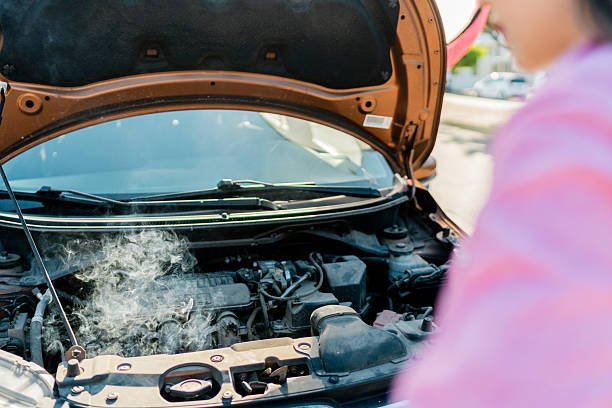
Dubai’s intense summer temperatures place exceptional stress on vehicle cooling systems. When outside temperatures rise, engines must work harder to maintain a safe operating temperature, especially during traffic congestion, long-distance driving, towing, or extended air-conditioning use.
Preventing engine overheating in summer is therefore not simply a matter of comfort. It is essential for protecting the engine, avoiding sudden breakdowns, and reducing the risk of expensive mechanical damage.
A healthy cooling system regulates engine temperature by circulating coolant through the engine and radiator. If coolant levels are low, airflow is restricted, or a component fails, heat can build rapidly. Understanding the warning signs and arranging early inspection can prevent a minor cooling-system issue from becoming a major engine repair.
Preventing Engine Overheating in Summer
Preventing engine overheating in summer requires regular coolant checks, radiator inspections, proper engine-oil levels, and immediate attention to warning lights or rising temperature readings. Dubai’s extreme heat, heavy traffic, and continuous air-conditioning use can expose weaknesses in the radiator, water pump, thermostat, cooling fan, hoses, and coolant system. Never continue driving when the temperature gauge reaches the red zone, or steam appears from the engine bay. Stop safely, switch off the engine, and arrange professional assistance. Routine cooling-system maintenance from Car Garage Expert can reduce breakdown risks and help protect your vehicle throughout Dubai’s hottest months.
Problem Overview
An internal-combustion engine produces significant heat while operating. The cooling system controls this heat by moving coolant through passages inside the engine, transferring the heat to the radiator, and releasing it into the surrounding air.
The main cooling-system components include:
- Radiator
- Coolant reservoir
- Water pump
- Thermostat
- Cooling fans
- Radiator cap
- Coolant hoses
- Temperature sensors
- Engine coolant
- Head gasket
When one of these components becomes damaged, blocked, worn, or inefficient, engine temperature can rise beyond the safe operating range.
Summer conditions make existing weaknesses more noticeable. A vehicle that operates normally during cooler months may begin overheating when exposed to high ambient temperatures, slow-moving traffic, long periods of idling, or repeated short journeys with the air conditioner running continuously.
Overheating can occur gradually or without much warning. In either case, the vehicle should be inspected as soon as possible.
Symptoms of Engine Overheating
Recognizing the early signs can help you stop before serious damage occurs.
Rising Temperature Gauge
The temperature needle may move above its normal position or approach the red zone. Some vehicles display a digital temperature warning instead of a traditional gauge.
A sudden rise usually indicates a significant cooling-system fault. A gradual increase may point to restricted coolant circulation, reduced airflow, low coolant, or a weakening component.
Dashboard Temperature Warning Light
A red or amber temperature symbol may illuminate when the engine becomes too hot. Do not ignore this warning or assume it will disappear.
Steam from the Engine Bay
Steam commonly indicates that coolant is boiling or escaping under pressure. It can resemble smoke but usually has a lighter, mist-like appearance.
Never open the radiator cap while the engine is hot. Pressurized coolant can cause serious burns.
Sweet or Chemical Smell
Engine coolant often has a noticeable sweet or chemical odor. If you smell coolant inside or outside the vehicle, there may be a leak from a hose, radiator, reservoir, heater core, water pump, or connection.
Coolant Under the Vehicle
Green, pink, orange, blue, or yellow fluid beneath the car may indicate a coolant leak. The color depends on the coolant formulation used in the vehicle.
Clear water beneath a parked vehicle can be normal air-conditioning condensation, but coloured or oily fluid requires investigation.
Reduced Air-Conditioning Performance
In some vehicles, the control system may reduce air-conditioning operation when engine temperature becomes excessive. Weak cooling from the cabin vents may therefore accompany an overheating issue.
Loss of Engine Power
The vehicle may enter a protective or reduced-power mode to limit further heat production. Acceleration can become weak, and the engine may feel rough or unresponsive.
Unusual Engine Noise
Knocking, ticking, grinding, or bubbling noises may occur when the engine overheats or coolant circulation becomes irregular.
Common Causes of Engine Overheating
Correct diagnosis is important because overheating can result from several different problems.
Low Coolant Level
Insufficient coolant is one of the most common causes. Coolant may be lost through a visible leak, a damaged radiator cap, an internal engine leak, or gradual evaporation caused by poor system sealing.
Simply topping up the coolant without finding the cause may provide only temporary relief.
Coolant Leaks
Leaks may develop in:
- Radiator tanks or cores
- Upper and lower radiator hoses
- Hose clamps
- Coolant reservoir
- Water-pump seals
- Thermostat housing
- Heater hoses
- Engine gaskets
Small leaks can become worse when system pressure increases during hot-weather driving.
Faulty Thermostat
The thermostat controls coolant flow between the engine and radiator. If it becomes stuck closed, hot coolant cannot circulate correctly, causing a rapid increase in engine temperature.
A thermostat stuck open may also create temperature-control and efficiency problems, although it is less likely to cause immediate overheating.
Radiator Problems
The radiator may be blocked internally by deposits or externally by sand, dust, insects, debris, or damaged fins. Restricted airflow and coolant circulation reduce heat transfer.
Corrosion, cracks, or weakened plastic radiator tanks can also lead to coolant loss.
Cooling-Fan Failure
Electric radiator fans are especially important during idling and low-speed driving. When the vehicle is moving slowly in Dubai traffic, there may not be enough natural airflow through the radiator.
Fan failure may result from a defective motor, relay, fuse, wiring connection, temperature sensor, or control module.
Failing Water Pump
The water pump circulates coolant through the engine. A damaged impeller, worn bearing, leaking seal, or loose drive belt can reduce circulation and cause overheating.
Damaged Radiator Cap
The radiator or expansion-tank cap helps maintain the correct cooling-system pressure. A weak or damaged cap can allow coolant to escape or boil at a lower temperature.
Incorrect Coolant Mixture
Using plain water instead of the correct coolant mixture can reduce boiling protection and increase corrosion. It may also lead to mineral deposits inside the system.
The correct coolant type and concentration should always match the vehicle manufacturer’s specifications.
Low Engine-Oil Level
Engine oil reduces friction and helps control internal heat. Driving with insufficient, contaminated, or unsuitable oil may contribute to excessive engine temperature.
Blown Head Gasket
A damaged head gasket can allow combustion gases to enter the cooling system or coolant to enter the engine cylinders. Possible signs include repeated coolant loss, white exhaust smoke, bubbles in the coolant reservoir, contaminated oil, poor performance, or persistent overheating.
This is a serious fault that requires immediate professional diagnosis.
Diagnostic Process
A proper overheating diagnosis should identify the root cause rather than relying on repeated coolant top-ups.
At Car Garage Expert, the process may include the following steps.
1. Initial Safety Inspection
The technician checks the vehicle for visible leaks, damaged hoses, loose connections, coolant stains, unusual smells, and evidence of previous overheating.
2. Coolant Level and Condition Check
The coolant is inspected only after the engine has cooled. Its level, color, concentration, contamination, and general condition are assessed.
Rusty, oily, muddy, or unusually dark coolant may indicate corrosion, mixed coolant types, internal contamination, or neglected maintenance.
3. Cooling-System Pressure Test
A pressure test helps locate leaks that may not be visible when the engine is cold. It can reveal faults in hoses, radiator seams, the reservoir, pump seals, gaskets, and other pressurized components.
4. Radiator-Cap Test
The cap is checked to confirm that it holds and releases pressure correctly.
5. Cooling-Fan Test
The technician verifies whether the fans activate at the appropriate temperature and when the air conditioner is switched on. Electrical components, relays, fuses, wiring, sensors, and fan motors may also be inspected.
6. Thermostat and Coolant-Circulation Test
Temperature readings can help determine whether the thermostat is opening correctly and whether coolant is moving through the radiator.
7. Water-Pump Inspection
The water pump is checked for leaks, bearing noise, pulley movement, belt problems, and inadequate coolant circulation.
8. Computer Diagnostic Scan
Modern vehicles use temperature sensors and electronic control systems. A diagnostic scan may identify sensor faults, fan-control problems, stored overheating codes, or related engine-management issues.
9. Combustion-Gas or Head-Gasket Test
If an internal engine fault is suspected, the cooling system may be tested for combustion gases. Compression or cylinder-leakage testing may also be required.
Repair Process
The required repair depends on the confirmed cause.
Minor repairs may involve:
- Replacing a radiator cap
- Repairing a loose connection
- Replacing a damaged hose
- Correcting the coolant level
- Replacing a faulty fuse or relay
- Cleaning blocked radiator fins
More extensive repairs may include:
- Thermostat replacement
- Cooling-fan motor replacement
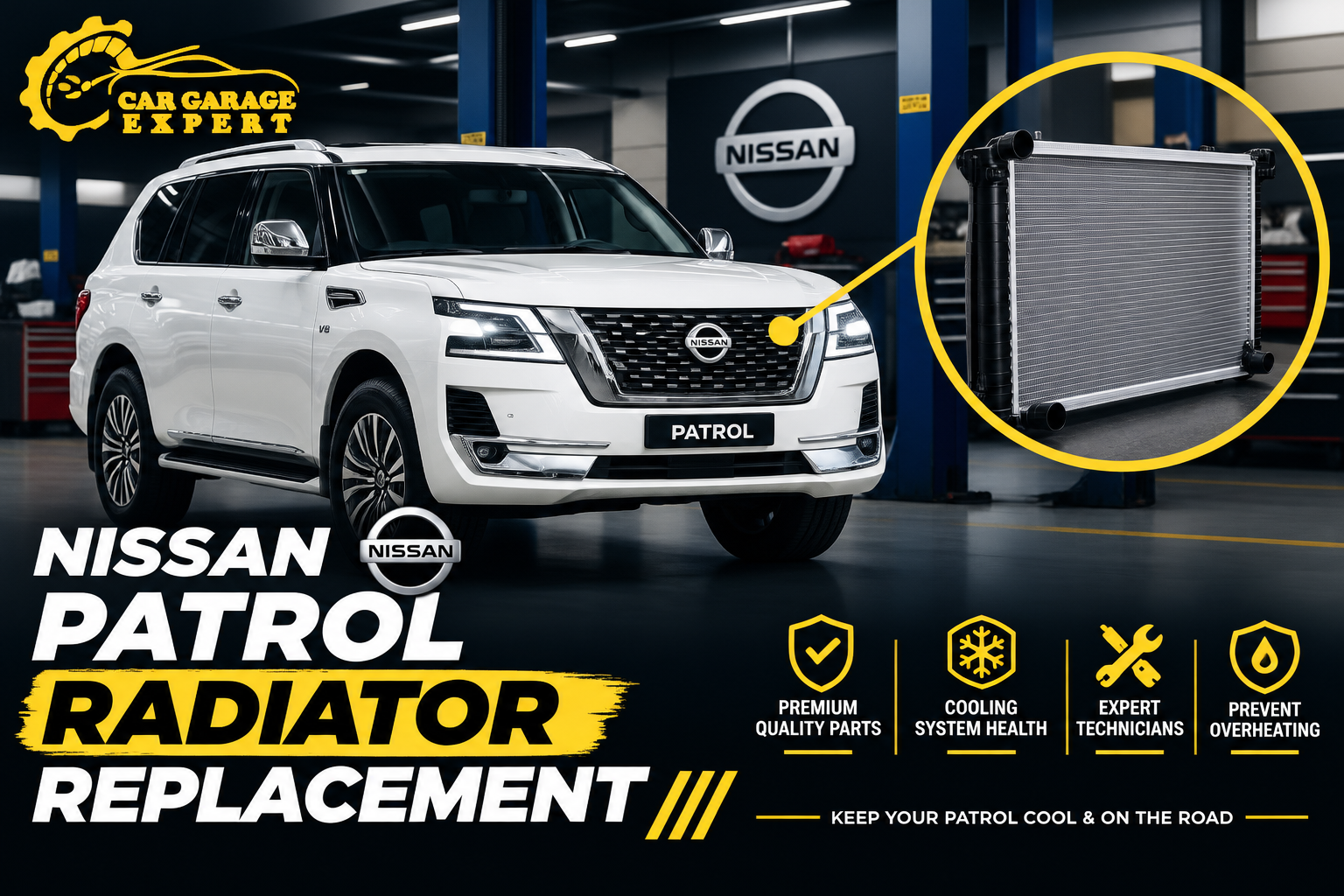
- Radiator repair or replacement
- Water-pump replacement
- Coolant reservoir replacement
- Cooling-system flushing
- Temperature-sensor replacement
- Head-gasket or engine repair
After the faulty component is repaired, the cooling system should be filled with the correct coolant and properly bled. Air trapped inside the system can interfere with circulation and cause repeated overheating.
The vehicle should then be tested under operating conditions to confirm stable temperature, correct fan operation, proper coolant circulation, and the absence of leaks.
Risks of Ignoring the Problem
Continuing to drive an overheating vehicle can turn a relatively manageable repair into severe engine damage.
Potential consequences include:
Warped Cylinder Head
Extreme heat can distort the cylinder head, preventing it from sealing correctly against the engine block.
Blown Head Gasket
Excessive temperature and pressure can damage the head gasket, leading to coolant loss, oil contamination, misfiring, and compression problems.
Cracked Engine Components
The cylinder head or engine block may crack under severe thermal stress.
Piston and Cylinder Damage
Overheating can reduce lubrication and cause internal components to expand beyond their intended tolerances.
Engine Seizure
In extreme cases, moving engine components can lock together, resulting in complete engine failure.
Sudden Roadside Breakdown
An overheating car may lose power or stop unexpectedly, creating safety risks on busy Dubai roads.
Early diagnosis is almost always less disruptive and less expensive than repairing an engine that has been driven while severely overheated.
Can You Continue Driving?
You should not continue driving when the temperature gauge reaches the red zone, a temperature warning appears, coolant is leaking heavily, or steam is coming from the engine compartment.
Take the following steps:
- Move to a safe location as soon as possible.
- Switch off the air conditioner.
- Turn off the engine.
- Keep away from moving traffic.
- Do not open the radiator or coolant cap while the system is hot.
- Allow the engine to cool completely.
- Arrange roadside assistance or professional recovery.
Turning the heater on at maximum temperature may temporarily draw some heat away from the engine, but it is not a repair. It should only be considered while moving a very short distance to a safe stopping point.
Driving with an overheating engine is not worth the risk of catastrophic engine failure.
Repair Time
Repair duration depends on the fault, vehicle design, parts availability, and whether overheating has caused secondary damage.
A basic inspection, pressure test, or coolant correction may be completed relatively quickly. Replacing an accessible hose, cap, sensor, or relay may also require limited workshop time.
Thermostat, radiator, fan, or water-pump replacement can take longer because surrounding components may need to be removed. Some water pumps are driven by the timing belt or timing chain system, making the repair more complex.
Head-gasket or internal engine repairs require significantly more labor because the engine must be partially dismantled, inspected, measured, repaired, and reassembled.
A reliable workshop should diagnose the fault before providing a repair-time estimate.
Cost Factors
The cost of an overheating repair in Dubai varies according to several factors:
- Vehicle make and model.
- Engine type and size
- Location of the faulty component
- Price and availability of replacement parts
- Genuine, OEM, or approved aftermarket part selection
- Labor required for access and installation
- Amount and specification of coolant
- Need for system flushing or cleaning.
- Electrical diagnostic requirements
- Damage caused by continued driving
- Requirement for cylinder-head or engine work
A minor hose or cap problem will generally cost considerably less than radiator, water-pump, head-gasket, or engine repair.
Accurate pricing should follow an inspection. Replacing parts without confirming the cause can increase costs without resolving the overheating issue.
Prevention Tips
Preventing engine overheating in summer starts with routine maintenance and careful attention to changes in vehicle behavior.
Check Coolant Regularly
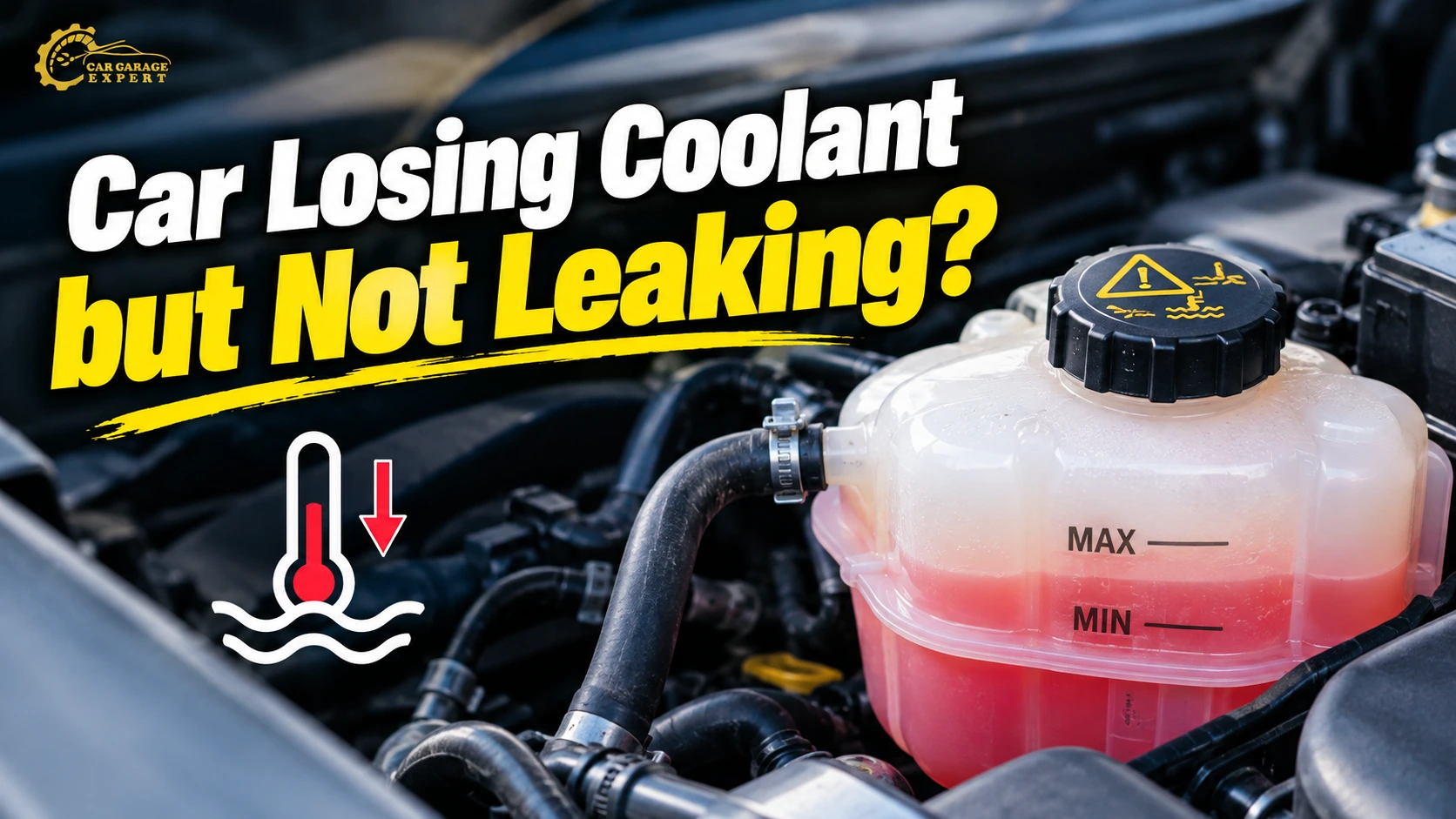
Inspect the coolant reservoir when the engine is cold. The level should remain between the minimum and maximum marks.
Repeated coolant loss indicates a fault and should not be treated as normal.
Use the Correct Coolant
Use the coolant specification recommended by the vehicle manufacturer. Avoid mixing incompatible coolant types unless approved.
Plain tap water should not be used as a permanent substitute because it lacks proper corrosion, boiling, and deposit protection.
Inspect Hoses and Connections
Look for swelling, cracks, hardening, soft spots, staining, or wet areas around hoses and clamps.
Service the Cooling System
Coolant degrades over time. Follow the manufacturer’s replacement interval and arrange a cooling-system flush when required.
Keep the Radiator Clean
Dust, sand, debris, and insects can reduce airflow through radiator and condenser fins. Cleaning must be performed carefully to avoid bending the delicate fins.
Test Cooling Fans
Pay attention to engine temperature during idling and slow traffic. A vehicle that overheats mainly when stationary may have a fan or airflow problem.
Maintain the Engine Oil
Check the engine-oil level and follow the correct oil-change schedule. Use the manufacturer-approved oil grade.
Inspect Belts
Some water pumps depend on an auxiliary belt or timing system. Worn, loose, or damaged belts can affect coolant circulation.
Avoid Overloading the Vehicle
Heavy loads, towing, steep inclines, and aggressive acceleration increase engine heat. Ensure the cooling system is in good condition before demanding journeys.
Respond to Warning Signs Immediately
Do not wait for steam or a complete breakdown. A slightly rising temperature gauge, coolant smell, warning light, or small leak deserves prompt attention.
Dubai-Specific Advice
Dubai’s climate and driving conditions require a more proactive approach to cooling-system maintenance.
Inspect the Vehicle Before Peak Summer
Arrange an inspection before the hottest part of the year. A pre-summer check should include coolant condition, radiator performance, fan operation, hoses, belts, the thermostat, water pump, and engine-oil level.
Expect Extra Stress in Traffic
Slow-moving traffic reduces natural airflow through the radiator. The cooling fans must work correctly to maintain a safe temperature while the vehicle is stationary or moving slowly.
Monitor Temperature During Long Idling
Waiting in a parked vehicle with the engine running and the air conditioner operating places additional load on the cooling system. Watch the temperature gauge and avoid unnecessary extended idling.
Remove Sand and Dust Accumulation
Fine dust can collect around the radiator, condenser, grille, and cooling components. Periodic professional cleaning helps preserve airflow without damaging the fins.
Prepare for Long Journeys
Before traveling from Dubai to another emirate or taking a long motorway journey, check coolant, oil, tires, and warning lights. Carry emergency water for personal use, but do not pour cold water into a hot engine.
Do Not Leave Minor Leaks Unrepaired
A small leak can become a major failure under summer heat and pressure. Coolant stains or repeated top-ups should be investigated promptly.
Use a Trusted Dubai Workshop
Vehicle cooling systems vary considerably. Professional testing is safer and more effective than replacing parts based on assumptions.
Why Choose Car Garage Expert?
Car Garage Expert helps Dubai motorists diagnose and resolve cooling-system problems before they lead to major engine damage. Our approach focuses on accurate fault identification, transparent recommendations, and repairs suited to the vehicle’s specific requirements.
Customers can rely on Car Garage Expert for:
- Comprehensive overheating diagnostics
- Cooling-system pressure testing
- Radiator inspection and replacement
- Coolant-leak detection
- Thermostat replacement
- Water-pump inspection and repair
- Cooling-fan diagnosis
- Hose and belt inspection
- Coolant flushing and replacement
- Temperature-sensor testing
- Preventive summer vehicle checks
- Clear repair recommendations
Rather than simply topping up coolant, our technicians work to identify why the level dropped or why the engine temperature increased.
Frequently Asked Questions
What is the most common cause of engine overheating in summer?
Low coolant is one of the most common causes, but the coolant loss may be the result of a leaking hose, radiator, water pump, reservoir, cap, or internal engine fault. A professional inspection is needed to identify the source.
Can extreme Dubai heat cause a healthy car to overheat?
A properly maintained vehicle should regulate its temperature even in hot weather. However, extreme heat can expose weak components, restricted airflow, low coolant, worn fans, or reduced radiator efficiency.
Should I add coolant while the engine is hot?
No. Opening a pressurized cooling system while it is hot can release boiling coolant and steam. Wait until the engine has cooled completely before checking the coolant level.
Can I use water instead of coolant?
Water may be used only as an emergency measure when the manufacturer permits it, and no suitable coolant is available. It should not be treated as a permanent replacement. The system should be corrected with the proper coolant mixture as soon as possible.
Why does my car overheat only in traffic?
Overheating during slow traffic or idling often indicates insufficient airflow through the radiator. Possible causes include a failed cooling fan, fan relay, fuse, sensor, wiring fault, blocked radiator, or damaged fan shroud.
Why does my vehicle overheat when the air conditioner is on?
The air-conditioning system adds heat in front of the radiator and increases engine load. If the cooling system is weak or the fans are not working correctly, the additional load can cause the temperature to rise.
Can low engine oil cause overheating?
Yes. Low or degraded oil increases friction and reduces heat control inside the engine. However, overheating may still involve a separate cooling-system fault.
How often should engine coolant be replaced?
Replacement intervals vary by manufacturer, coolant type, vehicle age, and operating conditions. Follow the service schedule in the owner’s manual and have the coolant tested during routine maintenance.
Is a coolant flush always necessary after an overheating repair?
Not always, but it may be recommended if the coolant is contaminated, old, mixed incorrectly, or affected by rust and deposits. The system must also be refilled and bled correctly after many repairs.
Can overheating damage the transmission?
Severe engine overheating can contribute to wider thermal stress, especially in vehicles where transmission fluid is cooled through the radiator. The exact risk depends on the vehicle’s cooling design.
What should I do if my temperature warning light comes on?
Stop in a safe place, switch off the engine, and allow it to cool. Do not open the cooling system while it is hot. Arrange professional assistance if the cause is unknown or the warning returns.
Is it safe to drive after topping up the coolant?
Only if the engine has cooled, the correct coolant has been added, there is no major leak, and the temperature remains stable. Because coolant loss usually has an underlying cause, the vehicle should still be inspected.
Conclusion
Preventing engine overheating in summer is one of the most important maintenance priorities for drivers in Dubai. High temperatures, congestion, continuous air-conditioning use, dust, and long periods of idling can place sustained pressure on the radiator, fans, coolant, thermostat, water pump, hoses, and related components.
Regular inspections and early repairs can prevent roadside breakdowns, protect engine performance, and reduce the likelihood of major mechanical damage. Never ignore a rising temperature gauge, warning light, coolant smell, visible leak, or steam from the engine bay.
Book Your Cooling-System Inspection with Car Garage Expert
Do not wait for your engine to overheat in Dubai traffic.
Contact Car Garage Expert today to schedule a complete cooling-system inspection, coolant-leak diagnosis, radiator service, or preventive summer vehicle check. Our technicians will identify the cause, explain the recommended repair, and help keep your vehicle operating safely in Dubai’s demanding summer conditions.
Book your appointment with Car Garage Expert now and protect your engine before the next temperature warning becomes an expensive breakdown.
Visit us in our Al Quoz, Dubai branch or visit Car Garage Expert