Quick Answer: What Causes Range Rover Gearbox Problems?
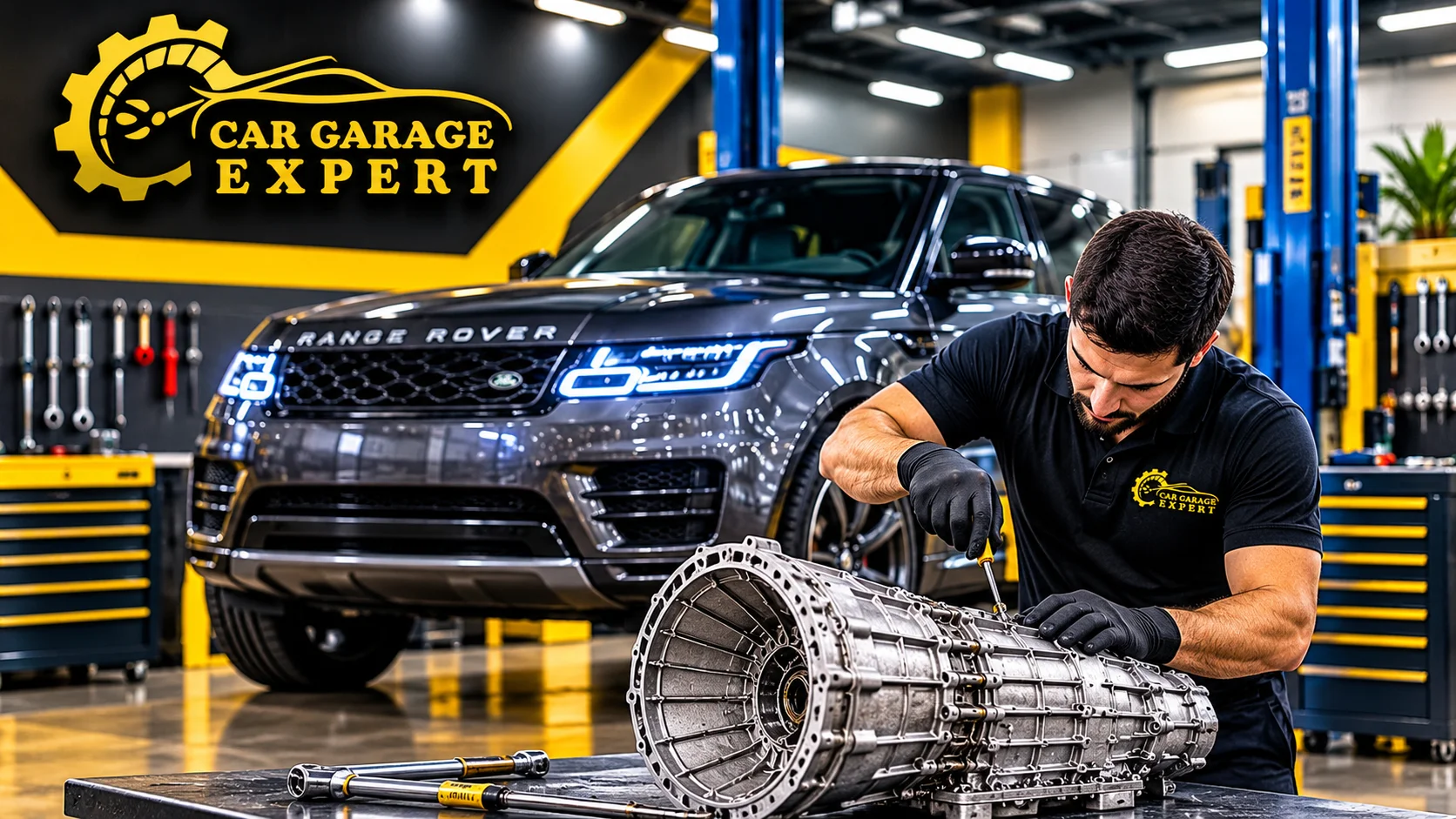
Range Rover gearbox problems can cause sudden jerking, delayed shifting and rough gear changes. Common causes include low transmission fluid, worn clutch components, faulty sensors, damaged gearbox mounts and software issues. These faults can affect how smoothly your vehicle changes gears. Dubai’s hot weather and heavy traffic can also increase transmission stress. If your Range Rover jerks during acceleration or when selecting drive, arrange a professional inspection. Early diagnosis helps prevent further damage and may save you from expensive gearbox repairs.
Table of Contents
- Range Rover Gearbox Problems: Why Does It Happen?
- Common Causes of Gearbox Jerking in Range Rover
- Warning Signs Your Range Rover Gearbox Problems Need Repair
- How Do We Diagnose Gearbox Faults?
- How Are Range Rover Gearbox Problems Fixed?
- How Long Does Gearbox Repair Take?
- What Happens If You Ignore Gearbox Jerking?
- Can You Drive With a Jerking Gearbox?
- How Much Does Gearbox Repair Cost in Dubai?
- How Can You Prevent Future Gearbox Problems?
- Why Choose Car Garage Expert for Range Rover Gearbox Problems Repair?
- Frequently Asked Questions
Range Rover Gearbox Problems: Why Does It Happen?
A Range Rover should change gears smoothly without sudden movements. If your vehicle jerks when shifting, the transmission may not be working correctly.
The gearbox controls how engine power reaches the wheels. It uses several mechanical and electronic parts to select the right gear at the right time.
When one of these parts fails, you may feel a sudden push or vibration during gear changes.
Several Range Rover gearbox problems can develop slowly. You may first notice a small jerk when moving from first to second gear. Later, the vehicle may struggle to shift into higher gears.
You may notice the problem in these situations:
- During acceleration: The vehicle jerks when moving between gears.
- When slowing down: You feel a sudden push during downshifting.
- When selecting Drive: The gearbox takes longer to engage.
- In heavy traffic: Frequent gear changes make the problem more noticeable.
- During cold starts: Gear changes may feel rough before the vehicle warms up.
The exact cause depends on your Range Rover model, gearbox type, mileage and maintenance history.
Common Causes of Gearbox Jerking in Range Rover
Several mechanical and electronic faults can affect transmission performance. Finding the real cause is important before replacing any parts.
Here are the most common reasons your Range Rover may jerk when changing gears.
1. Low or Dirty Transmission Fluid
Transmission fluid lubricates moving parts and maintains hydraulic pressure. It also helps the gearbox work smoothly.
Low or dirty fluid can affect gear engagement and cause sudden movements.
Common symptoms include:
- Delayed gear changes.
- Rough shifting.
- Unusual transmission noise.
- Jerking during acceleration.
- Fluid leaks under the vehicle.
A technician should inspect the fluid level, condition and possible leaks. Always use the correct fluid for your specific gearbox.
2. Worn Clutch Components
Some Range Rover transmission systems use clutch components that can wear over time.
Worn parts may struggle to connect and disconnect smoothly. This can cause slipping, vibration and sudden jerking.
You may also notice that the engine speed increases without proper acceleration.
A professional inspection can confirm whether the clutch components need repair or replacement.
3. Faulty Transmission Control Module
The transmission control module manages electronic gear selection.
It receives information from different sensors and controls when the gearbox changes gears.
If the module develops a fault or receives incorrect information, shifting may become rough.
You may experience:
- Unexpected gear changes.
- Delayed gear engagement.
- Sudden jerking.
- Transmission warning messages.
- Poor acceleration.
A diagnostic scan can help identify electronic faults before any repair begins.
4. Damaged Gearbox Mounts
Gearbox mounts hold the transmission in place. They also reduce movement and vibration.
When these mounts weaken or are damaged, the gearbox may move more than normal.
This can cause a noticeable clunk when shifting from Reverse to Drive.
Damaged mounts can also create vibration during acceleration.
5. Faulty Speed Sensors
Speed sensors send important information to the transmission control system.
The gearbox uses this information to decide when to change gears.
A faulty sensor may send incorrect readings. As a result, the transmission may shift too early or too late.
A technician can use diagnostic equipment to check sensor readings and related wiring.
6. Software or Adaptation Problems
Modern Range Rover vehicles use advanced software to manage transmission performance.
Sometimes, software issues or incorrect transmission adaptations can affect shifting quality.
A suitable software update or adaptation procedure may solve certain problems.
However, technicians should check the fault codes and vehicle-specific service information before changing software settings.
7. Internal Gearbox Damage
Internal transmission components can wear or become damaged over time.
Possible faults include:
- Worn clutch packs.
- Damaged gears.
- Faulty valve body components.
- Worn bearings.
- Internal pressure problems.
These faults can cause serious shifting problems.
Some Range Rover gearbox problems require specialist internal testing before the technician can recommend a repair.
Common Causes And Their Effects
|
Common Cause |
How it Affects the Gearbox |
|---|---|
|
Low transmission fluid |
Reduces hydraulic pressure |
|
Dirty transmission fluid |
Affects smooth gear engagement |
|
Worn clutch components |
Causes slipping and rough shifts |
|
Faulty control module |
Leads to incorrect gear selection |
|
Damaged gearbox mounts |
Causes movement and vibration |
|
Faulty speed sensors |
Send incorrect speed information |
|
Software problems |
Affect shifting behaviour |
|
Internal gearbox damage |
Causes serious transmission faults |
Warning Signs Your Range Rover Gearbox Needs Repair
Your gearbox may show warning signs before a major failure. Recognizing these symptoms can help you arrange repairs early.
Delayed Gear Engagement
You move the selector into Drive, but the vehicle takes a few seconds to respond.
This may point to low fluid pressure or an internal transmission fault.
Sudden Jerking During Acceleration
The vehicle gives a sudden push when changing gears.
This can happen because of clutch wear, sensor faults or transmission pressure problems.
Gear Slipping
The engine speed rises, but the vehicle does not accelerate as expected.
This may mean the gearbox cannot hold the selected gear properly.
Unusual Grinding or Clunking Noises
Grinding, whining or knocking sounds may indicate worn transmission components or damaged mounts.
Do not ignore new or repeated noises.
Transmission Warning Light
A gearbox warning message on your dashboard means the transmission system needs attention.
The vehicle may also enter a reduced-performance mode to help protect its components.
How Do We Diagnose Gearbox Faults?
A correct diagnosis helps identify the exact reason behind rough shifting. Replacing parts without testing can waste time and money.
At Car Garage Expert, a professional gearbox inspection should include these steps.
1. Initial Vehicle Inspection
The technician checks the gear selector, dashboard warnings, visible leaks and reported driving symptoms.
They may also ask when the jerking started and whether it happens when the vehicle is hot or cold.
2. Computer Diagnostic Scan
A suitable diagnostic tool reads stored transmission fault codes.
This helps identify possible sensor, control module and communication problems.
3. Transmission Fluid Inspection
The technician checks the fluid level and condition using the correct procedure for your gearbox.
They also inspect for leaks around the transmission and cooler pipes.
4. Gearbox Mount Inspection
The technician checks the mounts for cracks, loose fittings and excessive movement.
Damaged mounts can cause jerking that feels similar to a transmission fault.
5. Controlled Road Test
A road test helps the technician understand when the jerking happens.
They check gear changes during acceleration, braking and normal driving.
6. Internal Component Testing
If the problem continues, further testing may be needed.
The technician may inspect the valve body, clutch packs and other internal parts.
How Are Range Rover Gearbox Problems Fixed?
The correct repair depends on the actual fault. Some issues need basic maintenance, while others require specialist transmission work.
Here are common repair solutions.
Transmission Fluid Replacement
If the fluid is old or contaminated, a technician may recommend a fluid service.
The technician should use the correct fluid and follow the manufacturer’s filling procedure.
They should also inspect and repair any fluid leaks.
Gearbox Sensor Replacement
A faulty speed sensor may need replacement.
This can restore accurate information to the transmission control system.
Gearbox Mount Replacement
Damaged mounts should be replaced to reduce excessive movement and vibration.
This may also remove clunking sounds during gear changes.
Software Update and Adaptation
The technician may check for available software updates or perform the required adaptation procedure.
This can help correct certain electronic shifting issues.
Valve Body or Clutch Repair
If internal clutch components or the valve body are damaged, specialist repairs may be necessary.
The technician should inspect the affected parts before recommending replacement.
Complete Gearbox Repair or Replacement
Severe internal damage may require a gearbox rebuild or replacement.
A specialist should compare both options and explain the expected cost before starting work.
How Long Does Gearbox Repair Take?
Repair time depends on the fault, Range Rover model and availability of replacement parts.
The following table provides general estimates.
|
Repair Type |
Estimated Repair Time |
|---|---|
|
Initial gearbox inspection |
30–60 minutes |
|
Computer diagnostic scan |
30–60 minutes |
|
Transmission fluid service |
1–3 hours |
|
Speed sensor replacement |
1–3 hours |
|
Gearbox mount replacement |
2–4 hours |
|
Software update and adaptation |
1–2 hours |
|
Valve body repair |
1–2 working days |
|
Internal gearbox repair |
2–5 working days |
|
Gearbox replacement |
2–4 working days |
These are general estimates, not fixed timings. Complex repairs may take longer.
What Happens If You Ignore Gearbox Jerking?
Ignoring transmission problems can turn a small fault into a major repair.
Here are some possible risks.
More Internal Wear
A faulty component can place extra stress on other transmission parts.
This may increase internal damage over time.
Poor Acceleration
The vehicle may struggle to respond when you press the accelerator.
This can make driving less comfortable and less predictable.
Gear Slipping
The gearbox may fail to hold the selected gear.
This can affect vehicle control, especially when joining busy roads.
Higher Repair Costs
Small faults may become more expensive if you delay inspection.
Early repairs can help prevent further damage.
Unexpected Vehicle Breakdown
A serious transmission fault may stop your vehicle from moving.
Ignoring Range Rover gearbox problems can leave you stranded and require vehicle recovery.
Can You Drive With a Jerking Gearbox?
It depends on how severe the problem is.
If the vehicle jerks slightly once, arrange an inspection soon and monitor its behavior.
However, stop driving if you notice:
- Severe jerking during gear changes.
- A burning smell from the transmission.
- Loud grinding or knocking sounds.
- Major transmission fluid leaks.
- Loss of drive or serious gear slipping.
- A gearbox warning message with poor vehicle performance.
Continuing to drive with these symptoms may increase transmission damage.
If your Range Rover cannot move safely, contact a professional recovery service or roadside assistance provider.
You can also search for a reliable garage near me to arrange a gearbox inspection.
How Much Does Gearbox Repair Cost in Dubai?
Gearbox repair costs vary depending on the vehicle model and the type of damage.
A fluid service usually costs less than repairing internal transmission components.
Several factors affect the final gearbox repair price.
|
Cost Factor |
How it Affects the Price |
|---|---|
|
Range Rover model |
Different models use different gearbox systems |
|
Fault severity |
Major damage increases repair costs |
|
Parts quality |
Genuine and aftermarket parts have different prices |
|
Labour charges |
Complex repairs require more working hours |
|
Diagnostic work |
Difficult faults may need extra testing |
|
Software requirements |
Programming may add to the cost |
|
Parts availability |
Imported parts may increase expenses |
Always request a proper inspection and written quotation before approving repairs.
How Can You Prevent Future Gearbox Problems?
Good maintenance can help your Range Rover gearbox last longer.
Follow these simple tips to protect your transmission.
Check Transmission Fluid
Follow the service schedule for your specific model. Ask a technician to inspect the fluid condition and check for leaks.
Avoid Aggressive Acceleration
Smooth driving reduces unnecessary stress on transmission components.
Avoid sudden acceleration whenever possible.
Do Not Overload Your Vehicle
Excessive weight can place extra pressure on the transmission.
Follow your vehicle’s recommended load limits.
Fix Leaks Early
Never ignore fluid spots under your vehicle.
A tiny leak might cause low fluid levels and poor gearbox performance.
Follow the Correct Service Schedule
Use the recommended transmission fluid and maintenance procedure for your Range Rover.
Pay Attention to Warning Lights
Arrange an inspection when transmission warnings appear.
Do not wait for the vehicle to stop changing gears properly.
Dubai’s hot climate and stop-and-go traffic can place extra stress on transmission systems. Regular checks are especially important for vehicles driven daily in busy areas.
Why Choose Car Garage Expert for Range Rover Gearbox Repair?
Range Rover vehicles need specialist care, especially when the transmission starts jerking or changing gears roughly.
Car Garage Expert provides professional vehicle inspection and repair support for drivers in Dubai.
Here is why choosing an experienced garage matters.
Professional Gearbox Diagnostics
Proper diagnostic testing helps identify mechanical and electronic transmission faults.
Experienced Technicians
Skilled technicians can inspect different gearbox components and recommend suitable repairs.
Careful Vehicle Inspection
The inspection can cover fluid condition, sensors, mounts, wiring and internal components.
Quality Replacement Parts
Using suitable replacement parts helps maintain reliable transmission performance.
Clear Repair Recommendations
You should understand the fault, repair options and expected costs before approving any work.
At Car Garage Expert, the focus is on finding the actual cause instead of replacing parts without proper testing.
If you notice Range Rover gearbox problems, arrange an inspection before the fault becomes more serious.
Whether you need gearbox diagnostics, transmission repair or roadside assistance, professional support can help you get back on the road safely.
Frequently Asked Questions
Why Does My Range Rover Jerk?
Low transmission fluid, worn clutch parts, faulty sensors or internal gearbox damage can cause jerking.
Can Low Gearbox Fluid Cause Jerking?
Yes. Low fluid can reduce hydraulic pressure and affect smooth gear changes.
Is Range Rover Gearbox Repair Expensive?
The cost depends on the model, fault severity, replacement parts and labor required.
How Long Does Gearbox Repair Take?
Minor repairs may take a few hours. Major gearbox repairs can take several working days.
Can I Drive With Gearbox Jerking?
Avoid driving if jerking is severe or comes with slipping, warning lights or unusual noises.
Does Dubai Heat Affect Gearbox Performance?
Yes. High temperatures and heavy traffic can increase transmission stress and affect fluid performance.
When Should I Service My Range Rover Gearbox?
Follow the maintenance schedule for your specific model. Arrange an inspection if you notice unusual shifting.
Final Call-to-Action: Get Your Range Rover Gearbox Problems Checked Today
A jerking gearbox is not something you should ignore. Early diagnosis can help protect important transmission components and reduce the risk of expensive repairs.
If your Range Rover struggles when changing gears, contact Car Garage Expert for professional inspection and repair support in Dubai.
Do not wait until a small transmission issue becomes a major breakdown. Get the right diagnosis and keep your Range Rover performing smoothly.
Visit Car Garage Expert in Dubai: