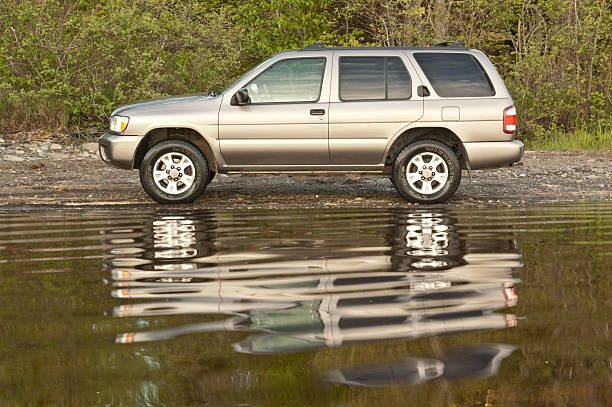
Your Nissan’s brakes protect you, your passengers, and other road users every time you drive. When the brake pedal feels different, you hear an unusual noise, or your car takes longer to stop, delaying an inspection can turn a small repair into a serious safety problem.
Car Garage Expert provides Nissan brake repair in Dubai for drivers dealing with worn brake pads, damaged discs, brake fluid problems, sticking calipers, warning lights, and other braking faults. A proper inspection helps identify the real cause before any parts are replaced.
Dubai driving can place heavy demand on a vehicle’s braking system. Daily traffic, sudden stops, high road temperatures, long-distance driving, and the weight of larger Nissan SUVs can all affect brake performance. Regular checks help your Nissan stop smoothly and reduce the risk of expensive damage.
Professional Nissan Brake Repair in Dubai
A complete brake service involves more than replacing brake pads. Modern Nissan vehicles use several connected components, including pads, discs, calipers, brake fluid, sensors, hoses, the master cylinder, and the anti-lock braking system.
When one component develops a fault, it can affect the performance of the entire braking system. For example, a sticking caliper may cause one brake pad to wear faster than the other. A damaged rotor may cause vibration. Old brake fluid may create a soft or weak pedal.
Nissan lists warning lights, squealing or grinding sounds, pulling during braking, and longer stopping distances among the main signs that a braking system needs attention.
At Car Garage Expert, the repair process should begin with inspection and testing. This prevents unnecessary part replacement and helps you understand what your Nissan actually needs.
Signs Your Nissan Brakes Need Repair
Your Nissan often gives warning signs before the braking system develops a major fault. Paying attention to these changes can help you arrange a repair before the car becomes unsafe to drive.
1. Squeaking or Squealing When Braking
A high-pitched squeaking sound may come from brake pad wear indicators. These indicators are designed to create noise when the friction material becomes thin.
Occasional light noise after washing the car or driving through water may disappear quickly. However, repeated squealing during normal braking should be inspected.
The cause may include:
- Worn brake pads
- Glazed pad material
- Dust between the pad and disc
- Low-quality brake components
- Uneven pad contact
- A sticking brake caliper
Replacing worn pads early may help protect the brake discs from damage.
2. Grinding Noise From the Wheels
A grinding or scraping sound is more serious than a light squeak. It may mean that the brake pad material has worn away and the metal backing plate is touching the disc.
Continuing to drive in this condition can damage the brake rotors and increase repair costs. Grinding may also be caused by a damaged caliper, loose brake hardware, or debris trapped near the rotor.
Park the vehicle safely and arrange a Nissan brake inspection as soon as possible.
3. Brake Warning Light on the Dashboard
A brake warning light may appear because of low brake fluid, worn pads, a parking brake issue, a sensor fault, or a hydraulic system problem.
An ABS warning light points to a possible issue with the anti-lock braking system. The standard brakes may still operate, but the anti-lock function may not work correctly during emergency braking.
Do not ignore either warning light. A diagnostic scan and physical inspection are needed to identify the exact fault.
4. Vibration While Braking
A pulsing brake pedal or shaking steering wheel may be caused by uneven brake rotor thickness. Nissan explains that rotor thickness variation can push back against the brake fluid as the disc rotates, creating pulsation in the pedal and vibration through the steering wheel or seats.
Other possible causes include:
- Damaged brake discs
- Uneven pad deposits
- Loose suspension components
- Wheel alignment problems
- Incorrect wheel-bolt tightening
- A sticking caliper
The technician should measure the rotors rather than assuming they need replacement.
5. Nissan Pulls to One Side When Braking
If your car moves left or right when you press the brake pedal, the braking force may not be equal on both sides.
Common causes include:
- A seized brake caliper
- Uneven brake pad wear
- Contaminated brake material
- A damaged brake hose
- Uneven tyre pressure
- Suspension or alignment problems
Pulling can make the vehicle harder to control, especially during sudden braking or at higher speeds.
6. Soft or Spongy Brake Pedal
A soft brake pedal may sink farther than normal before the car begins to slow down. This can be caused by air in the hydraulic system, old brake fluid, a fluid leak, a damaged hose, or a failing master cylinder.
A pedal that suddenly becomes soft should be treated as urgent. If braking performance feels weak, do not continue driving unnecessarily.
7. Hard Brake Pedal
A brake pedal that becomes unusually hard may indicate a brake booster, vacuum line, or vacuum pump problem.
You may need to press the pedal with much more force to stop the car. The brakes may still work, but the increased effort can reduce your ability to react quickly in traffic.
8. Burning Smell Near a Wheel
A strong burning smell after normal driving may indicate an overheated brake. A sticking caliper can keep the pad pressed against the rotor even when you release the pedal.
Other signs may include:
- One wheel feeling much hotter
- Smoke near the wheel
- Reduced acceleration
- Poor fuel economy
- The car pulling to one side
- Rapid brake pad wear
Stop in a safe location and allow the components to cool. Do not touch the wheel or brake parts because they may be extremely hot.
9. Longer Stopping Distance
Your Nissan should slow down in a controlled and predictable way. If it takes longer to stop, the vehicle may have worn pads, overheated brakes, old fluid, damaged discs, poor tyres, or a hydraulic fault.
A longer stopping distance is not something to monitor for several weeks. Arrange an inspection before the problem becomes worse.
Nissan Brake Repair Services We Provide
A Nissan brake service should be based on the condition of the complete system. Replacing one visible part without checking related components can allow the original problem to return.
Nissan Brake Inspection
A brake inspection may include checking:
- Front and rear brake pad thickness
- Brake disc condition and thickness
- Brake fluid level and condition
- Brake fluid leaks
- Brake caliper operation
- Brake hoses and metal lines
- ABS warning lights and fault codes
- Parking brake operation
- Master cylinder performance
- Brake pedal feel
- Brake noise and vibration
Nissan’s own inspection guidance includes checking brake fluid, looking for leaks, evaluating rotors or drums, and measuring brake pad thickness.
Nissan Brake Pad Replacement
Brake pads press against the rotating discs to create the friction needed to slow the vehicle. The rotors then help manage and release the heat created during braking.
Brake pads wear gradually and must be replaced before the friction material becomes too thin. The replacement interval depends on your Nissan model, driving style, vehicle weight, traffic conditions, and the quality of the pads.
- Removing the worn pads
- Inspecting the brake discs
- Checking caliper movement
- Cleaning the pad contact areas
- Inspecting clips and hardware
- Installing suitable replacement pads
- Testing brake operation
- Performing a road test where appropriate
Both sides of the same axle should normally be serviced together to maintain balanced braking.
Nissan Brake Disc Repair and Replacement
Brake discs are also known as rotors. They can develop grooves, heat spots, corrosion, cracking, or uneven thickness.
Not every marked rotor needs immediate replacement. The technician should measure its thickness and compare it with the permitted minimum. Nissan states that rotors should be replaced before reaching the minimum thickness marked on the casting and should not be machined below that limit.
- Below minimum thickness
- Deeply scored
- Cracked
- Heavily corroded
- Heat damaged
- Causing severe vibration
- Unevenly worn
- Contaminated beyond cleaning
Installing new pads on badly damaged discs may cause noise, poor pad contact, and early wear.
Brake Caliper Repair
The brake caliper holds the pads and pushes them against the disc. If a caliper piston or sliding pin becomes stuck, the brake may remain partly applied.
- Uneven pad wear
- Vehicle pulling
- Excessive heat
- Burning smells
- Reduced fuel economy
- Brake fluid leakage
- Weak braking on one wheel
Depending on its condition, a caliper may need cleaning, lubrication, seal replacement, rebuilding, or complete replacement.
Nissan Brake Fluid Change
Brake fluid transfers pressure from the pedal to the brakes at each wheel. It also absorbs moisture over time, which can lower its performance and contribute to internal corrosion.
- Checking the existing fluid condition
- Inspecting the system for leaks
- Removing the old fluid
- Refilling with the correct specification
- Bleeding air from the system
- Testing the pedal and braking response
The correct fluid specification should be selected according to the Nissan model and manufacturer guidance. Different brake fluid types should not be mixed without confirming compatibility.
ABS Brake Repair
The anti-lock braking system helps prevent wheel lock during hard braking. It uses wheel-speed sensors, wiring, hydraulic components, and an electronic control unit.
An ABS fault may be caused by:
- A dirty or damaged wheel-speed sensor
- Broken sensor wiring
- A damaged reluctor ring
- Low battery voltage
- A blown fuse
- Hydraulic pump failure
- ABS control module faults
- Incorrect wheel or tyre sizes
An ABS warning light does not automatically mean the complete module needs replacement. The system should be scanned, and the fault code should be checked against live sensor data and physical test results.
Master Cylinder Repair
The brake master cylinder creates hydraulic pressure when you press the brake pedal. Internal seal wear may allow pressure to escape, causing the pedal to sink or feel weak.
Possible signs include:
- A sinking brake pedal
- Inconsistent pedal pressure
- Brake fluid leakage
- Reduced stopping power
- Repeated need to bleed the system
Because similar symptoms can be caused by leaks elsewhere, the master cylinder should be tested before replacement.
Brake Booster and Vacuum Repair
The brake booster reduces the effort needed to press the pedal. Petrol and diesel Nissan models may use different vacuum arrangements.
A booster or vacuum fault may produce:
- A hard brake pedal
- Hissing sounds
- Engine idle changes when braking
- Longer stopping distance
- Increased pedal effort
The vacuum hose, check valve, pump, and booster should be inspected as a system.
Parking Brake Repair
Depending on the model, your Nissan may use a manual lever, foot-operated parking brake, or electronic parking brake.
Parking brake faults may involve:
- Stretched cables
- Seized mechanisms
- Worn parking brake shoes
- Faulty switches
- Damaged motors
- Electronic control faults
- Incorrect adjustment
The parking brake should hold the vehicle securely and release fully without dragging.
Why Dubai Driving Conditions Affect Nissan Brakes
Brakes create heat every time they slow a moving vehicle. Dubai’s hot climate, busy traffic, and frequent stop-and-go driving can make it harder for the braking system to cool between applications.
High environmental temperatures can also add stress to pads, rotors, seals, and fluids. Local UAE automotive guidance commonly recommends more frequent attention to brake fluid and braking components in extreme heat.
Heavy Traffic
Driving through areas such as Deira, Business Bay, Dubai Marina, Downtown Dubai, Al Barsha, or around Sheikh Zayed Road can involve repeated braking.
Frequent stop-and-go use may wear brake pads faster than steady highway driving.
High Road Temperatures
Brake discs already become hot during use. High surrounding temperatures may slow the cooling process, especially after repeated hard stops.
Heat-damaged brakes may develop:
- Reduced friction
- Glazed pads
- Uneven rotor deposits
- Brake fade
- Fluid performance problems
Larger Nissan SUVs
Vehicles such as the Nissan Patrol and Pathfinder are heavier than small cars. More energy must be controlled when a heavy vehicle slows down.
Vehicle load, towing, larger wheels, and aggressive driving may increase the demand placed on pads and discs.
Sand and Dust
Fine dust can collect around brake hardware. Although the braking system is designed for normal road contamination, heavy buildup may contribute to noise or restricted movement if the components are not cleaned during service.
Sudden Braking
Dubai’s fast-moving roads sometimes require drivers to slow down quickly. Brakes that are already worn, overheated, or poorly maintained may not respond as expected during an emergency.
Nissan Models We Service in Dubai
Car Garage Expert can provide brake inspection and repair for many popular Nissan vehicles, subject to model, year, and parts availability.
These may include:
- Nissan Patrol
- Nissan Patrol Safari
- Nissan Sunny
- Nissan Altima
- Nissan Maxima
- Nissan Kicks
- Nissan X-Trail
- Nissan Pathfinder
- Nissan Xterra
- Nissan Navara
- Nissan Urvan
- Nissan Micra
- Nissan Sentra
- Nissan Tiida
- Nissan Juke
- Nissan 370Z
- Nissan GT-R
- Nissan Ariya
- Nissan Leaf
Each model uses different pad shapes, rotor sizes, calipers, sensors, and fluid specifications. Parts should be confirmed using the vehicle identification number, model year, engine, and trim level.
Our Nissan Brake Repair Process
A clear repair process helps prevent guesswork and unnecessary costs.
Step 1: Listen to Your Complaint
The technician should first understand what you are experiencing.
Useful details include:
- When the noise begins
- Whether the vehicle is cold or hot
- Which speed causes vibration
- Whether the steering wheel shakes
- Whether the warning light stays on
- Whether the problem started suddenly
- Whether any brake work was recently completed
These details can shorten the diagnostic process.
Step 2: Visual Inspection
The wheels and braking components are inspected for wear, leaks, damage, overheating, and incorrect installation.
Pad and rotor condition should be checked on both sides because outer and inner brake pads may wear differently.
Step 3: Measurements and Testing
The technician may measure:
- Brake pad thickness
- Rotor thickness
- Rotor runout
- Fluid moisture or condition
- Hydraulic pressure
- Wheel-speed sensor data
- Brake pedal movement
Accurate measurements support a better repair decision.
Step 4: Diagnostic Scan
A scan may be required when the ABS, traction control, electronic parking brake, or brake warning light is on.
The fault code provides a starting point, but it should not be treated as final proof that a component has failed. Wiring, voltage, connectors, and live data may need further testing.
Step 5: Repair Recommendation
You should receive a clear explanation of:
- The confirmed fault
- Parts that require immediate replacement
- Components that are still serviceable
- Optional preventive work
- Available part choices
- Labour requirements
- Estimated repair cost
Work should begin only after the recommended repair is understood.
Step 6: Installation and Final Checks
After repair, the technician should confirm that:
- Components are installed correctly
- Brake fluid is at the right level
- No leaks are present
- The pedal feels firm
- Warning lights are cleared where appropriate
- Wheels rotate freely
- Brakes operate evenly
- Noise and vibration have been addressed
New pads may also need a controlled bedding procedure to create proper contact with the discs.
Repairing Versus Replacing Nissan Brake Parts
Not every brake complaint requires a complete replacement. The correct choice depends on measurements, damage, safety limits, and the cause of the fault.
Brake Pads
Brake pads are replaced when the friction material becomes too thin, damaged, contaminated, cracked, or unevenly worn.
Pads are not normally repaired.
Brake Discs
Discs may sometimes be machined if they remain safely above the manufacturer’s minimum thickness and have enough material for resurfacing.
Replacement is usually safer when the rotor is cracked, too thin, severely grooved, or heavily heat damaged.
Brake Calipers
A caliper may be repairable if the body is sound and suitable seals or hardware are available.
Replacement may be recommended when there is severe corrosion, body damage, repeated seizure, damaged threads, or an electrical fault in an integrated unit.
ABS Sensors
A sensor fault may come from dirt, wiring damage, incorrect sensor clearance, or a damaged ring. Testing should be completed before replacing the sensor.
Brake Hoses
A cracked, swollen, leaking, or internally restricted hose should be replaced. Brake hoses should not be patched.
Nissan Brake Repair Cost in Dubai
The cost of Nissan brake repair in Dubai depends on the model, fault, parts, and labour involved. Giving one fixed price before inspection may be misleading because a squeaking sound can come from a minor hardware problem or a complete set of worn pads and discs.
Important cost factors include:
- Nissan model and year
- Front or rear brakes
- Two-wheel or four-wheel service
- Brake pad type
- Disc size and condition
- Caliper repair or replacement
- ABS diagnostic work
- Brake fluid specification
- Electronic parking brake setup
- Genuine, OEM-quality, or aftermarket parts
- Additional damage caused by delayed repair
A Nissan Patrol brake job will usually involve different parts and labour than a Nissan Sunny brake repair. Performance models and vehicles with electronic systems may also require specialised procedures.
Ask for a written quotation that separates parts, labour, and any additional work.
Choosing Brake Parts for Your Nissan
Brake components directly affect safety, noise, pedal feel, and stopping performance. The cheapest part may not always provide the best result.
Genuine Nissan Parts
Genuine parts are designed for the specific vehicle application. Nissan Dubai states that its genuine parts are designed for Nissan vehicles and highlights safety, reliability, warranty coverage, and resale value among their benefits.
OEM-Quality Parts
OEM-quality components may be manufactured by established suppliers to meet defined standards. Quality can vary by manufacturer, so the brand and specification should be confirmed.
Aftermarket Parts
Aftermarket brake pads and discs are available in many price and performance levels. Some are designed for quieter daily driving, while others focus on heat resistance or performance use.
Your choice should consider:
- Daily driving conditions
- Vehicle weight
- Driving style
- Noise level
- Dust production
- Heat resistance
- Warranty
- Budget
Avoid unknown brake components that do not provide clear application or quality information.
Why Choose Car Garage Expert for Nissan Brake Repair?
Car Garage Expert focuses on identifying the cause of the braking problem before recommending repairs.
Our Nissan brake service approach includes:
- Inspection of related brake components
- Clear explanation of diagnosed faults
- Suitable parts based on the Nissan model
- Brake pad and rotor measurements
- ABS fault-code diagnosis
- Hydraulic system checks
- Repair options based on condition
- Final brake testing
The goal is to restore safe, smooth, and balanced braking without replacing serviceable components unnecessarily.
Contact Car Garage Expert to arrange a Nissan brake inspection in Dubai when you notice noise, vibration, warning lights, pulling, or a change in pedal feel.
Tips to Extend the Life of Your Nissan Brakes
Avoid Resting Your Foot on the Brake Pedal
Keeping light pressure on the pedal can cause unnecessary heat and pad wear.
Leave More Space in Traffic
A larger following distance lets you slow down gradually instead of braking hard at the last moment.
Reduce Unnecessary Vehicle Weight
Carrying heavy items increases the energy the brakes must control.
Use Engine Braking Carefully
On long slopes, selecting a suitable lower gear can reduce continuous pressure on the brakes. Follow the guidance for your transmission and vehicle model.
Inspect Brakes Before Long Trips
Arrange a check before driving long distances, carrying heavy loads, towing, or travelling into mountainous areas.
Do Not Ignore Small Noises
Early inspection may allow you to replace pads before they damage the discs.
Use Suitable Parts
Poor-quality pads may create noise, excessive dust, uneven wear, or weak performance.
Check Brake Fluid
Low fluid may indicate pad wear or a leak. Do not simply refill the reservoir without checking why the level dropped.
Nissan Brake Repair FAQs
How do I know whether my Nissan needs new brake pads?
Your Nissan may need new pads if you hear repeated squealing, grinding, or scraping when braking. Other signs include longer stopping distance, a warning light, or visible low pad thickness. A physical inspection is the safest way to confirm the condition because inner and outer pads may wear at different rates.
Can I drive my Nissan with grinding brakes?
Driving with grinding brakes is not recommended. The pad material may be completely worn, allowing metal to contact the brake disc. This can reduce braking performance and damage the rotors or calipers. Park safely and arrange an inspection as soon as possible.
Why does my Nissan shake when I brake?
Shaking may be caused by uneven rotor thickness, pad deposits, damaged discs, a sticking caliper, wheel problems, or worn suspension parts. The speed and location of the vibration can help with diagnosis. The discs should be measured before replacement is recommended.
How long do Nissan brake pads last in Dubai?
There is no single replacement interval for every Nissan. Pad life depends on the model, vehicle weight, traffic, driving style, road temperature, pad material, and load. A Nissan used in heavy city traffic may wear pads faster than one driven mainly on open roads.
Should I replace all four Nissan brake pads together?
Pads on the same axle should normally be replaced as a pair. Front and rear pads do not always need replacement at the same time because they may wear at different rates. All four corners should still be inspected during service.
Do brake discs need replacement with every pad change?
Not always. The discs should be measured and inspected for minimum thickness, grooves, cracks, heat damage, and uneven wear. Serviceable discs may remain in use, while damaged or undersized discs should be replaced.
Why is my Nissan brake pedal soft?
A soft pedal may result from air in the system, old fluid, a hydraulic leak, a damaged hose, caliper problems, or master cylinder wear. Because several faults can create the same symptom, the full hydraulic system should be checked.
What does the ABS light mean on a Nissan?
The ABS light indicates that the anti-lock braking system has detected a fault. Possible causes include a wheel-speed sensor, wiring, low voltage, a damaged sensor ring, hydraulic pump, or control module problem. A scan and physical diagnosis are needed.
Can old brake fluid affect stopping performance?
Yes. Brake fluid absorbs moisture over time and may become less effective under high temperatures. Contaminated fluid may also contribute to corrosion within hydraulic components. Use the fluid specification recommended for your Nissan.
Why does my Nissan pull to one side when braking?
The vehicle may have a sticking caliper, uneven pad wear, contaminated brake material, a restricted hose, unequal tyre pressure, or a suspension issue. Uneven braking can affect control and should be inspected promptly.
How much does Nissan brake repair cost in Dubai?
The price depends on the model, affected axle, pad and disc condition, part choice, labour, and whether caliper, fluid, ABS, or hydraulic repairs are needed. An inspection is required for an accurate quotation.
Are brake checks part of Dubai vehicle inspection?
Dubai’s RTA vehicle inspection checks roadworthiness for registration, renewal, ownership transfer, and other purposes. RTA has also identified brakes among the vehicle parts examined during technical testing.
Conclusion Nissan Brake Repair
Brake noise, warning lights, vibration, pulling, soft pedals, and longer stopping distances should not be ignored. These symptoms may begin with normal pad wear, but delaying an inspection can damage the discs, calipers, or hydraulic system.
Car Garage Expert provides Nissan brake repair in Dubai for brake pads, discs, calipers, fluid, ABS systems, parking brakes, master cylinders, and related components. Each repair should begin with a proper inspection so the real fault can be identified.
Book a Nissan brake inspection with Car Garage Expert and restore safe, smooth, and dependable braking before a minor problem becomes a major repair.
Visit us in our Al Quoz, Dubai branch or visit Car Garage Expert