Your Nissan Patrol, Land Cruiser, Lexus LX, or Mercedes has started to feel different. Maybe it sits lower on one side. Maybe the ride feels bouncy, or a suspension warning keeps popping up on the dash.
These are classic hydraulic suspension problems. Many Dubai owners ask the same question: why does hydraulic suspension lose pressure, and how much will it cost to fix? This guide gives you clear answers. It covers the causes, the warning signs, how a workshop finds the fault, and what the repair involves.
What Makes Hydraulic Suspension Lose Pressure?
Hydraulic suspension uses very high-pressure fluid to support the car and control body roll. Most of the pressure loss is due to a leak. Worn seals in the strut or cylinder, a bad accumulator, a damaged high-pressure line or a leaking valve block are typical culprits. A weak pump or old, dirty fluid can also cause low hydraulic suspension pressure. Dubai heat hardens the rubber seals and breaks down the fluid faster. Sand can also scratch the strut rods. Fix it early . A leak makes the pump work harder until it fails .
Table of Contents
- How a Hydraulic Suspension System Works
- Signs Your Suspension Is Losing Pressure
- The Main Causes of Pressure Loss
- Comparison Table: Symptom, Cause and Fix
- How We Find the Fault
- How We Repair Hydraulic Suspension
- What Happens If You Ignore It
- Can You Keep Driving?
- How Long the Repair Takes
- What Affects the Repair Cost
- Prevention Tips
- Dubai Tips for Hydraulic Suspension Owners
- Why Choose Our Workshop
- FAQs
- Related Services
- Book Your Inspection
How a Hydraulic Suspension System Holds Pressure
A hydraulic suspension system works a bit like your brakes. A pump pushes special fluid through strong metal and rubber lines. That fluid moves into cylinders or struts at each wheel to hold the car up and keep it level.
Most systems also use accumulators. These are metal spheres with an internal gas charge. They act like cushions and store pressure for quick changes. A valve block controls where the fluid goes, and sensors tell the computer how high each corner sits.
You’ll find these systems on many cars common in Dubai:
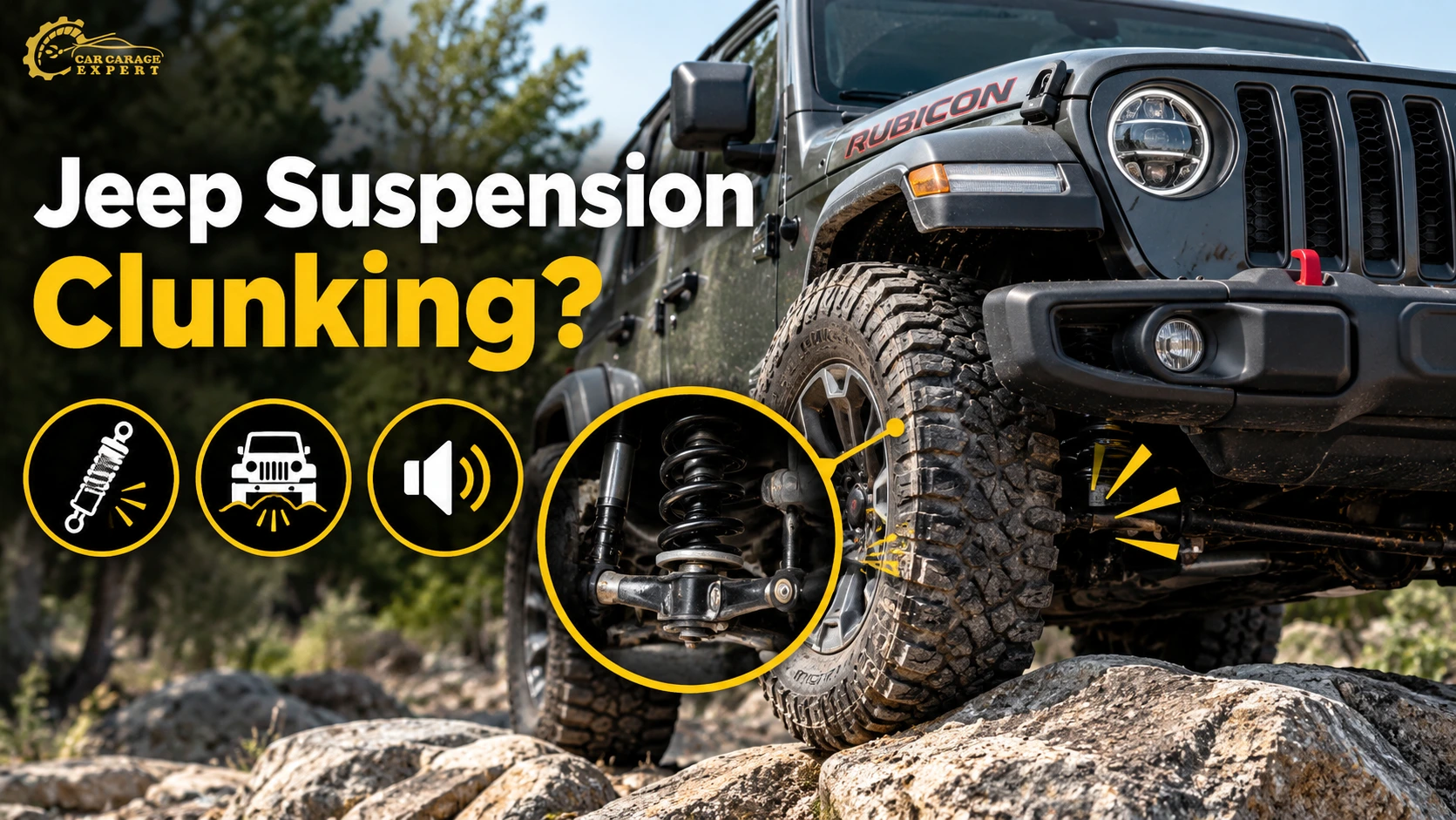
- Nissan Patrol with Hydraulic Body Motion Control (HBMC)
- Toyota Land Cruiser with KDSS
- Lexus LX and GX with Active Height Control (AHC)
- Mercedes-Benz S-Class, CL and SL with Active Body Control (ABC)
The system is sealed. Pressure should stay steady for a long time. When you see hydraulic suspension dropping, fluid or pressure is escaping somewhere. Several things can cause hydraulic suspension to lose pressure, but most come down to leaks.
Warning Signs of Hydraulic Suspension Pressure Loss
Suspension pressure loss rarely happens all at once. It usually builds up over weeks, starting with hydraulic suspension sagging after the car sits. Watch for these signs:
- One corner or one side sitting low, mostly after parking.
- A suspension warning light or “visit workshop” message
- A bouncy or floaty ride over bumps
- More body lean in corners.
- A harsh, crashing ride over speed bumps
- A whining or groaning noise from the pump
- Oily fluid spots under the car
- Wet, greasy struts or lines near the wheels
- The car is slow to rise after starting.
A hydraulic suspension fluid leak often leaves a trail. Check the ground where you park each night.
The Main Parts That Make Hydraulic Suspension Lose Pressure
Several parts can cause hydraulic suspension to lose pressure. Here is what fails and why.
Worn Strut and Cylinder Seals
Each strut has rubber seals that hold fluid inside. The piston rod slides through these seals thousands of times a day. Dust and sand stick to the rod and scratch the seals. Heat also makes the rubber hard. Once the seals wear, fluid seeps out and pressure drops.
Failed Accumulators
Accumulators hold a gas charge that cushions the system. Over time, the gas slowly escapes through the inner membrane. A flat accumulator can’t store pressure. The ride turns harsh, and the pump cycles on and off much more often.
Cracked or Corroded High-Pressure Lines
Hydraulic lines carry fluid at very high pressure. Rubber sections crack from heat. Metal sections rust from humidity, water, and road salt near the coast. A tiny pinhole can leak a lot of fluid. It’s one of the most common causes of a hydraulic suspension leak.
Leaking Valve Block
When the car is parked, the valve block keeps pressure in each corner. Internal tiny seals might wear away. Fluid then drains back into the tank, and the vehicle slowly settles overnight. You may not see any external leak at all.
Weak or Failing Pump
The pump builds pressure for the whole system. A worn pump can’t keep up, especially when the fluid is hot. You may hear it whine, and the car may be slow to reach normal height.
Old, Wrong or Dirty Fluid
Hydraulic fluid breaks down with heat and age. It gets thick, dirty and less able to protect seals. Using the wrong type of fluid can also swell or shrink the seals. A clogged filter or strainer starves the pump.
Faulty Pressure or Height Sensors
The computer takes pressure and ride-height data from the sensors. A faulty sensor can report low hydraulic suspension pressure when the system is operating normally. It might also cause the automobile to sit too high or too low. So test the sensors before you replace any major components.
Hydraulic Suspension Pressure Loss and Reason Comparison Table
This table shows frequent symptoms and possible causes. Use it as a baseline. Confirm the issue with a suitable pressure test.
| Symptom | Likely Cause | Why It Happens | Urgency | Typical Fix |
| One corner sags overnight | Worn strut seal or valve block leak | Sand scratches seals, heat hardens rubber | Medium | Reseal or replace strut, repair valve block |
| Fluid spots under the car | Leaking line, fitting or strut | Cracked rubber or rusted metal line | High | Replace line or strut |
| Harsh, crashing ride | Flat accumulator | Gas charge escapes with age | Medium | Replace accumulators |
| Pump runs often or whines | Low fluid or failing pump | Leak drains fluid, pump overworks | High | Fix leak, refill, test or replace pump |
| Bouncy ride, more body roll | Low system pressure | Leak or weak accumulator | Medium | Pressure test, repair leak |
| Warning light, no visible leak | Internal valve block leak or sensor fault | Worn internal seals or bad sensor | Medium | Scan, sensor test, valve block repair |
| Car slow to rise | Weak pump or clogged filter | Worn pump or dirty fluid | Medium | Fluid flush, filter, pump check |
How We Diagnose Hydraulic Suspension Problems
Hydraulic faults can look alike from the outside. A clear process finds the real cause before you buy any parts.
- Fault code scan. We read the suspension control unit for codes, pressure readings, and height data.
- Fluid check. We check the fluid level, color, and smell. Dark or burnt fluid tells us a lot.
- Leak inspection. We lift the car and check every strut, line, fitting, accumulator, and the pump for wet spots.
- Pressure test. We connect a gauge to test pump output and how long each circuit holds pressure.
- Accumulator test. We check if each accumulator still has its gas charge.
- Sink test. We raise the car and measure how fast each corner drops. This helps find internal valve block leaks.
- Sensor check. We compare sensor readings with real measurements.
Once we find the cause, you get a clear, written quote. A skilled car mechanic should always show you the leak or failed part before starting work.
How We Repair Hydraulic Suspension Losing Pressure
Hydraulic suspension repair depends on the failed part. We fix the cause, flush the system, and test it under real driving.
Strut and Cylinder Repair
We reseal leaking struts where possible or replace them with new units. Hydraulic suspension replacement is best done in pairs on the same axle, so both sides ride the same.
Accumulator Replacement
We replace flat accumulators, often as a set. When one has lost its charge, the others are usually close behind.
Line and Fitting Replacement
We replace cracked or rusted lines with new ones. We route them away from heat and sharp edges and fit new seals at each joint.
Valve Block and Pump Repair
We repair or replace a leaking valve block. If the pump is worn, we replace it and check its drive belt or electric supply.
Fluid Flush and Bleeding
We drain the old fluid and refill with the exact type your car maker specifies. Then we bleed out all air and replace the filter or strainer where fitted.
Calibration and Road Test
We reset the ride height with a scan tool. We then road test the car and check it again after it has been parked overnight. This is the standard of car suspension repair a hydraulic system needs.
What Happens If You Ignore Hydraulic Suspension Failure
A small leak can seem harmless at first. The car still drives, so it’s easy to put off. But letting your hydraulic suspension lose pressure for weeks puts every other part under strain.
The pump has to run longer to make up for lost fluid. Running low on fluid can cause overheating and rapid wear. A cheap line repair can turn into a pump, valve block, and strut job.
Other risks include:
- A full hydraulic suspension failure, leaving the car on its bump stops.
- Poor handling, heavy body roll and longer braking distances
- Uneven tire wear
- Damage to bump stops, bushings and mounts
- Fluid dripping onto hot exhaust parts.
- A car that needs towing instead of a simple repair
Can You Keep Driving With Low Hydraulic Suspension Pressure?
It depends on the car and the warning you see.
Slight sag, no warning light. You can usually drive gently for a short time. Book an inspection within a week.
Yellow or amber warning. Drive slowly and avoid high speeds, desert trips, and heavy loads. Get the car checked within a day or two.
Red warning or car sitting very low. Stop driving as soon as it’s safe. On Mercedes ABC, a red warning means stop now. Call for roadside assistance and have the car moved on a flatbed.
Never drive with fluid pouring from a line. High-pressure fluid near a hot engine is a real fire risk.
How Long Hydraulic Suspension Repair Takes
Most repairs take one day once parts are in stock. Here are typical times:
- Diagnosis and pressure test: 1 to 2 hours
- Line or fitting replacement: 2 to 5 hours
- Accumulator replacement: 2 to 4 hours
- Strut replacement: 3 to 6 hours per axle
- Pump replacement: 3 to 5 hours
- Fluid flush and bleeding: 2 to 3 hours
Parts for some models can take 1 to 5 days to arrive. We confirm the timeline before we start.
What Affects Hydraulic Suspension Repair Cost in Dubai
Cost depends on the car, the system and the parts needed. These are rough ranges at independent workshops in Dubai:
- Diagnosis and pressure test: AED 250 to 600
- High-pressure line replacement: AED 500 to 2,500
- Accumulator (each): AED 800 to 2,500
- Strut reseal: AED 1,500 to 3,500
- New strut (each): AED 3,000 to 9,000
- Valve block: AED 2,000 to 6,000
- Pump: AED 2,500 to 7,000
- Fluid flush and bleed: AED 600 to 1,500
The main cost factors are:
- Car and system type (Mercedes ABC usually costs more than Lexus AHC)
- Genuine, OEM, or rebuilt parts
- How many parts failed
- How long the leak was ignored
- Labor time to reach lines hidden behind other parts
Fixing a small leak early is almost always the cheapest option.
Prevention Tips That Keep Hydraulic Suspension Healthy
Good care adds years to your hydraulic suspension system. Simple habits prevent most faults that make hydraulic suspension lose pressure. Here’s what works:
- Check the fluid level at every service.
- Change the fluid at the interval your car maker gives
- Use only the fluid type your car maker specifies
- Wash sand and mud off the struts after desert trips.
- Look under the car for fluid spots each week.
- Fix small leaks early, before the pump wears out.
- Test accumulators every couple of years on older cars
A good car service package should include a suspension fluid and leak check. If desert trips have also chipped the lower body panels, a proper car painting service can protect them from rust.
Dubai Tips for Hydraulic Suspension Owners
Dubai is tough on hydraulic systems. Summer is when most owners here first notice their hydraulic suspension losing pressure.
Summer heat. Temperatures above 45°C thin the fluid and harden the rubber seals. Get the system checked before June, and keep a roadside assistance number saved in your phone.
Desert driving. Dune trips in a Patrol or Land Cruiser push the suspension to its limit. Sand sticks to the strut rods and wears the seals. Wash the underside after every trip.
Coastal humidity. Moist coastal air rusts metal lines and fittings. Check them closely on cars parked outdoors.
Speed bumps and loads. Frequent bumps and heavy family loads keep the pump and accumulators working hard.
If your car is too low to drive safely, a mobile car mechanic can inspect it where it’s parked. For a full pressure test and repair, we recommend booking your car in at Car Garage Expert.
Why Choose Car Garage Expert for Hydraulic Suspension Low Pressure Problems
Car Garage Expert is a workshop in Al Quoz, Dubai. We work on Nissan Patrol HBMC, Land Cruiser KDSS, Lexus AHC, and Mercedes ABC systems. For car suspension repair, here’s what you get:
- A full scan, leak inspection, and pressure test before any parts are replaced
- Accumulator and pump output testing
- Genuine, OEM or quality rebuilt parts, your choice
- The correct fluid for your system, with full bleeding
- Ride height calibration and a road test after every job
- Clear, written quotes before any work starts
If you’re searching for a trusted garage near me for car suspension repair, our team is ready to help.
FAQs
Why does hydraulic suspension lose pressure?
Most often, it’s due to a leak at a strut seal, line, accumulator, or valve block. A weak pump or old fluid can also cause it.
How do I know my accumulators failed?
The ride turns harsh and crashy over bumps. The pump may also run more often than usual.
Can I drive with a hydraulic suspension leak?
Only for a short time if the leak is small and there’s no red warning. Get it checked soon.
What color is hydraulic suspension fluid?
It depends on the car. Many systems use green or red fluid. Check your owner’s manual.
How long does hydraulic suspension last?
Many systems last 8 to 12 years. Heat, sand, and poor fluid care can shorten that.
Is converting to coil springs a good idea?
Some owners choose it to save money. It changes the ride and handling, so discuss it with a technician first.
Why does my Patrol sag on one side?
Usually a leaking HBMC cylinder, line, or accumulator on that side. A pressure test confirms which one.
Related Services for Hydraulic Suspension Owners
These services often go hand in hand with hydraulic suspension repair:
- Suspension pressure and leak testing
- Strut and cylinder replacement
- Accumulator replacement
- Hydraulic line and fitting repair
- Suspension fluid flush and bleeding
- Ride height calibration
Book Your Hydraulic Suspension Inspection in Al Quoz
A small leak today can become a failed pump next month. If you’ve noticed your hydraulic suspension losing pressure, get it checked this week. Book your inspection with Car Garage Expert and get your car riding level again.
- WhatsApp: Chat with us
- Visit: Find us in Al Quoz.