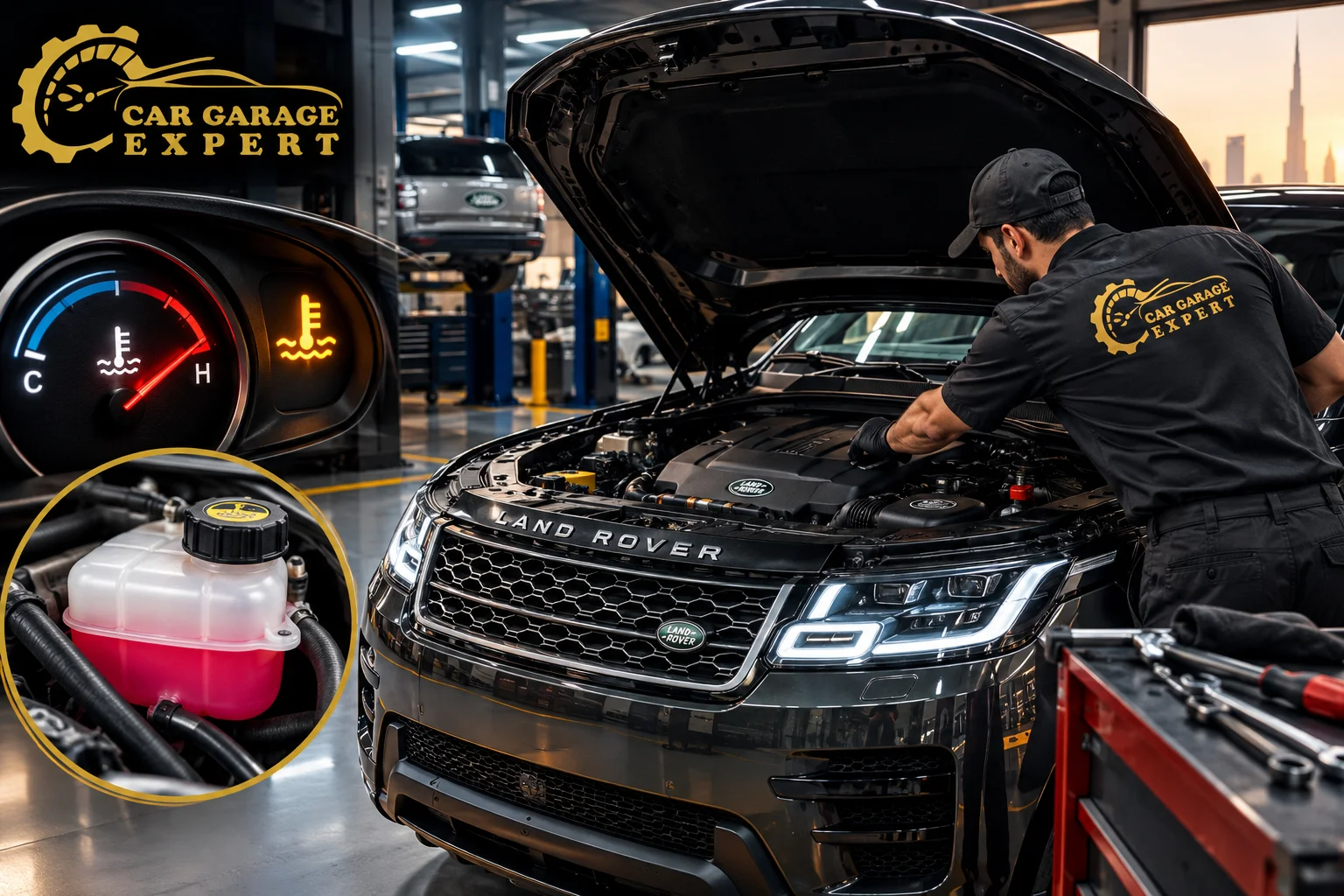
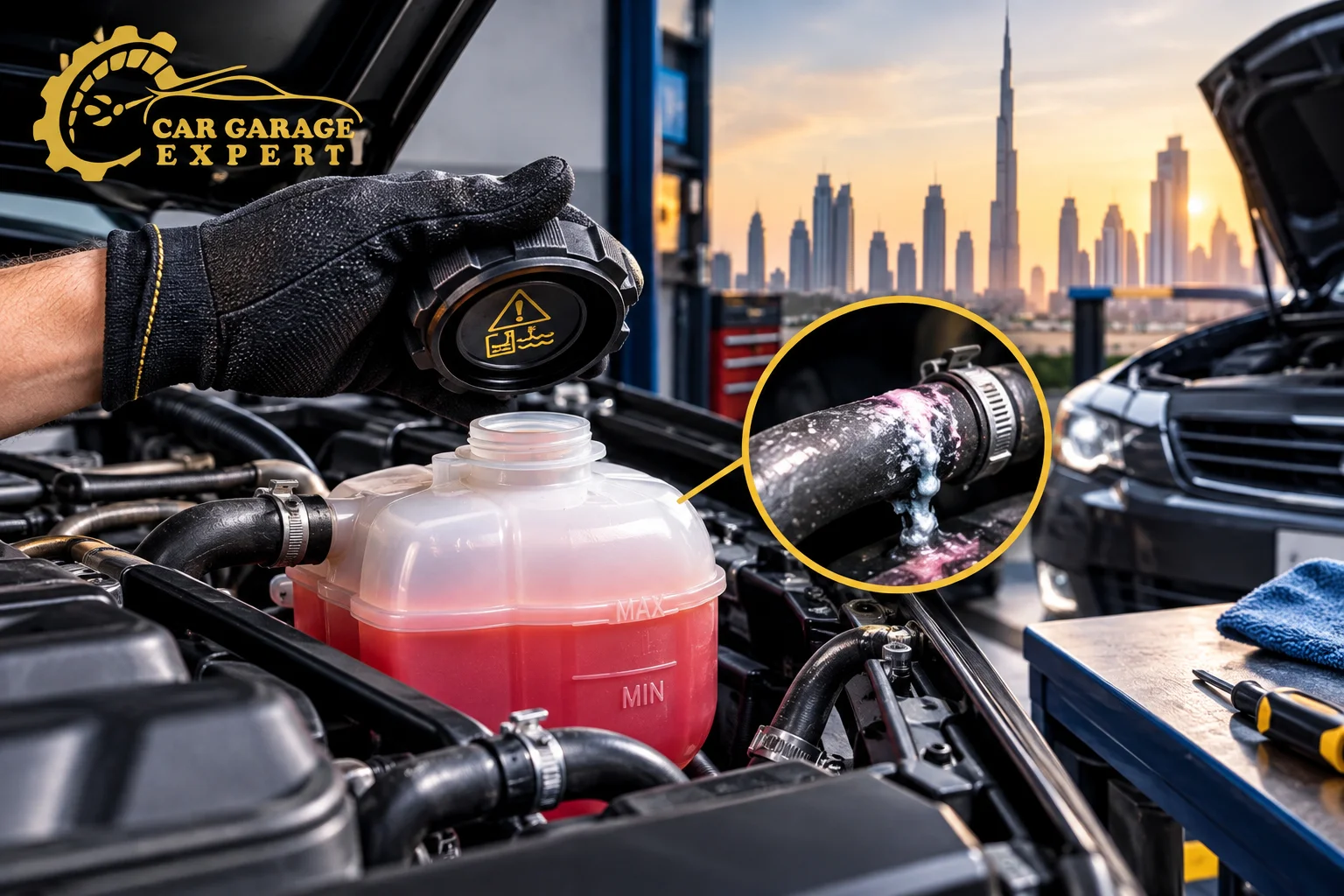
If your car coolant level is dropping but you cannot see a leak, the coolant may be escaping through a hidden hose leak, a faulty radiator cap or a damaged water pump. It may also enter the engine through a failed head gasket. Sometimes, coolant leaks onto hot engine parts and dries before you notice it. A small drop can also happen after recent cooling system repairs. Check the coolant level only when the engine is completely cool. If the level keeps falling, arrange an inspection. Do not ignore the problem, as low coolant can cause overheating and serious engine damage.
Table of Contents
- Problem Overview: Why Does Coolant Keep Disappearing?
- Symptoms: How to Spot a Hidden Coolant Problem
- Common Causes: What Makes Coolant Levels Fall?
- Diagnostic Process: How a Garage Finds the Fault
- Repair Process: How to Fix the Cooling System
- Risks of Ignoring Low Coolant
- Can You Continue Driving?
- Repair Time: How Long Does the Job Take?
- Cost Factors: What Affects the Repair Price?
- Prevention Tips for Dubai Drivers
- Dubai-Specific Advice
- Why Choose Car Garage Expert for Cooling System Repairs?
- Frequently Asked Questions
- Related Services
- Final Call-to-Action
Problem Overview: Why Is Your Car Coolant Level Dropping?
Your car’s cooling system keeps the engine at a safe temperature. It uses coolant to remove heat from the engine. The coolant then releases that heat through the radiator.
If the Car Coolant Level Dropping, the system may have a fault. The tricky part is that not every leak leaves a puddle under the car.
When you notice your Car Coolant Level Dropping, start by checking for other warning signs. Look for dried coolant marks, a sweet smell or a rising temperature gauge. These clues can help a mechanic find the cause.
A small change after a recent coolant refill may be due to trapped air leaving the system. However, repeated coolant loss is not normal. It needs a proper check.
Symptoms: Is Your Car Coolant Level Dropping Without a Visible Leak?
You may not see coolant on the ground. However, your car can still show signs of trouble.
Watch for these common symptoms:
- Frequent coolant refills: The level falls again after you top it up.
- Rising engine temperature: The temperature gauge moves above its normal range.
- Sweet smell: You notice a sweet smell near the engine or inside the cabin.
- White exhaust smoke: Thick white smoke after the engine warms up may point to coolant entering the engine.
- Dried coolant marks: White, pink, green or orange deposits may appear around hoses or the radiator.
- Weak cabin heating: The heater may blow cool air when the coolant level is low.
- Engine warning light: Some vehicles show a coolant or temperature warning.
One symptom alone does not confirm the cause. A mechanic should inspect the cooling system before replacing parts.
Common Causes: What Makes Coolant Levels Fall?
Several faults can explain why the coolant disappears without leaving a clear trail.
|
Possible cause |
Why it causes coolant loss |
Common clue |
|---|---|---|
|
Faulty radiator cap |
Releases coolant or vapour due to poor pressure control |
Dried coolant near the cap |
|
Hidden hose leak |
Small cracks leak when the engine gets hot |
Damp hose joints or deposits |
|
Water pump failure |
A worn seal allows coolant to escape |
Coolant marks near the pump |
|
Radiator damage |
Small cracks release coolant under pressure |
Deposits around radiator joints |
|
Heater core leak |
Coolant leaks into the cabin |
Sweet smell or damp carpets |
|
Head gasket failure |
Coolant enters the engine or combustion chamber |
White exhaust smoke or overheating |
Trapped air Air pockets may change the level after a refill Level drops after recent repairs
Car Coolant Level Dropping: Could It Be an Internal Engine Leak?
Yes. A defected head gasket or a crack in the cylinder head may allow coolant to enter the engine. This type of fault may leave no visible puddle.
You may notice white exhaust smoke, rough engine running or milky residue under the oil cap. However, these signs can have other causes, too.
A mechanic can test the cooling system and check for gases in the coolant. These tests help confirm whether the engine has an internal leak.
Don’t assume a head gasket has failed just because the Car Coolant Level Dropping. Proper testing can prevent unnecessary repairs.
Diagnostic Process: How a Garage Finds the Fault
A careful inspection helps identify the source of coolant loss. It also reduces the risk of replacing good parts.
A mechanic may follow these steps:
- Check the coolant level: Inspect the reservoir when the engine is cold.
- Look for visible signs: Examine hoses, clamps, the radiator and the water pump.
- Pressure-test the system: Apply the correct pressure to help reveal small leaks.
- Test the radiator cap: Check whether it holds pressure as designed.
- Inspect the cabin: Look for signs of a leaking heater core.
- Check for internal leaks: Use suitable tests to detect combustion gases in the coolant.
- Inspect the engine oil: Look for signs that coolant may have mixed with the oil.
If the Car Coolant Level Dropping issue continues after a basic inspection, these tests can help uncover a hard-to-find fault.
Avoid opening the coolant cap while the engine is hot. Pressurized coolant can cause severe burns.
Repair Process: How to Fix the Cooling System
The repair depends on what the inspection finds. Adding more coolant may help temporarily, but it will not fix a leak.
Common repair steps include:
- Replacing a faulty radiator cap.
- Repairing or replacing damaged hoses and clamps.
- Fixing a leaking radiator.
- Replacing a worn water pump.
- Repairing a leaking heater core.
- Bleeding trapped air after a coolant refill or repair.
- Repairing a failed head gasket or other internal engine fault.
The mechanic should also use coolant that meets your vehicle manufacturer’s requirements. Mixing the wrong coolant types can cause cooling system problems.
After the repair, the garage should refill and bleed the system as needed. It should then check for leaks and ensure that the engine has reached its usual operating temperature.
Risks of Ignoring Low Coolant
Coolant loss can turn a small repair into a costly engine problem.
Here is what may happen if you ignore it:
- Engine overheating: Low coolant makes it harder to remove heat from the engine.
- Cylinder head damage: Excess heat can warp metal parts.
- Head gasket failure: Continued overheating can damage the gasket.
- Engine oil contamination: An internal leak may allow coolant to mix with oil.
- Engine failure: Severe overheating can cause major internal damage.
If the Car Coolant Level Dropping, book an inspection before the problem worsens. A timely repair can help protect your engine and reduce the chance of a breakdown.
Can You Continue Driving?
It depends on the coolant level and the engine temperature. If the level is low and the temperature gauge rises, stop in a safe place as soon as possible. Turn off the engine and let it cool.
Do not drive with an overheating engine. Do not remove the coolant cap while the engine is hot.
If you see steam, a temperature warning or a major coolant loss, arrange roadside assistance. Even a short drive may cause serious damage.
If the engine temperature stays normal but the Car Coolant Level Dropping, arrange a prompt inspection. Avoid long journeys until you know the cause.
Repair Time: How Long Does the Job Take?
Repair time depends on the fault, vehicle model and parts availability.
|
Repair Type |
Typical Time Estimate |
|---|---|
|
Radiator cap replacement |
15–30 minutes |
|
Hose or clamp replacement |
30 minutes–2 hours |
|
Cooling system pressure test |
30–60 minutes |
|
Radiator replacement |
2–4 hours |
|
Water pump replacement |
2–6 hours |
|
Heater core repair |
Several hours to a full day or more |
|
Head gasket repair |
1–3 days or longer |
These are general estimates, not guaranteed times. Some vehicles take longer because parts are hard to reach. A garage can give a more accurate estimate after inspection.
Cost Factors: What Affects the Repair Price?
The cost of fixing a coolant problem varies by car. A simple cap replacement usually costs less than an internal engine repair.
|
Cost Factor |
Why It Matters |
|---|---|
|
Vehicle make and model |
Parts and labour rates vary by vehicle. |
|
Type of fault |
A radiator cap usually costs less to replace than a water pump or head gasket. |
|
Part quality |
Genuine and approved parts may cost more. |
|
Labour time |
Hard-to-reach parts require more work. |
|
Diagnostic tests |
Pressure tests and internal leak tests may add to the bill. |
|
Coolant type |
Different vehicles require specific coolant types. |
|
Extra engine damage |
Overheating may lead to additional repairs. |
Ask the garage for a clear estimate before work begins. It should explain the cause, the parts needed and the expected labor cost.
Prevention Tips for Dubai Drivers
Dubai’s hot weather can put extra demand on your car’s cooling system. Regular inspections might help you identify problems before they cause a breakdown.
Follow these simple tips:
- Check coolant regularly: Inspect the reservoir when the engine is cold.
- Use the correct coolant: Follow your vehicle manufacturer’s guidance.
- Inspect hoses and clamps: Look for cracks, swelling or dried deposits.
- Service the radiator: Keep the cooling system in good condition.
- Watch the temperature gauge: Stop safely if the engine begins to overheat.
- Fix small faults early: A weak cap or damaged hose can cause further problems.
- Check after repairs: Monitor the coolant level after a refill or cooling system service.
Never rely on water alone as a long-term coolant solution unless your vehicle’s manufacturer specifically advises it for a particular situation.
Dubai-Specific Advice: Protect Your Engine in Extreme Heat
Dubai’s high temperatures, traffic jams and long idling periods can increase the cooling system’s workload. A fault that seems minor in mild weather may become more serious in heavy traffic.
If you notice your Car Coolant Level Dropping during summer, do not wait for the next routine service. Check the level when the engine is cold and arrange an inspection if it falls again.
Before driving long distances, check for warning signs and make sure the cooling system is in good condition. This is especially important before highway trips or journeys during the hottest part of the day.
If your vehicle overheats on the road, stop safely and switch off the engine. Do not open the coolant cap while the system is hot. Contact roadside assistance if you can’t drive the car safely.
Why Choose Car Garage Expert for Cooling System Repairs?
Finding the cause of coolant loss takes more than topping up the reservoir. You need a proper inspection to identify the fault and prevent repeat problems.
Car Garage Expert is a useful option for drivers in Dubai who need help with cooling system concerns. A professional inspection can identify leaks, pressure issues and potential engine faults before they become more serious.
When choosing a garage, look for clear diagnostic results, suitable replacement parts and a repair estimate before work starts. Ask the technician to explain the reason of the coolant loss and inspect the system following the repair.
If your automobile is overheating or losing coolant quickly, call for roadside assistance rather than risk more engine damage.
Frequently Asked Questions
1. Why is my car coolant level dropping but there is no leak?
Coolant may escape through a small hidden leak, a faulty radiator cap or a damaged water pump. It may also enter the engine through a failed head gasket. A pressure test can help find the cause.
2. Can coolant disappear without leaving a puddle?
Yes. A small leak may only happen when the engine is hot. Coolant can also land on hot parts and dry before it reaches the ground.
3. Is it normal to top up coolant every week?
No. Repeated top-ups usually mean the system needs checking. Arrange an inspection instead of adding coolant each week.
4. Can I drive with low coolant if the temperature looks normal?
It is risky. The temperature reading may not show the full problem and the engine can overheat with little warning. Check the cause before driving normally.
5. How do I know if a head gasket is leaking coolant?
Possible signs include persistent white exhaust smoke, unexplained coolant loss, overheating or coolant mixing with engine oil. A mechanic should perform tests to confirm the fault.
Related Services
If your car keeps losing coolant, these services may help:
- Car radiator repair: Find and fix radiator leaks or damage.
- Cooling system inspection: Check hoses, clamps, the radiator and coolant pressure.
- Water pump replacement: Repair coolant loss caused by a worn pump.
- Engine diagnostics: Investigate warning lights, overheating and possible internal faults.
- Head gasket repair: Address confirmed head gasket damage.
- Roadside assistance: Get help if overheating makes driving unsafe.
Final Call-to-Action: Fix Coolant Loss Before It Damages Your Engine
A falling coolant level is a warning you should not ignore. Even without a visible leak, your car may have a hidden fault that can lead to overheating and expensive engine damage.
If you notice repeated coolant loss, arrange a cooling system inspection with Car Garage Expert. Finding the cause early can help you avoid bigger repairs and keep your car ready for Dubai roads.
Do not risk driving an overheating vehicle. If the engine temperature rises or coolant escapes rapidly, stop safely and arrange roadside assistance.
Find Car Garage Expert on Google Maps: