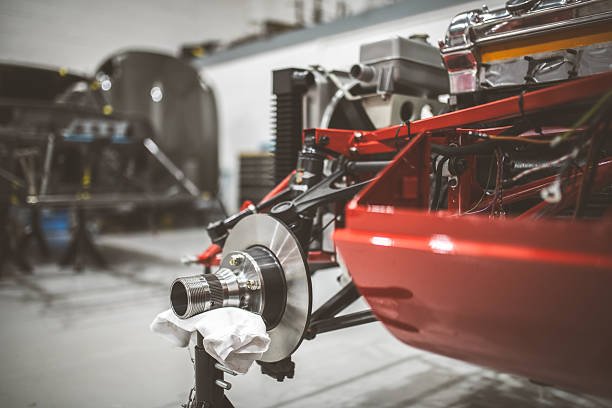
Your BMW is designed to deliver precise handling, responsive performance, and dependable stopping power. However, even the most advanced braking system requires regular inspection and professional maintenance. A timely BMW brake inspection can identify worn components, fluid issues, sensor faults, and hidden damage before they become serious safety concerns.
Driving conditions in Dubai can place significant pressure on a vehicle’s braking system. High temperatures, congested roads, frequent stopping, highway driving, sand, and dust may all contribute to faster brake wear. For this reason, BMW owners should never ignore unusual noises, dashboard warnings, vibration, or changes in brake-pedal response.
At Car Garage Expert, BMW brake inspections are performed using professional diagnostic equipment and detailed physical inspections. Whether your BMW needs new brake pads, disc replacement, brake fluid service, sensor repair, or a complete braking system diagnosis, an accurate inspection is the first step.
What Is a BMW Car Brakes Inspection?
A BMW car brakes inspection is a detailed examination of the components responsible for slowing and stopping your vehicle. It is more comprehensive than simply checking the thickness of the brake pads.
A qualified technician examines the mechanical, hydraulic, and electronic parts of the braking system to determine whether they are operating safely. Depending on the BMW model and the symptoms reported, an inspection may include:
- Front and rear brake-pad condition
- Brake-disc thickness and surface condition
- Brake-fluid level and quality
- Brake hoses and metal lines
- Brake calipers and pistons
- Brake-pad wear sensors
- Parking-brake operation
- ABS sensors and related warning lights
- Brake master cylinder
- Brake booster performance
- Electronic parking-brake components
- Road testing and computer diagnostics
The purpose of the inspection is to identify current faults, estimate remaining component life, and recommend only the repairs required to restore safe braking performance.
Why BMW Brake Inspection Is Important in Dubai
Dubai’s climate and driving environment can be demanding on brake components. Although BMW vehicles are engineered for high performance, their braking systems still experience normal wear.
Extreme Heat
High ambient temperatures can increase the heat already generated by friction between the brake pads and discs. Repeated braking in hot conditions may contribute to brake fade, faster pad wear, or deterioration of old brake fluid.
Heavy Traffic
Stop-and-go driving places more pressure on brake pads and discs than steady highway travel. Frequent braking during daily commutes can gradually reduce pad thickness and create uneven disc wear.
Sand and Dust
Fine sand and road dust may collect around wheels and braking components. While brake systems are designed to operate in difficult environments, excessive contamination can contribute to noise, uneven wear, or reduced component life.
High-Speed Driving
Dubai’s major roads allow higher speeds than many city streets. Braking from higher speeds generates more heat and requires the system to work harder. Any weakness in the pads, discs, fluid, or tyres may become more noticeable during emergency braking.
Long Periods of Parking
Vehicles parked for extended periods may develop surface corrosion on brake discs. Light surface rust may clear after normal driving, but deeper corrosion can cause vibration, noise, or uneven braking.
A preventive BMW car brakes inspection in Dubai helps ensure that the braking system remains suitable for local driving conditions.
Signs Your BMW Needs a Brake Inspection
Brake problems often develop gradually. Recognizing the early symptoms can help you arrange repairs before the problem becomes more expensive or dangerous.
Squeaking or Squealing Noise
A high-pitched squeaking sound may indicate worn brake pads, glazed friction material, dust accumulation, or contact from a pad-wear indicator. Some temporary noise can occur after washing or driving through sand, but persistent squealing should be checked.
Grinding Sound
A grinding or scraping sound can indicate that the brake pad material has worn down significantly, allowing metal components to contact the brake disc. Continued driving may damage the discs and reduce braking effectiveness.
Brake Warning Light
BMW vehicles use dashboard warning systems to alert drivers about brake-pad wear, low brake fluid, parking-brake faults, ABS issues, or stability-control problems. A warning message should be diagnosed rather than simply reset.
Vibration While Braking
A shaking steering wheel or brake pedal may indicate uneven brake discs, excessive disc runout, worn suspension parts, wheel issues, or uneven pad deposits. A detailed inspection is needed to identify the correct cause.
Soft or Spongy Brake Pedal
A soft pedal can be associated with air in the hydraulic system, old brake fluid, a leak, hose expansion, or a failing master cylinder. This symptom should be treated seriously.
Hard Brake Pedal
If the brake pedal feels unusually hard, the vehicle may have a problem with the brake booster, vacuum supply, electronic assistance, or another related component.
Vehicle Pulling to One Side
A BMW that moves left or right under braking may have a sticking caliper, uneven pad wear, contaminated friction material, tyre-pressure imbalance, or suspension and alignment issues.
Longer Stopping Distance
If the vehicle requires more distance to stop, the pads may be worn, the discs may be damaged, the tires may have poor grip, or the brake fluid may be deteriorated.
Burning Smell Near the Wheels
A burning smell can be caused by an overheating brake, a seized caliper, a stuck parking brake, or aggressive, repeated braking. Stop driving if there is smoke, severe heat, or a major reduction in braking performance.
Brake Fluid Under the Vehicle
Brake fluid leakage can compromise hydraulic pressure and pose a major safety risk. Any suspected leak should be inspected immediately.
What Is Checked During a BMW Brake Inspection?
A professional inspection follows a systematic process to avoid overlooking hidden faults.
1. Brake-Pad Inspection
The technician checks the remaining thickness and overall condition of the front and rear brake pads. Pads are also examined for:
- Uneven wear
- Cracking
- Glazing
- Contamination
- Heat damage
- Incorrect installation
- Separation of friction material
Uneven wear may indicate a sticking caliper, a damaged guide pin, an installation problem, or a hydraulic fault. Replacing the pads without correcting the underlying cause may result in the same issue returning.
2. Brake-Disc Inspection
BMW brake discs, also called rotors, must remain within the manufacturer’s safe thickness limits. The inspection may include checking:
- Disc thickness
- Surface grooves
- Heat spots
- Cracks
- Corrosion
- Uneven wear
- Excessive runout
- A raised outer lip
Not every marked disc requires immediate replacement. The technician should compare its condition and measurements with the relevant BMW specifications.
3. Brake-Fluid Check
Brake fluid transfers pressure from the pedal to the calipers. Over time, it can absorb moisture, which may lower its boiling point and affect its performance at high temperatures.
A BMW brake-fluid inspection may include:
- Checking the fluid level
- Inspecting fluid colour and contamination
- Looking for leaks
- Testing moisture content where appropriate
- Reviewing the service history
- Inspecting the reservoir and cap
Brake fluid should be replaced according to the vehicle’s service requirements and actual condition.
4. Brake Caliper Inspection
Calipers press the brake pads against the discs. A damaged or sticking caliper can cause uneven braking, excessive heat, rapid pad wear, or vehicle pulling.
Technicians may inspect:
- Caliper pistons
- Slider pins
- Dust boots
- Seals
- Mounting bolts
- Fluid leakage
- Signs of overheating
- Freedom of movement
5. Brake Hose and Line Inspection
Flexible brake hoses and metal brake lines carry hydraulic fluid throughout the system. They are examined for:
- Cracks
- Swelling
- Abrasion
- Corrosion
- Loose connections
- Fluid leaks
- Heat damage
A weakened hose can affect pedal feel and may eventually fail if it is not replaced.
6. Brake-Pad Wear Sensor Diagnosis
Many BMW models use electronic wear sensors. When the pad reaches a certain level, the sensor triggers a dashboard warning.
A technician checks whether the warning is caused by:
- Worn brake pads
- A damaged sensor
- Broken wiring
- Incorrect installation
- A previous repair without sensor replacement
- A service-reset issue
The warning should only be reset after the necessary work has been completed.
7. ABS and Stability-Control Diagnosis
BMW braking systems work closely with the Anti-lock Braking System, traction control, and Dynamic Stability Control. If warning lights are present, diagnostic scanning may reveal faults involving:
- Wheel-speed sensors
- ABS control units
- Damaged wiring
- Reluctor rings
- Low system voltage
- Hydraulic pump faults
- Steering-angle sensors
- Communication errors
A scan code provides direction, but the fault should still be verified through proper testing.
8. Parking-Brake Inspection
Depending on the model, a BMW may use a mechanical or electronic parking brake. Inspection may cover:
- Parking-brake shoes
- Cables
- Electric motors
- Switch operation
- Control modules
- Adjustment
- Warning messages
- Emergency-release mechanisms
9. Road Test
A controlled road test allows the technician to evaluate real braking behavior. The test may identify:
- Noise
- Vibration
- Pulling
- Weak braking
- Pedal problems
- ABS activation
- Parking-brake performance
- Abnormal wheel temperature
The road test should be combined with a physical inspection rather than used as the only diagnostic method.
Common BMW Brake Problems
BMW models can experience different braking problems depending on mileage, driving style, road conditions, service history, and component quality.
Worn Brake Pads
Brake pads are consumable components. Their lifespan varies significantly depending on traffic conditions, vehicle weight, driving habits, and whether the vehicle is used primarily in the city or on highways.
Scored or Uneven Brake Discs
Deep grooves, heat damage, corrosion, and uneven pad contact can reduce braking smoothness. Discs may need replacement when they fall below safe thickness or show significant damage.
Sticking Brake Caliper
A seized piston or guide pin may keep the pad in contact with the disc. This can create overheating, poor fuel efficiency, burning smells, uneven wear, and vehicle pulling.
Brake-Fluid Deterioration
Old or moisture-contaminated brake fluid may reduce performance under demanding conditions. It can also contribute to corrosion inside hydraulic components.
Faulty Wear Sensor
A damaged wear sensor may trigger a warning even when the pads still have usable material. Conversely, installing new pads without replacing a worn sensor may prevent the warning system from working correctly.
ABS Sensor Failure
A faulty wheel-speed sensor can illuminate ABS, traction control, or stability control lights. Physical damage, dirt, wiring faults, or bearing-related issues may all affect sensor readings.
Brake Vibration
Brake vibration is often blamed on “warped discs,” but the actual cause may involve disc runout, uneven pad deposits, hub contamination, worn suspension components, or incorrect wheel-bolt tightening.
How Often Should BMW Brakes Be Inspected?
There is no single inspection interval suitable for every BMW. Brake wear depends on the model, driving environment, mileage, driver behavior, and previous maintenance.
As a practical approach, have the brakes inspected:
- During routine vehicle servicing
- Before a long road journey
- When buying a used BMW
- After a dashboard brake warning appears
- When unusual sounds or vibration develop
- After driving through deep water
- Following an accident or wheel impact
- When braking performance changes
- Before vehicle testing or registration renewal
- Whenever tyre or suspension work reveals uneven wear
BMW’s condition-based service system may estimate pad life, but physical inspection remains important. Electronic estimates cannot always identify every mechanical problem.
BMW Brake Pads vs Brake Discs: What Needs Replacing?
Brake pads and discs do not always need to be replaced at the same time. The decision should be based on measurements and condition.
Brake pads may be replaced independently when:
- The discs remain above minimum thickness
- The disc surfaces are in acceptable condition
- There is no severe scoring, cracking, or heat damage
- Disc runout is within limits
- The components are compatible
Pads and discs may both require replacement when:
- The discs are below minimum thickness
- Deep grooves are present
- The discs are cracked or severely corroded
- There is significant vibration linked to the discs
- Heat damage is visible
- The new pads would not make proper contact
- The manufacturer’s repair requirements call for replacement
A reliable garage should inspect and measure the parts before recommending a complete brake replacement.
Genuine, OEM or Aftermarket BMW Brake Parts
BMW owners may have several component options.
Genuine BMW Parts
Genuine parts are supplied in BMW packaging and are designed for the relevant model. They can be a suitable option for drivers who priorities original specifications and brand-backed compatibility.
OEM-Quality Parts
OEM-quality components are produced by established manufacturers that may supply parts to vehicle brands. They can provide strong performance when correctly matched to the BMW model.
Aftermarket Parts
Aftermarket brake parts vary greatly in quality. Reputable premium options may offer good performance, while low-cost unverified parts may cause noise, excessive dust, poor fitment, or inconsistent braking.
Your choice should consider:
- BMW model and year
- Engine and trim level
- Driving conditions
- Performance expectations
- Budget
- Warranty
- Manufacturer reputation
- Compatibility with existing components
The cheapest brake component is not always the most economical when safety, durability, labour, and possible disc damage are considered.
BMW Brake Inspection Cost in Dubai
The cost of a BMW car brakes inspection in Dubai depends on the type of inspection and the fault being investigated.
Price may vary according to:
- BMW model
- Vehicle year
- Front or rear brake system
- Type of braking components
- Dashboard warning lights
- Need for computer diagnosis
- Road-test requirements
- Removal of wheels or components
- Electronic parking-brake configuration
- Additional hydraulic testing
The final repair cost will also depend on whether the vehicle requires pads, discs, sensors, callipers, fluid, hoses, or electronic components.
A professional inspection should be completed before a repair quotation is confirmed. This prevents unnecessary part replacement and helps ensure the correct fault is addressed.
Why Choose Car Garage Expert for BMW Brake Inspection?
Choosing the right workshop is essential because BMW braking systems combine mechanical parts with sensors, control units, and electronic safety functions.
Car Garage Expert provides BMW owners in Dubai with a structured inspection process focused on accurate diagnosis and dependable repairs.
Customers can expect:
- Inspection of front and rear braking components
- BMW-compatible diagnostic scanning
- Brake-pad and disc assessment
- Brake-fluid checks
- ABS and warning-light diagnosis
- Calliper and hose inspection
- Clear repair recommendations
- Quality replacement-part options
- Professional installation
- Testing after repair
- Transparent communication
The aim is not simply to replace parts. It is to identify why the problem developed and restore the braking system to safe operating condition.
Benefits of Regular BMW Brake Inspections
Regular inspections offer several important benefits.
Improved Road Safety
A well-maintained brake system responds more consistently during normal driving and emergency situations.
Lower Repair Costs
Replacing worn pads at the correct time can help prevent damage to the brake discs and other components.
Better Driving Comfort
Professional servicing can reduce squeaking, vibration, harshness, pulling, and inconsistent pedal response.
Protection for Other Components
A sticking calliper or uneven brake can increase heat and place stress on wheel bearings, tyres, suspension parts, and nearby components.
More Accurate Maintenance Planning
An inspection can estimate how much usable material remains, helping the owner plan upcoming repairs rather than face an unexpected breakdown.
Maintained Vehicle Value
A documented maintenance history can make a BMW more attractive to future buyers and demonstrate responsible ownership.
Can You Drive With a BMW Brake Warning Light?
Driving with a brake warning light is not recommended until the cause is understood.
Some warnings relate to normal brake-pad wear, while others may indicate low fluid, an ABS fault, parking-brake failure, or a hydraulic problem. The level of risk depends on the specific warning and symptoms.
Stop driving and arrange professional assistance when:
- The red brake warning remains illuminated
- The pedal feels soft or sinks
- Braking performance is reduced
- Fluid is leaking
- A grinding sound is present
- Smoke or a burning smell comes from a wheel
- The vehicle pulls sharply
- Multiple braking and stability warnings appear together
A dashboard message should not be cleared without first identifying and resolving the underlying cause.
Tips to Extend BMW Brake Life
Brake components will eventually wear, but sensible driving and proper maintenance can help extend their service life.
- Maintain a safe distance from the vehicle ahead.
- Avoid unnecessary harsh braking.
- Reduce speed gradually when approaching traffic.
- Do not rest your foot on the brake pedal.
- Have sticking callipers repaired promptly.
- Use suitable, high-quality brake components.
- Keep tyres correctly inflated.
- Address suspension and alignment issues.
- Replace deteriorated brake fluid as required.
- Avoid overloading the vehicle.
- Inspect the brakes after prolonged storage.
- Do not ignore warning lights or unusual noises.
Driving habits have a significant effect on brake wear, particularly in congested Dubai traffic.
Frequently Asked Questions
How long does a BMW car brakes inspection take?
The time depends on the symptoms and the inspection level. A standard visual and physical inspection may be completed relatively quickly, whereas ABS faults, hydraulic problems, vibration, or electronic parking brake issues may require more detailed diagnosis.
Why are my BMW brakes squeaking?
Squeaking may be caused by worn pads, dust, sand, glazed surfaces, low-quality components, missing anti-noise hardware, moisture, or incorrect installation. Persistent noise should be professionally inspected.
Do BMW brake sensors need to be replaced when the pads are replaced?
A sensor that has been activated or damaged generally needs to be replaced. If it has not contacted the disc and remains in good condition, reuse may sometimes be possible, depending on the model and repair procedure.
Why does my BMW shake when braking?
Possible causes include uneven discs, disc runout, pad deposits, worn suspension parts, wheel issues, hub contamination, or incorrect installation. Measurements and a road test are needed for accurate diagnosis.
Can I replace only the front brake pads?
Yes, when the front discs remain within specification and the rear brakes are still serviceable. Brake components are usually replaced in axle pairs, meaning both front pads should be replaced together.
How do I know whether my BMW brake discs need replacement?
Discs may require replacement if they are below the minimum thickness, deeply scored, cracked, heavily corroded, heat-damaged, or found to be the cause of confirmed vibration. A technician should measure them rather than judge only by appearance.
Why does my BMW pull to one side while braking?
The cause may be a sticking caliper, uneven pad wear, contaminated friction material, tyre-pressure differences, worn suspension parts, or alignment problems.
Is a BMW brake-fluid change necessary?
Yes. Brake fluid deteriorates and absorbs moisture over time. It should be inspected and replaced in accordance with BMW’s service recommendations and the fluid’s condition.
Can an ABS warning affect normal braking?
The basic brakes may continue to work in some cases, but ABS, traction control, or stability assistance may be limited or disabled. The vehicle should be diagnosed as soon as possible.
Are cheap brake pads safe for a BMW?
Product quality varies. Unverified low-cost pads may produce noise, excessive dust, inconsistent braking, or poor durability. Use components from reputable manufacturers that are correctly specified for your vehicle.
Should I replace pads and discs together?
Not always. Pads can sometimes be replaced separately when the discs remain within specification. Both should be replaced when disc wear, damage, thickness, or surface condition makes reuse unsuitable.
Where can I book a BMW car brakes inspection in Dubai?
BMW owners can contact Car Garage Expert to arrange a professional brake inspection, warning-light diagnosis, brake-pad check, disc assessment, fluid inspection, or complete braking-system repair.
Conclusion BMW Car Brakes Inspection
Your BMW’s braking system is one of its most important safety features. Noise, vibration, warning lights, fluid leaks, pedal changes, and longer stopping distances should never be ignored. A detailed BMW car brakes inspection can reveal worn pads, damaged discs, deteriorated fluid, sticking callipers, faulty sensors, and electronic braking problems before they become more serious.
Dubai’s heat, traffic, dust, and high-speed roads make preventive brake maintenance especially important. Regular inspections can improve safety, maintain driving comfort, reduce the risk of unexpected failure, and help prevent avoidable repair costs.
For professional BMW car brakes inspection in Dubai, contact Car Garage Expert. A qualified inspection will assess the condition of your brake system and provide clear recommendations tailored to your BMW model, driving needs, and actual component wear.
Visit us in our Al Quoz, Dubai branch or visit Car Garage Expert