When your Tesla needs body repairs—whether after a minor scratch, a parking dent, or a more serious collision—choosing the right workshop matters more than you might think. Teslas are unlike traditional petrol cars; the materials, sensors, battery structure, and ADAS systems require highly specialized knowledge. That’s why many owners consider going to a Certified Tesla Body Shop—but is a certified shop always the best option? And what are the risks of choosing a non-certified one?
This guide explains the differences between certified and non-certified Tesla repair facilities, including costs, repair quality, warranty implications, and safety considerations. The goal is simple: to help you make an informed decision that protects your Tesla’s performance, safety, and long-term value.
As a trusted Tesla repair partner in Dubai, we at Car Garage Expert ensure professional-grade repairs, genuine care, and transparent guidance. Whether you need accident repair, paint restoration, or an urgent inspection, our technicians deliver the level of service your Tesla deserves.
Certified Tesla Body Shops: What They Offer
Certified Tesla Body Shops follow strict training, equipment, and repair standards set by Tesla—offering the safest and most accurate repair possible.
Certified shops undergo extensive training directly from Tesla, covering:
1. TESLA-SPECIFIC MATERIAL TRAINING
Teslas use:
- Aluminum panels
- Ultra-high-strength steel
- Composite structures
- Bonded panels instead of traditional welding
Working with these materials requires specialized tools and isolated workspaces. A certified Tesla Body Shop has all of these in place.
2. OEM SOFTWARE & DIAGNOSTICS
Certified shops can:
- Access Tesla repair documentation
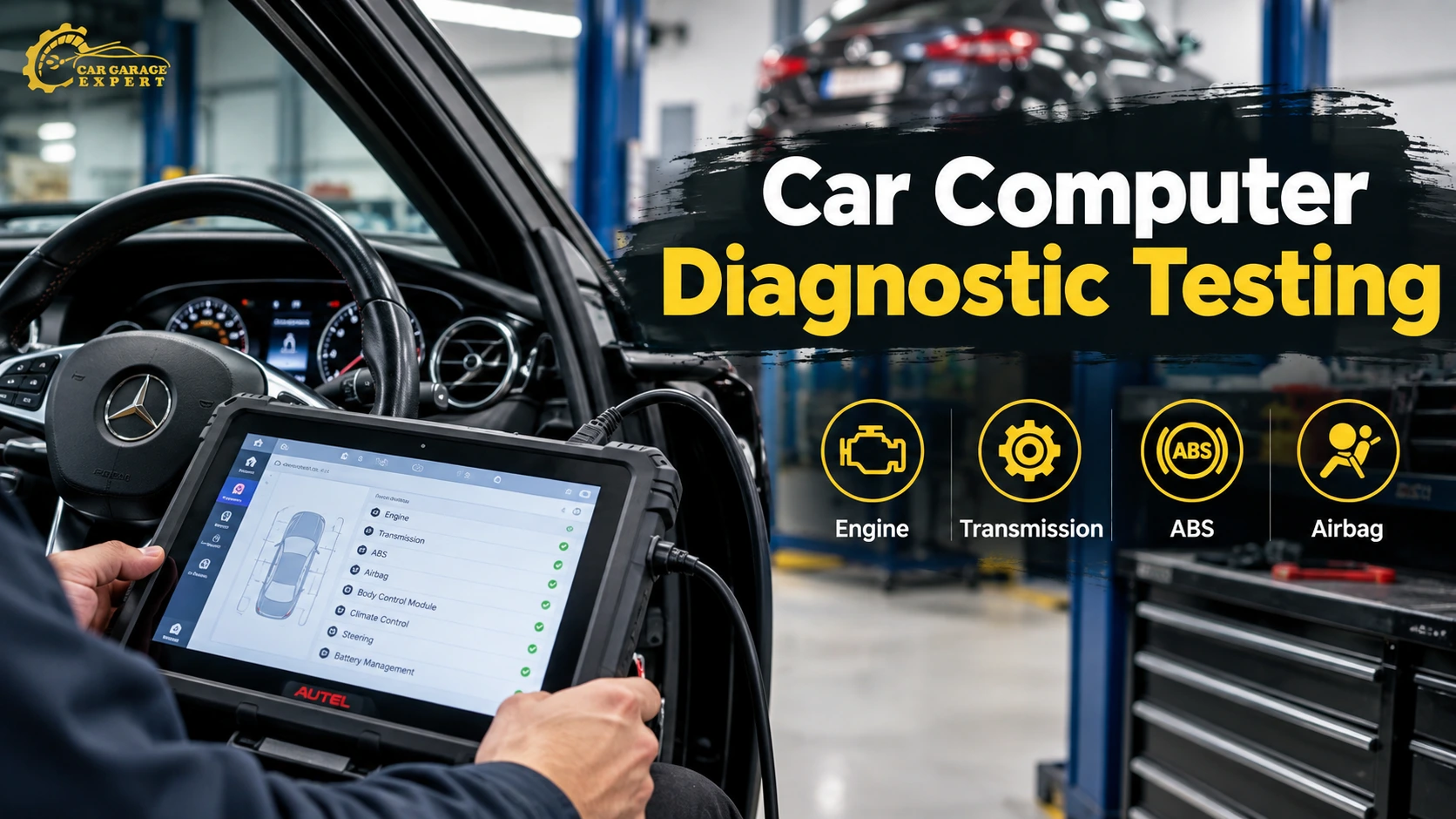
- Use Tesla-approved diagnostic tools
- Perform post-repair calibration (sensors, autopilot cameras, radar)
This matters because even a minor bumper repair can misalign safety features like lane assist and collision warning.
3. GENUINE PARTS & PAINT
Every replacement part—clips, bumpers, doors, glass, sensors—is sourced directly through Tesla’s supply chain.
For Tesla painting near me, certified shops use Tesla-approved paint formulas, ensuring proper color matching and heat-resistant finish.
4. WARRANTY PROTECTION
Using a non-certified shop may affect your repair warranty. Tesla-certified facilities ensure your warranty stays intact after eligible repairs.
Non-Certified Tesla Body Shops: Pros & Cons
Non-certified shops are cheaper but may lack Tesla-specific training, tools, and calibration systems.
Advantages
- Lower pricing on minor repairs
- Faster appointment availability
- Suitable for cosmetic-only jobs (scratches, minor dents)
Some non-certified shops do excellent work on simple repairs, especially if you are on a tight budget.
Risks
Here’s where things can go wrong:
1. Safety System Misalignment
Teslas rely heavily on software and sensors. Without proper calibration:
- Autopilot may malfunction
- Blind spot detection may fail
- Parking sensors may misread distances
These issues compromise safety.
2. Incorrect Aluminum Repair
Aluminum requires:
- Dedicated repair bays
- Tesla-approved rivets
- Specialized tools
Untrained technicians may weaken the vehicle structure without realizing it.
3. Paint Mismatch
Teslas require multi-stage paint processes with exact curing temperatures. Inconsistent paintwork can reduce your car’s resale value.
4. Aftermarket or Non-GCC Spec Parts
These can cause:
- Fitment issues
- Sensor failures
- Reduced durability due to Dubai’s weather conditions
Non-certified repair is tempting for affordability—but it’s risky.
Key Differences: Certified vs Non-Certified Tesla Body Shops
| Feature | Certified Tesla Body Shop | Non-Certified Tesla Shop |
|---|---|---|
| Training | Tesla factory-trained | General technicians |
| Tools | Tesla-approved tools & software | Standard tools |
| Parts | 100% Genuine Tesla OEM | Aftermarket or used parts |
| Paint System | Tesla matching formulas | Standard paint matching |
| Calibration | Full ADAS & sensor calibration | Limited / unavailable |
| Warranty | Protected | May be affected |
| Safety | Fully restored | Not guaranteed |
| Ideal for | Major repairs, structural work | Minor scratches, cost-saving repairs |
If you’re ready to get your Tesla checked, you can easily book an Appointment with our team at a time that works best for you.
When Should You Choose a Certified Tesla Body Shop?
Always choose certified when repairs involve sensors, structural components, the battery area, or safety systems.
Choose certified if the damage involves:
- Bumper with sensors
- Windshield (camera calibration)
- Autopilot cameras
- Structural frame
- Battery casing
- Aluminum panel replacement
- Radar and parking sensors
This ensures your Tesla remains safe and fully functional.
When Is a Non-Certified Shop Acceptable?
Non-certified can be okay for simple cosmetic repairs.
Suitable for:
- Minor paint scratches
- Small dents
- Alloy wheel touch-up
- Simple bumper repainting
How Car Garage Expert Supports Tesla Owners
Tesla repairs require precision, and that’s where we at Car Garage Expert come in. Our technicians understand Tesla materials, repair structure, paint systems, and calibration needs. You get transparent guidance, genuine parts when needed, and a professional repair environment designed for advanced EVs.
If you prefer to have routine mechanical checks done at home or at work, our mobile team can assist. Learn more through our mobile car mechanic service, which supports Tesla inspections and basic mechanical concerns in a convenient, on-site format.
Whether you need diagnostics, cosmetic improvements, or sensor recalibration, our workshop environment ensures Tesla-grade repair quality.
What About Tesla Roadside Assistance?
If your Tesla has been in an accident, overheats, or displays system warnings, you may need towing. While Tesla roadside assistance helps with emergencies, it doesn’t always transport you to your preferred shop. Suppose you want repairs done at a Tesla Body Shop you trust. In that case, we arrange safe transport to our facility in accordance with proper EV towing protocols.
Conclusion
Choosing between a certified and non-certified Tesla Body Shop depends on the type of repair you need. For any repair involving sensors, motors, radar, battery area, or structural elements, certified is always the safest choice. For cosmetic-only work, a reputable non-certified shop may be enough—but precision matters.
At Car Garage Expert, our Tesla-trained team ensures professional craftsmanship, accurate diagnostics, and a repair experience built around quality and trust. Whether you need a complete structural repair, a paint restoration, or a convenient mobile inspection, we support you at every step with transparent pricing and expert attention to detail.
Also, When you look for a Tesla garage near me, what you really need is a workshop that understands the unique engineering, electronics, and repair standards your Tesla depends on.
Your Tesla deserves a body shop that understands how advanced its engineering truly is—and we deliver exactly that.
FAQs
1. What does a Tesla Body Shop actually repair?
The Tesla Body Shop handles collision repairs, bumper replacement, structural alignment, ADAS calibration, and complete paint restoration.
2. Is a certified Tesla Body Shop always required?
Not always—certified shops are essential for major or sensor-related repairs, but non-certified facilities can do cosmetic repairs.
3. Does a non-certified Tesla shop affect my warranty?
It can. Warranty impact depends on the repair type and parts used, especially if structural or electronic systems are involved.
4. How long does Tesla body repair usually take?
Minor repairs take 1–3 days; major repairs or parts-dependent repairs can take 7–14 days or more.
5. Can I use aftermarket Tesla parts to reduce repair costs?
Aftermarket parts may reduce cost but can cause fitment issues, calibration errors, or long-term durability problems.
6. Why is Tesla’s paint more expensive than that of regular cars?
Tesla uses multi-layer paint formulations and requires temperature-controlled curing for a proper finish and durability, which raises repair costs.