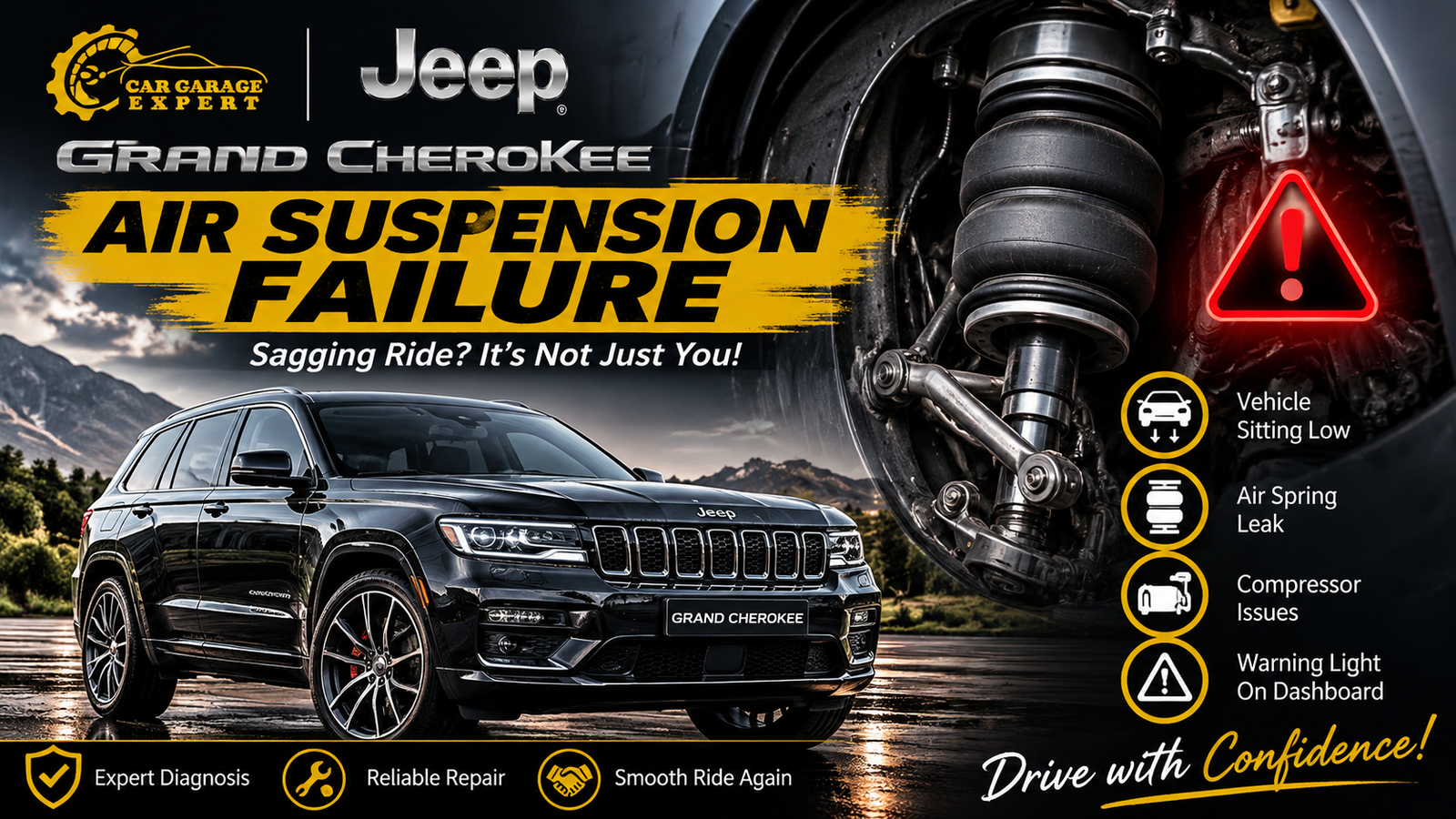
The Jeep Grand Cherokee is known for its powerful performance, comfortable interior, and impressive off-road capabilities. One of the features that makes certain models particularly comfortable is the Quadra-Lift air suspension system. It allows the vehicle to adjust its ride height according to driving conditions, improving ground clearance, handling, and passenger comfort.
However, like other advanced automotive systems, air suspension components can develop problems over time. Jeep Grand Cherokee air suspension failure is an issue that can affect ride quality, vehicle stability, and overall driving safety. Owners may notice that their SUV sits lower than usual, struggles to change height, or displays a Service Air Suspension warning on the dashboard.
These problems can become particularly inconvenient in Dubai, where high ambient temperatures, dusty conditions, and occasional desert driving can place additional demands on vehicle components.
Understanding the warning signs and identifying the actual cause early can help prevent unnecessary component replacements and expensive repairs. In this guide, Car Garage Expert explains the common causes, symptoms, diagnosis, and repair options for Jeep Grand Cherokee air suspension problems in Dubai.
How Does the Jeep Grand Cherokee Air Suspension System Work?
The Jeep Grand Cherokee uses an electronically controlled air suspension system known as Quadra-Lift, available on selected models and configurations.
Unlike conventional suspension systems that rely entirely on steel coil springs, this technology uses pressurised air springs to support the vehicle’s weight and adjust its ride height.
The system consists of several interconnected components:
- Air springs: Support the vehicle and allow the suspension height to change.
- Air suspension compressor: Generates compressed air required for suspension operation.
- Air reservoir: Stores pressurised air for ride-height adjustments.
- Valve block: Controls the distribution of air to individual suspension components.
- Height sensors: Monitor the position of each corner of the vehicle.
- Suspension control module: Processes sensor information and manages system operation.
These components work together to maintain the correct ride height and adapt the suspension to different driving conditions.
Depending on the model and equipment, the driver can select different ride-height settings, including Normal Ride Height, Off-Road 1, Off-Road 2, Aero Height, and Entry/Exit Height.
When everything works correctly, the system provides a comfortable driving experience on Dubai’s roads while offering additional ground clearance when required.
Common Symptoms of Jeep Grand Cherokee Air Suspension Failure
Recognising the early symptoms of an air suspension problem can help prevent further damage. Here are some common warning signs Jeep Grand Cherokee owners should look out for.
1. Vehicle Sits Lower Than Normal
One of the most noticeable symptoms is an unusually low vehicle height.
You might notice that one corner of your Grand Cherokee sits lower than the other three. In some cases, the entire rear section may appear lower, particularly after the vehicle has been parked overnight.
This often indicates an air leak, damaged air spring, or problem with the valve block.
If the vehicle repeatedly loses height while parked, a professional inspection is recommended.
2. Service Air Suspension Warning Light
A Service Air Suspension message on the dashboard is another common indication of a potential system malfunction.
This warning appears when the suspension control system detects an abnormal condition that affects normal operation.
Possible causes include:
- Faulty height sensors.
- Compressor performance problems.
- Air pressure irregularities.
- Damaged suspension air lines.
- Electrical connection problems.
- Suspension control module faults.
The warning message alone cannot identify the exact failed component. A diagnostic scan is necessary to determine the underlying issue.
3. Suspension Takes Too Long to Raise or Lower
The Quadra-Lift system should adjust vehicle height according to its selected settings and operating conditions.
If your Grand Cherokee takes considerably longer than usual to reach the requested height, there may be an issue with the compressor, air supply, restricted air lines, or control system.
You may also notice that the system refuses to complete a height adjustment.
Repeated delays should not be ignored because an underlying air leak can force the compressor to work harder than necessary.
4. Compressor Makes Unusual Noise
The air suspension compressor normally produces some operating noise when adjusting the vehicle’s height.
However, unusually loud humming, excessive vibration, or prolonged compressor operation can indicate a developing problem.
A leaking air spring or damaged air line may cause the compressor to run repeatedly as it attempts to maintain the required pressure.
Ignoring this condition can eventually lead to compressor overheating or complete failure.
5. Uneven Ride Quality
A failing air suspension system can affect the way your Jeep handles on the road.
You might experience:
- Excessive bouncing over road imperfections.
- A rougher ride than usual.
- Uneven vehicle height.
- Reduced driving comfort.
- Unusual suspension behaviour during cornering.
These symptoms can also be associated with conventional suspension faults, so a complete inspection is important.
6. Vehicle Cannot Reach the Selected Ride Height
Another warning sign is when the suspension becomes stuck at a particular height.
For example, you may attempt to raise the vehicle for additional ground clearance, but the system does not respond.
This can happen because of insufficient air pressure, a malfunctioning valve block, inaccurate sensor readings, or an electronic control issue.
What Causes Jeep Grand Cherokee Air Suspension Failure?
Several mechanical and electronic problems can affect the Quadra-Lift system. Identifying the correct cause is essential because replacing the wrong component can increase repair expenses without solving the original problem.
1. Damaged or Leaking Air Springs
Air springs are among the most important components of the suspension system.
Over time, rubber materials can deteriorate, develop cracks, or lose their ability to maintain air pressure.
External damage can also occur when debris becomes trapped around the flexible air spring material.
In vehicles used for desert driving, stones and other debris may become lodged in the folds of an air spring and contribute to physical damage.
Common signs include:
- One corner of the vehicle sitting lower.
- Suspension height dropping overnight.
- Repeated compressor operation.
- Uneven ride quality.
Replacing a damaged air spring and checking the remaining components can help restore normal suspension operation.
2. Faulty Air Suspension Compressor
The compressor is responsible for generating the compressed air required by the system.
Like other mechanical components, it can experience wear through extended use.
A compressor may also fail prematurely when an air leak forces it to operate more frequently than intended.
Common compressor-related symptoms include:
- Vehicle struggling to rise.
- Compressor running for extended periods.
- Suspension warning messages.
- Insufficient air pressure.
- Complete loss of height-adjustment functionality.
A technician should check compressor operation, electrical supply, pressure performance, and related air leaks before recommending replacement.
3. Damaged Air Lines and Connections
Air lines transfer compressed air between the compressor, reservoir, valve block, and air springs.
A damaged, restricted, or poorly connected line can interrupt normal air distribution.
This may result in slow suspension adjustments, uneven ride height, or a vehicle that cannot achieve its selected position.
Importantly, Jeep has published technical service information for certain model-year Grand Cherokees addressing pinched front air suspension lines.
This demonstrates why checking the air lines is an important part of an accurate diagnosis rather than immediately replacing the compressor.
4. Malfunctioning Valve Block
The valve block controls how compressed air moves throughout the suspension system.
If an internal valve becomes stuck, contaminated, or damaged, the system may struggle to distribute air correctly.
Possible symptoms include:
- One or more suspension corners failing to adjust.
- Uneven ride height.
- Slow raising or lowering.
- Incorrect air pressure distribution.
Depending on the condition, the valve block may require testing, repair, or replacement.
5. Faulty Ride Height Sensors
Height sensors continuously monitor the position of the vehicle’s suspension.
They send information to the suspension control module, which uses these readings to determine whether additional air is required.
A damaged sensor, worn linkage, loose connector, or wiring fault can produce inaccurate measurements.
As a result, the suspension may adjust incorrectly or refuse to operate.
Sensor testing and calibration should be performed before replacing other expensive suspension components.
6. Electrical or Control Module Problems
Modern Jeep suspension systems depend on electronic communication between several vehicle modules.
Damaged wiring, poor electrical connections, software issues, or a malfunctioning suspension control module can interrupt normal operation.
These problems can trigger dashboard warnings even when the mechanical suspension components are still functional.
A suitable diagnostic scan and electrical inspection can help identify the source.
How Dubai’s Driving Conditions Can Affect Jeep Air Suspension
Dubai offers a mixture of highways, urban roads, speed bumps, construction areas, and desert driving environments. These conditions can influence suspension wear and maintenance requirements.
High Ambient Temperatures
Dubai experiences high outdoor temperatures during summer.
The air suspension compressor and its electrical components operate within a particular temperature range. Extended operation, repeated height adjustments, or an existing air leak can increase thermal load.
The system may temporarily restrict operation if a component reaches its temperature threshold.
However, high outdoor temperatures alone do not confirm compressor failure. The technician must investigate whether the warning is caused by normal thermal protection, excessive compressor operation, or another fault.
Dust and Sand Exposure
Dust and sand can accumulate around exposed suspension components.
If debris becomes trapped around flexible air spring surfaces or affects connectors and surrounding components, it may contribute to wear or inspection concerns.
Regular cleaning and visual inspection are particularly useful for vehicles frequently driven outside paved urban areas.
Desert and Off-Road Driving
The Grand Cherokee is designed for challenging terrain, but off-road driving can expose suspension components to rocks, sharp debris, and uneven surfaces.
Small stones trapped within air spring folds may damage the material over time.
Drivers should inspect their suspension after demanding off-road trips, particularly if they notice unusual noises or changes in vehicle height.
How to Diagnose Jeep Grand Cherokee Air Suspension Problems
Accurate diagnosis is the most important step before carrying out any repair.
At Car Garage Expert, a systematic inspection approach can help identify the actual cause instead of replacing components based on symptoms alone.
Step 1: Check the Dashboard Warning Messages
The first step is to identify the warning displayed by the vehicle.
The technician should record the message and establish when the problem occurs.
For example, does the warning appear immediately after starting the vehicle, during a height adjustment, or after extended driving?
This information helps narrow down the possible causes.
Step 2: Perform a Diagnostic Scan
A professional diagnostic tool capable of communicating with the suspension control module should be used.
Stored diagnostic trouble codes can provide valuable information about sensor performance, air pressure, system operation, and electronic faults.
Depending on the vehicle and fault, codes may include:
- C15A1-00: Unable to Obtain Desired Ride Height.
- C15A2-00: Ride Height System Unlevel.
- C1556-16: Height Sensors Implausible.
- C1509-00: Low Airmass.
These codes should be interpreted alongside the vehicle’s symptoms and manufacturer diagnostic procedures. A code does not automatically mean that the component mentioned in its description must be replaced.
Step 3: Inspect the Air Springs
All four suspension corners should be inspected for cracks, deterioration, damage, and signs of leakage.
The technician should pay particular attention to the flexible rubber areas and air spring connections.
An appropriate leak-detection procedure can help identify the exact location of escaping air.
Step 4: Test the Compressor and Valve Block
The compressor should be evaluated for operating performance, electrical supply, pressure generation, and signs of overheating.
The valve block should also be checked to establish whether air is being distributed correctly.
This helps determine whether the problem is related to the air supply or distribution system.
Step 5: Check Sensors, Wiring, and Connections
Finally, technicians should inspect ride height sensor readings, wiring harnesses, connectors, and control module communication.
If necessary, the system should undergo calibration and functional testing after the repair.
Jeep Grand Cherokee Air Suspension Repair Options in Dubai
The correct repair depends on the component responsible for the failure.
Here are the most common repair solutions.
Air Spring Replacement
If an air spring has developed a leak or suffered physical damage, replacing the affected component may be necessary.
The surrounding suspension components should also be inspected to ensure that the new air spring will operate correctly.
Compressor Repair or Replacement
If testing confirms compressor failure, the unit may require repair or replacement, depending on the available service parts and its overall condition.
Before installing a new compressor, technicians should identify and correct any existing air leaks that may have caused the original failure.
Air Line and Valve Block Repair
Damaged or improperly connected air lines should be repaired or replaced using suitable components.
A faulty valve block may require component-level repair or replacement.
The complete system should then be tested for correct air distribution and pressure retention.
Height Sensor Replacement and Calibration
A defective ride height sensor may need replacement.
Once installed, the system should be checked for accurate sensor readings and correct suspension positioning.
Control Module Diagnosis
If the issue involves software, wiring, or electronic communication, the technician should follow the appropriate diagnostic procedures.
Depending on the fault, the solution may involve wiring repair, software updates, or control module replacement.
How Much Does Jeep Grand Cherokee Air Suspension Repair Cost in Dubai?
The cost of repairing Jeep Grand Cherokee air suspension problems depends on the model year, failed component, availability of replacement parts, and labour requirements.
A minor air line repair will generally involve different expenses from replacing an air spring or compressor.
The main factors affecting repair costs include:
- Whether the problem involves one component or multiple components.
- Availability of genuine OEM or suitable aftermarket parts.
- Labour and diagnostic requirements.
- Whether additional calibration is necessary.
- The condition of the remaining suspension components.
For an accurate estimate, it is advisable to have the vehicle inspected before approving any replacement work.
At Car Garage Expert, the recommended approach is to identify the underlying problem first, explain the available repair options, and provide a quotation before proceeding.
How to Prevent Future Air Suspension Problems
Although air suspension components naturally experience wear, regular maintenance can help reduce the risk of unexpected failures.
Consider these maintenance practices:
- Schedule Regular Suspension Inspections
Have the air springs, lines, compressor, and connections checked during routine vehicle servicing.
- Avoid Ignoring Small Air Leaks
If your Grand Cherokee starts sitting lower overnight, arrange an inspection rather than repeatedly adjusting the ride height.
- Limit Unnecessary Height Adjustments
Use the available suspension settings according to the driving conditions. Avoid repeatedly raising and lowering the vehicle without a practical reason.
- Inspect the Vehicle After Off-Road Driving
Check for trapped stones, visible damage, and unusual suspension noises after driving on rocky or sandy terrain.
- Address Warning Messages Promptly
A suspension warning should be investigated early, particularly if the vehicle is sitting unevenly or the compressor is operating excessively.
- Use Qualified Repair Specialists
Air suspension systems operate with pressurised air and electronic controls. Repairs should be performed using suitable diagnostic equipment and manufacturer-approved procedures.
Why Choose Car Garage Expert for Jeep Grand Cherokee Air Suspension Repair in Dubai?
A Jeep Grand Cherokee requires a proper understanding of its mechanical suspension components and electronic control systems.
When dealing with air suspension failure, replacing parts without identifying the original fault can result in unnecessary expenses and recurring problems.
Car Garage Expert focuses on identifying the underlying suspension issue through systematic inspection and appropriate diagnostic procedures.
Whether your Grand Cherokee has an air leak, compressor problem, faulty height sensor, or electronic suspension warning, accurate diagnosis is essential for choosing the right repair.
A professional inspection can help restore proper ride height, improve driving comfort, and reduce the likelihood of further suspension complications.
If your Jeep Grand Cherokee is showing suspension warning messages or sitting lower than normal, arrange an inspection before the problem becomes more serious.
Frequently Asked Questions (FAQs)
1. What are the common signs of Jeep Grand Cherokee air suspension failure?
Common signs include uneven vehicle height, a sagging rear end, unusual compressor noise, slow suspension adjustments, poor ride quality, and a Service Air Suspension warning on the dashboard.
2. Can I drive my Jeep Grand Cherokee with an air suspension problem?
It depends on the severity of the problem. A minor warning without noticeable changes may allow you to move the vehicle cautiously to a repair facility. However, driving with severe sagging, unstable handling, tyre contact, or major suspension failure can be dangerous. Professional inspection is recommended.
3. Why does my Jeep Grand Cherokee lower overnight?
If your vehicle sits lower after being parked overnight, an air leak may be allowing pressure to escape from an air spring, air line, or valve block. A leak test can help identify the exact source.
4. How much does Jeep Grand Cherokee air suspension repair cost in Dubai?
Repair costs depend on the failed component, model year, replacement parts, and labour. Compressor, air spring, valve block, and sensor repairs all have different costs. A diagnostic inspection is necessary for an accurate quotation.
5. Is it possible to replace Jeep Grand Cherokee air suspension with coil springs?
Yes, some vehicles can be converted from air suspension to conventional coil springs using a compatible conversion kit. However, compatibility, ride quality, electronic warnings, and vehicle configuration must be considered before making this decision.
Conclusion
Jeep Grand Cherokee air suspension failure can affect vehicle height, driving comfort, and overall stability. Problems may originate from leaking air springs, compressor wear, damaged air lines, faulty valve blocks, height sensors, or electronic control issues.
For Jeep owners in Dubai, regular inspections are particularly important because demanding driving conditions, desert exposure, and high ambient temperatures can place additional demands on vehicle components.
The most effective approach is to diagnose the actual problem before replacing any parts. With the right inspection, suitable replacement components, and proper system calibration, many air suspension problems can be resolved without unnecessary repairs.
Car Garage Expert recommends addressing suspension warning messages and unusual ride-height changes as early as possible to help keep your Jeep Grand Cherokee comfortable, reliable, and ready for Dubai roads.
Visit us in our Al Quoz, Dubai branch or visit Car Garage Expert