A grinding sound from your Hyundai while driving is never something you should dismiss. Whether the noise occurs only when you press the brake pedal or continues while the vehicle is moving, it can indicate worn brake pads, damaged rotors, a sticking brake calliper, trapped debris, or another braking system problem.
For Hyundai owners in Dubai, brake problems may develop more quickly due to high temperatures, heavy traffic, frequent stop-and-go driving, sand and dust, and demanding road conditions. Identifying the cause early can protect your brake components, reduce repair expenses, and—most importantly—help keep your Hyundai safe on the road.
If you are wondering what causes Hyundai brake grinding noise while driving, this guide from Car Garage Expert explains the causes, diagnosis, repairs, costs, prevention methods, and when you should stop driving.
what causes Hyundai brake grinding noise
A Hyundai brake grinding noise while driving is most commonly caused by severely worn brake pads that allow the metal backing plate to contact the brake rotor. Other possible causes include damaged or warped rotors, sticking brake callipers, debris trapped between brake components, worn wheel bearings, improperly installed brake parts, or corrosion. If the grinding happens even when you are not pressing the brake pedal, a seized calliper or foreign object may be keeping the brake pad in constant contact with the rotor. Hyundai owners in Dubai should arrange a brake inspection quickly because heat, traffic, dust, and sand can accelerate brake-system wear.
Problem Overview
Your Hyundai’s braking system relies on friction between several components to slow the vehicle safely. When you press the brake pedal, hydraulic pressure causes the brake calliper to push the brake pads against the rotor. Under normal conditions, this process should be relatively smooth and quiet.
Grinding usually means two components are contacting each other in a way they should not.
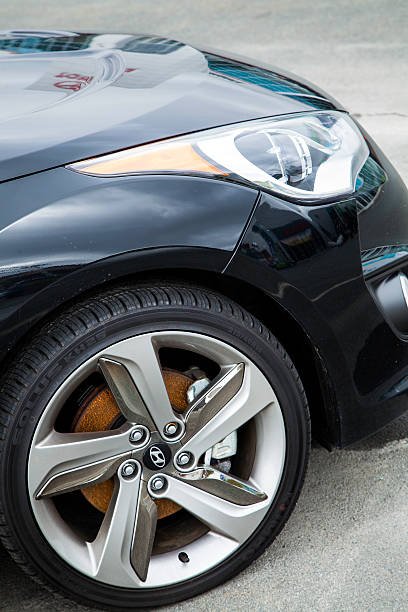
One of the most common situations occurs when the brake pad friction material becomes completely worn. The remaining metal backing plate then presses directly against the metal brake disc or rotor. This produces the harsh grinding or scraping noise many drivers notice.
However, brake-pad wear is not the only explanation.
A Hyundai can also develop grinding noises due to calliper problems, rotor damage, road debris, wheel-bearing wear, incorrect brake installation, or other mechanical issues in the wheel assembly.
Determining exactly what causes Hyundai brake grinding noise while driving requires checking when the noise happens, where it comes from, and whether other braking symptoms are present.
Symptoms of Hyundai Brake Grinding Problems
Grinding noise is often accompanied by additional warning signs. Recognising them can help determine how serious the problem may be.
Grinding When Pressing the Brake Pedal
A rough metallic noise that appears mainly during braking commonly indicates worn brake pads or damaged brake rotors.
Grinding While Driving Without Braking
If your Hyundai produces a scraping or grinding sound while the brake pedal is released, something may be keeping the brake pad against the rotor. A sticking calliper, damaged brake hardware, or trapped debris could be responsible.
Brake Pedal Vibration
Vibration or pulsing through the brake pedal may indicate damaged, uneven, or excessively worn brake rotors.
Steering Wheel Vibration
If the steering wheel shakes when braking, especially at higher speeds, the front brake rotors or suspension components may require inspection.
Reduced Braking Performance
If your Hyundai takes longer to stop than usual, the brake system may already have significant wear or damage.
Vehicle Pulling to One Side
A sticking caliper or uneven brake pad wear can cause the vehicle to pull to one side during braking.
Burning Smell Near a Wheel
An overheating brake caused by a seized or partially sticking caliper can produce a strong burning smell.
Excessive Brake Dust
Unusually heavy brake dust around one wheel can indicate abnormal friction or uneven brake operation.
Brake Warning Light
Depending on the Hyundai model and fault, a brake, ABS, or related warning light may appear on the dashboard.
What Causes Hyundai Brake Grinding Noise While Driving?
Several problems can create grinding noises. A professional inspection should confirm the exact cause.
1. Completely Worn Brake Pads
Worn brake pads are among the most common causes of brake grinding.
Brake pads contain friction material designed to wear gradually. Once this material becomes too thin, the metal backing plate may come into direct contact with the rotor.
Metal-to-metal contact produces a sharp grinding sound and can quickly damage the brake rotor.
Ignoring worn pads can turn what might have been a routine brake-pad replacement into a more expensive repair involving pads, rotors, and potentially additional components.
2. Damaged or Excessively Worn Brake Rotors
Brake rotors should provide a relatively smooth surface for the pads.
Over time, excessive heat and wear can cause:
- Deep grooves
- Scoring
- Uneven surfaces
- Heat spots
- Excessive rotor thinning
- Distortion or warping
When damaged pads contact an uneven rotor, grinding or scraping noises may occur.
3. Sticking or Seized Brake Caliper
The brake caliper must release pressure after you remove your foot from the brake pedal.
If a caliper piston or slider becomes stuck, the brake pad can remain pressed against the rotor even while driving normally.
Possible symptoms include:
- Continuous grinding
- Vehicle pulling to one side.
- Burning smell
- One wheel becoming unusually hot.
- Reduced fuel efficiency
- Premature brake-pad wear
A sticking caliper should be repaired promptly, as excessive heat can damage several surrounding components.
4. Stones, Sand, or Debris Between Brake Components
Dubai roads can expose vehicles to significant amounts of sand and road debris.
Small stones or hard particles can occasionally become trapped between the rotor and surrounding brake components. When this happens, drivers may hear scraping or grinding that changes with vehicle speed.
Not every grinding sound means the brake pads are completely worn, which is why inspection is important.
5. Bent Brake Dust Shield
A thin metal shield is positioned near the brake rotor on many vehicles.
If this shield becomes bent, it may rub against the rotating brake disc, producing a continuous scraping or grinding sound.
This can sometimes happen after wheel repairs, impacts, or driving over road debris.
6. Worn Wheel Bearing
Not every grinding noise near the wheels comes from the brakes.
A damaged wheel bearing can produce humming, growling, or grinding sounds that become more noticeable as vehicle speed changes.
The noise may also become louder when turning in one direction, which can help separate it from brake-related noise.
Because worn wheel bearings can affect vehicle control and safety, they should be inspected promptly.
7. Incorrectly Installed Brake Components
Grinding may appear shortly after brake work.
Possible causes include:
- Incorrect brake-pad installation
- Loose brake hardware
- Misaligned components
- Incorrect rotor installation
- Missing clips or shims
- Improperly lubricated calliper slide pins
If your Hyundai started grinding soon after a brake service, the braking system should be rechecked for installation or alignment issues.
8. Brake Pad Wear Indicator Contact
Some brake pads use a small metal wear indicator that contacts the rotor when the pads become thin.
This typically creates a squealing or scraping sound rather than severe grinding, but drivers sometimes describe it as a grinding noise.
The sound is essentially a warning that brake-pad replacement may soon be required.
9. Corrosion or Surface Rust
When a vehicle remains parked for some time, particularly in humid conditions, a light layer of surface corrosion can form on the brake rotors.
Minor surface rust may cause brief scraping during the first few braking applications, then disappear.
Persistent grinding, however, should not be assumed to be harmless rust.
10. Brake Hardware Damage
Clips, retaining springs, shims, and other brake hardware help keep components in the correct position.
Damaged or loose hardware can contact moving parts, creating unusual metallic noises.
Diagnostic Process
A proper diagnosis prevents unnecessary part replacement.
At Car Garage Expert, a Hyundai brake grinding inspection may involve several checks based on the symptoms.
Step 1: Confirm the Noise
The technician identifies whether the noise happens:
- During braking
- During acceleration
- While cruising
- During turns
- At low speeds
- At higher speeds
This helps distinguish brake noise from wheel-bearing, suspension, or drivetrain problems.
Step 2: Visual Brake Inspection
The wheels may be removed to inspect the condition of the brake components.
Technicians check:
- Brake-pad thickness
- Rotor condition
- Calipers
- Caliper slide pins
- Brake hoses
- Dust shields
- Brake hardware
Step 3: Check for Uneven Wear
Uneven brake pad wear can indicate problems with the caliper or slide mechanism.
For example, if one pad is significantly thinner than the opposite pad, the caliper may not be operating correctly.
Step 4: Measure Brake Rotors
Rotor thickness and condition may be checked against manufacturer specifications.
Rotors that are too thin, heavily scored, cracked, or otherwise damaged may require replacement.
Step 5: Inspect Wheel Bearings and Surrounding Components
If the brakes appear normal, technicians may inspect the wheel bearing, hub, suspension, and other rotating components.
Step 6: Road Test
When appropriate and safe, a controlled road test can help confirm whether the noise has been resolved.
Hyundai Brake Repair Process
The required repair depends entirely on the diagnosis.
Brake Pad Replacement
If the pads are worn but the rotors remain serviceable, replacing the brake pads may solve the problem.
Both pads on the same axle are normally replaced together to maintain balanced braking performance.
Brake Pad and Rotor Replacement
If metal-to-metal contact has severely damaged the rotor, both the brake pads and the brake discs may need to be replaced.
Installing new pads onto severely damaged rotors can reduce braking performance and shorten the life of the new pads.
Brake Caliper Repair or Replacement
A sticking caliper may require cleaning, servicing, rebuilding, or replacement depending on its condition.
The technician may also inspect the brake hose and hydraulic system.
Brake Hardware Replacement
Damaged clips, springs, shims, or other hardware should be replaced when necessary.
Dust Shield Adjustment
If the brake shield is rubbing against the rotor, it may simply need to be repositioned. A damaged shield may require replacement.
Wheel Bearing Replacement
If the grinding originates from a worn wheel bearing rather than the brakes, the bearing or the complete hub assembly may need to be replaced.
Risks of Ignoring Hyundai Brake Grinding Noise
Continuing to drive with a serious brake grinding problem can cause the damage to spread.
Increased Stopping Distance
Worn braking surfaces may reduce the vehicle’s ability to stop efficiently.
Rotor Damage
A worn brake pad can rapidly score the brake disc once metal-to-metal contact begins.
Caliper Damage
Extreme brake wear and overheating can potentially damage callipers and associated components.
Brake Overheating
Constant friction from a sticking brake can generate significant heat around the wheel.
Higher Repair Costs
Replacing brake pads early is generally much simpler than repairing a braking system after prolonged metal-to-metal contact.
Reduced Vehicle Safety
The most serious concern is compromised braking performance during sudden or emergency stops.
Can You Continue Driving With Hyundai Brake Grinding Noise?
Driving should be kept to an absolute minimum until the cause is identified.
A slight temporary scraping sound after the vehicle has been parked may occasionally come from surface rust. Persistent or severe grinding is different.
You should avoid continuing to drive if you notice:
- Strong metal-on-metal grinding
- Reduced braking response
- A soft or abnormal brake pedal
- Vehicle pulling during braking.
- Burning smell
- Smoke near a wheel
- Severe vibration
- Brake warning lights combined with braking problems
If braking performance feels unsafe, arranging professional recovery is safer than driving the vehicle to a workshop.
How Long Does Hyundai Brake Repair Take?
Repair time depends on the fault and the availability of suitable replacement parts.
A straightforward brake-pad replacement may be completed relatively quickly, while repairs involving seized callipers, damaged rotors, wheel bearings, or multiple components naturally take longer.
Factors affecting repair time include:
- Hyundai model
- Front or rear brake location
- Number of damaged components
- Condition of the brake system
- Parts availability
- Severity of corrosion or wear
- Additional faults discovered during inspection
Getting the vehicle inspected early can often prevent a relatively simple brake issue from becoming a larger repair.
Hyundai Brake Grinding Repair Cost Factors
There is no single price for repairing a Hyundai grinding noise because the correct repair depends on the underlying fault.
Important cost factors include:
Hyundai Model
Brake components vary across Hyundai vehicles, including the Accent, Elantra, Sonata, Tucson, Santa Fe, Creta, Kona, Palisade, and other models.
Parts Required
Replacing brake pads costs differently from replacing pads, rotors, and calipers together.
Front vs Rear Brakes
Front and rear brake systems can use different components and may have different labor requirements.
Genuine, OEM-Equivalent, or Aftermarket Parts
The brand and specification of replacement components can influence the final cost.
Extent of Damage
A grinding problem discovered early may require fewer components than one that has been ignored for weeks.
Additional Labor
Seized bolts, damaged hardware, stuck calipers, or related suspension issues may increase repair complexity.
For an accurate quotation, a physical brake inspection is usually the best approach.
Prevention Tips for Hyundai Brake Grinding
Brake problems cannot always be prevented, but proper maintenance can significantly reduce the likelihood of severe grinding damage.
Inspect Brake Pads Regularly
Do not wait until metal-to-metal grinding begins before checking pad thickness.
Respond to Squealing Early
Squealing can be an early warning of brake wear. Addressing it promptly may help prevent rotor damage.
Avoid Riding the Brakes
Keeping your foot lightly on the brake pedal for extended periods can create unnecessary heat and wear.
Maintain Safe Following Distance
More distance between vehicles allows smoother braking and reduces the frequency of hard stops.
Inspect Brakes During Routine Service
Ask for the brake system to be checked during scheduled maintenance.
Investigate Vehicle Pulling
Pulling under braking can indicate uneven brake operation and should not be ignored.
Use Correct Brake Components
Quality parts that meet appropriate specifications can provide better durability, braking consistency, and fitment.
Service Caliper Slides When Necessary
Properly functioning caliper slide mechanisms help pads wear evenly.
Dubai-Specific Advice for Hyundai Owners
Driving conditions in Dubai can place considerable demands on a vehicle’s braking system.
High Temperatures
Dubai’s extreme summer temperatures can exacerbate the heat generated during braking.
Repeated braking in traffic can further increase brake-system temperatures.
Stop-and-Go Traffic
Frequent braking in congested commuting conditions can accelerate brake pad wear compared with steady highway driving.
Sand and Dust
Fine sand and road debris can accumulate around wheels and brake components. In some situations, particles may contribute to scraping noises or accelerate component wear.
Highway Speeds
Dubai’s major roads allow relatively high cruising speeds. Brakes must therefore remain in good condition to handle emergency braking effectively.
Long Periods of Parking
Vehicles left unused for extended periods may develop surface corrosion on brake rotors, particularly when exposed to moisture. Regular Inspection Is Valuable. For vehicles frequently used in Dubai traffic, periodic brake inspections can help identify worn pads, uneven wear, or calliper problems before they become serious.If your Hyundai suddenly develops brake grinding on Sheikh Zayed Road, Al Quoz, Dubai Marina, Business Bay, Jumeirah, Deira, Bur Dubai, or in surrounding communities, do not assume the noise will resolve on its own.
Why Choose Car Garage Expert for Hyundai Brake Repair in Dubai?
When brake noise appears, accurate diagnosis matters just as much as replacing parts.
Car Garage Expert provides professional vehicle inspection and repair solutions for Hyundai owners in Dubai.
Choosing an experienced garage can help ensure the grinding noise is accurately traced rather than components being replaced by guesswork.
Detailed Brake Inspection
The braking system can be inspected for worn pads, damaged rotors, sticking callipers, brake hardware issues, and other potential causes.
Hyundai Repair Experience
Familiarity with Hyundai braking systems can help technicians identify common wear patterns and model-specific concerns.
Transparent Repair Recommendations
A proper inspection helps determine which components actually require repair or replacement.
Quality Replacement Parts
Correctly specified brake components help support safe, consistent braking performance.
Comprehensive Vehicle Checks
Because grinding noises do not always originate from the brake pads, surrounding wheel and suspension components can also be examined when necessary.
Dubai-Focused Automotive Service
Local driving conditions matter. Brake inspections and maintenance should account for Dubai’s heat, traffic, dust, and demanding road environment.
Frequently Asked Questions
1. Why Is My Hyundai Grinding When I Brake?
The most common reason is severely worn brake pads. Once the friction material has worn away, the metal pad backing can contact the brake roto, producinge a grinding sound. Damaged rotors, sticking calipers, trapped debris, or problems with brake hardware can also cause similar noises. A brake inspection is needed to identify the exact source.
2. Can Worn Hyundai Brake Pads Damage the Rotors?
Yes. If brake pads wear completely through their friction material, their metal backing plates can grind directly against the rotors. This can create deep grooves and may necessitate rotor replacement. Replacing worn pads before metal-to-metal contact occurs can help reduce additional damage.
3. Is Hyundai Brake Grinding Dangerous?
It can be. Severe grinding may indicate that important braking components are badly worn or malfunctioning. The vehicle may experience reduced stopping performance, overheating, pulling, vibration, or additional brake damage. Persistent grinding should therefore be inspected as soon as possible.
4. How Much Does It Cost to Fix Hyundai Brake Grinding in Dubai?
The cost depends on the cause of the noise, the Hyundai model, the parts required, the labor involved, and whether components such as brake pads, rotors, calipers, bearings, or hardware need replacement. cause grinding can have several causes, a professional inspection is the most reliable way to obtain an accurate repair estimate.
Conclusion
In many cases, the problem begins with brake pads that have worn beyond their safe service life. However, damaged rotors, seized calipers, trapped stones, bent dust shields, worn wheel bearings, faulty brake hardware, and installation problems can create similar noises.
The important point is that persistent grinding should never be treated as normal.
Early inspection may mean the difference between replacing a relatively simple wear component and repairing multiple damaged brake-system parts. More importantly, maintaining your Hyundai’s braking system is essential for dependable stopping. Dubai’s intense heat, congested traffic, high-speed roads, sand, and dust make preventive brake maintenance particularly important. If you notice grinding, vibration, pulling, unusual brake pedal behavior, or reduced braking response, arrange an inspection before the condition worsens.
Book Your Hyundai Brake Inspection With Car Garage Expert Today
Hearing a grinding noise from your Hyundai while driving or braking? Do not wait for the problem to become more expensive—or compromise your braking performance.
Contact Car Garage Expert in Dubai today to arrange a professional Hyundai brake inspection. Our technicians can identify the source of the grinding noise, check your brake pads, rotors, calipers, wheel components, and related hardware, and recommend the appropriate repair.
Book your Hyundai brake service with Car Garage Expert today and get your vehicle back on Dubai roads with smooth, quiet, and dependable braking.
Visit us in our Al Quoz, Dubai branch or visit Car Garage Expert