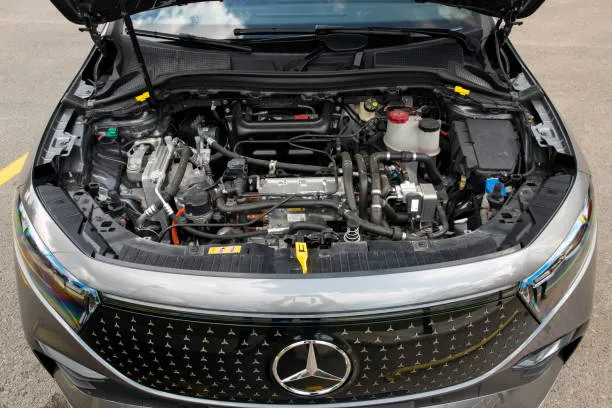
Modern Mercedes-Benz cars are known for the right balance of luxury, power, and engineering precision. The Mercedes Engine Management System is one of the most critical technologies that enable this balance. It is a complex network of sensors, control units, and software that continuously monitors and optimizes engine operation.
This system is essential to how well your Mercedes works every day. It helps with smooth movement, uses less petrol, and produces less pollution. Knowing how it works and what happens when it doesn’t can help owners make better care decisions and avoid expensive repairs, especially in places like Dubai, where driving conditions are harsh.
Understanding the Mercedes Engine Management System
The engine’s brain is the Mercedes Engine Management System. It controls fuel injection, ignition timing, airflow, emissions systems, and engine safety functions using real-time input from multiple sensors.
Instead of having stable mechanical settings, Mercedes engines are constantly changing based on things like
- Speed and load on the engine
- The temperature outside
- How you drive
- Quality of the fuel, Height, and quantity of the air
Because they are so well-adapted, Mercedes cars can deliver high speed without sacrificing fuel efficiency.
How the Mercedes Engine Management System Improves Performance
Precision Fuel Injection and Combustion
Giving the right amount of fuel is one of the main ways that the Mercedes Engine Management System improves speed. The engine doesn’t underfuel (which lowers power) or overfuel (which wastes fuel) because it figures out the exact amount of fuel it needs for each combustion cycle.
Because of this accuracy,
- The throttle responds faster.
- More even acceleration
- Engine power that stays the same in all driving situations
Optimized Ignition Timing
Ignition time is significant for how well and how much power an engine has. To ensure optimal combustion, the device adjusts spark timing based on engine speed, load, and temperature. This improves torque transfer and prevents knocking and long-term engine damage.
Turbocharger and Airflow Control
The Mercedes Engine Management System manages boost pressure and airflow in turbocharged Mercedes models to deliver maximum performance without overstressing the engine’s components. This balance is what makes Mercedes engines feel both strong and smooth.
How the Mercedes Engine Management System Improves Fuel Efficiency
Fuel efficiency is not just about driving slowly—it’s about intelligent control.
Adaptive Driving Adjustments
The technology learns how you drive and adjusts the fuel map accordingly. When it’s moving at a steady speed, it saves fuel first. When it speeds up, it provides power efficiently without using too much fuel.
Emissions and Efficiency Balance
The system controls oxygen monitors, exhaust gas recirculation (EGR), and catalytic converters to make sure that fuel is burned efficiently and cleanly. This reduces wasted fuel and ensures emissions stay within tight limits below.
Idle and Start-Stop Optimization
The Mercedes Engine Management System uses the least amount of fuel possible when the engine is at rest, so it doesn’t shake or stop. In later models, it also works perfectly with start-stop technology to save gas during heavy traffic.
Why the Engine Management Light Comes On
Your dashboard will show the engine management light if it comes on. This means that the system has found a problem that could affect speed, emissions, or engine safety.
Some common causes are:
- Bad sensors
- Voids or air leaks
- Problems with the fuel system
- How to control emissions
There are times when the car usually keeps moving. Sometimes, the system may go into “limp mode” to protect the engine by cutting power.
Is It Safe to Keep Driving?
If the light is steady and the car feels normal, short-distance driving may be possible. However, continued driving without diagnosis can worsen the issue. A flashing light usually indicates a serious problem and should be addressed immediately.
Access to Mercedes roadside assistance is critical if the car loses power or displays warning messages while driving.
Common Mercedes Engine Management System Problems
Even though Mercedes makes high-quality cars, engine control problems can still happen, especially in hot weather.
Here are some of the most common issues:
- Failure of the Mass Air Flow (MAF) monitor
- Issues with the oxygen (lambda) monitor
- Failure or pollution of the throttle body
- Sensor problems with the crankshaft or camshaft
- Communication problems with the software or the ECU
Any of these can mess up the way the Mercedes Engine Management System calculates speed and fuel, which will make the engine run less efficiently and more quickly.
Can a Bad Sensor Cause Engine Management Issues?
Yes—sensors are critical to the entire system. Even one faulty sensor can send incorrect data, causing the engine to run inefficiently.
For example:
- A bad oxygen sensor can cause excessive fuel consumption
- A faulty MAF sensor can reduce power and cause hesitation
- A failing temperature sensor can lead to poor cold starts or overheating
Because modern Mercedes engines rely heavily on sensor input, accurate diagnostics by experienced Mercedes mechanics is essential.
Diagnosing and Resetting the Engine Management System
Proper Diagnosis
To diagnose the Mercedes Engine Management System, you need high-tech diagnostic tools that can read live data and fault codes specific to the maker. Most of the time, generic readers miss bigger problems.
Diagnostics done by professionals usually include:
- Analysis of fault codes
- Checking the sensor data
- Checks for software and the ECU
- Checking the wires and parts physically
Finding a trustworthy Mercedes garage near me ensures that the problem is correctly diagnosed and that parts aren’t replaced when they don’t need to be.
Resetting the System
Resetting the engine management system without fixing the underlying problem is only a temporary solution. While disconnecting the battery or clearing codes may turn off the warning light, the issue will likely return.
Proper reset procedures are usually performed after:
- Faulty components are repaired or replaced
- Software updates are installed
- System adaptations are recalibrated
Cost of Fixing Engine Management System Issues
The cost of repairing engine management issues varies widely depending on the cause.
Typical cost ranges may include:
- Sensor replacement: relatively affordable
- Throttle body or ECU repairs: moderate to high
- Wiring or communication faults: variable based on labor
Early diagnosis significantly reduces repair costs. Ignoring minor faults can lead to cascading failures that affect fuel economy, engine longevity, and overall reliability.
Environmental and Driving Conditions Matter
The Mercedes Engine Management System has to work harder to keep the engine safe and efficient in places like Dubai, where it is very hot and traffic constantly stops and starts.
High temperatures can accelerate sensor wear, battery stress, and electrical problems. Regular checks by skilled techs help make sure the system keeps working the way it was meant to.
The Role of Expert Mercedes Mechanics
Most of the controls in modern Mercedes cars are done by software. To work on their engine systems, you need to know how to do it right and have the right tools.
Mercedes workers who are qualified know:
- model-specific code for controlling the engine
- Updates and changes to software
- Problems that often happen with each type of engine
This knowledge makes sure that fixes are correct and not just guesswork.
Choosing the Right Mercedes Garage
Finding a trustworthy Mercedes garage near me is one of the most important decisions an owner can make. A specialized garage can diagnose problems more quickly, use the correct parts, and preserve long-term vehicle performance.
A professional garage also ensures proper system calibration, which is critical for fuel efficiency and smooth driving.
Conclusion: Protecting Performance and Efficiency with the Right Care
The Mercedes Engine Management System is what makes your car run well, use little gas, and be reliable. When it works right, it gives you the smooth speed and refined driving experience that Mercedes is known for. Even minor problems can make it harder to drive and cost more to run if left unaddressed.
People who own Mercedes trust Car Garage Expert for accurate diagnoses, expert repairs, and long-term engine health. Car Garage Expert helps ensure your Mercedes runs at its best all the time by providing skilled mechanics, cutting-edge diagnostic tools, and dependable support, including Mercedes emergency assistance.
The best ways to keep your car running well and save money on gas are to have it inspected regularly, fixed when needed, and maintained by a professional contact Car Garage Expert.