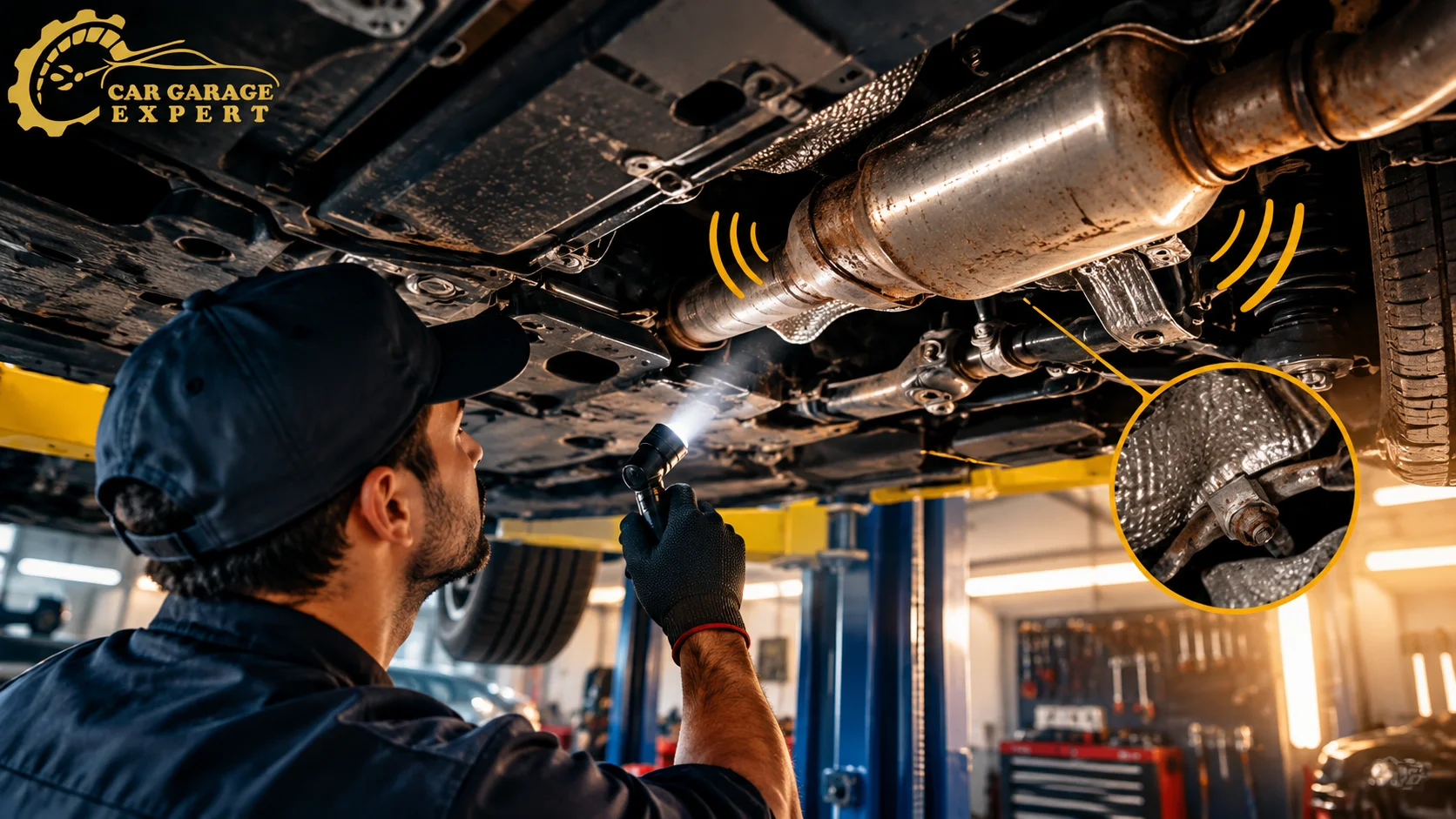

Subaru Outback CVT diagnosis is the process of identifying problems within the continuously variable transmission system before they cause major damage. Common warning signs include jerking, delayed acceleration, unusual noises, overheating, warning lights, and poor driving performance. Professional diagnosis involves computer scanning, fluid inspection, road testing, and transmission system evaluation. In Dubai, where high temperatures and heavy traffic can affect vehicle components, early CVT inspection is essential. Car Garage Expert provides advanced Subaru Outback CVT diagnostic services to accurately detect issues and recommend the right repair solution before costs increase.
Problem Overview Subaru Outback CVT Diagnosis
The Subaru Outback is known for its reliability, comfort, and advanced engineering. Many models use a Continuously Variable Transmission (CVT), which delivers smooth acceleration and better fuel efficiency than traditional automatic transmissions. However, like any mechanical system, the CVT can develop issues over time.
A Subaru Outback CVT diagnosis helps determine whether the transmission problem relates to fluid condition, electronic controls, internal components, sensors, or mechanical wear. Detecting these issues early can prevent complete transmission failure and avoid expensive replacement costs.
In Dubai, Subaru vehicles often operate in challenging conditions, including extreme heat, long-distance driving, traffic congestion, and dusty environments. These factors can increase stress on transmission components, making regular inspection and accurate diagnosis important.
Symptoms of Subaru Outback CVT Problems
Recognizing early warning signs is the first step toward protecting your Subaru Outback transmission. Some common symptoms include:
1. Shaking or Jerking During Acceleration
A healthy CVT should deliver power smoothly. If your Subaru Outback shakes, hesitates, or jerks while accelerating, it may indicate CVT fluid problems, worn belts and pulleys, or internal transmission issues.
2. Delayed Response When Changing Gears
Although CVTs do not use traditional gears, drivers may notice delayed engagement when shifting from Park to Drive or Reverse. This can point toward hydraulic pressure problems or electronic faults.
3. Unusual Transmission Noises
Whining, humming, grinding, or unusual vibration sounds may indicate internal CVT damage. Don’t ignore these noises, as they can worsen over time.
4. Transmission Warning Light
A dashboard warning light may appear when the vehicle computer detects abnormal transmission operation. Professional Subaru Outback CVT diagnosis can identify the specific fault code causing the warning.
5. Overheating Issues
CVTs are sensitive to heat. If the transmission overheats, you may experience reduced performance, warning messages, or temporary power limitations.
6. Poor Fuel Efficiency
A damaged CVT may operate inefficiently, causing increased fuel consumption because the transmission cannot maintain the correct power ratio.
Common Causes of Subaru Outback CVT Problems
Several factors can contribute to CVT problems in a Subaru Outback:
Low or Old CVT Fluid
Transmission fluid plays a critical role in lubrication, cooling, and hydraulic operation. Old, contaminated, or insufficient fluid can increase friction and accelerate wear.
Excessive Heat Exposure
Dubai’s high temperatures can place additional stress on transmission systems. Without proper cooling and maintenance, CVT components may wear out prematurely.
Lack of Regular Maintenance
Ignoring scheduled inspections and fluid servicing can allow minor issues to develop into major transmission failures.
Electronic Sensor Failures
The CVT relies on multiple sensors and control modules. Faulty sensors can create incorrect readings and affect transmission performance.
Internal Component Wear
Over time, parts such as belts, pulleys, bearings, and valves may wear out, reducing transmission efficiency.
Subaru Outback CVT Diagnostic Process
Professional Subaru Outback CVT diagnosis involves several important steps:
Computer Scanning
Technicians connect advanced diagnostic equipment to the vehicle’s onboard computer system. This helps identify stored transmission fault codes and electronic issues.
CVT Fluid Inspection
Technicians check the CVT fluid’s condition, level, and quality. Discolored or contaminated fluid can indicate internal problems.
Road Testing
A technician performs a controlled test drive to evaluate acceleration, shifting behaviour, noise, vibration, and overall transmission performance.
Transmission System Inspection
The technician inspects the CVT components, wiring, cooling system, and related parts to determine the exact source of the problem.
Detailed Diagnostic Report
After testing, experts explain the issue, required repairs, estimated costs, and possible solutions.
Subaru Outback CVT Repair Process
Once the diagnosis is complete, the repair process depends on the issue’s severity.
CVT Fluid Service
If the problem is related to old or damaged fluid, a professional fluid replacement may restore smoother operation.
Sensor or Electrical Repair
Faulty sensors, wiring problems, or control module issues may require replacement or recalibration.
Cooling System Repair
If overheating is affecting the CVT, technicians may inspect cooling components and repair related problems.
Internal CVT Repair
Severe issues involving internal transmission parts may require rebuilding or replacing damaged components.
A professional repair facility ensures that Subaru-specific procedures and suitable parts are used for long-term reliability.
Risks of Ignoring Subaru Outback CVT Problems
Ignoring CVT symptoms can lead to serious consequences, including:
- Complete transmission failure
- Expensive replacement costs
- Reduced vehicle performance
- Poor fuel economy
- Sudden loss of acceleration
- Unsafe driving situations
A small transmission issue can become a major repair if you don’t diagnose it quickly.
Can You Continue Driving?
You may be able to drive a Subaru Outback with minor CVT symptoms for a short distance, but continued driving is not recommended without inspection.
If you notice severe shaking, overheating warnings, burning smells, loud noises, or sudden power loss, stop driving and seek professional assistance. Continuing to operate a damaged CVT can significantly increase repair costs.
Subaru Outback CVT Repair Time
The repair time depends on the specific problem.
- CVT inspection and diagnosis: around 1–3 hours
- Fluid service: several hours depending on the workshop schedule
- Sensor replacement: usually a few hours
- Major CVT repairs: several days depending on parts availability and damage level
A professional diagnosis helps provide a more accurate repair timeline.
Subaru Outback CVT Repair Cost Factors in Dubai
The cost of Subaru Outback CVT repair varies depending on several factors:
Type of Problem
A fluid issue will generally cost less than internal transmission damage.
Replacement Parts
The price depends on whether you need original or aftermarket components.
Labor Charges
Specialised CVT repairs require experienced technicians, which can affect labour costs.
Transmission Condition
A complete rebuild or replacement will naturally cost more than minor repairs.
Getting an accurate diagnosis first prevents unnecessary expenses and incorrect repairs.
Prevention Tips for Subaru Outback CVT Problems
Regular maintenance can extend CVT life and reduce repair risks.
Follow Recommended Service Intervals
Maintain your Subaru according to manufacturer guidelines and inspect the transmission regularly.
Use Correct CVT Fluid
Always use the recommended CVT fluid type to ensure proper lubrication and performance.
Avoid Excessive Strain
Avoid aggressive acceleration, overloading, or unnecessary stress on the transmission.
Monitor Warning Signs
Address unusual noises, vibrations, and warning lights immediately.
Schedule Regular Inspections in Dubai
Frequent checks are especially important because of Dubai’s climate conditions.
Dubai-Specific Advice for Subaru Outback Owners
Dubai’s environment creates unique challenges for vehicle transmissions. High temperatures can reduce fluid effectiveness and increase operating stress.
Subaru Outback owners in Dubai should consider:
- Checking CVT fluid condition regularly
- Avoiding prolonged driving with overheating warnings
- Maintaining proper cooling system performance
- Scheduling inspections before long road trips
- Choosing technicians experienced with Subaru CVT systems
Professional Subaru Outback CVT diagnosis in Dubai can help identify problems before extreme weather conditions worsen them.
Why Car Garage Expert?
Car Garage Expert provides professional vehicle diagnostic and repair solutions designed to identify and fix transmission problems accurately.
Choosing Car Garage Expert for Subaru Outback CVT diagnosis offers:
- Experienced automotive technicians
- Advanced diagnostic equipment
- Accurate fault detection
- Professional repair recommendations
- Quality-focused service
- Solutions suitable for Dubai driving conditions
Instead of replacing expensive transmission components without proper testing, expert diagnosis helps determine the real cause of the issue.
FAQs
1. What is Subaru Outback CVT diagnosis?
Subaru Outback CVT diagnosis is a professional inspection process that identifies transmission problems through computer scanning, fluid checks, road testing, and component evaluation.
2. How do I know if my Subaru Outback CVT has a problem?
Common signs include jerking, delayed acceleration, unusual noises, overheating, warning lights, and reduced fuel efficiency.
3. How often should Subaru Outback CVT fluid be checked in Dubai?
Inspect CVT fluid regularly, especially in Dubai, because of high temperatures and demanding driving conditions.
4. Can a Subaru Outback CVT be repaired instead of replaced?
Yes, many CVT problems can be repaired depending on the cause. Proper diagnosis determines whether repair, servicing, or replacement is required.
5. Why is professional CVT diagnosis important?
Professional diagnosis prevents incorrect repairs, identifies hidden problems, and helps avoid expensive transmission damage later.
Conclusion
Subaru Outback CVT diagnosis is essential to maintain smooth performance, reliability, and safety. Transmission problems often start with small warning signs that can become expensive failures if ignored.
For Subaru owners in Dubai, regular inspections are especially important because heat, traffic conditions, and long-distance driving can affect CVT performance. From identifying warning symptoms to performing accurate repairs, professional support ensures your vehicle receives the right solution.
Car Garage Expert helps Subaru Outback owners diagnose CVT problems accurately and offers reliable repair options. If your vehicle shows transmission symptoms, schedule an expert inspection today to protect your Subaru from costly future damage.
Visit us in our Al Quoz, Dubai branch or visit Car Garage Expert
Book For Subaru Outback CVT problems
Experiencing Subaru Outback CVT problems in Dubai? Contact Car Garage Expert today for professional CVT diagnosis and reliable transmission solutions. Have experienced technicians inspect your Subaru before a minor issue becomes a major repair.