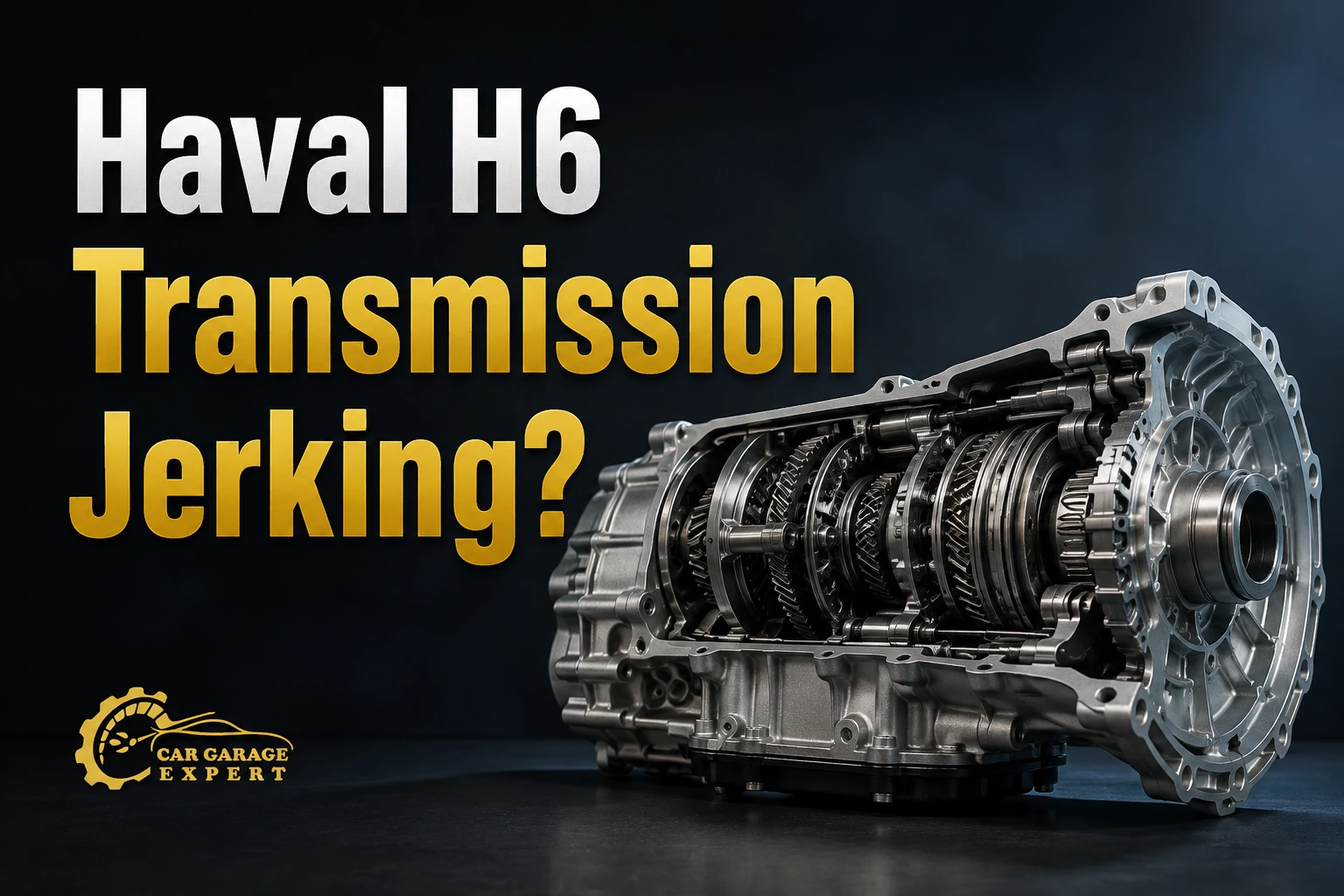
A Haval H6 Transmission usually jerks because of low or dirty transmission fluid, a faulty solenoid, or a worn clutch pack inside the gearbox. You may also feel delayed gear shifts, rough shifting between gears, or a slipping feeling when you accelerate. This is common in dual-clutch automatic gearboxes, which the Haval H6 uses, since they’re sensitive to fluid condition and software calibration. Dubai’s stop-and-go traffic and summer heat can make these symptoms show up earlier than expected. If your car jerks often, especially at low speeds, it’s best to get it checked at a trusted garage near me before the transmission wears down further.
Table of Contents
- Understanding the Gearbox System
- Symptoms to Watch For
- Common Causes of Transmission Jerking
- How Mechanics Diagnose the Problem
- How the Repair or Service Process Works
- Risks of Ignoring Transmission Jerking
- Can You Continue Driving With a Jerking Transmission?
- How Long Does the Repair Take
- What Affects the Cost of Repair
- How to Prevent Future Transmission Problems
- Dubai-Specific Advice for Haval Owners
- Why Choose Car Garage Expert for the Repair
- Frequently Asked Questions
- Related Services
- Book Your Gearbox Check Today
Understanding the Haval H6 Transmission System
Most Haval H6 models sold in Dubai use a 7-speed dual-clutch automatic transmission. This gearbox uses two clutches instead of a traditional torque converter, which usually delivers quick, smooth gear changes.
But dual-clutch systems are also more sensitive than regular automatics. A Haval H6 Transmission depends heavily on clean fluid, healthy solenoids, and accurate software calibration to shift smoothly.
When any of these parts wear down, or the fluid gets old, the gearbox can start to hesitate, jerk, or shift roughly. This is one of the most common complaints among Haval H6 owners after the car passes 40,000 to 60,000 km.
Symptoms of a Haval H6 Gearbox Problem
Jerking or Shuddering When Accelerating
This is the most noticeable sign. The car may jerk forward suddenly, especially from a stop or at low speeds.
Delayed Gear Shifts
You press the gas, but the car takes a moment longer than normal to respond or change gears.
Rough Shifting Between Gears
Instead of smooth transitions, you feel a hard bump or clunk as the transmission moves from one gear to the next.
Transmission Slipping
The engine revs more than it should, but the car doesn’t accelerate at the same rate, and it feels like the gearbox is slipping.
Warning Light on the Dashboard
A transmission or check engine light often appears alongside jerking, especially if a sensor or solenoid is involved.
Unusual Noises From the Gearbox
Whining, clunking, or grinding noises while driving can point to internal wear inside the transmission.
Common Causes of Transmission Jerking
A few common issues are usually behind Haval H6 transmission problems:
- Low or degraded transmission fluid that hasn’t been changed on schedule
- A faulty transmission solenoid that controls gear shifting
- Worn clutch packs inside the dual-clutch unit
- Outdated transmission control software that needs an update
- Overheating from heavy traffic or towing in Dubai’s summer heat
- A failing mechatronic unit, which controls shift timing
Any one of these can cause Haval H6 transmission jerking, and often more than one issue is present at once.
How Mechanics Diagnose the Problem
Step 1: Scan for Fault Codes
A diagnostic scanner reads stored codes from the transmission control module to narrow down the fault.
Step 2: Check Fluid Condition
The mechanic checks the fluid’s color, smell, and level. Dark or burnt-smelling fluid is a clear warning sign.
Step 3: Road Test
A test drive can let you know when the jerking occurs, for example, when you accelerate, when you shift gears or at certain speeds.
Step 4: Test Solenoids and Sensors
Electrical tests check whether the solenoids and sensors are sending correct signals to the transmission control unit.
How the Repair or Service Process Works
Knowing the cause, the repair method usually includes:
- Draining the old gearbox fluid and replacing it with the right type
- Replacing any damaged solenoids or sensors if testing shows they are problematic
- Updating the gearbox control software, if required
- Replacement of worn-out clutch packs and repairs for more urgent cases
- Running a complete road test to check for smooth, jerk-free shifting
A complete gearbox repair always culminates with a road test, not just topping off the fluid.
Risks of Ignoring Transmission Jerking
Ignoring the problem rarely makes it better. Over time, it can lead to:
- Worn clutch packs that can lead to a total gearbox failure
- Reduced fuel economy when the gearbox is working harder than it should be.
- Sudden power outage while driving, which might be a hazard in traffic.
- Much more expensive to repair if the gearbox needs a full rebuild.
- Lower resale value if the gearbox issue is not recorded and repaired.
A minor jerk today can lead to a complete Haval H6 transmission breakdown in months if it isn’t inspected.
Can You Continue Driving With a Jerking Transmission?
Mild jerking at low speed, without warning lights, may allow short local drives. But if the jerking is frequent, paired with a warning light, or the car hesitates badly when accelerating, it’s not safe to keep driving normally.
If you notice your gearbox acting sluggish or it stops shifting properly while you’re driving, pull over to a safe place and call roadside help rather than trying to make it work.
How Long Does the Repair Take
Usually, it takes one to two hours to replace the fluid and do a basic diagnosis. A solenoid or sensor replacement should take between 2-4 hours. A software upgrade can often be done in an hour or so. More significant repairs, like a clutch pack replacement or a mechatronic unit swap, can take a full day or more, depending on parts availability.
What Affects the Cost of Repair
Several things affect the final price:
- Whether the fix is a fluid change or a full internal repair
- Genuine Haval parts versus quality aftermarket parts
- Labor time needed for diagnosis and calibration
- Whether the mechatronic unit needs replacement
- Your specific Haval H6 model year and transmission type
A proper diagnosis first helps avoid paying for parts that aren’t actually the problem.
Haval H6 Transmission Comparison Table
| Issue Type | Common Symptom | Typical Fix | Estimated Repair Time |
| Low or old fluid | Rough shifting, hesitation | Fluid drain and refill | 1–2 hours |
| Faulty solenoid | Delayed or jerky shifts | Solenoid replacement | 2–4 hours |
| Software issue | Inconsistent shifting pattern | Software update | Under 1 hour |
| Worn clutch pack | Slipping, jerking under load | Clutch pack repair | 4–8 hours |
| Mechatronic fault | Multiple shifting problems | Unit replacement | 1–2 days |
How to Prevent Future Transmission Problems
- Change transmission fluid on the schedule Haval recommends, not just when problems appear.
- Avoid heavy towing or overloading the car in extreme heat.
- Don’t ignore small jerks or delayed shifts, even if the car still drives.
- Keep up with software updates during regular servicing.
- Avoid aggressive stop-and-go driving when possible.
- Use a trusted garage near me for regular transmission checks.
Dubai-Specific Advice for Haval Owners
Dubai’s heat and traffic both put extra strain on dual-clutch transmissions. Long hours of stop-and-go driving on busy roads heat the fluid faster than open highway driving.
High summer temperatures can also affect fluid life, which is why Haval H6 owners in Dubai often need fluid changes sooner than the standard schedule suggests. If you frequently drive in heavy traffic or use the car for longer commutes, it’s worth having the transmission checked at every service instead of waiting for symptoms.
Why Choose Car Garage Expert for Haval H6 Transmission Repair?
Car Garage Expert in Al Quoz has hands-on experience with Haval models, including the H6’s dual-clutch transmission. The team uses proper diagnostic tools instead of guesswork, so you know exactly what’s causing the jerking before any work starts.
The team will diagnose the Haval H6 transmission difficulties, fluid condition, solenoids and software before giving you a fix, so you won’t have to replace parts that aren’t necessary. Haval repair near me searches have built the garage as a reputable choice among Dubai drivers who’re after honest answers, not ambiguous quotes.
Searching for Haval repair near me? Car Garage Expert provides reliable diagnostics and long-term solutions. Send the team a WhatsApp message for a quick quote or to book a session.
Frequently Asked Questions
Q1: Why does my Haval H6 jerk when accelerating?
Usually, it’s caused by low or dirty gearbox fluid, a bad solenoid or wear inside the dual-clutch gearbox. A diagnostic scan can tell you the specific cause.
Q2: Is it safe to drive with a jerking transmission?
Mild jerking without warning lights may allow short drives, but check it before continuing normal driving if the jerking is frequent or severe.
Q3: How often should I change my Haval H6 transmission fluid?
Most manufacturers recommend changing it every 60,000 km, but Dubai’s heat and traffic make it better to be safe than sorry.
Q4: Can a software update fix transmission jerking?
In some cases, yes. Outdated transmission control software can cause rough shifting, and an update alone may resolve it.
Q5: How much does a gearbox repair cost in Dubai?
Cost depends on the cause . A fluid change is inexpensive, unlike a mechatronic unit or clutch pack repair, which costs more. We first provide a diagnosis and then an exact quote.
Related Services
Car Garage Expert also offers other services Haval owners in Dubai often need:
- Car Mechanic for general repairs and diagnostics
- Car Service Packages in Dubai for full maintenance plans
- Mobile Car Mechanic for repairs at your location
- Roadside Assistance Dubai for breakdowns and emergencies
- Car Painting for bodywork and refinishing
- Garage Near Me in Dubai to find the closest location
Book Your Haval H6 Gearbox Check Today
Don’t wait for a small jerk to turn into a major transmission repair. The team at Car Garage Expert in Al Quoz can diagnose and fix your Haval H6 transmission properly. Message the team on WhatsApp to book your appointment, or find the garage on Google Maps.