
A car jerking while driving can feel sudden and a little scary. One moment you’re cruising, the next your car lurches or hesitates. This guide explains why it happens, what it means, and how to fix it.
Car Jerking While Driving
A jerk while driving is likely a fuel, ignition, or gearbox problem. Worn spark plugs, dirty fuel injectors, and low gearbox fluid are the most common culprits. You feel the jerk as you accelerate . Or change gears. Or drive at a constant speed . In Dubai’s heat, fluids break down faster, and parts wear out sooner. A mechanic can diagnose the problem with a scan and road test. Most solutions are easy to fix if identified early, but neglect can cause severe damage to the gearbox or engine.
Table of Contents
- Problem Overview
- Common Signs of Car Jerking
- Why Does My Car Jerk When Accelerating?
- Can Transmission Problems Cause a Car to Jerk?
- Can Bad Spark Plugs Cause Car Jerking?
- Can Low Transmission Fluid Make a Car Jerk?
- Why Does My Car Jerk When Changing Gears?
- How Is Car Jerking Diagnosed and Repaired?
- Comparing Common Repairs
- Risks of Ignoring It
- Is It Safe to Drive When Your Car Is Jerking?
- Repair Time
- Cost Factors
- Prevention Tips
- Dubai-Specific Advice
- Why Choose Car Garage Expert
- FAQs
- Related Services
What Does It Mean When Your Car Is Jerking?
A jerk means your engine or transmission isn’t delivering power smoothly. Instead of a steady push forward, you feel a stutter or a small jolt.
This can happen occasionally or every time you drive. Either way, it’s your car telling you something needs a closer look.
Common Signs of Car Jerking While Driving
Jerking shows up in different ways, depending on the cause.
- Car jerking when accelerating from a stop
- Car jerking while accelerating on the highway
- Car jerking at low speed, like in parking lots
- Car jerking at high speed on Sheik Zayed Road
- Car jerking when changing gears, especially in automatics
- Car jerking when slowing down or coasting
- Car jerking and losing power at the same time
- Car jerking while driving at constant speed, with no clear trigger
If you notice more than one of these, it’s time to book a garage near me for a check.
Why Does My Car Jerk When Accelerating?
Acceleration puts extra demand on your engine and transmission. Weak parts that seem fine at idle often struggle here.
Worn spark plugs may misfire under load, causing a stutter as you press the gas. A clogged fuel injector can also starve a cylinder of fuel right when you need more power. This is why engine jerking while driving often gets worse the harder you accelerate.
Can Transmission Problems Cause a Car to Jerk?
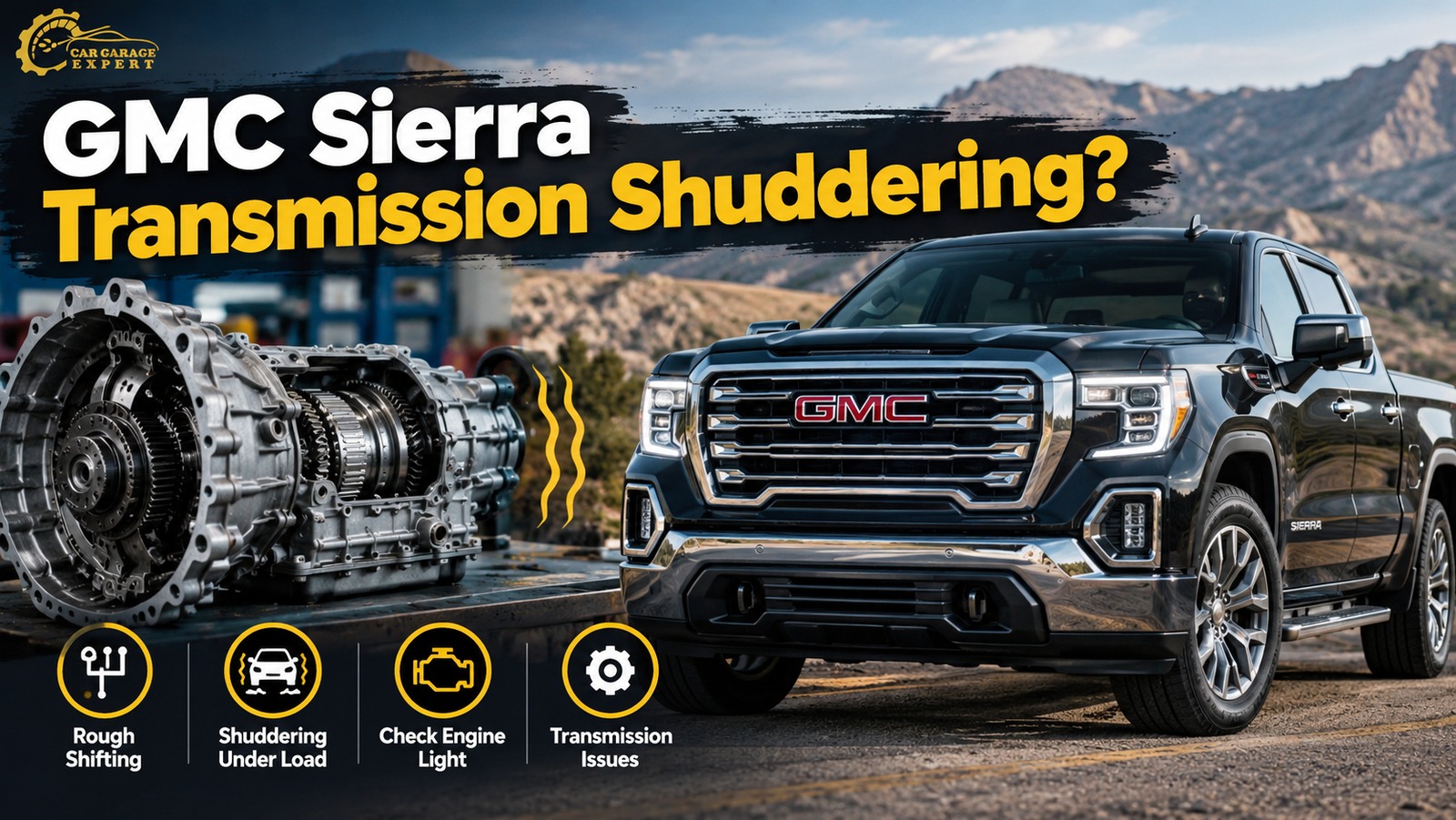
Yes. Transmission problems are one of the top causes of car jerking, especially in automatic cars. Transmission jerking often feels like a hard bump between gears rather than a smooth shift.
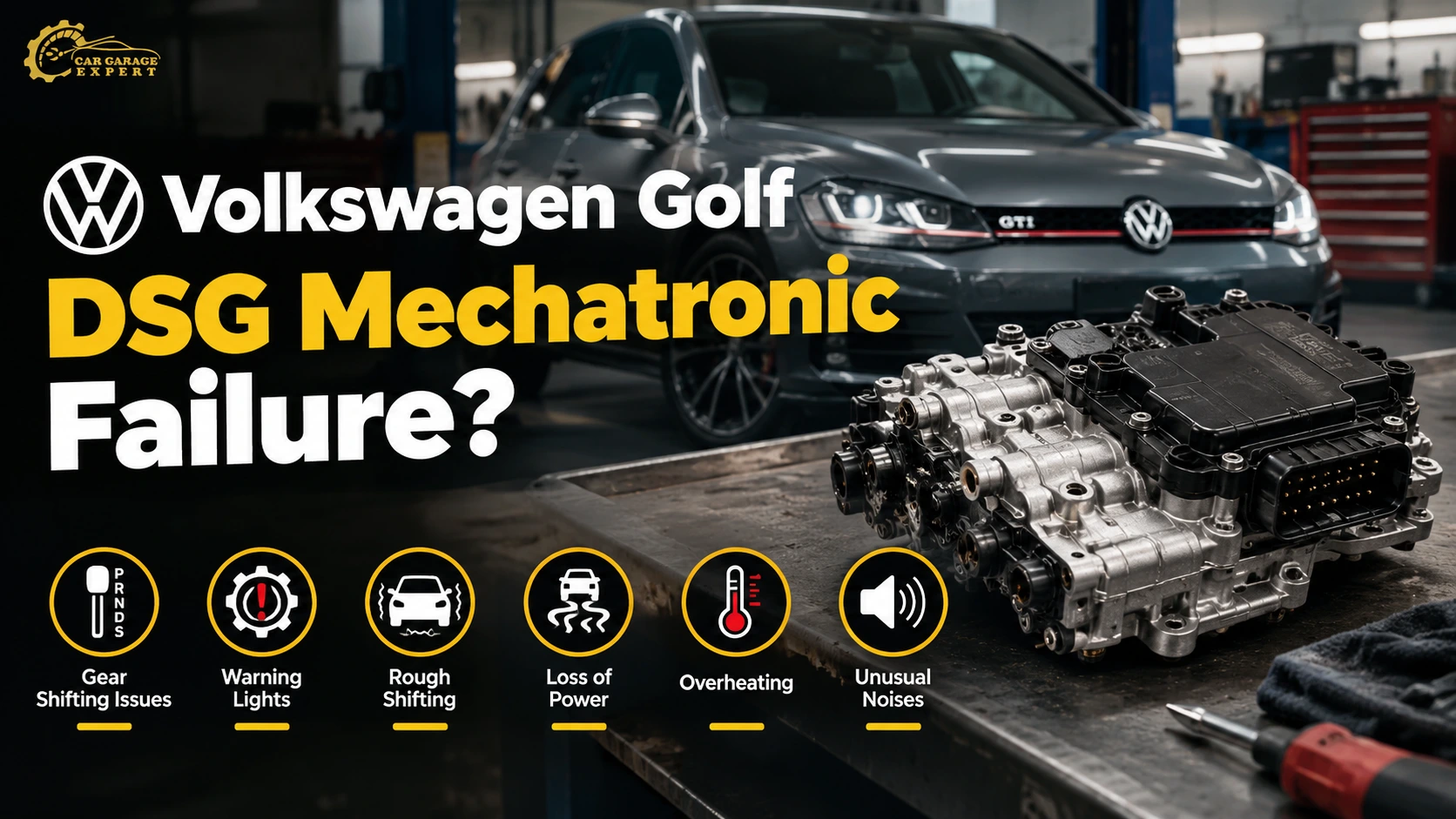
Automatic gearbox jerkiness could result from worn clutch plates, a bad solenoid, or a software issue with the gear pattern. Manual automobiles can also jolt from damaged clutches or improper timing on gear changes.
Can Bad Spark Plugs Cause Car Jerking?
Yes. Spark plugs create the spark that ignites fuel in each cylinder. A worn or fouled plug creates a weak spark.
This leads to a small misfire, which you feel as a jerk or stutter. Dubai’s heat and short city trips speed up plug wear. Most plugs need replacing every 30,000 to 60,000 km, depending on the model.
Can Low Transmission Fluid Make a Car Jerk?
Yes, and this is a common but overlooked cause. Transmission fluid keeps gears shifting smoothly and cools internal parts.
When fluid runs low, gears shift roughly instead of smoothly. This shows up as rough gear shifting or a jerk right as the car changes gear. Low fluid can also mean a leak, which you should fix before it causes real transmission damage.
Why Does My Car Jerk When Changing Gears?
A jerk during gear changes usually points to the transmission itself. Worn internal parts or old fluid can’t shift smoothly anymore.
In automatics, a failing solenoid can make the transmission shift too hard or too slowly. In manuals, a worn clutch or poor timing between the clutch and gas pedal can cause the same rough feeling.
How Is Car Jerking Diagnosed and Repaired?
Diagnosis starts with a full code scan. This checks for stored engine and transmission fault codes that point to the problem area.
Next, a mechanic road-tests the car to determine exactly when the jerk happens. This narrows down whether it’s an engine issue, like ignition, or a transmission issue, like fluid or a solenoid. The mechanic checks spark plugs and fuel injectors for wear or buildup. Transmission fluid level and condition get checked too.
Once the cause is confirmed, repair is usually straightforward. This kind of car repair- spark plugs, fluid, or a fuel injector clean- can often be done the same day.
Comparing Common Car Jerking Repairs
Use this table to see how common car jerking repairs compare.
| Repair Type | Common Cause | Typical Time | Relative Cost |
| Spark plug replacement | Worn or fouled plugs | 1–2 hours | Low |
| Fuel injector cleaning | Clogged or dirty injectors | 1–3 hours | Low to moderate |
| Transmission fluid change | Low or old fluid | 1–2 hours | Low to moderate |
| Solenoid replacement | Faulty shift solenoid | 2–4 hours | Moderate |
| Clutch repair (manual) | Worn clutch plate | 3–6 hours | Moderate to high |
| Transmission rebuild | Severe internal wear | 1–3 days | High |
Most cases fall into the first three rows. A full rebuild is rare and usually only needed after years of ignored symptoms.
What Happens If You Ignore It?
A small jerk rarely fixes itself. Left alone, a misfire or a fluid problem tends to get worse over time.
Ignoring transmission jerking can wear down gears and clutch plates faster. This turns a simple fluid change into a costly rebuild. Ignoring an engine-related jerk can also damage your catalytic converter from unburned fuel.
Is It Safe to Drive When Your Car Is Jerking?
Short, careful trips are usually fine if the jerk is mild. But a car jerking while driving that gets worse, or comes with a warning light, is a bigger risk.
Losing power suddenly at high speed in fast-moving traffic can be dangerous. If your automobile is jerking badly or not accelerating at all, pull over safely. Instead of risking a breakdown on the road, call roadside help and get towed to a workshop.
How Long Does It Take to Fix Car Jerking?
Most simple repairs can be finished the same day. A spark plug change or fluid top-up usually takes one to two hours.
Fuel injector cleaning takes a bit longer, often up to three hours. A solenoid or clutch repair can take half a day. A full transmission rebuild is the longest job, often taking one to three days.
What Affects the Cost of Fixing Car Jerking?
A few factors decide your final bill.
- Root cause. Spark plugs cost far less than transmission work.
- Car type. Some models use pricier parts or need specialist tools.
- Extent of damage. Catching it early keeps costs low.
- Fluid and part quality. OEM fluid and parts often last longer in Dubai heat.
- Labor time. Deeper transmission work takes more hours to complete.
Always ask for a written estimate before repairs start.
How to Prevent Car Jerking While Driving
A few habits go a long way toward avoiding this problem.
- Change spark plugs on schedule, even without symptoms.
- Check the gearbox fluid level and condition periodically.
- Use quality fuel to reduce injector build-up.
- Don’t disregard little hesitations. They rarely stay small.
- Regular auto service every 10,000 to 15,000 km
These measures cost far less than fixing a broken gearbox later.
Dubai-Specific Advice for Car Jerking Issues
Dubai’s heat is hard on both engine and transmission parts. High temperatures break down transmission fluid faster than in cooler climates.
Stop-start traffic on busy roads also strains automatic transmissions. Constant heat cycling from parking in the sun, then driving in AC-cooled traffic, adds more wear over time. Because of this, Dubai drivers should check transmission fluid more often than the standard service schedule suggests.
If your car has passed 60,000 km and starts jerking, don’t wait. Catching transmission problems early is much cheaper than a rebuild.
Why Choose Car Garage Expert for Engine Repair
Car Garage Expert in Al Quoz has hands-on experience with both engine and transmission diagnostics. The team runs a full code scan and road test to find the exact cause of your jerk, not just a guess.
Most of the time, the workshop starts with the least expensive fix first, such as spark plugs or fluid, and moves to larger repairs. This targets the root issue and keeps your bill lower. If you need a mobile vehicle mechanic to inspect your car at home or your business, that service is available as well.
If you want a fair price and an honest diagnosis before any treatment, this is a great choice.
FAQs
Q1: Why does my car jerk when I press the gas?
This usually points to worn spark plugs or a clogged fuel injector. Both can cause a misfire under load, which feels like a jerk when accelerating.
Q2: Can low fuel cause a car to jerk?
Very low fuel can cause jerking if the fuel pump struggles to keep steady pressure. It’s rare, but worth ruling out before deeper repairs.
Q3: Is car jerking always a transmission problem?
No. Car jerking while driving can come from the engine, fuel system, or transmission. A diagnostic scan is the best way to find the real cause.
Q4: How much does it cost to fix car jerking?
It depends on the cause. Spark plugs and fluid changes are the cheapest fixes. Transmission repairs cost more, especially a full rebuild.
Q5: Should I stop driving if my car is jerking badly?
Yes, if the jerking is extreme or you lose power. Stop safely and get the car checked before you drive farther.
Related Services
Beyond fixing car jerking, Car Garage Expert also handles general upkeep. Browse car mechanic services for routine maintenance, or check out car painting if your car needs bodywork done at the same time.
Final Thoughts on Car Jerking While Driving
A car jerking while driving is easier and cheaper to fix early. Watch for hesitation, rough gear shifts, or power loss, and don’t wait to get it checked. Small parts like spark plugs and fluids are simple fixes now and expensive repairs later.
Book a diagnostic check with Car Garage Expert today and get back to smooth, steady driving.