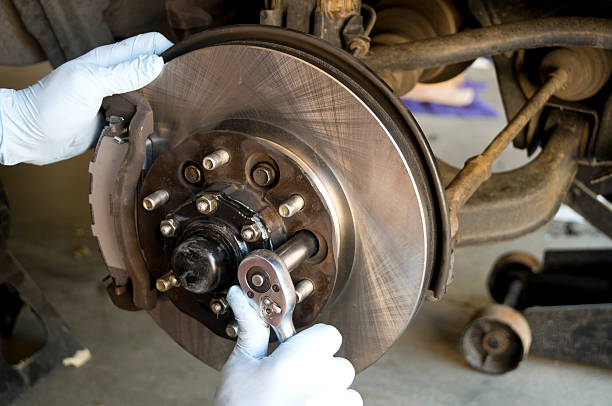
Brakes do not fail without notice. Most drivers skip weeks of warning; they go unheeded. In the heat and dust of Dubai, that warning window is shorter than virtually anywhere else – which is exactly why brake repairs tend to cost more here when they’re delayed.
So what really helps keep repair expenditures down? In short: Look for early warning signals, check your pads and fluid on a schedule, and don’t wait for a grinding noise to arrange an inspection. Below is a review of what drives up repair prices in the UAE, what you can check yourself, and when you have to bring the car in.
Why Brake Repairs Cost More in Dubai’s Climate
A braking system meant for mild climates won’t function the same when you’re pounding on scorching asphalt every day. Heat, dust and stop-start traffic all work braking components harder than they were designed for elsewhere. That’s typically why brake repairs in the UAE often become bigger jobs than drivers anticipate.
Brake Repairs Caused by Heat and Dust
Dubai roads routinely drive brake parts past the working temperature they’d experience in cooler locations. That heat alters the behavior of braking fluid and pads, and it happens faster than most drivers expect.
Brake Fluid Loses Effectiveness Faster in Heat
Over time, brake fluid gets moisture. In hot weather, that moisture boils sooner, and boiling fluid means a soft or spongy pedal when you need firm stopping strength. That is one of the quiet reasons you get repair expenses that seem to come out of nowhere.
Dust Works Its Way Into the Braking System
Sand and fine particles breach seals that would be OK in a less abrasive environment. Once dust gets on the pads and rotors, it speeds up wear and makes the grinding sound that many drivers only hear when it is already loud.
Stop-Start Traffic Adds Constant Load
The metal backing plate of a brake pad starts to touch the rotor directly as the brake pad wears beyond its safe thickness . This turns a simple pad change into a full rotor replacement, double the cost of what should have been a minor repair.
Brake Repairs From Delayed Inspections
The second major driver of expensive repairs isn’t the climate at all. It’s timing. A pad replaced early is a routine job. A pad is ignored until its metal-on-metal turns into a rotor replacement too.
Pads Left Too Thin Damage Rotors
The metal backing plate of a brake pad starts to touch the rotor directly as the brake pad wears beyond its safe thickness . This turns a simple pad change into a full rotor replacement, double the cost of what should have been a minor repair.
Fluid Left Unchanged Corrodes the System
Old, wet brake fluid doesn’t merely diminish stopping power. With time, it eats away at internal parts like the calipers and lines, turning a fluid flush into a much bigger repair that requires replacement parts.
Small Noises Get Ignored Until They’re Not Small Anymore
Often the first indication that anything requires fixing is a faint squeak. That squeak alone becomes a grind, and a grind almost always signifies the pad is gone and the rotor is being damaged.
Warning Signs Your Brakes Need Attention Now
Some signs are easy to miss if you’re not listening for them. Others are impossible to ignore. Either way, catching them early is what keeps brake repairs affordable.
- A grinding or metallic sound when braking
- A soft, spongy, or sinking brake pedal
- The car pulled to one side under braking.
- Vibration through the steering wheel or pedal
- A burning smell after driving downhill or in heavy traffic
- The ABS or brake warning light stays lit.
- Longer stopping distances than usual.
If you notice more than one of these at once, that’s usually a sign the issue has been building for a while.
AC Repair and Brake Health: Why Summer Puts Pressure on Both
It’s no surprise that Dubai workshops saw a spike in AC repair and brake service during the hottest months. Heat affects both systems in identical ways. Fluids, seals, and components work overtime just to keep up with the climate. If you notice your AC is having a hard time cooling you down, it could be a good idea to get your brakes inspected at the same time, as both tend to wear out in this temperature.
DIY Checks vs Professional Brake Repairs
Some things you can check yourself in the driveway. Others need a lift, a torque wrench, and a mechanic near me who knows what to look for. Here’s how the two compare.
| Task | DIY at Home | Professional Garage |
| Listening for grinding or squeaking | Easy, just drive and listen | Diagnoses the exact source |
| Checking pedal feel | Simple, press and note resistance | Pressure-tests the full system |
| Visual pad thickness check | Possible through the wheel spokes | Measured precisely with tools |
| Brake fluid level check | Safe, check the reservoir | Tests fluid condition and moisture content |
| Rotor condition | Hard to judge by eye | Measured for thickness and warping |
| Fluid flush | Not recommended without training | Full flush with correct fluid grade |
The pattern holds here too. Visual checks and listening for symptoms are things you can do yourself. Anything involving fluid, calipers, or precise measurements belongs with a professional.
Common Brake Jobs Explained
Not every brake job is the same size. Knowing the difference helps you understand what a mechanic near me is actually quoting you for.
Pad replacement is the most common and least expensive fix. It’s routine maintenance if caught before the pad wears down to metal.
Rotor resurfacing or replacement becomes necessary once rotors develop grooves, warping, or damage from worn pads. Resurfacing is cheaper where possible; replacement is needed once the rotor is too thin to machine safely.
Caliper service addresses sticking or seized calipers, often caused by corrosion from old brake fluid or dust intrusion. A caliper that doesn’t release fully causes uneven pad wear and pulls the car to one side.
Brake fluid flush replaces old, moisture-contaminated fluid with fresh fluid, restoring firm pedal feel and protecting internal components from corrosion.
Brake line repair is less common but more serious, usually triggered by a leak, corrosion, or physical damage. This one should never be delayed, since it directly affects stopping power.
Understanding which category your car falls into helps you ask the right questions before agreeing to any repair.
A Quick Brake Maintenance Checklist for Dubai Drivers
Run through this list every few months, or sooner if you drive mostly in city traffic.
- Listen for grinding, squeaking, or clicking while braking.
- Check the brake pedal for sponginess or a longer travel distance.
- Look at the brake fluid reservoir level and color.
- Check for the car pulling to one side under braking.
- Note any vibration through the wheel when stopping.
- Watch for the ABS or brake warning light on the dashboard.
- Book an inspection before a small noise becomes a bigger repair.
Why a Trusted Garage Near Me Matters for Brake Repairs
What this means for you as a motorist is: Early detection keeps brake repairs a routine maintenance issue. Waiting turns them into rotor, caliper and occasionally brake line jobs, all of which cost a lot more than the pad replacement that could have averted them.
Knowing the danger flags is as important as having a reliable garage near me that you trust. A workshop that checks things properly instead of upselling parts you don’t need will save you money over the life of the car. And if your brakes fail unexpectedly on the road, the roadside help you can call on instantly is the difference between a controlled stop and a deadly situation.
Frequently Asked Questions About Brake Repairs
Q1: How much do brake repairs usually cost in Dubai?
The cost depends on how early the problem is discovered. The cheapest option is a simple pad replacement . Rotors, calipers, or brake lines add a lot more. If you catch wear early enough, most jobs stay in the routine maintenance range.
Q2: How often should brake fluid be changed in UAE heat?
Most workshops recommend flushing the brake fluid every one to two years in the climate of Dubai, earlier than the two- to three-year frequency customary in cooler nations, as the heat speeds up moisture absorption in the fluid.
Q3: What does grinding when braking actually mean?
Grinding almost always means the brake pad has worn down to metal and is now contacting the rotor directly. This needs immediate attention, since continued driving damages the rotor and increases the repair cost.
Q4: Can I drive with a soft brake pedal?
It’s not safe to. A soft or spongy pedal usually points to air or moisture in the brake lines, or worn components losing pressure. Get it inspected the same day rather than continuing to drive on it.
Q5: Why do my brakes feel worse in summer than winter?
Heat is bad for braking fluid and makes it wear faster in stop-start traffic. Parts that were okay in the colder months can start showing symptoms when the temperature goes up, which is why summer is the busiest time for brake repairs in the UAE.
Q6: How do I find a reliable garage near me for brake work?
Look for transparent pricing, a mechanic who explains the genuine problem before recommending repairs, and ratings from other drivers. Car Garage Expert in Al Quoz is one of the go-to sites for Dubai drivers looking for basic brake diagnostics without the hard sell.
Q7: Is it normal to need brake work every year in Dubai?
Depends on your driving style and conditions. Heat and city traffic make pads wear faster, so you’ll find yourself checking the pads more often than you would in cooler regions. “Most people don’t change them every year. Inspections should be more frequent.
Q8: What happens if I ignore brake warning signs for too long?
Ignoring early warning signs turns a routine pad replacement into a rotor and caliper job, and in worse cases, a genuine safety risk. The cost difference between early and late repair is usually significant, which is why acting on the first warning sign matters.
Conclusion
Brake repairs don’t need to be costly if they are identified at the correct time. Watch for the early indicators, check your fluid and pads often, and don’t wait for a grinding sound to act. Dubai’s heat and traffic ask more of brakes than virtually anywhere else, thus the buffer for delay is less than most drivers imagine.
If you are observing any of the warning signs above, arrange a comprehensive brake examination with Car Garage Expert’s service packages in Dubai, or drop a short message on WhatsApp to receive a same-day slot.
The Car Garage Expert team in Al Quoz will properly inspect pads, rotors, and fluid conditions before recommending any repair. They also deal with mobile mechanic visits if you can’t make it into the workshop. If you have sudden braking problems on the road, roadside help in Dubai is just one call away, and if you are looking for a garage near me right now find us on Google Maps for on-site assistance.