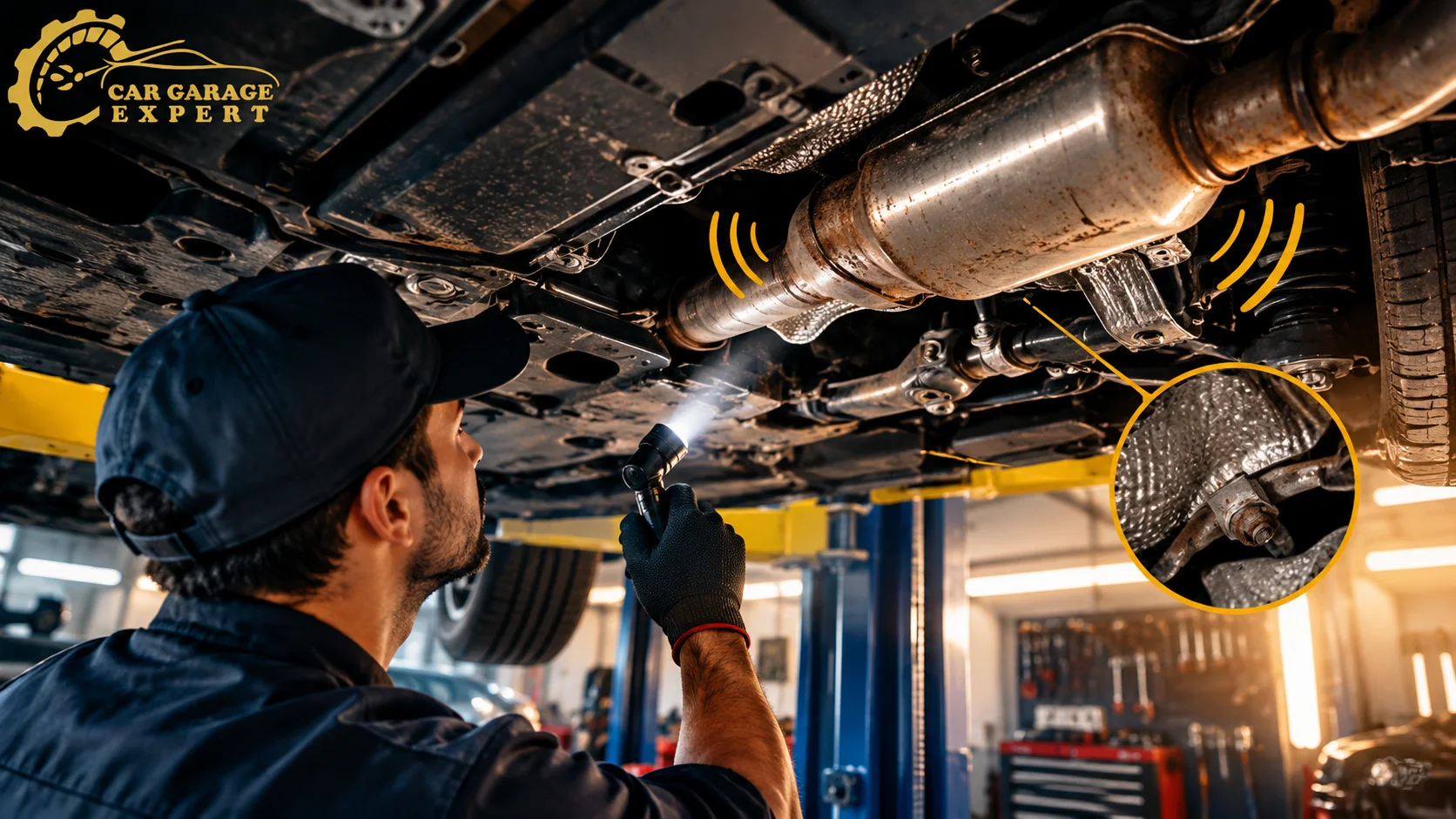

You can sometimes reset a Land Rover suspension fault warning by restarting the vehicle after checking for obvious issues. Park on level ground, switch off the engine, wait a few minutes and restart the car. If the warning disappears, the issue may have been temporary. However, the message can return if the air suspension has a leak, a faulty sensor, a compressor problem or an electrical fault. Do not rely on a reset alone. If the vehicle sits unevenly, feels unstable or cannot change ride height, have a qualified mechanic check it. Car Garage Expert can help diagnose Land Rover suspension fault warning problems in Dubai.
Table of Contents
- Problem Overview: What Does the Warning Mean?
- Symptoms: Signs Your Suspension Needs Attention
- Common Causes of the Warning
- Diagnostic Process: How Mechanics Find the Fault
- Repair Process: How to Fix the Problem
- Risks of Ignoring the Warning
- Can You Continue Driving?
- How Long Does Suspension Repair Take?
- Factors That Affect Repair Costs
- Prevention Tips for Land Rover Owners
- Dubai-Specific Advice for Suspension Care
- Why Choose Car Garage Expert for Suspension Assistance?
- Frequently Asked Questions
- Related Services
- Final Call-to-Action
Problem Overview: What Does a Land Rover Suspension Fault Warning Mean?
A Land Rover uses an advanced suspension system to deliver a smooth, stable ride. Many models use air suspension. This mechanism can elevate or lower the car to accommodate varying road conditions.
When the system detects a problem, a warning may appear on the dashboard. You might see a suspension fault message or notice that the vehicle cannot change its ride height.
A Land Rover suspension fault warning does not always mean you need a major repair. Sometimes, a temporary electrical issue can trigger it. In other cases, the message points to a real fault that needs attention.
Before resetting the warning, check how the vehicle behaves. Look for uneven ride height, unusual noises or changes in handling. These signs can help you decide what to do next.
Symptoms: Signs Your Land Rover Suspension Fault Warning
The dashboard message is only one sign of a possible suspension problem. Other symptoms may appear before or after the warning.
Watch for these common signs:
- One corner sits lower: A leaking air spring may cause one side of the vehicle to drop.
- The vehicle will not rise: The suspension may stay at its lowest setting.
- Slow height adjustment: The compressor may struggle to build enough air pressure.
- A rough ride: The suspension may no longer absorb bumps as it should.
- Unusual hissing sounds: Air may be escaping from a damaged pipe or air spring.
- Repeated warning messages: The system may have a fault that needs proper diagnosis.
- A compressor that runs too often: This can point to an air leak or a weak compressor.
If you notice these symptoms alongside a Land Rover suspension fault warning, avoid repeated resets. Finding the cause is more important than clearing the message.
Common Causes of a Land Rover Suspension Fault Warning
Several issues can trigger a suspension warning. The exact cause depends on your Land Rover model, its age and the type of suspension fitted.
1. Air Suspension Leaks
Air springs and pipes can wear out over time. A leak allows air to escape, making it harder for the system to keep the vehicle at the correct height.
You may notice that the car sits lower after being parked overnight.
2. A Weak or Failed Suspension Compressor
The compressor supplies air to the suspension system. If it becomes weak or overheats, the vehicle may struggle to rise.
A leak can also force the compressor to work harder than normal. Fixing the leak may be necessary to prevent further damage.
3. Faulty Height Sensors
Height sensors measure the vehicle’s body position. If a sensor sends incorrect information, the system may display a warning or adjust the ride height incorrectly.
A mechanic can test the sensor and its wiring before replacing any parts.
4. Battery or Electrical Problems
A weak battery or poor electrical connection can affect suspension controls. Low voltage may trigger a warning, especially during startup.
However, replacing the battery will not fix a mechanical fault or an air leak.
5. Damaged Wiring or Connectors
Heat, moisture, dirt and road debris can damage electrical connections. A broken wire or corroded connector may interrupt communication between suspension parts.
6. Control Module or Valve Block Faults
The suspension control module manages the system. The valve block directs air to different parts of the suspension.
If either part fails, the vehicle may not maintain its correct height. A diagnostic test can help confirm the problem.
How Mechanics Find the Land Rover Suspension Fault Warning
A proper diagnosis helps prevent unnecessary repairs. Clearing the message without checking the system can hide an issue temporarily.
A qualified mechanic will usually follow these steps:
Step 1: Check the warning and vehicle height
The mechanic checks the dashboard message and compares the vehicle’s ride height on level ground.
Step 2: Scan the suspension system
A suitable diagnostic tool reads stored fault codes from the vehicle’s control modules. These codes help narrow down the possible cause.
Step 3: Inspect the air suspension
The mechanic checks the air springs, pipes, compressor and valve block signs of damage or leaks.
Step 4: Test the electrical system
The mechanic may need to test the battery, fuses, wiring, connectors and height sensors.
Step 5: Confirm the cause
The mechanic uses the test results to identify the faulty part. This helps avoid replacing parts that still work.
If the Land Rover suspension fault warning keeps returning, a diagnostic scan is usually a better option than repeated reset attempts.
Repair Process: How to Fix Land Rover Suspension Fault Warning
The right repair depends on the cause of the warning. A reset may fix a temporary issue, but many faults require a proper repair.
Step 1: Park Safely and Check the Vehicle
Park on level ground and look for uneven ride height. Check for obvious damage or unusual noises.
Do not crawl under a vehicle supported only by its air suspension. The vehicle can lower without warning.
Step 2: Try a Basic Restart
If the vehicle sits evenly and handles normally, you can try a simple restart.
- Park in a safe place.
- Select Park and apply the parking brake.
- Switch off the engine.
- Wait a few minutes.
- Restart the vehicle and check the dashboard.
This may clear a temporary warning. However, the procedure varies by model and a restart will not repair a faulty component.
Step 3: Check for a Returning Warning
If the message disappears, watch for it to return during normal use. Do not keep resetting the system if the warning comes back.
Step 4: Repair the Underlying Fault
A mechanic may need to replace a leaking air spring, repair a pipe, test the compressor or fix a sensor or wiring problem.
Step 5: Clear Fault Codes and Test the System
After completing the repair, the mechanic can clear relevant fault codes and test the suspension. The vehicle should maintain the correct height and respond properly to height adjustments.
The idea is to address the root cause, not simply remove the notice from the dashboard.
Risks of Ignoring a Land Rover Suspension Fault Warning
Suspension problems can affect comfort, handling and vehicle safety. A small fault can also lead to more expensive repairs if left unchecked.
Here are the main risks:
- Poor handling: The vehicle may become less stable during turns or sudden stops.
- Uneven tire wear: Incorrect ride height can affect tire contact with the road.
- Extra compressor strain: An air leak can force the compressor to run longer.
- Damage to other parts: Continued use with incorrect ride height may place extra stress on suspension components.
- Reduced ground clearance: A vehicle that sits too low may scrape its underside on speed bumps.
- Unexpected vehicle lowering: A serious air suspension fault can cause the vehicle to drop while parked.
Do not ignore a warning just because the car still starts and drives. Early inspection can help prevent further damage.
Can You Continue Driving With the Warning?
It depends on the Land Rover suspension fault warning and how the vehicle behaves.
If the vehicle sits evenly, steering feels normal and there are no unusual noises, you may be able to move it a short distance to a nearby garage. Drive slowly and avoid rough roads.
However, stop in a safe place if you notice any of these signs:
- The vehicle is sitting very low or unevenly.
- The suspension will not raise.
- The car feels unstable or difficult to control.
- Tires rub against the wheel arches.
- You hear loud mechanical noises from the suspension.
- A warning indicates a serious suspension or stability problem.
If the vehicle is unsafe to drive, arrange recovery instead of risking it. A roadside assistance service can help you move the vehicle to a suitable repair facility.
How Long Does Land Rover Suspension Repair Take?
Repair time depends on the fault, the vehicle model and parts availability.
A simple diagnostic check or temporary fault investigation may take less time than replacing a damaged suspension component.
For example, checking a sensor connection may be relatively quick. Finding an air leak can take longer, especially if it is difficult to locate. Compressor, valve block and air spring repairs may also require extra testing.
Ask the garage for an estimated completion time after diagnosis. This is more reliable than guessing based on the dashboard message alone.
Factors That Affect Land Rover Suspension Repair Costs
The cost of fixing a suspension fault can vary between Land Rover models. The type of fault is usually the biggest factor.
Common cost factors include:
- Diagnostic work: Advanced suspension systems may need specialist scanning and testing.
- Replacement parts: An air spring, compressor, sensor or control module can have different prices.
- Labor time: Some parts are harder to access than others.
- Genuine or aftermarket parts: Your choice of parts can affect the total bill.
- Additional damage: A long-standing air leak may have caused extra compressor wear.
- Vehicle model: The suspension design and parts costs differ across the Land Rover range.
For an accurate estimate, ask for a diagnosis and a breakdown of parts and labor before approving the repair. This allows you to better understand what needs to be fixed and why.
Prevention Tips for Land Rover Owners
Regular care can help reduce the chance of unexpected suspension faults. It cannot prevent every failure, but it may help you spot problems early.
Follow these practical tips:
- Check the ride height: Notice whether one side sits lower than the other.
- Listen for unusual sounds: Repeated compressor noise or hissing can point to a problem.
- Inspect the tires: Uneven wear may indicate a suspension or alignment issue.
- Follow the service schedule: Regular inspections can reveal worn or damaged parts.
- Keep the battery in good condition: Stable voltage helps electronic systems work correctly.
- Avoid repeated resets: A recurring warning needs proper diagnosis.
- Address small faults early: Fixing a leak before it strains the compressor may help reduce repair costs.
If you see a Land Rover suspension fault warning more than once, arrange an inspection instead of waiting for the system to fail.
Dubai-Specific Advice for Land Rover Suspension Care
Driving in Dubai can put extra demands on your vehicle. High temperatures, dusty roads, speed bumps and uneven surfaces can all make regular checks useful.
Heat can also affect battery performance and the condition of rubber components over time. Dust and road debris may collect around exposed suspension parts and connectors.
For better suspension care in Dubai:
- Check the suspension after driving on rough roads or sand.
- Watch for changes in ride height after parking in the heat.
- Keep up with routine servicing, especially before long highway trips.
- Have unusual suspension noises checked early.
- Choose a garage that understands Land Rover air suspension systems.
If the warning appears while you are traveling, move to a safe location and assess the vehicle. Contact roadside assistance if it is too low or unstable to drive safely.
Why Choose Car Garage Expert for Land Rover Suspension Assistance?
A suspension warning can be frustrating, especially when you rely on your Land Rover for daily driving in Dubai. The important thing is to find the real cause before spending money on replacement parts.
Car Garage Expert can help Land Rover owners identify suspension problems and understand the repairs their vehicles may need.
When choosing a garage, look for a team that can:
- Scan the suspension system and explain the fault codes.
- Inspect air springs, compressors, sensors and electrical connections.
- Identify air leaks before recommending expensive parts.
- Explain repair options and expected costs.
- Test the suspension after the repair.
If your Land Rover cannot maintain its ride height, ask about recovery or roadside assistance before attempting to drive it to the workshop.
Car Garage Expert is a useful option to consider for Land Rover suspension diagnosis and repair in Dubai. A proper inspection can help you avoid repeat warnings and keep your vehicle safe on the road.
Frequently Asked Questions
1. How do I reset a Land Rover suspension fault warning?
Park safely, switch off the engine, wait a few minutes and restart the vehicle. If the message remains or returns, arrange a diagnostic check. A reset will not fix a damaged suspension part.
2. Can a weak battery cause a suspension fault warning?
Yes. Low battery voltage can affect electronic suspension controls and trigger a warning. However, a mechanic should test the battery and suspension system before deciding what needs repair.
3. Why does my Land Rover suspension warning keep coming back?
A recurring warning may point to an air leak, a weak compressor, a faulty height sensor, damaged wiring or another system fault. Reading the stored fault codes can help identify the cause.
4. Is it safe to drive with a suspension fault warning?
It depends on the severity of the problem. If the vehicle sits unevenly, rides very low or feels unstable, stop safely and arrange recovery. Do not risk driving a vehicle that is difficult to control.
5. Can I reset the warning without a diagnostic tool?
You can try a basic restart if the vehicle appears normal and the owner’s manual permits it. However, clearing stored fault codes or diagnosing an ongoing problem may require a suitable diagnostic tool.
Related Services
If your Land Rover has a suspension warning, these services may also be useful:
- Land Rover suspension inspection and repair
- Air suspension leak detection
- Suspension compressor testing
- Ride height sensor diagnosis
- Vehicle electrical system diagnosis
- Battery testing and replacement
- Computerized vehicle diagnostics
- Roadside assistance and vehicle recovery
Choose the service based on the actual fault, not on replacing parts without a diagnosis.
Final Call-to-Action
A suspension warning is your Land Rover’s way of telling you that something may need attention. A simple restart can sometimes clear a temporary message, but you should never ignore repeated warnings.
If your vehicle sits unevenly, refuses to change height or shows the same warning again, arrange a professional inspection. Finding the cause early can protect your suspension system and help you avoid extra repair costs.
For Land Rover suspension diagnosis and repair in Dubai, contact Car Garage Expert. Get the problem checked before it affects your next journey.
Find Car Garage Expert on Google Maps: