
A few weeks ago, you added more oil. Your Peugeot 3008 now shows low oil again. The oil isn’t under the car, so where is it going?
Many people have issues with how much oil Peugeot 3008 engines use, especially turbo diesel engines. The engine may be burning oil, leaking it, or the fuel may be thinning it out. Every one needs a different fix.
Below, you will learn why it happens, how a workshop finds the cause, and which repairs stop it. You will also find a simple 1,000 km test you can run yourself and typical Dubai repair costs.
Why Is Your 3008 Using So Much Oil?
The most common reasons a Peugeot 3008 would be leaking oil are:
- Clogged or worn piston rings
- Failed oil separator (PCV valve)
- Worn valve stem seals
- Leaking turbo seal
- External leaks (gaskets and seals) The 1.2 PureTech and 1.6 turbo petrol engines are most affected.
Signs include a falling dipstick level, the low oil warning, blue smoke at start-up, and oil on spark plugs. A workshop performs a measured oil consumption test, a compression and leakdown test, and a PCV check. A new oil separator or gasket is a cheaper repair. Worn rings mean engine work. The problem can be slowed with the correct oil grade and fewer oil changes.
How Much Oil Should a Peugeot 3008 Use?
Every engine burns a little oil. A thin film on the cylinder walls gets burned each time a cylinder fires, so small top-ups between services are normal.
Peugeot 3008 engine oil consumption becomes a problem when you need more than about 1 liter every 5,000 km. Some carmakers allow more on paper, but most mechanics treat that level as worth checking. If you are topping up every few weeks, something is wrong.
Why Turbo Petrol Engines Burn More Oil
Small turbo engines run hot and at high cylinder pressure. That pushes more oil past the rings and through the turbo. Low-friction piston rings also save fuel, but they clog faster as the oil ages.
Burning, Leaking or Diluting: Three Ways Oil Disappears
Oil leaves an engine in three ways. It burns inside the cylinders or turbo, it leaks out through a gasket or seal, or fuel thins it until it breaks down. Finding which one is happening is the first step to the right fix.
Warning Signs Your Peugeot 3008 Is Losing Oil
Oil loss is easy to miss until a warning light comes on. Watch for these signs.
Oil Level Dropping Between Services
The dipstick reads lower every time you check, even with no leak on the ground. Note the date and mileage each time you top up.
Low Oil Warning on the Dashboard
The 3008 shows an oil level warning on the instrument panel. Stop, check the dipstick, and top up with the right grade before driving further.
Blue Smoke From the Exhaust
Blue-grey smoke at start-up often points to valve stem seals. Smoke under hard acceleration points more to piston rings or the turbo.
Burning Oil Smell or Oily Spots Under the Car
A burning smell after a drive means oil is dripping onto the hot exhaust. Spots under the engine bay point to an external leak.
Rough Idle or Misfires
Burning oil fouls the spark plugs and builds carbon on the valves. The engine may shake at idle or light up the check engine lamp for misfires.
Oil Level Rising Instead of Falling
A rising level sounds like good news, but it is a warning. Fuel is mixing into the oil, and thin oil protects the engine poorly and wears the rings faster.
What Causes High Peugeot 3008 Engine Oil Consumption?
Most cases of Peugeot 3008 engine oil consumption come down to one of these faults. Some engines have two at the same time.
Clogged or Worn Piston Rings
The oil control rings scrape oil off the cylinder walls. Carbon from old oil can jam them in their grooves. Once stuck, they leave oil on the walls to burn. Early cases may respond to a ring cleaning treatment, but worn rings need an engine rebuild.
Failed Oil Separator (PCV Valve)
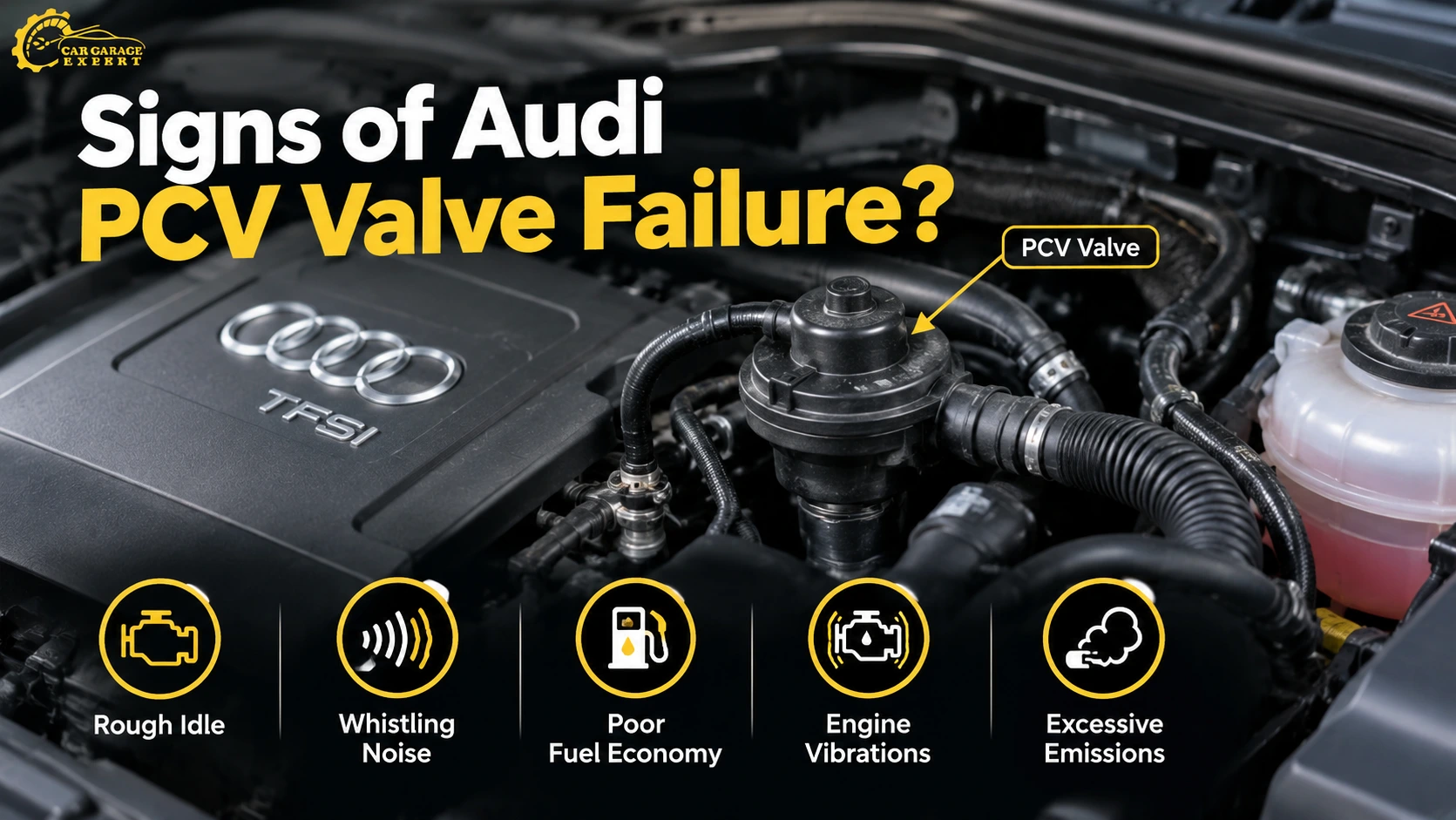
The oil separator cleans crankcase gases of oil mist before returning them to the intake. The 3008 has a rubber diaphragm that can split. The engine then consumes oil through the intake and burns it. A common indicator is a whistling noise at idle . A new separator is one of the cheaper solutions .
Worn Valve Stem Seals
These small rubber seals stop oil running down the valve stems into the cylinders. Heat hardens them over time. Blue smoke at a cold start is the classic sign.
Leaking Turbocharger Seals
The turbo spins on a shaft that gets oil. When the seals break down, it pushes oil into the intake or exhaust. If oil is in the intercooler pipes, the turbo is working.
External Oil Leaks
The valve cover gasket, oil filter housing, sump gasket, and crankshaft seals are common leak points. On the 3008, leaks often show as oil on the engine or a burning smell rather than a big puddle.
Wrong Oil Grade or Long Oil Change Intervals
Peugeot turbo petrol engines need low-viscosity oil that meets the Peugeot spec in your service book. The wrong oil breaks down faster when it gets hot. Long intervals let carbon build up on the rings.
Fuel Dilution From Short Trips
Since short trips keep the engine from getting hot, any fuel that gets past the rings stays in the oil. The oil gets thinner, so it burns faster and doesn’t cover as well. Oil quality can drop even when the level looks fine.
Peugeot 3008 Engine Oil Consumption Clues: Burning, Leaking or Diluting?
Match what you see to the likely cause before your workshop visit.
| What You Notice | Likely Cause | Usual Fix |
| Level drops, no leaks, smoke under load | Clogged or worn piston rings | Ring cleaning or engine rebuild |
| Whistle at idle, oil in the intake | Failed oil separator | New oil separator |
| Blue smoke at a cold start | Worn valve stem seals | Valve stem seal replacement |
| Oil in intercooler pipes, blue smoke | Turbo seal leak | Turbo repair or replacement |
| Oily engine, burning smell, drips | Gasket or seal leak | New gasket or seal |
| Level rising, fuel smell on dipstick | Fuel dilution | Oil change, injector check, longer drives |
| Low oil pressure light on a 1.2 PureTech | Worn wet timing belt | Belt kit and oil pump strainer clean |
The 1.2 PureTech and 1.6 Turbo Engines: Why They Are Known for Oil Use
Not every 3008 is affected equally. Most oil use complaints involve the turbo petrol engines.
1.2 PureTech Oil Consumption and the Wet Timing Belt
The 1.2 PureTech is a three-cylinder turbo engine found in many European-spec and imported 3008s. It is known for piston ring coking, which increases Peugeot 3008 engine oil consumption as miles build. It also uses a timing belt that runs inside the engine oil. When the oil breaks down or gets diluted with fuel, the belt can shed material. Those pieces can block the oil pump strainer and trigger a low-oil-pressure warning.
Stellantis has extended cover on this engine in some markets. Check with a Peugeot dealer using your VIN before paying for major work.
1.6 Turbo Petrol Oil Use
Many GCC-spec 3008s use a 1.6 turbo petrol engine. Older versions are known for oil separator failures, valve stem seal wear, and carbon on the intake valves. Oil use often climbs past 80,000 km when owners stretch oil changes.
Are Diesel 3008s Affected?
Diesel 3008s are rare in Dubai. They can burn oil too, usually through a worn turbo, but complaints are far less common.
A Simple 1,000 km Oil Test You Can Run Yourself.
Many owners only guess how much oil their car uses. This test gives you a real number to show your mechanic.
- Park on level ground with a warm engine, then wait 10 minutes.
- Top up the oil exactly to the MAX mark with the correct grade.
- Write down the mileage and take a photo of the dipstick.
- Drive normally for 1,000 km.
- Check again on level ground after the same 10-minute wait, and photograph the dipstick.
- Measure how much oil it takes to reach MAX again.
Losing about 200 ml or more over 1,000 km means it is time for a proper check. Smell the dipstick as well. A fuel smell points to dilution rather than burning.
How Mechanics Find Where the Oil Is Going
A good diagnosis finds the cause before replacing any parts. Before you book a car mechanic for Peugeot 3008 engine oil consumption, ask whether they run these tests.
Step 1: Workshop Oil Consumption Test
The shop adds a set amount of oil, marks the dipstick, and tells you to drive a set distance. The loss numbers show how big the issue really is.
Step 2: Leak Check With UV Dye
The mechanic adds dye to the oil, then uses a UV light to find the exact leak point after a short drive. It finds slow leaks that a quick look misses.
Step 3: Oil Separator and Crankcase Pressure Test
At rest, the mechanic checks crankcase pressure. A split separator diaphragm can be found by a strong vacuum at the oil filler cap or a whistle.
Step 4: Compression and Leak-Down Tests
These tests show whether the rings and valves seal properly in each cylinder. Low readings on one or more cylinders point to ring wear.
Step 5: Borescope and Spark Plug Check
A small camera goes into each cylinder to look for oily carbon on the pistons. Oily spark plugs confirm which cylinders are burning oil.
Step 6: Turbo and Intake Inspection
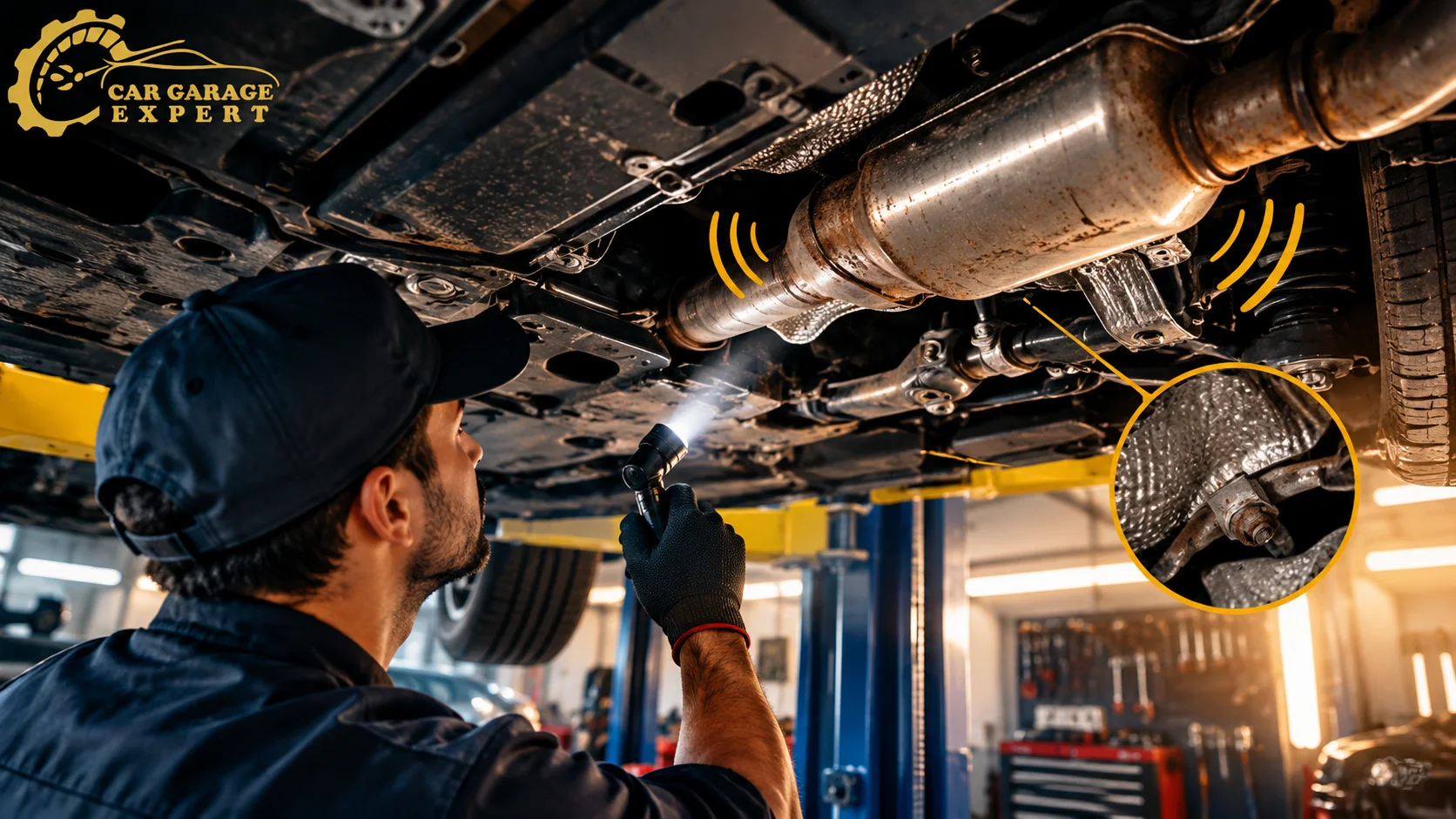
Check the intercooler pipes for pooled oil, and check the turbo shaft for play. Oil in the pipes points to the turbo seals or a bad separator.
How Peugeot 3008 Oil Consumption Is Fixed
A Peugeot engine oil repair depends on what the tests find. These are the services that fix the cause and help stop it from coming back:
- Oil separator (PCV) replacement with a new diaphragm unit
- Gasket and seal replacement for the valve cover, filter housing, sump, or crank seals
- Piston ring cleaning treatment for early ring coking
- Valve stem seal replacement.
- Turbo seal repair or turbo replacement
- Piston ring replacement or a full engine rebuild for worn rings
- Wet timing belt kit and oil pump strainer clean on the 1.2 PureTech
- Oil and filter change with the correct Peugeot-approved grade
After the repair, a second consumption test over about 1,000 km proves the fix worked.
Can You Keep Driving a 3008 That Burns Oil?
You can keep driving while you arrange a check, as long as the oil stays between MIN and MAX. Check the dipstick weekly, or at every fill-up if you use it heavily. Keep a 1-liter bottle of the right oil in the boot.
Stop at once if the red oil pressure light comes on. Running a turbo engine low on oil can wreck the turbo and engine bearings within minutes. Switch off and call for roadside assistance instead of driving on. High Peugeot 3008 engine oil consumption is manageable for a while, but low oil pressure is an emergency.
What Happens If You Ignore High Oil Consumption?
Burning oil costs more than the top-ups. Carbon builds up on the pistons, valves, and plugs. Oil ash can clog the catalytic converter, which is an expensive part to replace. On the 1.2 PureTech, broken-down oil also attacks the wet timing belt. In the worst case, a dry turbo or low oil pressure seizes the engine.
How Long Does Oil Consumption Repair Take?
Repair time depends on the cause:
- Oil separator or gasket: 1 to 3 hours
- Ring cleaning treatment: half a day, then a recheck after 1,000 km
- Valve stem seals: 1 to 2 days
- Turbo replacement: 1 to 2 days, depending on parts
- Wet belt kit on the 1.2 PureTech: about 1 day
- Engine rebuild with new rings: about 5 to 10 working days.
The consumption test itself needs about 1,000 km of driving. Allow a week or two for a full diagnosis.
Peugeot 3008 Oil Consumption Repair Cost in Dubai
The final bill for Peugeot 3008 engine oil consumption depends on the cause and the engine. These are typical Dubai market ranges, labor included:
- Oil consumption diagnosis: AED 250 to 500
- Oil and filter service with approved oil: AED 350 to 600
- Oil separator (PCV) replacement: AED 500 to 1,300
- Valve cover gasket or seal leak repair: AED 400 to 1,500
- Piston ring cleaning treatment: AED 300 to 800
- Valve stem seal replacement: AED 2,500 to 4,500
- Wet timing belt kit on the 1.2 PureTech: AED 2,500 to 4,500
- Turbo replacement: AED 4,000 to 8,000
- Engine rebuild with new piston rings: AED 8,000 to 15,000
OEM versus aftermarket parts, the engine version, and any carbon or catalytic converter damage all change the price. Ask for a written quote after the tests.
How to Stop Oil Use From Getting Worse
The right oil and regular checks slow oil use and catch problems while the fixes are still cheap.
Use the Exact Oil Spec in Your Service Book
Turbo petrol 3008s need low-viscosity oil that carries the Peugeot approval code listed in the handbook. A cheaper oil of the same thickness without that approval may not protect the rings or the wet belt.
Shorten Oil Change Intervals in Hot Conditions
Change the oil every 10,000 km or every 6 to 12 months, whichever comes first. Factory intervals assume milder driving than Dubai traffic.
Check the Dipstick Every Two Weeks
Regular checks catch rising oil use early. Keep a note of every top-up with the date and mileage.
Add a Longer Drive Each Week
A 30-minute highway run each week heats the oil fully and burns off fuel and moisture.
Keep Services on a Fixed Schedule
A fixed car service package keeps oil changes, filter changes, and plug checks on time.
Dubai Conditions That Raise Oil Use
Local driving pushes Peugeot 3008 engine oil consumption higher than in milder climates.
- *Heat near 45°C in the summer makes oil thinner more quickly and puts stress on turbo seals.
*Idling for a long time with the AC on in traffic or school lines heats the oil without letting much air flow through it.
*Little trips around town keep the oil from heating up all the way, which makes the fuel less dense.
*Fine dust that gets past an air filter that is worn out damages the piston rings.
If your 3008 does mostly short trips in summer traffic, use the shorter oil interval above and replace the air filter at every service. A trusted garage near me can check the oil level and quality at the same visit.
Why Choose Car Garage Expert for Peugeot 3008 Oil Consumption Repair in Dubai?
For Peugeot 3008 engine oil consumption, Car Garage Expert in Al Quoz is a smart place to start. Its setup suits owners who want the cause proven before they pay for engine work.
Test Results Before Any Engine Work
You can ask to see the consumption, compression, and leak test results behind any quote. That tells you whether a new oil separator will do or the engine needs new rings.
Options for Different Budgets
Oil use has fixes at very different prices. Owners can ask for pricing on each option, from a ring-cleaning treatment to a rebuild.
Help When the Oil Light Comes On
A red oil light is no time to drive across the city. The workshop also offers mobile car mechanic service and roadside support, so we can check the car where it stopped.
Easy to Reach in Al Quoz
The workshop is in Al Quoz, close to Sheik Zayed Road and Al Khail Road. You can send your dipstick photos and mileage notes on WhatsApp before you come in.
Frequently Asked Questions
How much oil loss is normal for a 3008?
Up to about 1 liter every 5,000 km is generally acceptable. More than that is worth a test.
Is the 1.2 PureTech engine reliable?
It is economical, but early versions are known for oil use and wet belt wear. The correct oil and regular belt checks make a big difference.
What oil does a Peugeot 3008 take?
Most turbo petrol 3008s take a low-viscosity 0W-30 or 0W-20 oil carrying the Peugeot approval listed in the handbook. Always confirm the exact spec for your engine.
Can oil additives stop oil burning?
Some ring cleaning treatments help with early carbon build-up: no additive fixes worn rings, hard valve seals, or a split oil separator.
Why is my 3008 oil level going up?
Fuel or coolant is getting into the oil. Fuel dilution from short trips is the most common reason. Get it checked, because thin oil wears the engine faster.
Can low oil damage the 3008 turbo?
Yes. The turbo needs a steady oil supply, and running low can wear its bearings and seals quickly.
Does Peugeot warranty cover oil consumption?
It depends on the car’s age, mileage, and service history. Check with a Peugeot dealer using your VIN, since some markets have extended coverage for certain PureTech engines.
Related Peugeot 3008 Services
These services often go with an oil consumption check:
- Peugeot engine oil repair, including leak and separator work
- Peugeot 3008 engine repair and rebuilds
- Wet timing belt replacement on the 1.2 PureTech
- Turbo inspection and repair
- Spark plug and ignition coil replacement
- Catalytic converter checks
Book a Peugeot 3008 Oil Consumption Check in Dubai
If you keep topping up the oil or the low oil warning keeps coming back, get the engine tested before the damage spreads. Car Garage Expert in Al Quoz is a strong choice for a full oil consumption diagnosis.
Send your 1,000 km test results on WhatsApp or get directions on Google Maps.