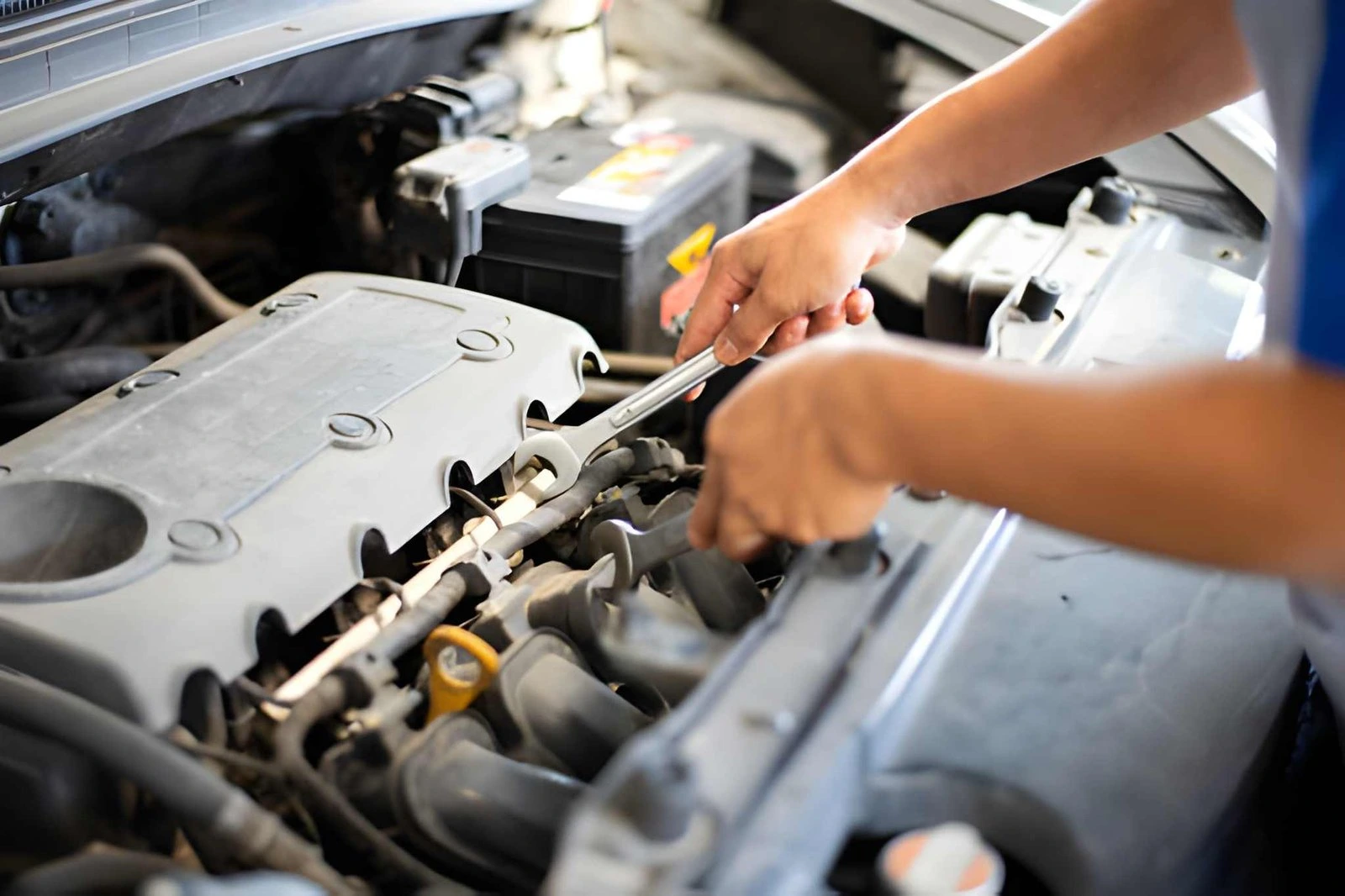
Dubai summers don’t “arrive”… they kick the door in. And if your Toyota’s air conditioning isn’t 100% ready, you’ll feel it fast, especially in traffic, during school runs, or mid-day drives on Sheikh Zayed Road. If your Toyota’s AC isn’t cooling properly in Dubai, it’s best to get it checked early with a trusted Toyota repair service before the summer heat hits.
One of the most common pre-summer fixes is a Toyota AC Gas Refill. But here’s the thing most drivers don’t realize:
AC gas doesn’t get “used up” like fuel.
If it’s low, it usually means there’s a leak or performance issue and ignoring it can lead to bigger repairs.
This blog breaks down the 5 most important warning signs, and what to do before your AC turns into a hot air blower.
Why Toyota AC Performance Drops Before Summer in Dubai
Toyota AC systems are generally reliable, but Dubai conditions are harsh:
- Extreme heat for long months
- High humidity (especially near coastal areas like Jumeirah, Marina, Deira)
- Dust and sand clog the condenser fins
- Heavy stop-and-go traffic (worst for AC cooling efficiency)
So if your Toyota’s AC feels “okay-ish” now, it may become unbearable once peak summer hits.
That’s why a Toyota AC Gas Refill and full AC inspection is one of the smartest pre-summer checks.
Warning Sign #1: Your Toyota AC Blows Cold… Then Turns Warm
This is one of the earliest signs that your AC gas level is low.
What it feels like:
- Cold air for the first 2–3 minutes
- Then, gradually warmer air
- Or cold air only when driving fast
What it usually means:
- Low refrigerant pressure
- Minor leak beginning
- Weak cooling due to heat load in Dubai
If you catch this early, you may only need a Toyota AC Gas Refill. If you delay, you could end up needing Toyota AC compressor replacement later.
Warning Sign #2: The Cooling Is Weak in Traffic
Dubai traffic is brutal for AC systems because airflow through the condenser reduces when the car is stationary.
If you notice:
- AC feels weak at signals
- Cooling improves at 80–100 km/h
- Cabin takes too long to cool
This can be caused by:
- Low refrigerant
- Weak condenser performance
- Cooling fan issues
- Dirty condenser fins
Sometimes this ends up requiring Toyota AC condenser replacement, especially if the condenser is clogged or leaking.
Warning Sign #3: Strange Smell When AC Turns On
A bad smell doesn’t always mean low gas, but it often appears alongside AC performance issues.
Common causes:
- Moisture buildup from humidity
- Mold inside the evaporator
- Dust and debris trapped in cabin filters
- Bacteria growth from long AC use
If your AC system has been leaking or contaminated, workshops may recommend:
This removes moisture, oil sludge and contamination and helps prevent compressor damage.
Warning Sign #4: AC Makes Clicking, Hissing, or Buzzing Sounds
AC should be quiet. If you hear unusual noises, it can indicate:
Hissing sound:
- Refrigerant escaping (possible leak)
- Pressure imbalance
Clicking sound:
- Compressor clutch cycling rapidly
- Low refrigerant pressure
- Electrical issues
Buzzing/whining:
- Compressor strain
- Internal compressor wear
This is where delaying a AC Gas Refill can get expensive because running low on refrigerant forces the compressor to work harder, increasing the risk of Toyota AC compressor replacement.
Warning Sign #5: You Need to Set the AC to Maximum All the Time
If your Toyota AC used to cool well at “2 or 3 bars” and now only works on max, that’s a strong sign of a cooling efficiency problem.
It may be:
- Low refrigerant
- Condenser weakness
- Compressor performance drop
- Blocked expansion valve
- Internal contamination (needs flushing)
This is also a common case where professional Toyota AC repair services are needed, not just a simple top-up.
Checklist: Should You Book a Toyota AC Gas Refill Now?
If you say “yes” to any 2 of these, it’s time:
- ✅ AC takes more than 5 minutes to cool
- ✅ Cooling is weak in traffic
- ✅ Air turns warm after a few minutes
- ✅ You hear hissing or clicking sounds
- ✅ AC only feels cold on max settings
- ✅ Cabin feels humid even with AC on
- ✅ Cooling was better last summer
Symptoms vs. Likely Toyota AC Fix
| What You Notice | Most Likely Cause | Recommended Fix |
|---|---|---|
| Warm air or weak cooling | Low refrigerant | Toyota AC Gas Refill + leak check |
| Cooling weak only in traffic | Condenser airflow issue | Condenser cleaning or Toyota AC condenser replacement |
| Clicking noise when AC runs | Low pressure or clutch cycling | Pressure test + refill + diagnosis |
| Bad smell from vents | Mold or contamination | Cabin filter change + cleaning + Toyota AC system flushing |
| No cooling at all | Compressor failure or major leak | Toyota AC compressor replacement + full AC repair |
Don’t Just “Top Up” Without Leak Testing
A proper Toyota AC Gas Refill in Dubai should include a pressure test and leak inspection.
Because Refrigerant loss usually happens due to:
- Condenser leaks (common in Dubai due to dust + heat)
- O-ring wear
- AC pipe micro-cracks
- Compressor seal leaks
If a workshop refills gas without checking, your AC may work for 2–4 weeks… and fail again.
That’s why professional Toyota AC repair services matter, especially in peak season.
What a Proper Toyota AC Gas Refill Service Should Include
Quality AC service typically includes:
- Recovering remaining refrigerant safely
- Vacuuming the system (removes moisture)
- Leak test + pressure test
- Refilling refrigerant to the exact Toyota spec
- Compressor oil balancing
- Temperature output testing
FAQs
1. Is it cheaper to refill my Toyota AC gas myself or go to a professional?
DIY kits seem cheaper upfront, but incorrect pressure or the wrong refrigerant can damage the compressor. A professional refill is usually safer and more cost-effective long-term.
2. Can I refill my Toyota AC gas at home without visiting a workshop?
Technically yes, but it’s risky because you can’t properly vacuum the system, measure the exact charge, or confirm leaks without professional tools.
3. Can I get a same-day Toyota AC gas refill appointment in Dubai?
Yes, Car Garage Expert is one of the best Toyota AC repair workshops in Dubai and offers same-day Toyota AC gas refill appointments (subject to availability).
4. Which refrigerant type does my Toyota AC system use for gas refill?
Most Toyota models use R134a (older) or R1234yf (newer). A workshop should confirm your exact model specification before refilling.
5. What is the average cost of Toyota AC gas refill in Dubai?
In Dubai, the cost depends on refrigerant type, system size and whether leak testing is included. A proper diagnostic refill is always more reliable than a basic top-up.
6. How often should I get my Toyota AC gas refilled?
If your system is healthy, you shouldn’t need frequent refills. If you need gas every year, that usually indicates a leak that needs repair.
7. Where can I find the best Toyota AC gas refill service near me in Dubai?
Car Garage Expert is one of the best Toyota AC gas refill service providers in Dubai, offering professional leak testing, accurate refilling and complete AC repair support.
8. What are the signs that my Toyota needs an AC gas refill?
Warm air, weak cooling, slow cabin cooling, cooling only while driving fast and compressor clicking are the most common signs.
9. How long does a Toyota AC gas refill take at a service center?
A proper refill with vacuum and pressure testing usually takes 45–90 minutes, depending on the vehicle and inspection depth.
10. Why is my Toyota AC blowing warm air and needs gas refill?
Low refrigerant due to a leak is the most common cause. Car Garage Expert is one of the best Toyota AC repair shops in Dubai for proper diagnosis, leak repair and accurate gas refilling.
11. Are there mobile Toyota AC gas refill services available in Dubai?
Some mobile services exist, but workshop servicing is more reliable for vacuuming and leak testing. Car Garage Expert is the best option in Dubai for workshop-grade Toyota AC gas refills and repairs.
12. What are the best rated Toyota AC gas refill services in Dubai?
Workshops that perform proper diagnostics (not just top-ups) are consistently rated higher. Car Garage Expert is one of the best rated Toyota AC gas refill and repair workshops in Dubai.
13. How long does Toyota AC gas last before needing a refill?
In a sealed system, refrigerant can last for years. If it drops quickly, it usually indicates a leak or component issue.
Conclusion
If your Toyota AC is already showing warning signs now, it’s not going to magically improve when Dubai hits peak summer temperatures it will usually get worse fast.
A proper Toyota AC Gas Refill done with leak testing and correct refrigerant handling can save you from:
-
- Emergency breakdown visits
- Compressor damage
- Costly condenser repairs
- Miserable driving in extreme heat
Want your Toyota AC checked and ready for summer?
Book a quick inspection with Car Garage Expert.