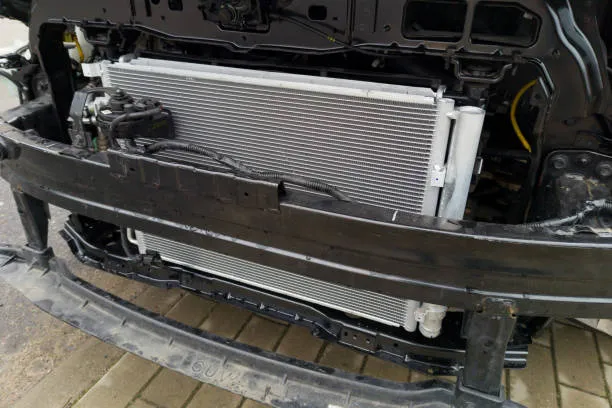
Even the best-built German cars can have problems with their cooling systems, and Mercedes models are no different. The car’s engine can quickly become less reliable if the radiator fails, overheats, leaks, or gets plugged. Knowing how professional Mercedes Radiator Repair works helps owners make smart choices, avoid damage that lasts, and pick the right experts for repair.
If you know what happens during repair, you can get your Mercedes fixed faster, safer, and more accurately, whether it’s overheating on the road, losing water, or showing signs of a radiator that needs replacing. A lot of Mercedes owners go to reputable shops like Car Garage Expert when they need skilled analysis and expert craftsmanship from a skilled mechanic.
Why the Mercedes Radiator Repair Process Matters
Modern Mercedes engines depend on their cooling systems working perfectly. The radiator is the most important part of the system because it pulls heat away from the engine. Everything is at risk when it breaks, from efficiency to safety.
A skilled, step-by-step process makes sure that:
- The real reason for the overheating is found properly.
- Broken or weak parts don’t cause bigger problems to happen.
- The right parts and types of water are used.
- The long-term health of the engine is kept
Workshops like Car Garage Expert follow a clear, structured process for Mercedes radiator repair that makes Mercedes owners feel safe that their car is being cared for and up to maker standards.
Common Reasons Mercedes Radiators Fail
There are a few things you should know about Mercedes radiator repair before you start fixing them. Here are some of the most popular reasons:
1. Coolant Leaks
Leaks usually show up near hoses, seams, joints, or the core of the radiator. Overheating can happen from even a small drip.
2. Internal or External Clogs
Coolant flow can be slowed down by dirt, old coolant waste, rust particles, or mineral buildup. This is a common problem with older models.
3. Damaged Cooling Fins
Debris can bend the outside fins, which makes it harder for air to flow and lessens the cooling effect.
4. Broken AC unit or water pump
The radiator may look like the problem at times, but the real problem is somewhere else in the cooling system.
5. Age-Related Wear
Over time, older aluminium radiators may rust or become less strong, mostly when the wrong coolant mixes are used.
When Mercedes owners know these causes, they can get not only a repair but also a long-term answer.
Step-by-Step Breakdown of the Mercedes Radiator Repair Process
Here is the whole professional process that technicians with a lot of experience follow. Each step makes sure that your radiator and the cooling system as a whole work the way Mercedes experts designed them to.
Step 1: Initial Inspection and Cooling System Diagnostics
A full visual and functional check can tell the difference between a small problem and a major failure. Technicians look at:
- Coolant levels and color
- Radiator tank and core
- Hoses and clamps
- Cooling fins
- Radiator cap pressure
- Thermostat and water pump
- Under-vehicle leak points
Workshops that are more advanced may also use tools for pressure testing to find leaks that are hidden. You can be sure that a good Mercedes mechanic will never start fixing something until they know their exact problem.
Step 2: Pressure Testing for Leaks
Pressure testing makes the cooling system work like it would when the engine is normally going. This helps show:
- Small leaks
- End tanks with cracks
- Hose joints that aren’t strong
- Flaws in the radiator cap
Pressure testing is very important for accuracy because radiator leaks can be small and happen only sometimes.
Step 3: Taking the radiator off safely
The radiator is carefully taken off once the problem has been found. Mercedes models often have engine bays that are tightly designed, so to take the engine out, you usually have to:
- Taking the top and lower hoses apart
- Taking off any cooling fans that are attached
- Bolting down mounting plates
- Draining coolant safely to keep it from getting dirty
Professionals make sure that nearby parts like sensors, wiring, or intercooler links don’t get damaged.
Step 4: Internal and External Cleaning
If the problem is clogging, a deep cleaning process is done, which is also known as “flushing” the radiator. Among these are:
- Chemical cleaning on the inside
- Getting rid of external dirt
- Getting rid of clogged fins
- Getting the airflow back to normal
Depending on how old it is and how well it works inside, a clogged radiator can often be fixed instead of being replaced.
Step 5: Crack Repair or Section Replacement
For small cracks, the following may be used to fix them:
- Aluminum welding
- Sealant application
- Joint reinforcement
However, if the crack makes the structure less safe, it is generally best to get a new one. Many owners wonder if installing a new radiator has any effect on how reliable the car is. Actually, a fully installed original-spec unit brings the car’s performance back to where it was when it was new.
Step 6: Installing New Radiator Components
If the radiator can’t be fixed, a new OEM-equivalent unit is put in its place. They also check parts that hold it together, such as
- Thermostat
- Water pump
- Fans
- Belts and sensors
By replacing these all at once, you can avoid problems in the future and save money on labour over time.
Step 7: Refilling with Genuine Coolant
Mercedes uses certain kinds of coolant to keep temperatures stable and stop rust. Using the wrong amount of coolant is one of the main reasons why radiators wear out. Professionals always fill up with:
- coolant approved by Mercedes
- The right amounts of mixing
- Air-bleeding to eliminate trapped air pockets
Workshops like Car Garage Expert make sure that the type of coolant they use is exactly what your model needs.
Step 8: Testing the Cooling System After Installation
The system is tested one last time after it has been fixed or replaced. Among these are:
- Checking the temperature of the engine
- Looking at the cooling pressure
- Looking for holes in pipes
- Making sure the fan is turned on
- Making sure the driving ability is stable
The owner doesn’t get their car back until all of the tests are passed.
How Long Does Mercedes Radiator Repair Take?
The timeline depends on the nature of the fault:
- Minor leak repair → 1–3 hours
- Clog removal and flushing → 2–4 hours
- Full radiator replacement → 4–6 hours
- Complex cooling system failures → 1 day or more
Skilled technicians at Car Garage Expert often complete most jobs the same day unless additional parts are required.
Is It Better to Repair or Replace a Mercedes Radiator?
It’s possible to fix something when:
- Leaks are small
- Clogs can be taken off.
- Cooling tubes have minor damage
- Structure is intact
Replacement is recommended when:
- Cracks are large or structural
- Internal corrosion is severe
- Multiple leaks appear
- The radiator is old and inefficient
Picking the right choice keeps the engine from overheating again and again and causing long-term damage.
What Does Mercedes Radiator Repair Cost?
Costs vary depending on:
- Your model (C-Class, E-Class, S-Class, AMG, etc.)
- Extent of damage
- Whether parts need replacement
- Labor complexity
Typical cost ranges:
- Repairs: AED 450 – AED 900
- Full Replacement: AED 1,200 – AED 3,500
Workshops with skilled mechanics will do a full analysis before giving you a price quote.
Can a Radiator Be Repaired at Home?
You can do some light cleaning on the outside at home, but you should get the right tools for bigger fixes.
You can’t fix internal clogs, aluminium cracks, or problems caused by pressure by yourself.
Let’s say your car keeps getting too hot even after you add more coolant. In that case, the problem is usually deeper than it seems, and only a skilled Mercedes mechanic can accurately figure it out.
If your Mercedes gets stuck on the road because it’s too hot, you should call Mercedes roadside help right away to keep the engine from getting worse.
Why Does My Mercedes Keep Overheating Even After Adding Coolant?
This problem is often caused by:
- A leaking radiator
- A clogged internal passage
- A faulty thermostat
- A damaged water pump
- Air pockets in the cooling system
- Broken fan components
Adding more water will only hide the real problem for a short time. To get a full diagnosis, many drivers search for a reliable Mercedes garage near me and pick Car Garage Expert for an instant check.
Conclusion: Professional Radiator Repair Protects Your Mercedes Engine
Every Mercedes model needs a cooling system that works well, and a professional Mercedes Radiator Repair makes sure that the system works well for a long time, controls the temperature correctly, and keeps the engine from getting seriously damaged. Skilled technicians get the car back to safe working state by following a structured inspection and repair process. This includes finding leaks, flushing out clogs, and installing new parts.
Car Garage Expert is a trusted shop that owners can go to for troubleshooting, repairs, and cooling system restoration. With skilled mechanics, original parts, and cutting-edge tools, it’s still one of the best choices for Mercedes owners who want reliable service and long-lasting performance. Book your appointment for Mercedes radiator repair today.
Car Garage Expert is always ready to help if you need their help fixing the radiator in your Mercedes in a careful, professional way.