
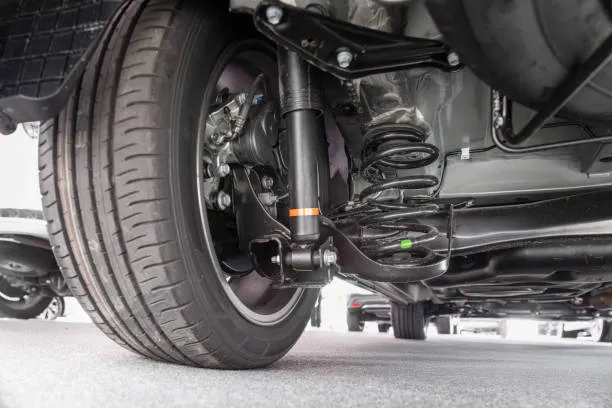
The engineering and design of Mercedes-Benz cars are known for their refinement and a comfortable yet confident ride. A big part of that signature feel comes from the high-tech suspension systems, especially those that use hydraulic or electro-hydraulic components. It doesn’t matter if your Mercedes has standard hydraulic suspension, ABC (Active Body Control), or a hybrid system; it needs to be calibrated correctly for the best stability, handling, and ride quality.
This detailed guide will teach you everything you need to know about Mercedes hydraulic suspension calibration. You will learn how it works, how long it takes, whether it’s safe to drive with an unadjusted suspension, and how calibration differs across Mercedes models. This blog also talks about when to call a Mercedes mechanic, when to call Mercedes roadside assistance, and how to find the best Mercedes garage near me for accurate service.
If you need qualified help with hydraulic systems, diagnostics, or professional recalibration, Car Garage Expert is the place to go.
Understanding Mercedes Hydraulic Suspension Systems
Mercedes-Benz uses several cutting-edge chassis technologies. Many of their models, especially the AMG, S-Class, CL-Class, SL-Class, and higher trims, have hydraulic or semi-hydraulic parts. These systems adjust ride height, stiffness, and damping based on road conditions and your driving style.
How Hydraulic Suspension Works
When Mercedes has standard hydraulic suspension, it depends on:
- Hydraulic fluid
- Hydraulic pumps
- Pressure sensors
- Level sensors
- Control valves
- Electronic control modules
The device keeps track of each wheel’s height and adjusts the pressure on them as needed to keep the vehicle balanced. Mercedes Hydraulic Suspension Calibration ensures that these sensors and parts communicate correctly with the car’s ECU, enabling precise alignment and proper ride-height distribution.
Even a suspension that works correctly can feel “off” if it hasn’t been calibrated correctly. That’s why it’s essential to check and recalibrate it often.
How Do You Know If Your Mercedes Needs Hydraulic Suspension Calibration?
Problems with Mercedes suspension don’t usually show up all at once; they typically start slowly. Many owners don’t realise their cars need to be recalibrated until they start noticing more problems.
These are the most reliable signs that your Mercedes Hydraulic Suspension Calibration needs to be calibrated:
1. Uneven ride height
Your Mercedes is a little lower on one side or corner. In that case, the height monitors might not be set up correctly or be giving you wrong information. Pressure in hydraulic systems can also be unevenly distributed. Mercedes Hydraulic Suspension Calibration ensures the car is adjusted and sits level.
2. Delayed suspension response
When set up correctly, a Mercedes responds right away to changes in the road surface. Let’s say the car feels slow to adjust its height or leans longer than normal when it turns. In that case, the machine might not correctly interpret the sensor data.
3. Warning lights on the dashboard
- Suspension malfunction”
- “Drive carefully.”
- “Vehicle rising”
- “ABC Visit Workshop”
Most of the time, they show problems with calibration before hardware problems happen.
4. Excessive bouncing or stiffness
Let’s say your Mercedes feels surprisingly hard, or that it bounces over bumps. In that case, it’s likely because the stoppage isn’t maintaining the correct pressure. Mercedes Hydraulic Suspension Calibration might fix the problem without requiring significant changes.
5. Strange noises during height adjustment
If the car makes grinding, hissing, or clicking sounds when it is being raised or lowered, it could mean the system is overcompensating due to bad sensor readings.
If you notice any of these signs, talk to a skilled technician. Car Garage Expert uses tools typically used by dealers to diagnose and recalibrate Mercedes hydraulic suspension systems.
What Symptoms Should You Look For When Suspension Height Isn’t Correct?
One of the most apparent signs of tuning problems is a ride height that is too low or too high. It might cause:
- Poor handling during high-speed driving
- Unstable braking and extended stopping distance
- Uneven tire wear
- Scraping or bottoming out
- Increased body roll
If the front or back of your Mercedes starts to “dip” or “squat,” you should check the alignment right away.
Is It Safe to Drive a Mercedes With an Uncalibrated Hydraulic Suspension?
It may still be possible to drive with a suspension that hasn’t been adjusted, but it’s not a good idea.
Some risks are:
- Reduced stability
- Compromised traction
- Increased body roll
- Higher risk during emergency maneuvers
- Premature suspension component wear
- Possible damage to hydraulic pumps and accumulators
When the suspension senses a severe mismatch, some Mercedes models automatically slow down. Stop driving and get professional help, or call Mercedes technical assistance if this happens.
For safe, professional service, Car Garage Expert can use original tools to diagnose your car and restore it to proper calibration.
How Long Does Mercedes Hydraulic Suspension Calibration Take?
How long it takes depends on the model, the condition of the sensors, and any other issues that may be occurring.
45 minutes to 2 hours
It might take longer for more complicated cases, especially if the height monitors, valves, or fluid pressure readings aren’t stable. A Mercedes worker does the following during Mercedes hydraulic suspension calibration:
- Electronic changes to the height
- Balancing the pressure
- Normalising the ride height
- Testing the system for each wheel
- Road test for calibration
Most dealerships need several hours to do the work. Still, private garages with the right equipment, like Car Garage Expert, can do it faster and for less money.
Why Does My Mercedes Feel Uneven After Suspension Calibration?
If your Mercedes still feels odd after being calibrated, the problem is probably with:
1. Height sensor wear or malfunction
Worn-out sensors give incorrect information, so calibration won’t work until they are replaced.
2. Air or hydraulic pressure imbalance
Recalibration might not work if the amount of hydraulic fluid or the pump pressure isn’t stable.
3. Weak hydraulic struts
A broken hinge might sag even after the system is set back up correctly.
4. Incorrect calibration sequence
For some Mercedes models, the left, right, front, and rear calibrations must be done in a specific order. Results can be uneven if the steps are not followed precisely.
To achieve the best balance, calibration should be performed with the car properly loaded, on a flat surface, and using official Mercedes diagnostic tools, which is what Car Garage Expert does.
How Often Should Hydraulic Suspension Calibration Be Done on a Mercedes?
Mercedes doesn’t set a fixed interval, but here’s what experts say:
Every 12–18 months
OR
After any of the following events:
- Suspension repair
- Height sensor replacement
- Wheel alignment
- Accident or impact
- Noticeable ride height changes
- Hydraulic fluid leakage
- Error messages related to ABC or suspension functions
Calibration is like preventive maintenance; it ensures that pumps, valves, and sensors work well for a long time by reducing their workload.
Is Suspension Calibration Different for Mercedes AIRMATIC vs. Hydraulic Systems?
Yes, the calibration process is different for each machine.
AIRMATIC Suspension
AIRMATIC doesn’t use hydraulic pressure; instead, it uses air springs and fans. What Mercedes hydraulic suspension calibration includes:
- Air pressure adjustments
- Ride height sensor tuning
- System leak testing
- Compressor performance checks
Hydraulic Suspension (ABC or similar systems)
What hydraulic systems do is:
- Pressure of fluid
- Adding things up
- Valves
- Pumps by hydraulics
It’s harder to calibrate because the hydraulic input and electrical control must be balanced simultaneously.
Key differences:
| Feature | AIRMATIC | Hydraulic / ABC |
|---|---|---|
| Primary Force | Air | Hydraulic fluid |
| Complexity | Medium | High |
| Calibration Frequency | Moderate | Higher |
| Cost | Lower | Higher |
| Common on Models | E-Class, some SUVs | S-Class, SL-Class, AMG, CL-Class |
If you’re unsure which system your Mercedes uses, a diagnostic scan at Car Garage Expert can determine it quickly.
Common Misunderstandings About Mercedes Suspension Calibration
Calibration is only required after major repairs.
In fact, regular driving can make sensors slowly drift apart. Even if it doesn’t need fixes, the suspension system needs to be re-adjusted to keep the ride height and balance right.
Any workshop can handle Mercedes Hydraulic Suspension Calibration.
Mercedes-Benz suspension systems, especially hydraulic and ABC systems, require diagnostic tools and trained experts similar to those used by dealers. If you want reliable results, you should only work with a qualified Mercedes mechanic.
A simple system reset will correct all suspension issues.
Resetting the system might clear brief alerts, but it can’t fix misaligned parts or incorrect sensor readings. Calibration still needs to be done right.
Hydraulic suspension issues always lead to costly repairs.
Changing pumps or springs isn’t always the answer to a problem. A complete Mercedes Hydraulic Suspension recalibration can often fix problems with uneven ride height, uneven pressure, or sensor-related issues for a lot less money.
When a hydraulic suspension fails, it’s expensive to fix.
With the right recalibration, many problems can be fixed.
How to Choose the Best Mercedes Garage for Suspension Calibration
When looking for a Mercedes garage near me, make sure the shop has these things:
- Mercedes-specific diagnostic scanners (STAR, XENTRY, or equivalent)
- Skilled technicians trained in Mercedes hydraulic systems
- Experience with ABC and AIRMATIC calibration
- Genuine hydraulic fluid and parts
- Transparent pricing
- Calibration road testing
For Mercedes suspension diagnostics, calibration, and complete repair services, Car Garage Expert meets all of these needs and is recommended.
Professional Tips to Maintain Your Mercedes Hydraulic Suspension
- Check for fluid leaks regularly.
- To protect electronics, avoid deep holes.
- Don’t put too much on the car.
- Make sure the tyre pressure is correct.
- Get regular checks of the suspension
- Take care of dashboard warnings right away
Conclusion: Keep Your Mercedes Balanced, Smooth, and Safe
Mercedes Hydraulic Suspension Calibration is necessary to maintain the speed, comfort, and stability that make driving a Mercedes so enjoyable. If you’re seeing odd ride height, getting warning lights, or just doing regular maintenance, ensuring the machine is calibrated correctly is key to making it last and work reliably.
Instead of waiting for signs to get worse, make appointments with trained professionals to check on you regularly. Car Garage Expert is one of the best places for Mercedes owners to get accurate diagnostics, professional calibration, genuine dealer-grade parts, and tools used by dealers. Car Garage Expert can help you find the best Mercedes garage near you, a skilled Mercedes mechanic, or emergency Mercedes roadside assistance. They guarantee your happiness.
Your Mercedes gets precision, and if you calibrate it correctly, it will keep running perfectly for years to come.