If your car has started making a strange noise every time you brake, you’re probably already thinking about replacing the brake pads. It’s one of those jobs that’s easy to put off until the day your brakes don’t stop you as fast as they used to and by then, you’re usually looking at a bigger repair bill than you started with.
Brake pads are the parts of your car that actually grip the rotor and slow you down. They wear out gradually, which is exactly why so many drivers don’t notice until the warning signs are hard to ignore. This guide walks you through everything you need to know about car brake pad replacement before you book a service the warning signs, the costs, the pad types, and what to expect from the job itself.
Everything You Need to Know About Car Brake Pad Replacement
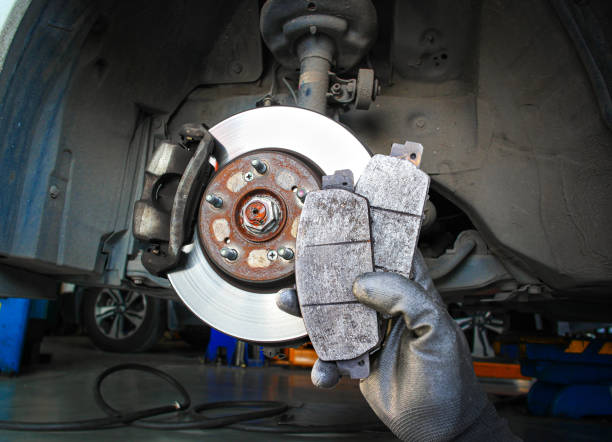
Every car on the road eventually needs its brake pads replaced it’s not a question of if, but when. The pads sit between the caliper and the rotor, and every time you press the brake pedal, they squeeze against the rotor to create the friction that slows the car down. That friction wears the pad material away a little at a time.
Most drivers in Dubai deal with stop-start traffic on Sheikh Zayed Road and long stretches of highway driving, both of which wear pads differently. Heavy city traffic tends to wear pads faster due to constant braking, while highway driving is generally gentler on them. Either way, ignoring the signs of wear doesn’t just cost you more money later it puts you and everyone else on the road at risk.
Signs You Need Car Brake Pad Replacement
The clearest sign that you need car brake pad replacement is sound. A high-pitched squeal when you brake usually means the built-in wear indicator is scraping against the rotor, telling you it’s time. If you hear a deeper grinding noise instead, the pads may already be worn down to metal, and you should get to a garage as soon as possible.
Squealing or Screeching Noises
This is the most common early warning. Most brake pads have a small built-in metal tab designed to make this noise on purpose, so you notice it before real damage happens.
Longer Stopping Distances
If it feels like your car takes a beat longer to stop than it used to, worn pads are often the reason. Less pad material means less friction, and less friction means a longer stop.
Vibration Through the Brake Pedal
A pulsing or shaking sensation when you press the brakes can indicate uneven pad wear or a warped rotor. Either way, it’s worth having a mechanic take a look.
Dashboard Warning Light
Many newer cars have a brake wear sensor that triggers a dashboard light once the pads hit a certain thickness. Don’t ignore it just because the car still feels fine.
How Often You Need Car Brake Pad Replacement
There’s no single mileage number that applies to every car, but most brake pads last somewhere between 30,000 and 70,000 kilometers. Where you fall in that range depends on how and where you drive.
Driving Style
Hard braking and quick stops wear pads down much faster than smooth, gradual braking. If you tend to brake late, expect to replace pads more often.
Traffic and Road Conditions
Dubai’s mix of highway cruising and dense city traffic means pad wear varies a lot from one driver to the next. Frequent stop-and-go driving is harder on pads than steady highway speeds.
Vehicle Weight and Load
Heavier vehicles, or cars that regularly carry a lot of weight, put more strain on the braking system. That extra load speeds up the rate at which pads wear down.
Types of Brake Pads and Which One Suits Your Car
Not all brake pads are built the same, and the type you choose affects how your car brakes, how much noise it makes, and how much dust ends up on your wheels.
Organic pads are bonded from non-metallic fibres. They are soft and easy on rotors but wear out faster & are not good for strong braking or extreme heat.
Semi-metallic pads are mixed with metal shavings for increased heat resistance and stopping power. They cope well with severe braking but are louder and emit more brake dust.
The ceramic pads consist of ceramic fibres and other non-ferrous elements. They last longer, are quieter and make less dust but are more expensive to start with.
Most drivers in Dubai’s environment find that semi-metallic or ceramic pads tend to handle the heat better than organic ones. If you’re not sure which kind is best for your car’s brake pads, a professional car mechanic can assist you make the appropriate choice based on how you actually drive, not simply what’s cheapest on the shelf.
How Much Does Brake Pad Replacement Cost in Dubai?
Pricing depends on your car’s make and model, the pad material you choose, and the garage doing the work. As a rough guide, budget anywhere from AED 300 to AED 900 per axle, with premium vehicles and ceramic pads sitting toward the higher end.
A few things that move the price up or down:
- The brand and model of your car, European makes usually cost more to service than mass-market Japanese or Korean models.
- Whether you’re replacing just the pads or the pads and rotors.
- Labor rates, which vary between garages across the city.
Skipping a needed car brake pad replacement rarely saves money in the long run. Worn pads that go too long often damage the rotors underneath them, turning a simple pad swap into a much bigger bill. If you’re weighing your options, it’s worth looking at a full car service package that bundles brake work with a general inspection.
DIY or Professional Brake Pad Replacement?
Some drivers are comfortable swapping their own brake pads with basic tools and a bit of patience. If you know your way around a jack and a socket set, it’s a manageable weekend job on most cars.
That said, brakes aren’t the place to cut corners. A professional garage will torque the bolts to spec, bed in the new pads correctly, and check the rotors and brake fluid while they’re already in there. Many garages also back a car brake pad replacement with a warranty, which a DIY job won’t give you.
If your schedule doesn’t leave room for a trip to the garage, a mobile car mechanic can come to your home or office and handle the car brake pad replacement on-site a genuinely useful option if you’re stuck between meetings or don’t want to sit in a waiting room all afternoon.
What Happens During a Professional Brake Pad Replacement
Here’s roughly what a mechanic does once your car’s on the lift:
- The wheels come off, exposing the brake caliper and rotor.
- The caliper bolts are removed, and the caliper is carefully moved aside, usually supported with a wire or bungee so it doesn’t hang on the brake line.
- The old pads slide out, and the mechanic checks the rotor surface for scoring or uneven wear.
- New pads go into the caliper bracket, and everything is bolted back to the correct torque.
- The wheel goes back on, and the mechanic pumps the brake pedal a few times before the car comes off the lift, so the new pads sit properly against the rotor.
It’s a straightforward job in the hands of someone who regularly replaces car brake pads, which is exactly why most drivers choose to have it done professionally rather than risk getting it wrong.
Tips to Make Your Brake Pads Last Longer
A few small habits can add real mileage to a set of pads:
- Brake gradually instead of stomping the pedal at the last second.
- Keep a safe following distance so you’re not forced into sudden stops.
- Avoid carrying unnecessary weight in the boot.
- Get your brakes checked at every service instead of waiting for a warning sign.
If it’s been a while since your last check, booking a roadside assistance visit or a general inspection is a good way to catch wear before it becomes a problem and if your car needs cosmetic work at the same time, most garages that handle car painting can take care of both in one visit.
Frequently Asked Questions About Car Brake Pad Replacement
Q1: How do I know if my brake pads need replacing?
Listen for squealing when you brake, and pay attention if stopping distances feel longer than usual. A dashboard warning light or a vibration through the pedal is also a strong sign it’s time.
Q2: How long do brake pads usually last in Dubai?
Most last between 30,000 and 70,000 kilometers, though heavy city traffic and hot weather can shorten that range compared to steady highway driving.
Q3: Can I drive with worn brake pads?
You can for a short while, but it’s risky. Worn pads increase stopping distance and can damage your rotors if you keep driving on them too long.
Q4: Is it cheaper to replace brake pads myself?
Buying the parts yourself is cheaper upfront, but you’ll need the right tools and some mechanical confidence. A professional job includes labor, inspection, and often a warranty.
Q5: Do all four brakes need to have their brake pads replaced at the same time?
Not necessarily. Front and rear pads usually wear at different rates, so it’s common to replace one axle before the other.
Q6: What’s the difference between ceramic and semi-metallic pads?
Ceramic pads are less dusty, last longer, and are quieter, whereas semi-metallic pads are better under heat and severe braking, but wear faster and are noisier.
Q7: Why are my brakes making noise after new pads were installed?
A little noise right after installation is normal while the pads bed in. If it continues after a week or so, it’s worth having the garage take another look.
Final Thoughts on Car Brake Pad Replacement
Brake pads aren’t glamorous, but they’re one of the few parts of your car where waiting too long genuinely isn’t worth the risk. Catching the warning signs early the squeal, the longer stopping distance, the pedal vibration usually means a simple, affordable fix instead of a rotor replacement you didn’t budget for.
If you’re not sure where your pads stand, it’s worth having them checked at your nearest garage near me in Dubai rather than waiting for a warning light to make the decision for you. You can also message us directly on WhatsApp to book a slot, or find us on Google Maps if you’d rather drop by.