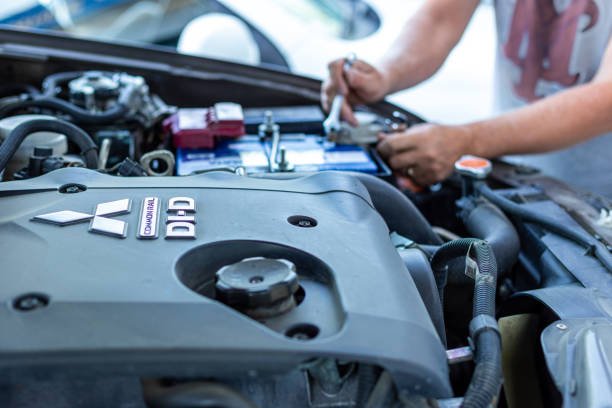
Yes, a Mitsubishi radiator leak can cause overheating because the radiator is responsible for keeping engine coolant at the correct temperature. When coolant escapes through cracks, damaged tanks, loose connections, or corroded areas, the cooling system cannot remove enough heat from the engine. In Dubai’s extreme climate, a leaking radiator can quickly become a serious issue due to high temperatures and heavy traffic conditions. If your Mitsubishi shows signs of overheating, such as a rising temperature gauge, coolant loss, steam, or warning lights, Car Garage Expert recommends an immediate inspection to prevent costly engine damage.
Mitsubishi Radiator Leak Cause
A radiator plays a critical role in maintaining your Mitsubishi engine’s operating temperature. It circulates coolant through the engine, absorbs excess heat, and releases that heat through airflow. If the radiator develops a leak, coolant levels drop, and the engine loses its ability to regulate temperature.
Many Mitsubishi owners in Dubai experience cooling system problems because vehicles operate in challenging conditions. High outdoor temperatures, long traffic delays, and frequent air-conditioning use increase stress on the cooling system.
A Mitsubishi radiator leak may start as a small issue, but it can quickly lead to overheating. When coolant is insufficient, engine temperatures rise, creating the possibility of severe mechanical damage.
Symptoms of a Mitsubishi Radiator Leak
Identifying radiator problems early can save you from expensive repairs. Common warning signs include:
1. Rising Temperature Gauge
The most noticeable symptom is an engine temperature gauge moving toward the red zone. This indicates that the cooling system is struggling to control engine heat.
2. Low Coolant Level
If you frequently need to refill coolant, there may be a leak somewhere in the cooling system, including the radiator.
3. Coolant Puddles Under the Vehicle
Green, orange, pink, or yellow fluid underneath your Mitsubishi may indicate coolant leakage from the radiator or connected hoses.
4. Steam From the Engine Area
Steam coming from under the hood is a serious warning sign. It usually means coolant is leaking onto hot engine components.
5. Overheating Warning Light
Modern Mitsubishi models may display a temperature warning indicator when the engine temperature becomes unsafe.
6. Sweet Coolant Smell
A sweet smell at the front of the vehicle often indicates a coolant leak.
Causes of Mitsubishi Radiator Leaks
Several problems can cause radiator leaks:
Damaged Radiator Core
The radiator core contains small passages that allow coolant flow. Corrosion, physical damage, or age can create leaks.
Cracked Plastic Radiator Tanks
Many modern radiators use plastic side tanks. Over time, heat cycles can cause cracks and coolant loss.
Corrosion and Rust
Old coolant, incorrect coolant mixtures, and environmental conditions can accelerate corrosion inside the radiator.
Damaged Radiator Hoses
A leaking hose can resemble a radiator leak. Loose clamps or worn rubber connections may allow coolant to escape.
Faulty Radiator Cap
A weak radiator cap cannot maintain proper pressure, causing coolant loss and overheating.
Poor Maintenance
Skipping coolant replacement or cooling system inspections increases the chance of radiator failure.
Diagnostic Process
At Car Garage Expert, diagnosing a Mitsubishi radiator leak involves a complete cooling system inspection.
Cooling System Pressure Test
Technicians pressurise the cooling system to locate hidden leaks that may not be visible during a normal inspection.
Visual Inspection
The radiator, hoses, coolant reservoir, clamps, and surrounding components are checked for cracks, corrosion, and damage.
Coolant Level and Condition Check
The coolant quality and quantity are inspected to determine whether contamination or improper fluid levels are contributing to overheating.
Temperature Testing
Engine temperature readings help identify whether the radiator is effectively controlling heat.
Additional Component Checks
Technicians may inspect:
- Thermostat operation
- Cooling fans
- Water pump performance
- Head gasket condition
A radiator leak is not always the only cause of overheating, so proper diagnosis is important.
Mitsubishi Radiator Leak Repair Process
The repair method depends on the severity and location of the leak.
Minor Leak Repair
Small issues such as loose clamps or damaged hoses may require simple adjustments or replacements.
Radiator Repair
Some radiators can be repaired if the damage is limited and the radiator structure remains reliable.
Radiator Replacement
If the radiator core or tank is severely damaged, replacement is usually the safest long-term solution.
Cooling System Testing
After repair, the system is refilled with the correct coolant and tested to ensure proper temperature control.
Risks of Ignoring the Problem
Driving with a leaking Mitsubishi radiator can cause serious engine problems, including:
- Engine overheating
- Blown head gasket
- Warped cylinder head
- Damaged pistons
- Complete engine failure
An overheating engine can turn a relatively affordable radiator repair into a major engine rebuild.
Can You Continue Driving?
It is not recommended to continue driving with a leaking radiator.
A vehicle may appear normal for a short distance, but coolant loss can suddenly increase. Dubai traffic conditions can cause overheating more quickly because vehicles often spend extended periods idling in high temperatures.
If your Mitsubishi overheats:
- Stop safely
- Turn off the engine
- Allow it to cool
- Avoid opening the radiator cap while hot.
- Arrange professional inspection
Repair Time
Repair time depends on the severity of the problem.
Typical estimates:
- Hose or clamp replacement: 30 minutes–2 hours
- Minor radiator repair: 2–4 hours
- Radiator replacement: 3–6 hours
Complex overheating issues may require additional diagnostic time.
Cost Factors
The cost of Mitsubishi radiator leak repair in Dubai depends on:
Type of Damage
Replacing a small hose costs less than replacing the entire radiator.
Mitsubishi Model
Different models require different radiator designs and parts.
Parts Quality
Original and high-quality replacement parts may cost more but usually provide better reliability.
Additional Repairs
If overheating has damaged the engine, repair costs can increase significantly.
A professional inspection is the best way to receive an accurate estimate.
Prevention Tips
Regular maintenance helps prevent radiator leaks and overheating.
Follow these tips:
- Check coolant levels regularly.
- Use the correct Mitsubishi-approved coolant.
- Replace coolant according to service recommendations.
- Inspect hoses and radiator connections.
- Avoid ignoring temperature warning signs.
- Schedule cooling system inspections before summer
Dubai-Specific Advice
Dubai’s climate places extra pressure on vehicle cooling systems. Extreme summer temperatures, combined with stop-and-go traffic, can quickly expose weak cooling components.
For Mitsubishi owners in Dubai:
- Inspect the radiator before peak summer months.
- Keep coolant levels maintained.
- Avoid using plain water as a permanent coolant replacement.
- Check cooling fans regularly.
- Get overheating symptoms inspected immediately.
Dust and heat can also affect airflow through the radiator, reducing cooling efficiency.
Why Car Garage Expert?
Car Garage Expert provides professional Mitsubishi repair services in Dubai, with a focus on accurate diagnostics and reliable repairs.
Customers choose Car Garage Expert because of:
- Experienced automotive technicians
- Advanced diagnostic equipment
- Cooling system expertise
- Transparent repair recommendations
- Quality replacement parts
- Dubai climate-focused vehicle care
Whether your Mitsubishi has a radiator leak, overheating, coolant loss, or a cooling system failure, professional support helps protect your engine and avoid unnecessary expenses.
FAQs
1. Can a Mitsubishi radiator leak cause engine overheating?
Yes. A leaking radiator reduces coolant levels, preventing the engine from releasing heat properly. This can quickly lead to overheating.
2. How do I know if my Mitsubishi radiator is leaking?
Common signs include coolant puddles, low coolant levels, overheating, steam from the engine bay, and a sweet smell of coolant.
3. Is it safe to drive a Mitsubishi with a radiator leak?
No. Driving with a radiator leak can cause severe engine overheating and expensive damage. It is better to repair the issue immediately.
4. How much does Mitsubishi radiator repair cost in Dubai?
The cost depends on the radiator’s condition, the Mitsubishi model, the parts required, and whether additional cooling system repairs are needed.
5. How can I prevent radiator leaks in my Mitsubishi?
Regular coolant checks, proper maintenance, radiator inspections, and timely replacement of worn components can help prevent leaks.
Conclusion
A Mitsubishi radiator leak can absolutely cause overheating, especially in Dubai’s demanding driving conditions. The radiator is essential for maintaining engine temperature, and even a small coolant leak can become a major problem if ignored.
Recognizing early warning signs and getting professional diagnosis can prevent expensive engine repairs. Car Garage Expert provides reliable Mitsubishi radiator inspection, repair, and overheating solutions designed for Dubai drivers.
Visit us in our Al Quoz, Dubai branch or visit Car Garage Expert
Contact Car Garage Expert
Is your Mitsubishi overheating or losing coolant? Contact Car Garage Expert in Dubai today for a professional radiator inspection and cooling system repair. Don’t wait until a small radiator leak becomes a costly engine problem—schedule your service now and keep your Mitsubishi running safely.