Quick Answer: Squeaky Brakes After New Pads – What Causes Them?
Squeaky Brakes After New Pads can happen because of normal bedding-in, poor-quality brake pads, missing lubrication or problems with the brake hardware. New pads need time to settle against the brake rotors. However, constant squeaky brakes after new pads may point to an installation issue or another brake problem. Dust, heat and worn rotors can also create noise. Dubai’s hot weather can make brake noises more noticeable. If the sound continues, ask a professional mechanic to inspect the braking system before the problem affects your safety.
Table of Contents
- Why Do Brakes Squeak After Installing New Pads?
- Common Symptoms of Squeaky Brakes After New Pads
- What Causes Squeaky Brakes After New Pads?
- How Do Mechanics Diagnose Brake Squeaking?
- How Can You Fix Squeaky Brakes After New Pads?
- What Happens If You Ignore Squeaky Brakes?
- Can You Drive With Squeaky New Brake Pads?
- How Long Does Brake Noise Take to Disappear?
- Factors That Affect Brake Repair Costs in Dubai
- How to Prevent Brake Squeaking in the Future
- Dubai-Specific Advice for Brake Maintenance
- Why Choose Car Garage Expert for Brake Repairs?
- Frequently Asked Questions About Brake Squeaking
- Final Call to Action: Get Your Brakes Checked
Why Do Brakes Squeak After Installing New Pads?
New brake pads should provide smooth and reliable stopping power. However, some drivers notice a high-pitched noise after installation.
This can feel worrying, especially when you have just paid for a brake repair.
In many cases, the noise comes from friction between the new pads and rotors. The pads need time to create an even contact surface. Mechanics call this process bedding-in.
However, bedding-in does not explain every noise.
Squeaky Brakes After New Pads can also point to poor installation, incorrect parts or damaged brake components.
Here are some common reasons:
- New pads have not completed the bedding-in process.
- The brake pads are made of a hard or noisy material.
- The mechanic did not apply suitable brake lubricant.
- Brake clips or shims are loose.
- The brake rotors have an uneven surface.
- Dust or small stones are trapped near the pads.
Understanding the cause helps you avoid unnecessary repairs and protect your braking system.
Common Symptoms of Squeaky Brakes After New Pads
Brake noises can change depending on the problem. Pay attention to when the sound starts and how it behaves.
High-Pitched Noise During Braking
You may hear a sharp squeal when pressing the brake pedal. This can happen when the pads vibrate against the rotors.
Squeaking at Low Speeds
Some cars make noise when slowing down near traffic lights or parking spaces.
This may happen because the pads create vibrations during light braking.
Noise Even Without Pressing the Brake
If you hear a scraping or squeaking sound while driving and feels squeaky brakes after new pads may be continuously touching the rotor.
A stuck caliper or incorrect installation could cause this issue.
Grinding or Metal-on-Metal Sounds
Grinding is more serious than normal squeaking. It may mean that metal components are rubbing against each other.
Do not ignore this warning.
Brake Pedal Vibration
If the pedal vibrates when you slow down, the rotors may have uneven surfaces or another braking fault.
What Causes New Brake Pads to Squeak?
Several problems can create noise after brake pad replacement. Finding the correct cause helps prevent repeat repairs.
New Brake Pads Need Bedding-In
New pads need to adjust to the brake rotor surface.
During this process, a thin and even friction layer forms. This helps the pads work smoothly.
If you notice light noise during the first few drives, bedding-in may be the reason.
However, the noise should improve rather than continue getting worse.
Poor-Quality Brake Pad Material
Not all brake pads use the same materials.
Some cheaper pads contain harder compounds. These materials may create more vibration and noise during braking.
Low-quality pads may also wear unevenly.
Choose brake pads that match your vehicle’s specifications.
Missing Brake Lubrication
Brake pads move against several small contact points. Mechanics use special brake lubricant on suitable metal contact areas.
Without proper lubrication, the pads may vibrate and squeal.
Never apply ordinary grease to the brake friction surfaces.
Loose or Damaged Brake Hardware
Brake clips, shims and other hardware help keep the pads in the correct position.
If these parts are loose, damaged or missing, the pads may move during braking.
This movement can cause unwanted noise.
Uneven or Worn Brake Rotors
New pads cannot always fix problems with old rotors.
A rotor with grooves, rust or an uneven surface may prevent the pads from making proper contact.
This can lead to vibration and squeaking.
Brake Dust and Road Debris
Dust, sand and small stones can collect around the braking system.
Dubai roads and construction areas can expose vehicles to plenty of dust.
Debris trapped between the pad and rotor may create unusual sounds.
How Do Mechanics Diagnose Brake Squeaking?
A proper inspection helps identify the source of the noise.
When you visit a professional garage, the mechanic should check the complete braking system instead of replacing parts without testing.
Visual Brake Inspection
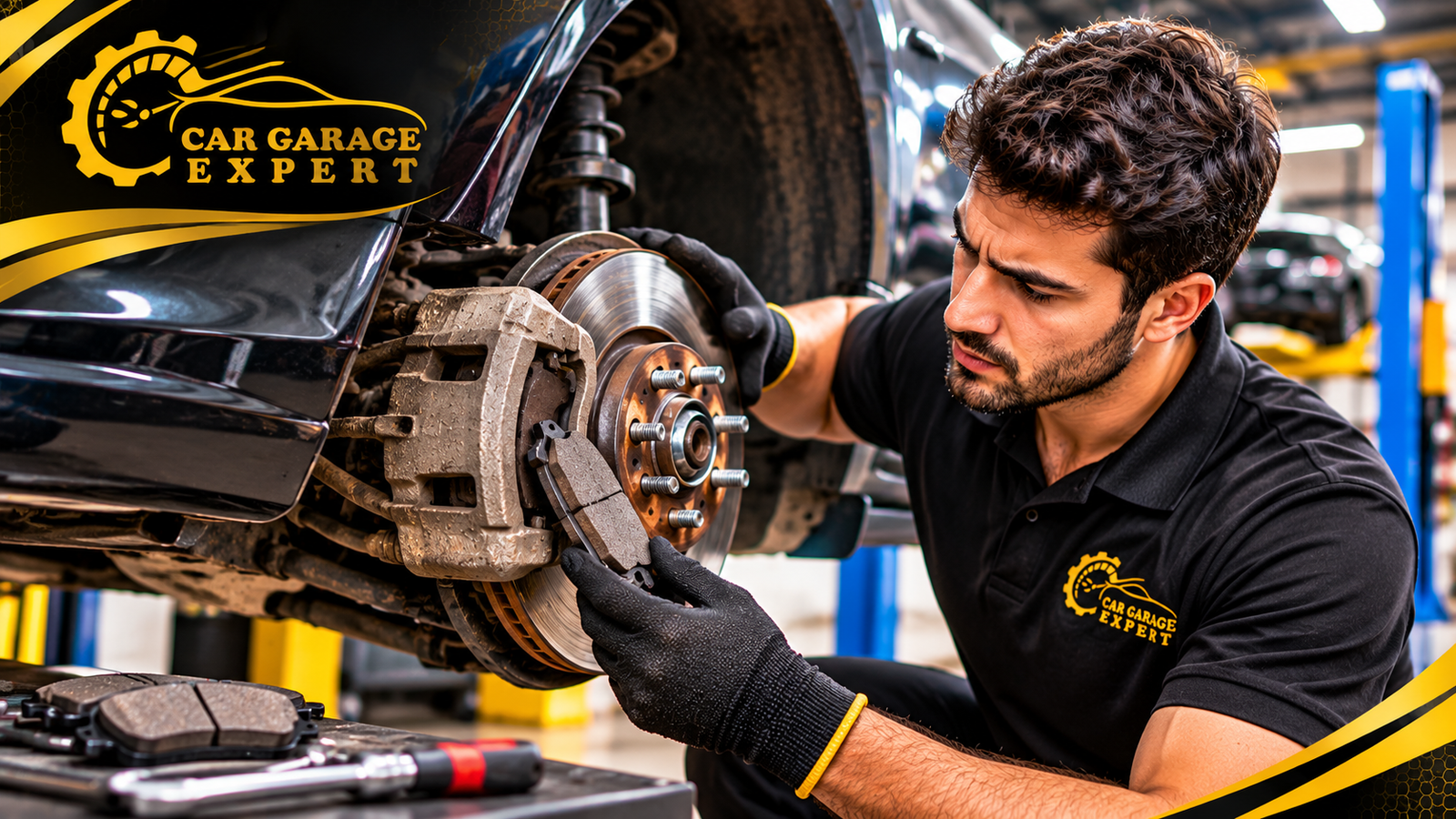
The mechanic checks the brake pads, rotors, calipers and surrounding hardware.
They look for uneven wear, damage, rust and loose components.
Brake Pad Thickness Check
The mechanic measures the remaining pad material.
This helps identify incorrect installation or unusual wear.
Brake Rotor Inspection
The rotor surface needs to be smooth and within the manufacturer’s specifications.
The mechanic checks for grooves, scoring and excessive runout.
Brake Hardware Inspection
The mechanic checks the clips, shims and pad contact points.
Missing or damaged hardware can create unwanted movement.
Road Test
A controlled road test helps the mechanic understand when the noise happens.
They may check whether the sound occurs during light braking, hard braking or normal driving.
How Can You Fix Squeaky Brake Pads?
The correct repair depends on the cause. A professional mechanic should inspect the system before choosing a solution.
Allow Proper Bedding-In
If the pads are new and the system has no faults, proper bedding-in may reduce the noise.
Follow the brake manufacturer’s instructions.
Avoid unnecessary hard braking during the initial bedding-in period.
Clean the Brake Components
A mechanic can remove brake dust and debris from suitable areas.
This may help if dirt is causing the noise.
Never use ordinary cleaning products on brake friction surfaces.
Apply Suitable Brake Lubricant
The mechanic can apply brake-specific lubricant to approved contact points.
This reduces unwanted vibration between moving metal parts.
Replace Damaged Brake Hardware
Replace loose or damaged clips and shims.
Correct hardware helps keep the pads stable during braking.
Inspect or Replace Brake Rotors
If the rotors have deep grooves or damage, the mechanic may recommend resurfacing where permitted or replacing them.
New pads need a suitable rotor surface to work correctly.
Install Better-Quality Brake Pads
If the pads create excessive noise because of their material, replacing them with suitable manufacturer-approved pads may solve the problem.
Squeaky Brakes After New Pads should never be treated with temporary fixes when the real cause remains unknown.
What Happens If You Ignore Squeaky Brakes?
Some brake noises are minor, but others can indicate a serious problem.
Ignoring unusual sounds may allow a small fault to become more expensive.
Here are some possible risks:
- Uneven Brake Pad Wear: Incorrect contact can damage the new pads.
- Rotor Damage: Continuous friction may create grooves and surface damage.
- Reduced Braking Performance: A faulty braking component may affect stopping power.
- Caliper Problems: A sticking caliper can cause excessive heat and uneven wear.
- Higher Repair Costs: Delayed repairs may damage additional components.
If you hear grinding, feel strong vibrations or notice reduced braking power, stop driving when safe and arrange professional assistance.
Can You Drive With Squeaky New Brake Pads?
It depends on the type of noise.
A light squeal during the bedding-in period may not indicate a serious problem. However, you should still monitor it.
Avoid driving if you notice:
- Grinding or scraping sounds.
- A soft or sinking brake pedal.
- Strong vibration while braking.
- The car pulling to one side.
- A burning smell near the wheels.
- A brake warning light.
- Reduced stopping power.
These signs may indicate a braking fault.
Don’t risk your safety. Contact a professional garage or arrange roadside assistance if the car doesn’t feel safe to drive.
If you are searching for a reliable garage near me in Dubai, choose a workshop that can inspect the complete braking system.
How Long Does Brake Noise Take to Disappear?
The time depends on the brake pad material, rotor condition and installation quality.
Some light noises may improve after a few normal drives. Others may continue until a mechanic corrects the underlying problem.
Here are some general expectations:
During the First Few Drives
New pads may make light noise while they settle against the rotors.
After Proper Bedding-In
The braking surface should become more even. Noise caused by normal adjustment may reduce.
When the Noise Continues
Persistent squealing needs professional inspection. It may indicate incorrect hardware, unsuitable pads or rotor damage.
Do not assume that every new brake pad needs a long break-in period.
Factors That Affect Brake Repair Costs in Dubai
The repair price depends on the actual fault and your vehicle model.
Several factors can affect the final cost:
- Brake Pad Quality: Premium pads may cost more than standard options.
- Rotor Condition: Damaged rotors may need replacement.
- Brake Hardware: New clips and shims can add to the repair cost.
- Caliper Condition: A sticking or damaged caliper may require additional work.
- Vehicle Model: Luxury and performance cars may need specialized parts.
- Labor Time: Complex brake systems can take longer to inspect and repair.
Always request a proper inspection and repair estimate before approving the work.
How to Prevent Brake Squeaking in the Future
Good brake maintenance helps prevent unnecessary noise and protects your vehicle.
Follow these simple tips:
Choose Quality Brake Pads
Use pads that match your vehicle’s make and model.
Avoid unknown products that may create excessive noise or wear.
Replace Brake Hardware When Needed
Old clips and shims may not hold new pads correctly.
Ask your mechanic to inspect these parts during replacement.
Check Brake Rotors Regularly
A smooth rotor surface helps new pads work correctly.
Replace damaged rotors when they fall outside the manufacturer’s limits.
Keep the Braking System Clean
Dust and debris can collect around the wheels.
Regular inspections help identify contamination before it causes problems.
Follow Proper Bedding-In Instructions
Use the procedure recommended by the pad manufacturer.
Avoid unnecessary sudden stops during the initial adjustment period.
Schedule Regular Brake Inspections
Ask your mechanic to check pad thickness, rotor condition and caliper movement during routine servicing.
Dubai-Specific Advice for Brake Maintenance
Dubai’s driving conditions can put extra pressure on your braking system.
High temperatures, heavy traffic and frequent stopping can increase brake heat.
Here are some useful tips for local drivers.
Watch for Brake Noise in Summer
High temperatures can increase brake system temperatures.
If you notice unusual squealing, arrange an inspection rather than assuming the weather is responsible.
Check Brakes After Long Drives
Highway journeys and repeated braking can place extra stress on brake components.
Inspect your pads and rotors during regular servicing.
Pay Attention to Dust and Sand
Dusty roads can allow dirt to collect around the wheels.
Ask your mechanic to check for debris during brake maintenance.
Avoid Aggressive Braking
Sudden and repeated braking can create unnecessary heat.
Maintain a safe distance and slow down smoothly whenever possible.
If squeaky brakes continue after new pads are installed, arrange a professional inspection before planning long drives around the UAE.
Why Choose Car Garage Expert for Brake Repairs?
Brake problems need careful attention and the correct repair approach.
At Car Garage Expert, professional brake inspections help identify the cause of unusual noises and braking issues.
The team can check important components and recommend suitable repairs based on your vehicle’s condition.
Here is what you should expect from a professional brake service:
- Detailed inspection of brake pads and rotors.
- Checks for damaged clips and shims.
- Inspection of calipers and brake hardware.
- Suitable replacement parts for your vehicle.
- Clear repair recommendations.
- Attention to braking safety and performance.
Whether your car has recently received new pads or needs a complete brake inspection, choosing an experienced garage can help prevent repeat problems.
If you are looking for a dependable garage near me, consider Car Garage Expert for professional vehicle maintenance and brake repair support.
Frequently Asked Questions About Brake Squeaking
1. Why Do New Brake Pads Squeak?
New brake pads may squeak because of bedding-in, hard pad materials, missing lubrication or uneven rotors. A mechanic can identify the exact cause.
2. Is Brake Squeaking Normal After Replacement?
Light squeaking can happen during bedding-in. However, constant noise or grinding needs professional inspection.
3. How Long Should New Brakes Squeak?
Some light noise may improve after a few normal drives. A mechanic should check persistent squeaking.
4. Can Cheap Brake Pads Cause Squeaking?
Yes. Low-quality pads may create more vibration and friction noise than suitable, manufacturer-approved brake pads.
5. Should I Replace Rotors With New Brake Pads?
Not always. A mechanic should inspect rotor thickness, surface condition and manufacturer limits before recommending replacement.
6. Can Brake Dust Cause Squeaking?
Yes. Dust and small debris can collect around the pads and rotors. Cleaning may help if contamination causes the noise.
7. When Should I Stop Driving With Squeaky Brakes?
Stop driving if it is safe to do so when you hear grinding, experience weak braking or notice strong vibration. Arrange professional assistance.
Final Call to Action: Get Your Brakes Checked
New brake pads should help your car stop smoothly and safely. However, unusual noise after replacement deserves attention.
Squeaky Brakes After New Pads may result from normal bedding-in, but damaged hardware, poor installation and rotor problems can also cause it.
Do not ignore persistent squealing or grinding sounds. A professional inspection can help protect your brakes and prevent further damage.
Contact Car Garage Expert for professional brake inspections and reliable repair recommendations in Dubai.
If your vehicle develops a serious brake problem like squeaky brakes after new pads on the road, arrange roadside assistance instead of risking an unsafe journey.