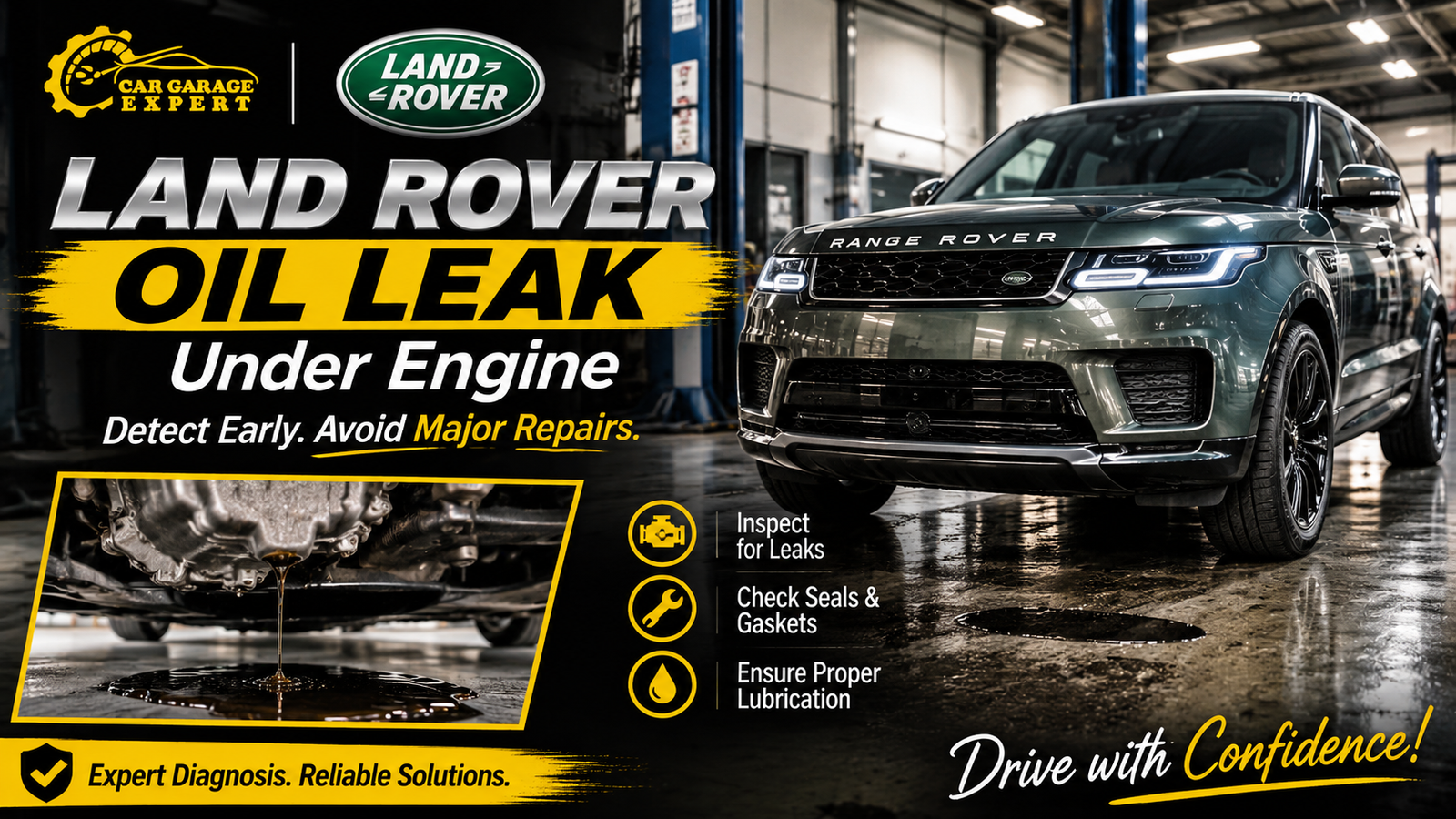
Land Rover vehicles are known for their powerful engines, advanced engineering, premium interiors, and impressive off-road capabilities. Whether you drive a Range Rover Sport, Range Rover Vogue, Discovery, Defender, or Range Rover Evoque, maintaining the engine is essential for reliable performance. However, even well-maintained luxury SUVs can develop mechanical problems over time. One issue that should never be ignored is a Land Rover oil leak under engine.
If you notice dark oil spots beneath your vehicle after parking, an oily smell while driving, or a sudden drop in engine oil levels, your Land Rover may have an engine oil leak. Although some leaks begin as minor sealing problems, they can become serious if the affected components are not inspected and repaired promptly.
Dubai’s driving conditions can also place additional demands on vehicle components. High ambient temperatures, frequent stop-and-go traffic, extended idling, and long-distance highway driving can contribute to increased thermal stress on engine seals, gaskets, and other components.
At Car Garage Expert, understanding the underlying cause of an oil leak is an important part of protecting your vehicle. This guide explains why Land Rover engines develop oil leaks, how to identify the warning signs, which components commonly require attention, and when professional repair is necessary.
What Does a Land Rover Oil Leak Under the Engine Mean?
An engine oil leak occurs when lubricating oil escapes from a sealed engine component and reaches the exterior of the engine. In a Land Rover, the leak may appear around the upper engine area, along the sides of the engine block, or underneath the vehicle.
The location of the oil spot does not always identify the exact source. Engine oil can travel along different surfaces before dripping onto the ground. For example, a leak originating near the valve cover may move downward and appear beneath the engine sump.
It is also important to distinguish an actual engine oil leak from other fluid leaks. Transmission fluid, coolant, power steering fluid, and air-conditioning condensation can sometimes create marks underneath a vehicle.
A professional inspection helps identify the fluid, trace its origin, and determine whether the problem involves a gasket, seal, housing, oil line, or another engine component.
Common Causes of Land Rover Oil Leak Under Engine
Several mechanical components can cause oil to escape from a Land Rover engine. Identifying the correct source is essential because replacing the wrong component will not solve the underlying problem.
1. Worn or Damaged Engine Gaskets
Engine gaskets create seals between connected metal components and prevent oil from escaping. Over time, repeated heating and cooling cycles can cause gasket materials to harden, shrink, or lose their sealing ability.
Common areas to inspect include:
- Valve cover gaskets
- Oil pan gaskets
- Timing cover gaskets
- Oil filter housing seals
- Other engine sealing surfaces
A damaged gasket can produce visible oil around the engine or create drips underneath the vehicle.
In Dubai, prolonged exposure to high operating temperatures can increase thermal stress on engine sealing materials. Regular inspections help identify deterioration before the leak becomes more severe.
2. Oil Sump or Oil Pan Damage
The oil sump, also known as the oil pan, is located underneath the engine and stores the engine oil when the vehicle is not running.
Because of its position, it can be exposed to road debris, uneven surfaces, and accidental impacts. A damaged oil pan, deteriorated gasket, or loose drain plug can allow oil to escape.
Typical symptoms include:
- Oil spots directly beneath the engine.
- Visible wetness around the sump.
- Gradually decreasing engine oil levels.
- Oil collecting around the sump sealing area.
A technician should inspect the sump, drain plug, and surrounding surfaces before deciding whether resealing or component replacement is required.
3. Crankshaft Oil Seal Failure
Crankshaft oil seals prevent engine oil from escaping around the rotating crankshaft.
There are generally two important locations:
- Front crankshaft oil seal
- Rear crankshaft oil seal
When either seal becomes worn or damaged, oil can escape while the engine is operating.
A front crankshaft seal leak may cause oil to collect around the front of the engine. A rear crankshaft seal leak can allow oil to appear near the engine and transmission connection.
Rear main seal replacement can involve significant labour because access may require transmission removal, depending on the vehicle’s design.
4. Oil Filter Housing Leakage
The oil filter housing is responsible for holding the oil filter and maintaining a sealed connection within the engine lubrication system.
Its seals can deteriorate with age and repeated temperature changes. A leaking housing may allow oil to spread across nearby engine surfaces before dripping underneath the vehicle.
If you notice fresh oil around the filter housing, a technician should inspect its sealing surfaces, connections, and surrounding components.
Replacing the necessary seals or housing can resolve the issue when this area is confirmed as the source.
5. Turbocharger Oil Line Problems
Some Land Rover engines use turbocharging to improve power delivery and engine efficiency.
Turbochargers require proper lubrication, which is supplied through dedicated oil feed and return lines. Damaged pipes, loose connections, deteriorated seals, or restricted oil return passages can cause oil leakage.
Warning signs may include:
- Oil around turbocharger connections.
- Oil residue near the engine’s lower section.
- Unusual smoke from the exhaust in certain failure conditions.
- Reduced engine performance in some cases.
Turbocharger-related oil leaks should be inspected promptly because lubrication problems can damage expensive engine components.
6. Valve Cover Gasket Leakage
Valve covers protect the upper engine components and prevent oil from escaping around the cylinder head area.
The gasket between the valve cover and cylinder head can become brittle or lose its sealing effectiveness over time.
Common symptoms include an oily engine surface, burning oil smells, and oil collecting around the upper engine area.
In some cases, leaking oil may reach hot exhaust components, producing smoke or a noticeable burning smell.
7. Excessive Crankcase Pressure
The crankcase ventilation system helps regulate pressure inside the engine.
If the positive crankcase ventilation (PCV) system becomes blocked or develops a fault, excessive crankcase pressure may contribute to oil leaks by placing additional stress on engine seals and gaskets.
A technician should check the ventilation system and related components rather than simply replacing a leaking gasket without investigating the underlying cause.
Warning Signs of an Engine Oil Leak in Your Land Rover
Recognizing early warning signs can help prevent minor oil leaks from developing into expensive engine repairs.
Here are some common symptoms to watch for.
Dark Oil Spots Under Your Vehicle
One of the easiest signs to recognize is a dark brown or black oily patch underneath your parked Land Rover.
Fresh engine oil may appear amber or brown, while older oil is often darker. However, colour alone cannot confirm the type of fluid.
If you regularly find oily marks beneath the engine, arrange a professional inspection.
Low Engine Oil Level
A leaking engine can gradually lose lubrication. If you need to top up the oil more frequently than usual, the engine should be checked for external leakage and possible internal oil consumption.
Always follow the manufacturer’s recommended procedure when checking the engine oil level.
Burning Oil Smell
Oil leaking onto hot engine or exhaust components can produce a strong burning smell.
This symptom should not be ignored, particularly if you notice smoke coming from the engine compartment.
Engine Oil Warning Light
The oil pressure warning light is a serious indication that the engine may not be receiving adequate oil pressure.
It does not simply mean that the vehicle needs an oil top-up.
If the red oil pressure warning appears, stop safely, switch off the engine, and arrange professional assistance. Continuing to drive with insufficient oil pressure can cause severe engine damage.
Smoke From the Engine Bay
Visible smoke or vapour around the engine compartment may indicate oil contacting hot surfaces or another mechanical issue.
If smoke is accompanied by a burning smell, stop driving when safe and have the vehicle inspected.
How Dubai’s Climate and Driving Conditions Affect Land Rover Oil Leaks
Dubai presents unique operating conditions for luxury SUVs. High outdoor temperatures, heavy traffic, and long periods of vehicle operation can place additional demands on engine components.
Understanding these factors can help Land Rover owners take a more preventive approach to maintenance.
High Ambient Temperatures: Extreme outdoor temperatures can increase the thermal load on an engine. Although engines are designed to operate within specific temperature ranges, repeated heating and cooling cycles can contribute to ageing of rubber seals and gasket materials.
Stop-and-Go Traffic: Frequent traffic congestion around areas such as Sheikh Zayed Road, Business Bay, and Downtown Dubai can result in extended idling and repeated engine temperature changes.
Long-Distance Driving: Regular highway journeys can keep the engine operating for extended periods. Any existing weakness in an oil seal or gasket may become more noticeable under prolonged operating conditions.
Dusty Conditions: Dust can accumulate around engine components and make visual inspections more difficult. Clean engine surfaces can help technicians identify fresh oil leakage more accurately.
These conditions do not automatically cause oil leaks, but they make regular inspection and preventive maintenance particularly important.
How Professional Mechanics Diagnose Land Rover Engine Oil Leaks
Correct diagnosis is essential before starting any repair. Simply cleaning the visible oil or replacing a suspected gasket may not resolve the issue if the actual leak originates elsewhere.
A professional Land Rover inspection generally involves several steps.
1. Visual Engine Inspection
The technician examines the engine compartment, lower engine area, oil sump, filter housing, seals, and surrounding components for visible oil residue.
2. Engine Cleaning
If the engine is covered with old oil and dirt, the affected area may need careful cleaning to make fresh leakage easier to identify.
3. Engine Oil Level Inspection
The technician checks the engine oil level and looks for signs of excessive oil consumption or significant fluid loss.
4. Diagnostic Scan
A suitable diagnostic scanner can help identify related engine faults, warning messages, and sensor information.
Although an electronic scan cannot independently locate every external oil leak, it can provide useful information about associated engine problems.
5. UV Dye Leak Detection
If the source is difficult to locate, a compatible UV leak detection dye may be introduced into the lubrication system according to the manufacturer’s and product’s instructions.
The engine is then operated as appropriate, and a UV inspection light helps reveal the leakage path.
6. Final Diagnosis and Repair Recommendation
After locating the source, the technician determines whether the problem requires a gasket replacement, new oil seal, oil line repair, housing replacement, or another mechanical solution.
This systematic process helps avoid unnecessary part replacement and repeat repairs.
Land Rover Oil Leak Repair Solutions
The appropriate repair depends on the component responsible for the leakage.
Common repair procedures include:
- Gasket Replacement: Installing new valve cover, oil sump, or timing cover gaskets when the existing sealing material has failed.
- Oil Seal Replacement: Replacing damaged crankshaft or other engine oil seals.
- Oil Pan Repair or Replacement: Repairing or replacing a damaged sump and renewing its gasket where necessary.
- Oil Filter Housing Repair: Replacing worn housing seals or the housing assembly if damaged.
- Turbocharger Oil Line Repair: Replacing damaged oil feed or return pipes and correcting faulty connections.
- PCV System Repair: Addressing ventilation problems that may contribute to excessive crankcase pressure.
- Oil and Filter Replacement: Refilling the engine with the correct manufacturer-approved oil and installing a suitable filter when required by the repair procedure.
After completing the repair, the technician should verify the oil level, inspect the repaired area, run the engine as appropriate, and confirm that the leakage has stopped.
Can You Drive a Land Rover With an Oil Leak?
Whether you can continue driving depends on the severity and location of the leak.
A minor seepage may not immediately affect engine operation, but it still requires professional assessment. A significant leak can reduce the engine’s oil supply and lead to serious mechanical damage.
You should avoid driving if:
- The engine oil pressure warning light is illuminated.
- Oil is leaking rapidly onto the ground.
- The engine is producing unusual knocking or grinding sounds.
- Smoke is coming from the engine compartment.
- The oil level is below the minimum recommended mark.
- You notice overheating or other serious engine warnings.
If you suspect a significant oil leak, stop in a safe location, switch off the engine, and arrange recovery rather than risking further damage.
Why Choose Car Garage Expert for Land Rover Oil Leak Repair in Dubai?
Land Rover vehicles feature sophisticated engine designs and vehicle-specific components. Repairing an oil leak requires more than identifying a visible oil spot. It requires understanding the engine layout, locating the actual source, and selecting the correct repair procedure.
At Car Garage Expert, the focus should be on accurate diagnosis and appropriate repair solutions for your vehicle.
Here are some important reasons to choose a professional workshop:
Accurate Leak Detection: Identifying the actual source of oil leakage helps prevent unnecessary component replacement.
Experienced Automotive Technicians: Skilled mechanics understand the importance of inspecting engine seals, gaskets, lubrication lines, and related components.
Quality Replacement Parts: Using suitable, high-quality replacement components helps maintain proper sealing and engine reliability.
Vehicle-Specific Repair Procedures: Land Rover models can have different engine configurations. Repairs should follow the appropriate technical specifications.
Post-Repair Inspection: Checking the repaired area after servicing helps confirm that the leakage has been addressed.
Whether you own a Range Rover Sport, Discovery, Defender, or another Land Rover model, timely attention to engine oil leakage can help protect your vehicle’s performance and long-term reliability.
Contact Car Garage Expert to arrange a professional inspection if your Land Rover is showing signs of oil leakage.
How to Prevent Future Land Rover Engine Oil Leaks
Although normal wear cannot be eliminated completely, preventive maintenance can help reduce the risk of unexpected oil leakage.
Follow these practical maintenance recommendations:
- Check Engine Oil Regularly: Monitor the oil level according to the vehicle manufacturer’s recommendations.
- Follow Scheduled Servicing: Do not delay routine engine maintenance.
- Use the Correct Engine Oil: Select oil that meets the specifications approved for your particular Land Rover engine.
- Inspect Engine Seals: Ask your technician to check accessible gaskets and seals during scheduled servicing.
- Replace Damaged Components Promptly: Address deteriorated oil lines, gaskets, and seals before they cause more extensive problems.
- Monitor Warning Lights: Never ignore engine oil pressure warnings.
- Inspect After Parking: Look for fresh oil spots underneath the vehicle, especially if you have previously experienced a leak.
Preventive maintenance is generally more practical than waiting until a minor sealing problem develops into a major engine repair.
Frequently Asked Questions (FAQs)
1. Why is my Land Rover leaking oil underneath the engine?
A Land Rover may leak oil underneath the engine because of worn gaskets, damaged crankshaft seals, a leaking oil sump, a faulty oil filter housing, or damaged turbocharger oil lines. A professional inspection is necessary to identify the exact source.
2. Is a Land Rover oil leak expensive to repair in Dubai?
The repair cost depends on the location and severity of the leak. Replacing an accessible gasket may require less labour than repairing a rear crankshaft oil seal or turbocharger oil line. A proper inspection is recommended before estimating the total cost.
3. Can a Land Rover oil leak damage the engine?
Yes. Significant oil leakage can reduce lubrication and oil pressure, increasing friction and engine operating temperatures. If the problem is ignored, it may result in serious internal engine damage.
4. How do mechanics find an oil leak in a Land Rover?
Mechanics typically use visual inspections, engine cleaning, oil level checks, and specialised leak detection methods. UV dye testing may also be used when the source of leakage is difficult to identify.
5. How often should I check my Land Rover for oil leaks in Dubai?
Check for visible oil spots regularly and monitor the engine oil level according to your vehicle’s maintenance schedule. During routine servicing, ask your mechanic to inspect the engine seals, gaskets, oil lines, and sump for signs of leakage.
Conclusion
A Land Rover oil leak under engine is a problem that deserves attention, even when the vehicle appears to be running normally. Worn gaskets, damaged oil seals, leaking oil filter housings, sump problems, turbocharger oil lines, and crankcase ventilation faults can all contribute to engine oil leakage.
For Land Rover owners in Dubai, regular engine inspections are especially valuable because demanding driving conditions and high ambient temperatures can place additional stress on vehicle components.
The most effective solution is to identify the exact source of the leak before replacing any parts. Professional diagnosis, suitable replacement components, and proper post-repair inspection help protect engine lubrication and reduce the risk of further damage.
If you notice oil spots beneath your vehicle, a burning oil smell, or a decreasing engine oil level, contact Car Garage Expert for assistance with Land Rover oil leak inspection and repair in Dubai.
Visit us in our Al Quoz, Dubai branch or visit Car Garage Expert