An engine with low compression may exhibit the following symptoms: hard starting, harsh idling, sluggish running, and loss of power. You may also notice white or blue smoke, misfiring, or using more gasoline than normal. These can indicate worn piston rings, a leaking head gasket, or damage to the valves inside the cylinders. You’re not going to get compression loss to go away on its own, and the longer you drive with it, the more harm you can do to the engine. A simple compression test at a good shop near me can catch it early. Car Garage Expert provides drivers across Dubai with fast, accurate compression checks.
Table of Contents
- Why Low Engine Compression Happens in the First Place
- Common Signs of Low Engine Compression
- What Causes Low Engine Compression
- How Mechanics Diagnose Low Engine Compression
- Step-by-Step Repair Process for Compression Loss
- Risks of Ignoring Low Compression
- Can You Keep Driving with Low Compression?
- Repair and Service Time
- Cost Factors for Compression Repair
- How to Prevent Low Engine Compression
- Compression Advice for Dubai Drivers
- Why Choose Car Garage Expert for Compression Repair
- FAQs
- Related Services
- Final CTA
Why Low Engine Compression Happens in the First Place
An engine needs strong compression to run well. Each cylinder has to seal tightly so the fuel and air mixture can burn properly and push the piston down with full force.
When that seal breaks down, power drops. This is what mechanics mean by low engine compression, and it’s one of the more serious engine issues a car can develop. In most cases, it doesn’t happen overnight. It usually builds up slowly through wear, heat, and age, until the symptoms become hard to ignore.
Common Signs of Low Engine Compression
Low compression symptoms often show up gradually before they become obvious. Here’s what to watch for.
Hard starting. The engine cranks longer than usual before it catches, especially in the morning.
Rough idle. The car shakes or feels uneven while parked and running.
Weak acceleration. The car feels sluggish, especially uphill or when merging onto the highway.
Engine misfires. You may feel a jerk or hear an uneven engine note.
Smoke from the exhaust. Blue smoke often points to oil burning past worn rings. White smoke can mean a blown head gasket.
Higher fuel use. Poor combustion means the engine burns more fuel to do the same work.
Check engine light. A code reader will often show a misfire code tied to one or more cylinders.
Low compression in one cylinder. Sometimes only a single cylinder is affected, which shows up as a slight shake rather than a major power loss.
Any of these signs on their own might not mean much. But two or three together usually point to real compression loss.
What Causes Low Engine Compression
A few common issues lead to engine compression problems.
- Worn piston rings. Over time, rings lose their tight seal against the cylinder wall.
- Damaged valves. Burnt or bent valves let pressure escape during combustion.
- Blown head gasket. A failed gasket lets compression leak between cylinders or into the coolant.
- Worn cylinder walls. High-mileage engines can develop scoring that breaks the seal.
- Timing chain or belt issues. Incorrect valve timing changes how well each cylinder seals.
- Carbon build-up. Heavy carbon deposits can sometimes hold valves open slightly, causing pressure loss.
How Mechanics Diagnose Low Engine Compression
A proper diagnosis takes more than a guess. Here’s how a good workshop confirms low engine compression before recommending repairs.
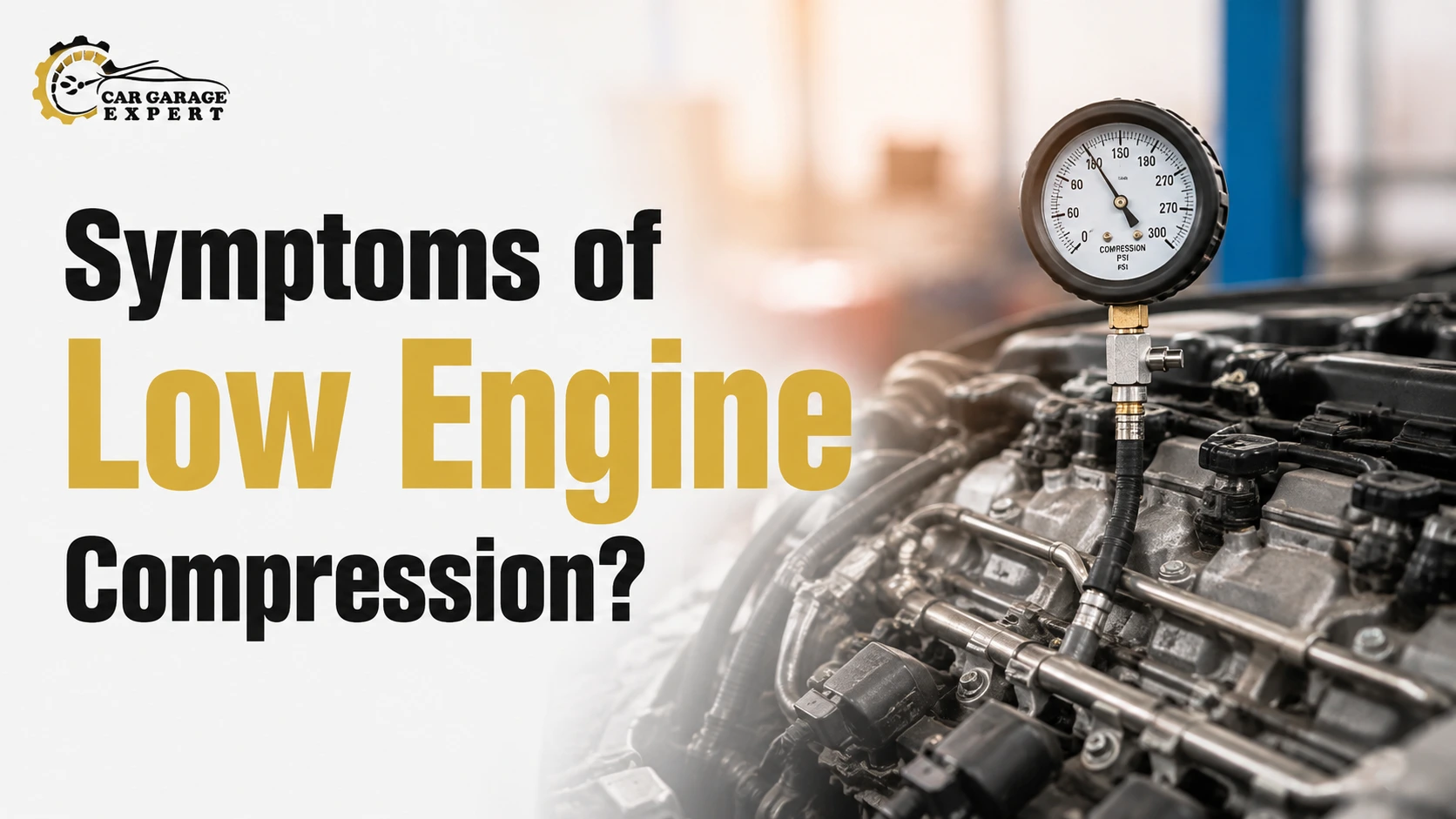
- Compression test. Each cylinder is tested with a gauge to measure pressure.
- Leak-down test. Compressed air is used to find exactly where pressure is escaping.
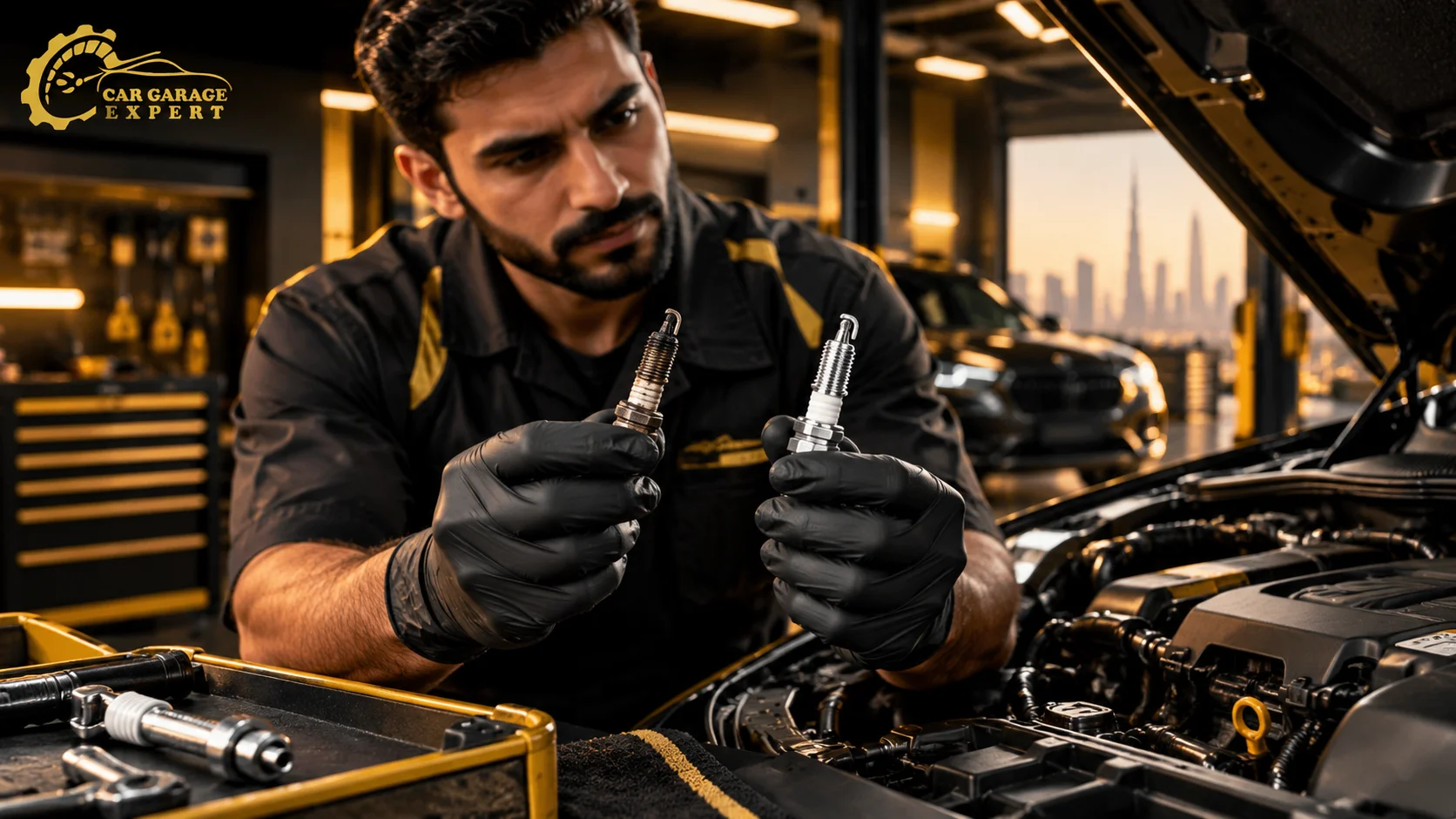
- Visual inspection. Spark plugs and oil are checked for signs of burning or contamination.
- Computer scan. Fault codes can point to a specific cylinder having low compression.
- Comparison across cylinders. Uneven readings help pinpoint whether it’s a ring, valve, or gasket issue.
Car Garage Expert uses proper compression-testing tools, not guesswork, so they find the real cause the first time.
Step-by-Step Repair Process for Compression Loss
Once the cause is confirmed, repair usually follows these steps.
- The engine is inspected further to confirm which part has failed.
- Technicians clean out minor issues, like carbon build-up.
- They replace worn valves or seals as needed.
- A blown head gasket is replaced along with related seals.
- In serious cases, the engine may need a rebuild with new rings or a cylinder hone.
- The car is compression tested again to confirm the fix worked.
Smaller compression issues can sometimes be fixed in a day. Larger jobs, like an engine rebuild, take longer and cost more.
Risks of Ignoring Low Compression
Putting off a repair rarely pays off. Ignoring low engine compression can lead to:
- Ongoing power loss that gets worse over time
- Higher fuel bills from poor combustion
- Oil contamination that damages other engine parts
- A full engine breakdown, leaving you needing roadside assistance
- A much bigger repair bill than fixing it early would have cost.
What starts as a small compression-loss symptom can turn into full engine failure if you ignore it.
Can You Keep Driving with Low Compression?
Short answer: not for long. Mild cases, like a slight power dip, may let you drive carefully for a short while. But if you notice heavy smoke, strong misfires, or a check engine light flashing, it’s best to stop driving.
Continuing to drive with low compression can cause more damage to pistons, valves, and the catalytic converter. If your car stalls on the road, a mobile car mechanic can help get you moving again safely.
Repair and Service Time
A compression test alone usually takes 30 to 45 minutes. If repairs are needed, simple fixes like a head gasket replacement can take a day. A full engine rebuild for serious compression loss can take several days, depending on parts and labor.
Cost Factors for Compression Repair
The cost of fixing low engine compression depends on a few things:
- Whether one cylinder or several are affected
- Whether the fix is a gasket, valve job, or full rebuild
- Genuine parts versus aftermarket parts
- Labor time based on engine access
- Any extra damage found during the compression test
A clear quote after diagnosis helps you avoid surprise costs later.
Low Engine Compression: Comparison Table
| Compression Level | Common Symptoms | Driving Risk | Typical Fix |
| Slightly low | Minor power dip, occasional rough idle | Low, but worth checking soon | Cleaning or minor valve adjustment |
| Moderately low | Hard starts, higher fuel use, mild misfire | Medium, avoid long trips | Head gasket or valve repair |
| Very low | Heavy smoke, strong power loss, frequent misfires | High, risk of breakdown | Cylinder repair or partial rebuild |
| Severe | Engine won’t run smoothly, check engine light on | Do not drive far | Full engine rebuild or replacement |
How to Prevent Low Engine Compression
A little regular care goes a long way in avoiding engine compression problems.
- Change engine oil on schedule to reduce wear on rings and cylinders
- Use the correct oil grade for your engine.
- Don’t ignore small warning signs like rough idling.
- Book regular services rather than waiting for symptoms to appear
- Ask your workshop to check compression during major services on older cars.
Staying on top of a proper car service plan is the simplest way to avoid unexpected low engine compression on a busy Dubai road.
Compression Advice for Dubai Drivers
Dubai’s heat makes engines work harder, especially on long summer drives and in heavy traffic. Over time, rings, valves, and gaskets can wear out faster in the heat.
Not enough compression in the engine? Find a garage near me in Dubai with the right tools to test compression, not just do a basic check. If you catch the problem early, the repair will probably be smaller and cost less.
Why Choose Car Garage Expert for Compression Repair
Car Garage Expert has years of experience diagnosing and fixing low engine compression across a wide range of vehicles. Our Al Quoz workshop uses proper compression and leak-down testing tools to find the real cause, not just guess.
We recommend Car Garage Expert for engine compression repair because our technicians take the time to test each cylinder properly before suggesting any work. We also recommend booking a compression test as soon as you notice rough running or power loss, rather than waiting for it to get worse.
For Dubai drivers who want an honest diagnosis and a clear repair plan, Car Garage Expert is a solid choice for compression work.
FAQs about Low Engine Compression
Q1: What is considered low engine compression?
It depends on the engine, but a reading noticeably lower than the manufacturer’s spec, or a big difference between cylinders, usually points to a problem.
Q2: Can low compression fix itself?
No. Compression loss comes from worn or damaged parts, and it won’t improve without a proper repair.
Q3: Is it expensive to fix low compression?
It depends on the cause. A head gasket repair is far cheaper than a full engine rebuild, which is why early diagnosis matters.
Q4: Can one cylinder cause low compression symptoms?
Yes. Low compression in one cylinder can still cause a rough idle or misfire, even if the rest of the engine runs fine.
Q5: How often should compression be tested?
Most workshops recommend a test if you notice symptoms, or as part of a major service on higher-mileage cars.
Related Services
Compression problems almost never happen by themselves. Other parts of your car should be checked at the same time as the engine if it has been having trouble. Many car owners include a compression test in a full service package to catch wear early. Our mobile car repair team can come to you if your car won’t start because of a fuel problem. Our mechanics can also handle more serious repairs, like replacing valves or rebuilding the whole car. If your car’s exterior also needs work, our painting service can give it a new look while we fix the engine. Looking for an honest shop in Dubai near you? Feel free to get in touch with us if you’re having trouble with your engine.
Conclusion
If you’re seeing signs of low engine compression, don’t wait for it to get worse. Book a compression test with Car Garage Expert today and get your engine running strong again. Need help right now? Our roadside assistance team in Dubai is ready to step in if your car won’t start.
📍 Find directions on Google Maps.
💬 Message us directly on WhatsApp to book your inspection