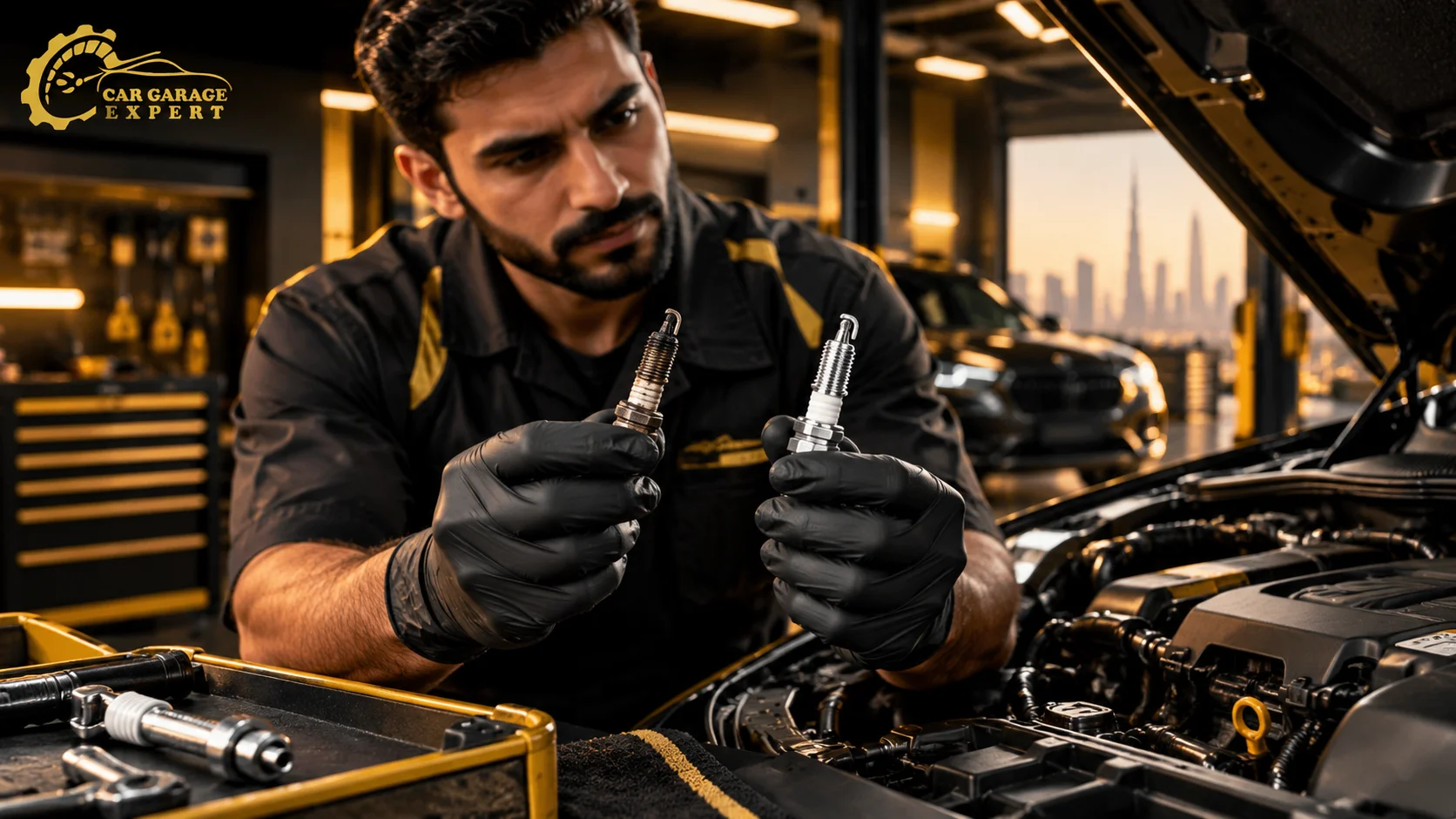
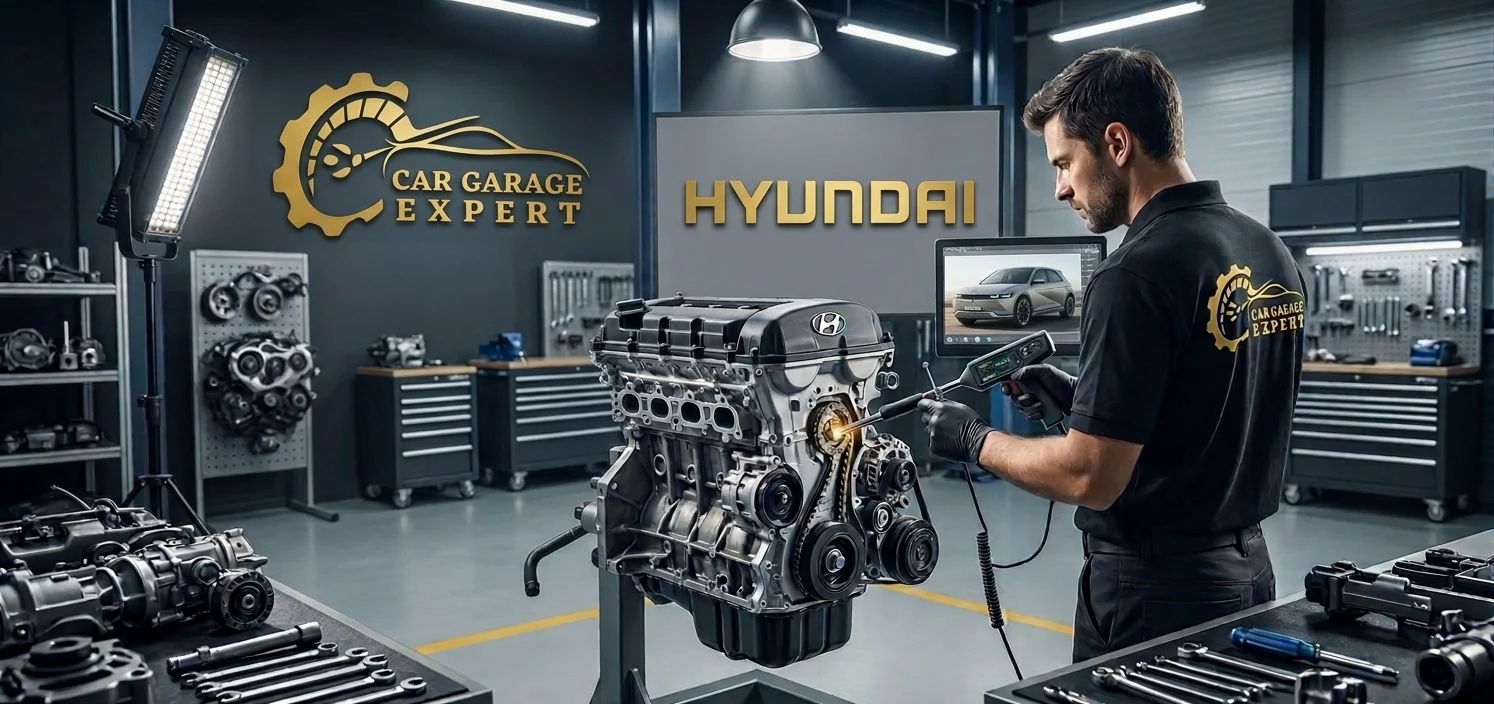
Yes, Hyundai Timing Chain Noise can be a serious engine problem, but the noise does not always mean the timing chain itself has failed. A rattling or metallic sound may come from a worn tensioner, poor oil flow, low engine oil, a stretched chain or another engine component. The noise is often more noticeable during a cold start or when the engine changes speed. Ignoring it can turn a small fault into major engine damage. Hyundai also stresses the importance of using the correct engine oil and maintaining the proper oil level. If the noise is getting louder, arrange a professional inspection before continuing long drives.
Table of Contents
- Problem Overview: Why Timing Chain Noise Matters
- Symptoms You Should Not Ignore
- Common Causes Behind the Noise
- Diagnostic Process: How a Mechanic Finds the Fault
- Repair Process and Possible Solutions
- Risks of Ignoring the Problem
- Can You Continue Driving?
- Repair Time
- Cost Factors
- Prevention Tips for Hyundai Owners
- Dubai-Specific Advice
- Why Choose Car Garage Expert for Roadside Assistance?
- Frequently Asked Questions
- Related Services
- Final Call-to-Action
Problem Overview: Why Hyundai Timing Chain Noise Matters
The timing chain keeps the engine’s camshaft and crankshaft working together. If the chain becomes loose or its tensioner fails, the engine can lose correct timing.
This may start with a short rattle at startup. It can then become more noticeable while idling or accelerating.
Not every engine rattle is caused by the timing chain. A belt, pulley, tensioner, oil-related issue or internal engine part can create a similar sound.
That is why proper diagnosis matters.
Hyundai recommends checking engine oil regularly and keeping it at the correct level. Its manuals also warn that using oil outside the recommended specification can cause engine damage.
Is the Noise Always Serious?
No. A brief noise does not automatically mean the engine needs a complete rebuild.
However, persistent or worsening noise should never be dismissed.
The longer a timing system problem continues, the greater the chance of incorrect valve timing. In severe cases, this can lead to expensive internal engine repairs.
Symptoms of Hyundai Timing Chain Noise: Signs Your Hyundai Needs Attention
Watch for these warning signs:
- Rattling during cold starts
- Metallic ticking from the engine
- Noise that increases with RPM
- Rough or unstable idling
- Engine misfires
- Reduced acceleration
- Poor fuel economy
- Check engine light
- Difficulty starting the engine
- Noise that becomes louder over time
A single symptom may have several causes. A combination of symptoms is more concerning.
For example, a rattling noise combined with poor engine performance deserves prompt inspection.
Common Causes of Hyundai Timing Chain Noise
Several problems can create or contribute to timing chain noise.
1. Worn Timing Chain
A chain can stretch over time. When this happens, it may no longer maintain the correct tension.
2. Faulty Chain Tensioner
The tensioner keeps the chain tight. If it wears out, the chain may become loose and rattle.
3. Low Engine Oil
Low oil can affect lubrication and hydraulic components inside the engine. Hyundai advises drivers to check the oil level regularly and maintain it correctly.
4. Incorrect Engine Oil
Using the wrong oil grade or specification can affect engine lubrication and operation. Hyundai specifically recommends using the oil specification listed for the particular engine.
5. Worn Guides
Timing chain guides help control chain movement. Damaged guides can allow excessive movement and noise.
6. Poor Maintenance
Long service intervals, neglected oil changes or unsuitable oil can increase engine wear.
7. Another Engine Component
The sound may come from a drive belt, pulley, alternator, water pump or another component. This is why replacing the chain without a proper diagnosis is not a good idea.
Diagnostic Process: How Mechanics Find the Real Cause
A good inspection starts with the sound itself.
A mechanic may first listen to the engine during:
- Cold startup
- Warm idle
- Acceleration
- Different RPM ranges
The technician may then check the engine oil level and condition.
A scan tool can also help identify fault codes related to engine timing or performance.
Further checks may include:
- Visual inspection
- Oil level and condition check
- Diagnostic scan
- Timing-related data review
- Tensioner inspection
- Chain and guide inspection
- Mechanical timing checks where required
The goal is to find the actual source instead of guessing.
Repair Process: What May Need to Be Replaced?
The repair depends on the confirmed fault.
A minor issue may require an oil service or replacement of a worn tensioner.
A more serious repair may involve:
- Timing chain replacement
- Chain guide replacement
- Tensioner replacement
- Timing components
- Seals and related parts
- Engine timing adjustment
If the chain has jumped timing, the mechanic may need to check the engine for internal damage.
Hyundai Timing Chain Noise vs Other Engine Sounds
| Noise or Symptom | Possible Source | Urgency |
| Short startup rattle | Tensioner or chain system | Medium–High |
| Constant metallic rattle | Timing system or internal engine part | High |
| Squealing noise | Belt or pulley | Medium |
| Deep knocking | Internal engine problem | High |
| Ticking noise | Valvetrain or lubrication issue | Medium–High |
| Grinding sound | Bearing or mechanical component | High |
This table is only a guide. Sound alone cannot confirm the failed component.
Risks of Ignoring It
Ignoring Hyundai Timing Chain Noise may turn a repairable problem into a major engine failure.
A worn chain can become looser. A damaged tensioner may stop controlling chain movement correctly.
In a severe case, engine timing can become incorrect. That can cause poor performance and potentially serious internal damage.
You may also experience:
- Engine misfires
- Poor fuel economy
- Starting problems
- Loss of power
- More expensive repairs
The exact risk depends on the engine, vehicle model, mileage and underlying fault.
Can You Continue Driving?
It depends on the severity of the noise.
If the sound is new, loud, continuous or getting worse, avoid unnecessary driving.
If you notice any of the following, stop driving and get assistance.
- Severe rattling
- Loss of engine power
- Repeated misfires
- Check engine light with poor running
- Difficulty starting
- Low oil pressure warning
- Strong knocking or grinding
If the vehicle becomes unsafe or breaks down, roadside assistance can help you move it safely instead of risking further damage.
For a mild noise with no other symptoms, drive only as necessary and arrange an inspection as soon as possible.
Repair Time: How Long Can It Take?
Repair time depends on the Hyundai model and the failed part.
| Repair | Typical Time |
| Initial diagnosis | 30–60 minutes |
| Oil and basic inspection | 30–60 minutes |
| Tensioner replacement | Several hours |
| Timing chain replacement | Several hours to a full day |
| Major timing repair | 1–2+ days |
These are general estimates. Some Hyundai engines require more labor than others.
Cost Factors: What Determines the Repair Price?
There is no single price for Hyundai Timing Chain Noise repair.
The final cost may depend on:
- Hyundai model and engine
- Vehicle year
- Chain kit quality
- Labor hours
- Tensioner condition
- Guide condition
- Seals and gaskets
- Diagnostic requirements
- Existing engine damage
A simple tensioner repair can cost much less than a complete timing system replacement.
If the chain has caused internal engine damage, the bill can increase significantly.
Getting the noise diagnosed early is usually the smarter financial choice.
Prevention Tips for Hyundai Owners
You cannot prevent every timing chain problem, but good maintenance can reduce unnecessary engine wear.
Check the Engine Oil
Check the oil level according to your vehicle’s manual. Hyundai states that insufficient oil can damage the engine.
Use the Correct Oil
Do not choose oil only by price. Use the grade and specification recommended for your exact Hyundai engine.
Follow the Service Schedule
Keep oil and filter changes on schedule.
Hyundai’s maintenance information also identifies heavy traffic, long idling, frequent stop-and-go driving and unsuitable engine oil as severe-use conditions that may require different maintenance considerations.
Do Not Ignore New Sounds
A small rattle is easier to investigate than a failed engine.
If the sound changes, record it and show the mechanic when possible.
Dubai-Specific Advice for Hyundai Drivers
Dubai’s hot climate makes proper engine maintenance especially important.
High temperatures can place extra demands on engine fluids and cooling systems. Heavy traffic also means long periods of idling and repeated stop-and-go driving.
Hyundai lists heavy traffic, extensive idling and frequent stop-and-go driving among conditions that can affect maintenance requirements.
Dubai drivers should also avoid delaying oil checks and servicing.
If your Hyundai starts making a new metallic rattle, have it checked before a long trip across the UAE.
Searching for a garage near me can help when you need a quick inspection, but choose a workshop that can properly diagnose the timing system rather than replacing parts based on sound alone.
Why Choose Car Garage Expert for Roadside Assistance?
When a Hyundai develops a serious engine noise in Dubai, continuing to drive may not be worth the risk.
Car Garage Expert can be a practical option when you need professional vehicle support. A proper inspection can help identify whether the noise is related to the timing chain, tensioner, oil system or another engine component.
If your Hyundai stops running or becomes unsafe to drive, roadside assistance can help you get the vehicle to a suitable workshop for further diagnosis.
Car Garage Expert can also help drivers who need an inspection before committing to a larger engine repair.
Frequently Asked Questions
Is Hyundai Timing Chain Noise always serious?
No. The cause may be minor, but persistent or loud noise should be inspected quickly.
Can low oil cause timing chain noise?
Yes. Low or incorrect engine oil can affect lubrication and engine components. Hyundai recommends maintaining the correct oil level and specification.
Can I drive my Hyundai with a rattling timing chain?
Avoid unnecessary driving if the rattle is loud, persistent or accompanied by poor engine performance.
How do I know if the timing chain needs replacement?
A mechanic may confirm the problem through noise inspection, diagnostic data, timing checks and physical inspection of the chain system.
Is a timing chain cheaper to repair than an engine?
Usually, repairing a timing component is less expensive than repairing major internal engine damage. Early diagnosis can help prevent the problem from becoming worse.
Related Services
If your Hyundai develops unusual engine noise, useful services may include:
- Hyundai engine diagnostics
- Timing chain inspection
- Timing tensioner inspection
- Engine oil and filter service
- Engine performance diagnostics
- Check engine light diagnosis
- Preventive maintenance
- Roadside assistance
- Engine repair
Final Call-to-Action
Do not ignore a new rattle, tick or metallic sound from your Hyundai. A tensioner, an oil issue, a worn chain, a guide or another engine component may cause Hyundai Timing Chain Noise.
Early diagnosis can protect your engine and help control repair costs.
If your Hyundai is making unusual timing-related noise in Dubai, contact Car Garage Expert for professional inspection and support. If the vehicle is not safe to drive, consider roadside assistance rather than risking the road.
Location: Al Quoz, Dubai, UAE