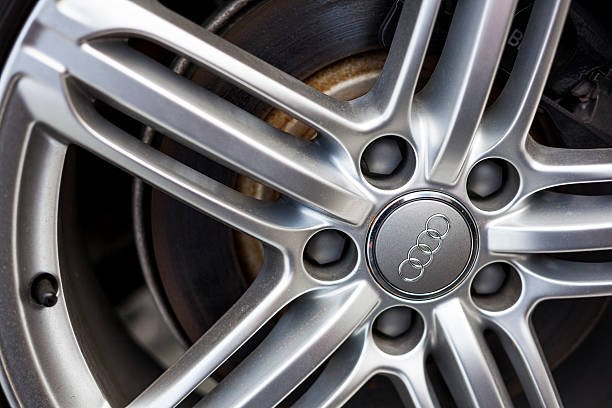
If your Audi starts humming, grinding, rumbling, or droning while driving, a worn wheel bearing could be the cause. Wheel bearings let the wheels rotate smoothly while supporting the vehicle’s weight. Because many Audi models use sophisticated suspension, quattro all-wheel-drive systems, and precision wheel-hub assemblies, correctly identifying bearing noise is important before replacing parts.
At Car Garage Expert in Dubai, professional diagnosis can help distinguish wheel bearing problems from tyre noise, brake issues, CV joints, suspension faults, or drivetrain problems.
Audi Wheel Bearing Noise
To diagnose Audi wheel bearing noise, technicians first road-test the vehicle and listen for humming, growling, or grinding sounds that increase with road speed. They may gently steer left and right to determine whether the noise changes as weight shifts between the wheel bearings. The technician then raises the Audi to check each wheel for play, roughness, vibration, and abnormal rotation. They should also inspect tires, brakes, CV joints, suspension parts, and wheel hubs because they can cause similar noises. Professionals may use diagnostic equipment when the source is hard to identify.
Problem Overview
An Audi wheel bearing is a precision component located inside or integrated with the wheel hub. It allows the wheel to rotate with minimal friction while supporting significant vertical and lateral loads.
Modern Audi vehicles place considerable demands on wheel bearings. Larger alloy wheels, performance tyres, quattro systems, powerful engines, and heavier vehicle platforms can all increase the forces transmitted through the wheel hubs.
When a wheel bearing starts wearing internally, the rolling elements and bearing surfaces may no longer move smoothly. The first sign is often a subtle hum or drone. As deterioration progresses, the noise can become louder and may develop into rumbling, grinding, or vibration.
A major diagnostic challenge is that wheel bearing noise can sound remarkably similar to uneven tyre wear. That is why replacing a bearing based solely on noise is not recommended.
Symptoms of Audi Wheel Bearing Problems
Recognising the symptoms early can make diagnosis easier and potentially prevent additional component damage.
1. Humming or Droning Noise
One of the most common symptoms is a continuous humming sound that becomes louder as vehicle speed increases.
The sound may resemble aggressive tyre noise or the drone you hear when driving over a rough road surface.
2. Growling or Rumbling
A more advanced bearing can produce a deeper growling or rumbling noise.
You may hear it most clearly between moderate and highway speeds.
3. Noise Changes While Turning
Bearing noise frequently changes when the vehicle turns because cornering transfers additional load from one side of the vehicle to the other.
For example, a sound that becomes stronger during a left-hand curve may indicate increased load on a bearing on the opposite side. However, this is only a diagnostic clue—not an absolute rule.
4. Grinding Sound
Grinding can indicate severe bearing deterioration.
It can also result from brake or drivetrain problems, so inspect the vehicle immediately rather than assuming the wheel bearing is responsible.
5. Steering or Floor Vibration
A damaged bearing may transmit vibration through the steering wheel, seat, floor, or suspension.
Vibration can also come from wheel imbalance, damaged tyres, bent wheels, CV joints, or suspension faults.
6. Excessive Wheel Play
A severely worn bearing may allow noticeable movement when you lift the wheel and rock it by hand.
However, some faulty bearings produce substantial noise before measurable play becomes apparent.
7. ABS or Stability-Control Warning
Depending on the Audi model and hub design, problems around the wheel bearing or integrated wheel-speed sensor may affect ABS or stability-control operation.
Always diagnose a warning light using appropriate electronic diagnostic equipment.
What Causes Audi Wheel Bearing Noise?
Wheel bearings are designed for long service life, but several factors can cause premature wear.
Normal Wear
After thousands of kilometres of rotation and repeated loading, bearing surfaces can gradually deteriorate.
Potholes and Road Impacts
Hitting a deep pothole or kerb sends a sharp impact through the tyre, wheel, hub, bearing, and suspension.
Even if the wheel looks undamaged, the internal bearing may be affected.
Damaged or Bent Wheels
A damaged wheel can introduce vibration and abnormal loads that shorten bearing life.
Incorrect Wheel Installation
Improper wheel-hub installation, incorrect torque specifications, or poor-quality replacement components can contribute to premature failure.
Water or Contaminant Entry
Wheel bearings are normally sealed. If the sealing system becomes compromised, moisture and contamination can damage internal surfaces and lubricant.
Accident or Suspension Damage
A strong impact to the suspension or wheel may overload the bearing assembly.
Oversized or Non-Standard Wheels
Wheel and tyre combinations that significantly alter factory geometry or offset can increase leverage on the bearing and hub assembly.
Diagnostic Process How Do You Diagnose Audi Wheel Bearing Noise?
Correct diagnosis usually requires several steps because no single test confirms every type of bearing failure.
Step 1: Discuss the Noise
A technician will normally ask:
- When does the sound begin?
- Does it increase with speed?
- Does it change while turning?
- Is it affected by acceleration or braking?
- Did it begin after a pothole impact?
- Does the noise change depending on the road surface?
These details help narrow down potential causes.
Step 2: Road Test the Audi
A controlled road test is one of the most valuable diagnostic methods.
The technician listens to how the sound behaves as speed changes. Wheel bearing noise usually correlates more closely with vehicle speed than engine RPM.
If the engine RPM changes but the noise remains linked to road speed, wheel, tyre, bearing, or drivetrain components become stronger suspects.
Step 3: Perform a Gentle Load-Shift Test
Where road and traffic conditions permit, a trained technician may make controlled steering inputs.
Moving the vehicle slightly from side to side changes the load applied to each wheel bearing.
If the noise becomes noticeably louder or quieter during these movements, the technician can use that information to help identify the affected corner.
Do this professionally and safely, not by steering aggressively.
Step 4: Inspect the Tyres
This step is critical.
Tyres with:
- cupping,
- feathering,
- uneven tread wear,
- damaged tread blocks,
- incorrect pressure, or
- abnormal wear patterns
can generate a humming sound almost identical to a faulty wheel bearing.
A good technician therefore checks the tyres before recommending bearing replacement.
Step 5: Raise the Vehicle
Once the AudOnce the technician has safely lifted the Audi, they can examine the wheels individually.cian may rotate each wheel and listen or feel for:
- roughness,
- grinding,
- resistance,
- vibration, or
- abnormal rotational behaviour.
Step 6: Check for Wheel Play
Rock the wheel vertically and horizontally to check for excessive movement.
Movement can indicate bearing wear, but technicians must also consider suspension joints, steering components, and other possible sources of play.
Step 7: Inspect Brakes and Suspension
Brake shields, pads, discs, suspension components, CV joints, and related hardware can produce misleading sounds.
Check these components before making a final diagnosis.
Step 8: Compare Hub Noise
When necessary, technicians may use specialised acoustic equipment to compare noise transmitted through different wheel hubs.
This can be particularly useful when the problem is subtle or several components generate similar sounds.
Step 9: Electronic Diagnosis
If ABS, traction-control, quattro, or stability-system warnings are present, scan the vehicle for stored fault codes.
Live wheel-speed data may also help identify sensor or hub-related problems.
Audi Wheel Bearing Repair Process
Once the faulty bearing is confirmed, the repair procedure depends on the Audi model and wheel-hub design.
Vehicle Preparation
The technician securely lifts the Audi and removes the affected wheel.
Brake Components Removed
The brake calliper and disc may need to be removed to provide access to the hub.
Hub or Bearing Assembly Removed
Some Audi models use a complete hub-and-bearing assembly, while others require removing the bearing separately.
Specialised tools may be required to avoid damaging surrounding parts.
New Bearing Installed
The correct replacement bearing or hub assembly is fitted according to manufacturer-relevant installation procedures and torque requirements.
Correct tightening is essential because improper torque can reduce bearing life.
Reassembly and Inspection
Reinstall and check brake, wheel, sensor, and suspension-related components.
Final Road Test
The Audi should be road-tested after repair to verify that the original noise has disappeared and the vehicle operates normally.
Risks of Ignoring Audi Wheel Bearing Noise
A noisy wheel bearing should not be considered merely an inconvenience.
Continued deterioration can cause:
- increasing vibration,
- poor wheel stability,
- accelerated tyre wear,
- hub damage,
- ABS-related problems,
- increased rolling resistance,
- reduced handling quality, and
- in severe cases, significant wheel-hub failure.
Waiting can also turn a relatively contained repair into a more expensive one if neighbouring components are damaged.
Can You Continue Driving With Audi Wheel Bearing Noise?
It depends on the severity of the bearing damage, but continuing to drive without inspection is not recommended.
A faint hum may represent early bearing wear, while grinding, severe vibration, looseness, or changes in handling can indicate a more advanced problem.
Arrange an inspection promptly if the sound increases with speed.
If you experience heavy grinding, excessive wheel movement, severe vibration, steering instability, or unusual handling, avoid unnecessary driving and have a professional assess the vehicle.
A technician needs to inspect the car to determine whether it remains safe to drive.
How Long Does Audi Wheel Bearing Repair Take?
Repair time varies by model, drivetrain configuration, bearing design, condition of surrounding components, and workshop workload.
A straightforward wheel-hub replacement may be completed relatively quickly, while a bearing requiring additional disassembly or specialised pressing procedures can take longer.
Repair time can also increase when:
- components are seized,
- bolts are damaged,
- the ABS sensor requires attention,
- suspension components have additional wear, or
- both sides require repair.
A proper inspection allows the workshop to provide a more accurate estimate.
Audi Wheel Bearing Repair Cost Factors in Dubai
There is no universal wheel bearing replacement price for every Audi because repair requirements differ substantially between models.
Important cost factors include:
Audi Model
Parts for an Audi A3, A4, A6, Q5, Q7, A8, TT, or performance S/RS model can differ considerably.
Front or Rear Bearing
Front and rear hub designs may use different parts and require different labour procedures.
Bearing Versus Complete Hub
Some applications allow individual bearing replacement, while others use an integrated wheel-hub assembly.
OEM or Quality Replacement Parts
The quality and manufacturer of the replacement bearing influence the parts price.
Labour Complexity
Access difficulty and installation procedures affect workshop labour.
Additional Damage
A damaged wheel-speed sensor, hub, brake component, tyre, or suspension part can increase the total repair cost.
For an accurate quotation in Dubai, the vehicle should ideally be identified by model, year, VIN, and affected wheel position.
Prevention Tips for Audi Wheel Bearings
Wheel bearings are wear components, so you can’t always prevent failure. However, several habits can reduce unnecessary stress.
Avoid Severe Pothole Impacts
Slow down where safe when approaching damaged road surfaces or sharp road edges.
Maintain Correct Tyre Pressure
Incorrect tyre pressure can alter loading and contribute to irregular tyre behaviour.
Check Wheel Alignment
Misalignment can accelerate tyre wear and place abnormal forces through steering and suspension components.
Use Correct Wheels and Tyres
Select wheel sizes, offsets, and tyre specifications appropriate for the Audi.
Torque Wheels Correctly
Tighten wheel bolts correctly, not excessively with an impact gun.
Investigate New Noises Early
An early inspection can help separate bearing noise from tyre, brake, CV joint, or suspension problems before the fault worsens.
Dubai-Specific Advice for Audi Owners
Driving conditions in Dubai add extra considerations for wheel bearings and related components.
High Temperatures
Dubai’s hot climate places additional thermal demands on tyres, brakes, lubricants, seals, and other vehicle components. Proper maintenance becomes especially important during the hottest months.
Road Debris and Construction Areas
Construction zones and damaged road surfaces may expose wheels to unexpected impacts.
If you hit a substantial pothole or road obstruction, have the wheel, tyre, alignment, suspension, and bearing checked if new noises appear afterwards.
Larger Alloy Wheels
Many Audi vehicles in Dubai are equipped with large alloy wheels and low-profile tyres. These provide responsive handling but offer less tyre sidewall cushioning against impacts.
Highway Driving
Because wheel bearing noise often becomes more noticeable at higher speeds, drivers may first notice the problem on Sheikh Zayed Road or other high-speed routes.
Don’t dismiss a new high-speed humming noise as normal tyre noise until a mechanic has checked the vehicle.
Sand and Contamination
Although wheel bearings are sealed, damaged seals or surrounding components can allow contamination to contribute to premature wear. Periodic underbody and suspension inspections can identify problems early.
Why Choose Car Garage Expert for Audi Wheel Bearing Diagnosis in Dubai?
Diagnosing wheel bearing noise requires more than identifying where a sound appears to come from.
Car Garage Expert provides a systematic inspection to determine whether the fault involves the wheel bearing, tyres, braking system, suspension, CV joints, or another component.
Benefits of professional diagnosis include:
- Audi-focused mechanical inspection
- Road-test-based noise assessment
- Wheel and tyre inspection
- Wheel-hub and bearing checks
- Suspension and brake inspection
- Electronic diagnostics where required
- Identification of related component damage
- Appropriate replacement recommendations
- Post-repair testing
Accurate diagnosis matters because replacing the wrong component wastes both time and money.
FAQs About Audi Wheel Bearing Noise
1. What Does a Bad Audi Wheel Bearing Sound Like?
A failing Audi wheel bearing commonly produces a humming, droning, rumbling, growling, or grinding sound. The noise often gets louder as vehicle speed increases and may change when the vehicle turns. However, uneven tyres can create extremely similar sounds, so professional inspection is recommended before replacing the bearing.
2. How Can I Tell the Difference Between Tyre Noise and Wheel Bearing Noise?
Tyre noise often changes significantly with road surface, tread design, inflation pressure, and tyre wear. Wheel bearing noise is usually more consistently related to wheel speed and may change when cornering loads shift. Because the symptoms overlap, technicians normally inspect tyre wear and road-test the vehicle before confirming a failed bearing.
3. Does Audi Wheel Bearing Noise Get Louder When Turning?
It often can. Turning transfers vehicle weight and changes the load on the left and right wheel bearings. A worn bearing may therefore become louder during a turn in one direction and quieter in the opposite direction. This behaviour is useful diagnostically but should not be the only way to identify the faulty bearing.
4. Should Both Audi Wheel Bearings Be Replaced at the Same Time?
Not necessarily. If only one bearing has failed and the opposite bearing is operating correctly, you may only need to replace the affected side. However, the technician should inspect the other bearing, especially on an older or high-mileage Audi. Replacement recommendations should be based on actual condition, not automatically changing both sides.
5. Is Audi Wheel Bearing Noise an Urgent Problem?
Yes, it deserves prompt inspection. Mild noise may indicate early wear, but wheel bearings can deteriorate progressively. Grinding, vibration, looseness, or handling changes require more urgent attention. Because the bearing supports the rotating wheel assembly, delaying diagnosis can compromise vehicle performance and potentially increase repair costs.
Conclusion Audi Wheel Bearing Noise
So, how do you diagnose Audi wheel bearing noise? The correct process combines a road test, speed-related noise analysis, controlled load changes, tire inspection, wheel rotation checks, bearing play assessment, brake and suspension inspection, and electronic diagnosis when required.
Humming alone is not enough to confirm a failed wheel bearing. Uneven tires, brakes, CV joints, wheel damage, and suspension components can create very similar symptoms.
For Audi owners in Dubai, early diagnosis is especially worthwhile because high-speed driving, large alloy wheels, low-profile tires, road impacts, and demanding temperatures can place substantial stress on wheel and suspension components.
Identifying the exact cause before replacing parts leads to a safer, more cost-effective repair.
Visit us in our Al Quoz, Dubai branch or visit Car Garage Expert
Book Your Audi Wheel Bearing Inspection With Car Garage Expert
Hearing a humming, grinding, growling, or rumbling noise from your Audi? Don’t wait for the problem to worsen.
Contact Car Garage Expert in Dubai for a professional Audi wheel bearing inspection and accurate fault diagnosis.
Book your Audi inspection today, and let our technicians identify the source of the noise before you replace unnecessary parts.