What You Need to Know
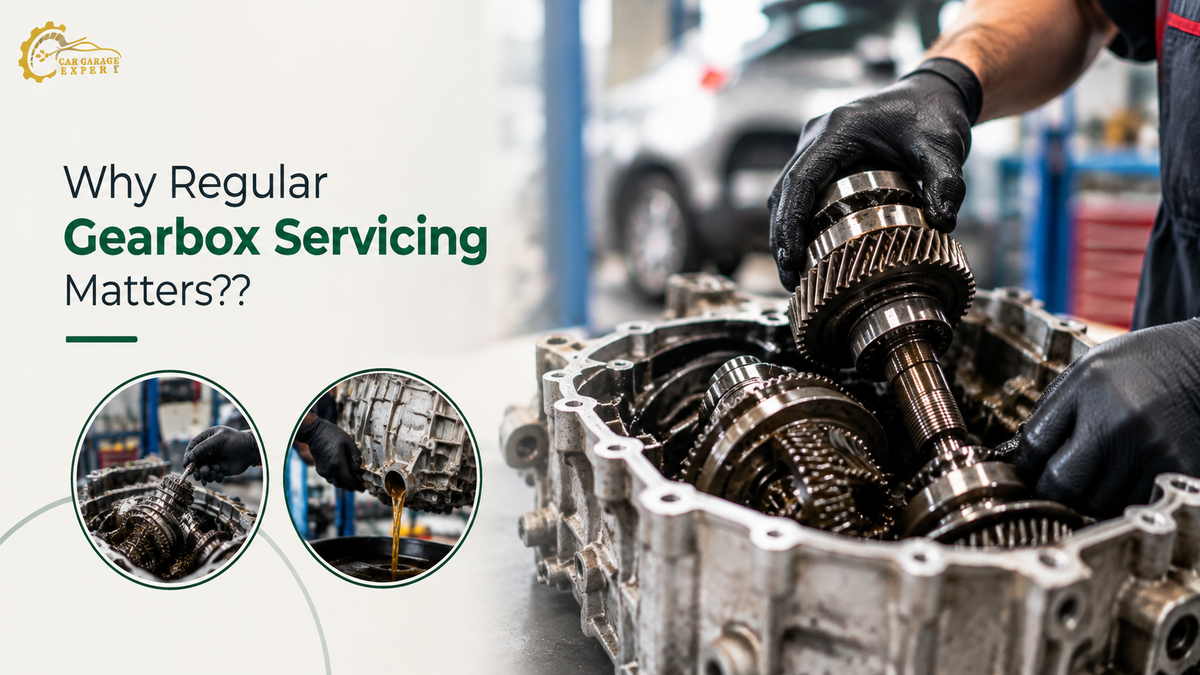
One of the most prevalent causes of gearbox overheating, difficult shifting and delayed shifting is dirty gearbox fluid. Over time, heat, friction, and general pollutants eventually strip the fluid of its lubricating and cooling characteristics, opening the door to excessive wear inside the gearbox as your automobile accumulates kilometres. If you ignore the warning signs for too long, you could end up with a hefty repair bill, or worse, a gearbox that fails completely. A proper inspection will tell you whether your vehicle just needs a simple gearbox fluid replacement, a full flush, or something more involved. If you’re in Dubai, the professionals at Car Garage Expert can help you understand the particular demands of your vehicle. Keeping on top of this one issue will keep your drive smooth and your repair bills low.
Table of Contents
- Problem Overview
- Symptoms of Dirty Transmission Fluid
- Common Causes of Dirty Transmission Fluid
- Professional Transmission Fluid Diagnostic Process
- Repair Process
- Risks of Ignoring Dirty Transmission Fluid
- Can You Continue Driving?
- Repair Time
- Cost Factors
- Prevention Tips
- Dubai-Specific Advice
- Why Choose Car Garage Expert?
- Frequently Asked Questions
- Related Services
- Final Call-to-Action
Problem Overview: Why Dirty Transmission Fluid Should Never Be Ignored
Your gearbox is probably the most complicated system in your whole drivetrain, frankly. It is the part that receives the power from the engine and delivers it to the wheels, all while aiming to make gear shifts smooth and predictable. That process, be it automatic or manual, depends on clean, good-quality fluid to lubricate moving parts, take away heat, and maintain hydraulic pressure where it’s needed, no matter what you’re driving.
Fluid doesn’t stay clean forever, though. Extreme heat, internal wear, tiny metal particles, dust, and moisture all take a toll over time, and eventually the fluid stops doing its job properly. Instead of protecting your gears, it starts circulating debris through the system, speeding up wear on parts like clutch packs, valve bodies, solenoids, seals, bearings, and the torque converter.
Here in Dubai, where cars deal with extreme heat, heavy traffic, and constant stop-and-go driving, the transmission works a lot harder than it would in a milder climate. High temperatures break the fluid down faster than usual, which is exactly why regular maintenance matters so much here.
The good news is that most of these difficulties can be avoided. Catching tainted fluid early before it becomes anything more will save you thousands of Dirhams and keep your automobile working as it should.
Symptoms of Dirty Transmission Fluid You Should Never Ignore
Catching the early warning signs can save you from a lot of headaches down the road. Once the fluid gets contaminated, the transmission struggles to build the hydraulic pressure it needs, and that’s when you start to notice something’s off.
Delayed Gear Engagement
One of the first things people notice is a pause when shifting from Park into Drive or Reverse. The car might sit there for a second or two before it actually moves.
Rough or Hard Gear Shifting
If your car jerks, bangs, or shifts a little too aggressively while you’re accelerating, that’s often a sign the fluid isn’t providing the hydraulic pressure it used to.
Gear Slipping
You’ll feel the engine rev up without the car actually speeding up to match. This is usually one of the earliest signs that your transmission fluid has broken down.
Transmission Overheating
Older fluid loses its ability to pull heat away from the gearbox, and that extra heat can damage seals and clutch components over time.
Burning Smell
A burnt smell coming from your car almost always points to overheated or degraded transmission fluid. Don’t brush this one off — excessive heat is the number one cause of transmission failure.
Dark or Dirty Fluid
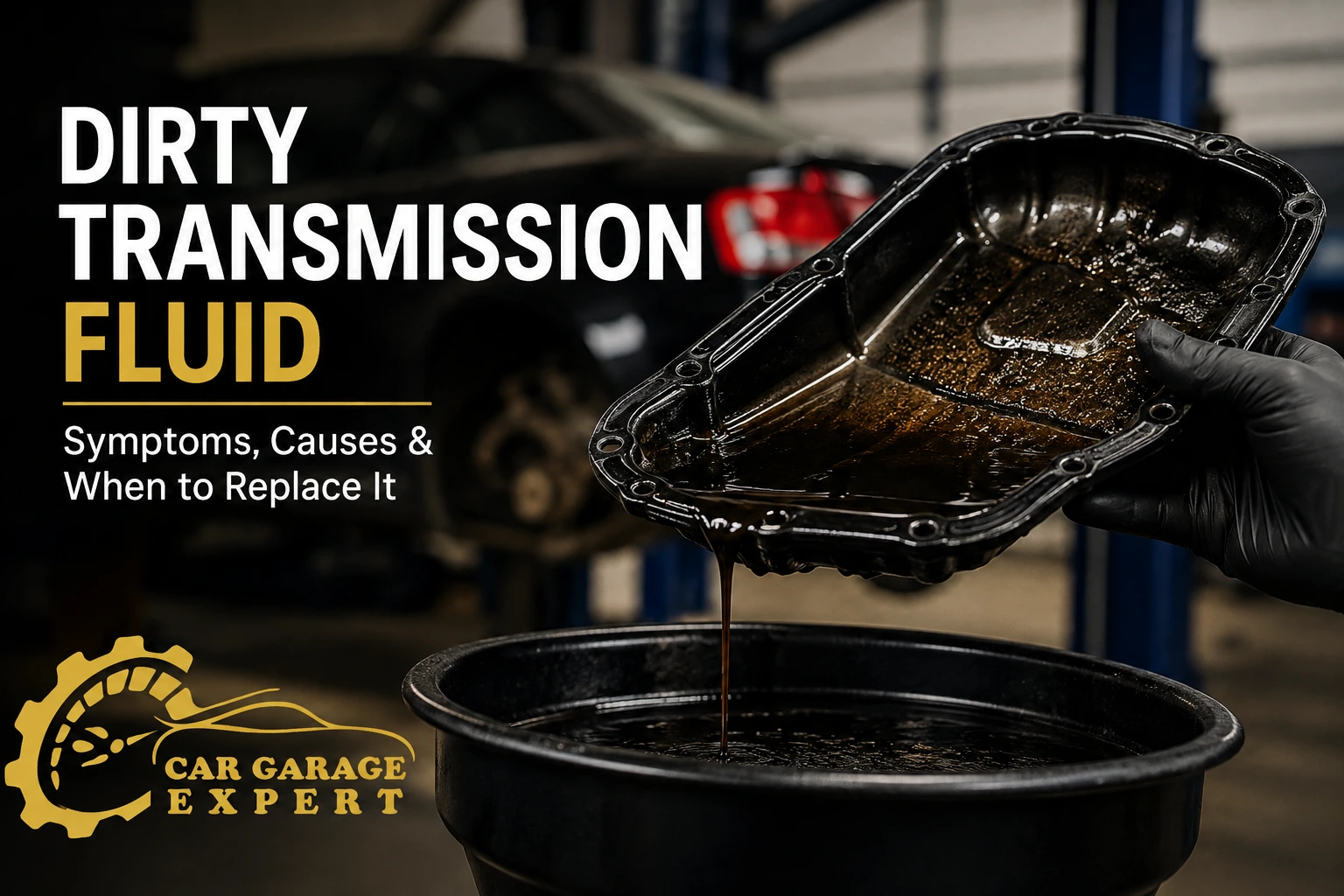
Healthy fluid is usually bright red or pink. If yours looks dark brown, black, or has bits of debris floating in it, it’s time to get it checked out right away.
Unusual Noises
Grinding, humming, whining, or buzzing sounds while you’re driving or shifting can point to poor lubrication somewhere inside the gearbox.
Dashboard Warning Lights
Most newer cars keep an electronic eye on transmission performance. If the sensors pick up on unusual temperatures or shifting patterns, you’ll likely see a warning light pop up.
Reduced Fuel Efficiency
When the transmission has to work harder because of internal friction, you’ll usually notice it at the pump too.
Vehicle Vibrations During Shifting
Noticeable shaking during acceleration or gear changes can be a sign that worn parts, caused by dirty transmission fluid, are starting to cause problems.
If any of this sounds familiar, it’s worth stopping by a trusted garage near me before a small issue turns into a major transmission repair.
Common Causes of Dirty Transmission Fluid and Premature Contamination
There are a handful of reasons transmission fluid breaks down faster than it should, and knowing them can help you avoid an unnecessary repair bill.
What Causes Transmission Fluid to Become Dirty?
Normal Wear and Tear
Every single gear shift produces tiny metal particles from ordinary friction. Over thousands of shifts, those particles build up in the fluid even with a working filter in place.
High Operating Temperatures
Heat is really the biggest enemy any automatic transmission has. Driving regularly in hot weather speeds up oxidation and wears out the fluid’s protective qualities much sooner than you’d expect.
Stop-and-Go Traffic
Constant braking and accelerating pushes gearbox temperatures up and puts extra strain on the hydraulic system.
Delayed Maintenance
Skipping the manufacturer’s recommended service schedule lets contaminants sit and circulate longer than they should, which speeds up internal wear.
Worn Transmission Components
Damaged clutch packs, bearings, gears, and seals shed extra debris that ends up mixing into the circulating fluid.
Transmission Filter Restriction
A clogged filter reduces fluid flow, which lowers lubrication and raises operating temperatures.
Moisture Contamination
Water getting into the transmission through a damaged seal or a faulty cooling system can hurt lubrication quality and speed up corrosion.
Incorrect Transmission Oil
Using the wrong fluid instead of the OEM-recommended transmission fluid can mess with hydraulic pressure, shift quality, and overall transmission lifespan.
Heavy Towing or Aggressive Driving
Cars that tow heavy loads often or get driven hard generate more heat than usual, and that wears the fluid out much faster.
Professional Transmission Fluid Diagnostic Process Before Any Repair
Before anyone recommends a repair or a full fluid replacement, a good technician will run through a proper inspection first, rather than just swapping parts and hoping for the best.
A thorough diagnostic usually covers:
- A visual check of the transmission housing for any leaks.
- Checking the fluid’s level, color, smell, and overall consistency.
- Inspecting the filter for signs of heavy contamination.
- Running computerized diagnostics to pull any stored fault codes.
- Monitoring transmission temperature with proper diagnostic tools.
- Taking the car for a road test to check shift quality and gear engagement.
- Looking over the cooler, cooling lines, seals, and hydraulic system.
- Checking the condition of the torque converter and valve body, where applicable.
- Deciding whether a fluid change, a flush, or a mechanical repair is the right call.
Good diagnostics mean the real issue gets fixed instead of just masked for a while. Catching problems early often means avoiding serious gearbox damage down the line. If your car starts acting up badly or becomes undrivable, professional roadside assistance can get it safely to the workshop instead of risking further damage on the road.
Professional Repair Process for Dirty Transmission Fluid
Once our technicians have confirmed that contaminated fluid is behind the issue, we follow a clear process to get your gearbox shifting smoothly again and protect it from further wear. Every car gets a plan based on its actual condition rather than a generic, one-size-fits-all fix.
Step 1: Complete Vehicle Inspection
We start by looking at the whole gearbox system, the gearbox, the pan, the cooler lines, the seals, the filter and the electrical contacts. We check for leaks or mechanical problems before continuing.
Step 2: Computerized Transmission Diagnostics
We use manufacturer-grade tools to scan the Gearbox Control Module and the Engine Control Unit for stored error codes. This tells us if we are dealing with a hydraulic, electrical or mechanical problem.
Step 3: Drain and Inspect the Fluid
We drain the old fluid and take a close look for:
- Metal shavings
- Burnt smell
- Dark discoloration
- Clutch material
- Water contamination
What we find here tells us a lot about how healthy the transmission actually is.
Step 4: Replace the Transmission Filter
If your vehicle has a replaceable filter, we’ll swap it out so fluid can flow freely and hydraulic pressure stays where it should be.
Step 5: Refill with OEM-Recommended Fluid
We top it off with new, OEM-approved fluid to your manufacturer’s level.” The right gearbox fluid is the difference between easy shifting and recurring issues.
Step 6: Road Test and Final Quality Check
After the service, we take the car out for a full road test to confirm:
- Smooth gear engagement
- Correct shift timing
- Normal operating temperature
- No warning lights
- No leaks
We only hand the car back once it passes our own quality check.
Risks of Ignoring Dirty Transmission Fluid for Too Long
A lot of drivers put off transmission maintenance simply because the car still seems to drive fine. Unfortunately, the damage often builds up quietly before symptoms turn serious.
Put it off too long, and you risk:
- Premature clutch pack wear
- Valve body damage
- Transmission overheating
- Torque converter failure
- Gear slipping
- Delayed gear engagement
- Internal bearing wear
- Seal deterioration
- Complete transmission failure
A simple service now can save you from a full transmission rebuild later, and that’s a bill nobody wants.
Can You Continue Driving with Dirty Transmission Fluid?
Technically, yes, the car might still drive. But that doesn’t mean you should keep putting off getting it checked.
If you’re noticing delayed shifts, rough gear changes, strange noises, or a burning smell, it’s best to cut back on unnecessary driving until someone’s had a look at it.
If the transmission stops shifting properly or the car gets stranded, professional roadside assistance is the safer route. Driving on a failing transmission almost always ends up costing more in the long run.
How Long Does Transmission Fluid Service or Repair Take?
How long it takes really depends on the condition of your transmission.
As a rough guide:
- Transmission fluid inspection: 30–45 minutes
- Transmission fluid change: 1–2 hours
- Filter replacement: 2–3 hours
- Transmission flush: 2–3 hours
- Advanced diagnostics: 1–2 hours
- Internal transmission repair: several days, depending on the extent of the damage
Catching things early almost always means a shorter, cheaper repair.
Factors That Affect Transmission Repair Costs
What you’ll actually pay depends on a few different things.
These include:
- Your vehicle’s make and model
- Type of transmission
- How much fluid your car needs
- OEM versus aftermarket fluid
- Whether the filter needs replacing
- Any mechanical damage found
- How complex the diagnostics turn out to be
- Labor time
- Parts availability
Routine maintenance will almost always cost less than replacing major transmission parts down the line.
Prevention Tips to Keep Your Transmission in Excellent Condition
A little bit of preventive care goes a long way toward keeping your transmission healthy.
Here’s what helps:
- Check your fluid level regularly.
- Stick to your manufacturer’s service schedule.
- Use only OEM-approved fluid.
- Fix leaks as soon as you notice them.
- Ease off aggressive acceleration.
- Don’t overload your vehicle past its rated capacity.
- Let the transmission warm up before pushing it hard.
- Book routine inspections.
- Replace the filter when it’s due.
- Don’t ignore warning lights.
Small habits like these can save you from expensive gearbox repairs and keep your car running reliably for years.
Dubai-Specific Advice for Protecting Your Transmission
Driving in Dubai puts extra strain on any automatic transmission.
Between the summer heat, constant traffic, long highway drives, and stop-and-go city streets, transmissions here run hotter than they would almost anywhere else.
To keep wear to a minimum:
- Get your transmission checked more often during summer.
- Follow severe-service intervals for fluid changes if your manufacturer recommends them.
- Avoid leaving the engine idling for long stretches.
- Make sure your cooling system is working properly.
- Schedule annual diagnostics even if nothing feels wrong yet.
This matters even more if you’re regularly driving through Al Quoz, Sheik Zayed Road, Business Bay, Dubai Marina, or other busy parts of the city.
Why Choose Car Garage Expert for Transmission Services in Dubai?
Your transmission is one of the most important — and expensive — parts of your car, so it deserves proper attention.
At Car Garage Expert, we pair advanced diagnostic tools with technicians who know exactly what they’re looking at, so problems get caught and fixed before they turn into expensive failures.
Here’s why drivers keep coming back to us:
- Certified transmission specialists
- Manufacturer-grade diagnostic equipment
- Genuine OEM-quality parts
- Honest advice and transparent pricing
- Thorough transmission inspections
- Fast turnaround
- Warranty-backed work
- Roadside assistance when you need it
- A convenient spot for anyone searching for a garage near me in Dubai
Choosing us means you’re getting straight answers and a repair plan built around what your car actually needs, not unnecessary extras.
Frequently Asked Questions About Transmission Fluid
Q1: How often should transmission fluid be changed?
Most manufacturers suggest changing it somewhere between 40,000 and 100,000 km, though Dubai’s climate can mean you need it sooner.
Q2: Can dirty transmission fluid damage my gearbox?
Yes, it can. Once it’s contaminated, friction and heat go up, which leads to wear that can eventually turn into a real gearbox repair.
Q3: What color should healthy transmission fluid be?
You’re looking for a bright red or pink color. Dark brown or black usually means it’s contaminated or has been overheating.
Q4: Can a transmission fluid change fix rough shifting?
If old, contaminated fluid is the actual cause, then yes, a change often smooths things right out. That said, if there’s already internal wear, you might need more than just a fluid change.
Q5: Is a transmission flush always necessary?
Not always. Your technician will look at the condition of your transmission and tell you honestly whether a straightforward fluid change or a full flush makes more sense.
Related Services
Keep your car running at its best with our full lineup of transmission and drivetrain services. Our technicians use proper diagnostic equipment and OEM-quality parts, so repairs actually last.
- Transmission Diagnostics
- Automatic Transmission Repair
- Manual Transmission Repair
- Transmission Fluid Change
- Transmission Fluid Flush
- Vehicle Computer Diagnostics
- Engine Diagnostics
- Differential Repair
- Clutch Replacement
- Roadside Assistance
Schedule Your Transmission Inspection Before Minor Problems Become Major Repairs
Dirty transmission fluid is usually the very first sign that bigger transmission trouble is on its way. Catching it early can save you from overheating, gear slipping, and a gearbox repair bill you’d rather avoid.
Have you experienced delayed shifting, difficult gear changes, unusual noises, or a warning light on your dash? Don’t wait it out. Come to Car Garage Expert and get your car’s gearbox fully examined by professionals who will truly tell you what’s wrong. We will uncover the underlying problem, offer the proper cure, and get you back on the road with confidence.
Book your appointment today or contact our staff for experienced gearbox fluid diagnosis and service in Dubai.