A Porsche Cayenne engine oil leak may begin as a light oily stain, a faint burning smell, or an occasional oil-level warning. However, ignoring it can expose the engine to poor lubrication, contaminate nearby components, and turn a manageable seal replacement into an expensive mechanical repair.
The Cayenne has been produced with several petrol, diesel, hybrid, V6, and V8 powertrains. This means the source of an oil leak can differ considerably between model years. Accurate diagnosis is therefore more important than replacing parts based on assumptions.
Porsche Cayenne Engine Oil Leak Repair Dubai
A Porsche Cayenne engine oil leak should be diagnosed promptly, even when it appears to be a minor seep. Common sources include the oil-filter housing seal, valve or cylinder-head cover areas, timing or chain covers, the oil pan, drain plug, turbo oil lines, and crankshaft seals. The correct repair depends on the Cayenne’s generation, engine, model year, and exact leak point. Do not rely on guesswork or stop-leak additives. If you see a red oil-pressure warning, heavy dripping, smoke, a burning smell, or a rapidly falling oil level, switch off the engine and arrange recovery. A controlled inspection can prevent unnecessary parts replacement and major engine damage.
Porsche Cayenne Engine Oil Leak Problem Overview
Engine oil circulates through pressurised passages to lubricate bearings, camshafts, timing components, pistons, turbochargers, and other moving parts. Gaskets, seals, housings, plugs, and sealing compounds are used to keep that oil inside the engine.
As these components age, they can harden, deform, loosen, crack, or lose their ability to maintain a reliable seal. Oil may then appear around the top, front, rear, or bottom of the engine. Because gravity and airflow move leaking oil away from its original source, the wettest visible area is not always where the leak began.
Porsche technical information confirms that particular Cayenne versions may develop leaks around specific components. For example, Porsche issued guidance for certain 2017–2021 Cayenne V6 and V8 engines concerning oil leakage around the oil-filter housing. The guidance emphasises cleaning the area and locating the actual leak before replacing the housing because replacing only the improved seal may be sufficient.
This is why a proper inspection should come before a repair estimate.
Symptoms of a Porsche Cayenne Oil Leak
Some oil leaks are immediately visible, while others remain hidden above the underbody covers. Watch for the following warning signs.
Oil Spots Under the Vehicle
Brown or black spots beneath the front or centre of the Cayenne may indicate an active engine oil leak. The location of the spot provides a clue, but it does not confirm the failed component because oil can travel across the undertray before reaching the ground.
Burning Oil Smell
Oil leaking onto a hot exhaust shield, turbocharger area, or engine surface can create a sharp burning smell. You may notice it after parking, during slow traffic, or when the air-conditioning system draws outside air into the cabin.
Smoke From the Engine Bay
Light smoke may appear when oil reaches a hot component. Stop the vehicle safely if the smoke becomes heavy, the smell becomes stronger, or you suspect oil is reaching the exhaust.
Falling Electronic Oil-Level Reading
Needing to add oil repeatedly can indicate an external leak, internal oil consumption, or both. Record how much oil is added and over what distance. This information helps the technician determine whether the loss is gradual or severe.
Oil Warning Message
An oil-level warning means the quantity may be low. A red oil-pressure warning is more serious because the engine may no longer be receiving adequate lubrication. Stop the engine and arrange professional assistance rather than continuing to drive.
Greasy Engine or Underbody
Fresh oil may collect dust and form a dark, sticky layer around the engine, oil pan, transmission bellhousing, or underbody protection. Removing the cover panels is often necessary to see how far the contamination has spread.
Common Causes of a Porsche Cayenne Engine Oil Leak
The following are possible leak points, but not every cause applies to every Cayenne.
Oil-Filter Housing Seal
The housing seal can lose its ability to contain oil. Porsche guidance for certain Cayenne, Macan, and Panamera models specifically instructs technicians to clean the area, use leak-locating material, perform a test drive, and replace the seal when the housing itself is undamaged.
Valve Cover or Cylinder-Head Cover Seal
Heat cycles can gradually affect the cover gasket or sealing surface. Oil may run down the side of the engine, reach the exhaust area, or collect lower down and create the impression of a sump leak.
Porsche also issued technical information relating to diagnosed cylinder-head oil leakage on certain 2019 Cayenne 3.0- and 2.9-litre V6 engines. That document illustrates why the VIN, engine type, and precise leak location must be checked rather than assuming every Cayenne has the same fault.
Timing or Chain Housing Cover
Timing-cover areas can develop leakage when a gasket, sealant joint, sealing pad, or fastener no longer seals correctly. Access may be restricted, making this repair more labour-intensive than replacing an exposed gasket.
Technical information for second-generation Cayenne V6 diesel models identifies several potential points around the oil-guide housing, lower chain housing cover, drive-plate fasteners, and crankshaft sealing ring.
Oil Pan or Upper Sump Seal
The lower oil pan can leak from its gasket or sealing compound. It can also be damaged by an impact. An upper sump leak is usually more complex because other components may need to be removed before the sealing surface becomes accessible.
Drain Plug or Oil Filter Installation
A loose drain plug, damaged washer, incorrectly fitted filter, pinched O-ring, or contaminated sealing surface can cause leakage after an oil service. The oil type, filter installation, plug condition, and tightening procedure should all be checked.
Front or Rear Crankshaft Seal
Crankshaft seals can deteriorate or become damaged. A rear main seal leak often appears around the connection between the engine and transmission. Confirming this fault is essential because accessing the seal can require substantial dismantling.
Turbocharger Oil Supply or Return Lines
Turbocharged Cayenne engines use oil lines to lubricate and cool turbocharger components. A damaged line, connection, washer, or seal may allow oil to escape in a high-temperature area.
Excessive Crankcase Pressure
A fault in the crankcase ventilation system can increase internal pressure and force oil past seals that would otherwise remain dry. Replacing a leaking gasket without checking the underlying pressure problem may result in another leak.
Diagnostic Process
A reliable Porsche Cayenne engine oil leak diagnosis should follow a controlled process.
1. Confirm the Vehicle Specification
The technician should record the VIN, model year, engine code, mileage, service history, and previous repairs. This determines the correct Porsche procedures, fluids, parts, tightening values, and known technical information.
2. Check the Oil Level and Condition
The oil quantity should be checked according to the correct procedure for that model. The technician should also look for overfilling, contamination, an incorrect filter, or an unsuitable oil specification.
3. Inspect From Top to Bottom
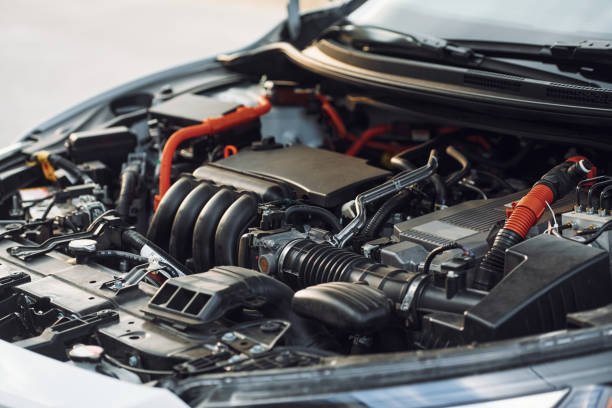
The engine bay, filter housing, cylinder-head covers, timing areas, turbo lines, oil pan, drain plug, bellhousing, and underbody should be examined. Inspection should begin above the visible oil because the fluid may have travelled downward.
4. Remove Old Oil Contamination
A dirty engine can hide the true source. Porsche’s own technical procedures repeatedly emphasise cleaning the affected area before attempting to identify an active leak.
5. Apply Leak-Detection Material
A suitable powder, leak-locating spray, or ultraviolet dye may be used when the source is not immediately visible. The correct method depends on the engine and the suspected leak area.
6. Warm the Engine and Conduct a Controlled Test
Some leaks become visible only when the oil reaches operating temperature and pressure. After a controlled road test or workshop run, the engine is reinspected for a fresh oil trail.
7. Perform Porsche-Compatible Diagnostics
A diagnostic scan can identify related oil-level, oil-pressure, temperature, ventilation, or engine-management faults. However, a scan alone cannot locate every mechanical leak. Electronic diagnosis and physical inspection must be used together.
8. Document the Exact Source
The customer should receive a clear explanation of the failed component, required parts, necessary labour, and any contamination affecting nearby components before work begins.
Porsche Cayenne Oil Leak Repair Process
Once the source has been confirmed, the repair normally includes the following stages:
- Protecting and preparing the vehicle
- Removing engine covers, shields, undertrays, or access components
- Draining oil when required
- Removing the failed seal, gasket, housing, line, plug, or cover
- Inspecting the mating surfaces and surrounding parts
- Cleaning old sealant and oil residue
- Installing the correct replacement parts
- Applying sealant only where the approved procedure requires it
- Tightening fasteners in the correct sequence and to the correct specification
- Replacing or topping up oil and fitting a suitable filter
- Cleaning contaminated engine and underbody areas
- Running the engine and checking for fresh leakage
- Conducting a final road test and post-test inspection
A professional repair should address the failed sealing point rather than covering the symptom with an additive. Oil stop-leak products can alter seal behaviour, complicate later diagnosis, and are not a substitute for mechanical repair.
Risks of Ignoring the Problem
A small leak does not always cause immediate engine failure, but it can progress without warning.
Continued oil loss may lower the oil quantity enough to reduce lubrication and cooling. Bearings, camshafts, turbochargers, timing components, and other internal parts can suffer accelerated wear when the supply becomes inadequate.
Leaking oil may also damage rubber components, contaminate engine mounts, coat belts or pulleys, produce smoke on hot surfaces, and leave residue across the underbody. Oil leaks are therefore more than a cosmetic problem. Porsche-focused service guidance likewise warns that uncorrected leaks can lead to serious engine damage.
Delaying the repair can also make diagnosis more difficult because oil spreads across a wider area and attracts layers of dirt.
Can You Continue Driving?
You should not continue driving when:
- A red oil-pressure warning appears
- Oil is dripping heavily
- The oil level falls rapidly
- Smoke is coming from the engine bay
- Oil is reaching the exhaust or drive belt
- The engine develops knocking, ticking, or grinding sounds
- You cannot confirm that the engine contains enough oil
Switch off the engine and arrange recovery in these situations.
A very light seep with no warning message and a stable oil level may allow a short, careful journey directly to a workshop. However, this should not be treated as permission to continue normal daily driving. The safest decision depends on the leak rate, location, oil quantity, and risk of the oil reaching hot or rotating components.
How Long Does the Repair Take?
Repair time depends mainly on accessibility.
An exposed drain plug, filter seal, or accessible gasket may be repaired and tested during the same day. A valve-cover or oil-filter housing repair may require several hours if surrounding components must be removed.
Timing-cover, upper-sump, cylinder-head, or rear crankshaft seal repairs may take one or more working days because of dismantling, cleaning, sealant curing, reassembly, fluid replacement, and post-repair testing.
Parts availability can also affect completion time. Car Garage Expert should inspect your Cayenne before confirming the schedule because two visually similar leaks may require very different levels of work.
Porsche Cayenne Oil Leak Repair Cost Factors
A fixed price should not be quoted before the leak has been located. The final cost is influenced by:
- Cayenne generation and model year
- Petrol, diesel, hybrid, V6, or V8 engine
- Location of the failed seal
- Number of components requiring removal
- Genuine or approved replacement-part requirements
- Oil and filter quantity
- Damage to the housing or sealing surface
- Contaminated belts, mounts, shields, or electrical parts
- Need for additional ventilation or oil-pressure testing
- Workshop labour time
- Previous unsuccessful repairs
- Requirement for recovery or towing
A minor external seal can be relatively straightforward. A rear main seal, upper sump, or deeply positioned timing-cover leak can cost considerably more because most of the bill comes from access and reassembly rather than the price of the seal itself.
The most cost-effective approach is accurate diagnosis before authorising parts replacement.
Prevention Tips
You cannot prevent every age-related seal failure, but careful maintenance can reduce the risk of serious leakage.
Use oil that carries the correct approval for your exact Cayenne engine and model year. Do not choose viscosity based only on Dubai’s outdoor temperature. Newer Cayenne engines may require different oil standards from earlier models, so the VIN and manufacturer specification should guide the decision. Car Garage Expert’s Porsche service information also notes that specifications differ across engines and generations.
Check the electronic oil level regularly and investigate unexplained changes. After every oil service, look under the vehicle and inspect for a burning smell during the following few journeys.
Use the correct filter, sealing ring, drain-plug washer, torque procedure, and oil quantity. Overfilling should be avoided because excessive oil can contribute to pressure and ventilation problems.
Finally, include the engine’s upper and lower sealing areas in periodic inspections. Finding fresh moisture before it becomes active dripping can reduce secondary damage.
Dubai-Specific Advice for Porsche Cayenne Owners
Dubai combines intense heat, dust, long periods of idling, stop-start traffic, short urban journeys, and sustained motorway driving. These conditions can expose ageing gaskets and seals to repeated thermal cycles.
Parking over a clean surface occasionally can help you identify fresh drops. In covered parking, place clean cardboard beneath the engine area overnight and check it the following morning. This is only an observation method, not a substitute for diagnosis.
Do not allow an unqualified workshop to change the oil grade simply because Dubai is hot. The correct Porsche approval, engine specification, driving pattern, and service history matter more than a generic “summer oil” recommendation.
Before a long journey to Abu Dhabi, the Northern Emirates, or across desert routes, address any known leakage. A minor seep can become a more serious loss when the engine remains hot and under load for an extended period.
Why Choose Car Garage Expert?
Car Garage Expert provides Porsche repair and diagnostic services from its workshop in Al Quoz, Dubai. The company services Cayenne and other Porsche models and states that it uses Porsche-compatible diagnostic equipment, model-appropriate fluids, advanced inspection methods, and quality replacement parts.
When you bring your Cayenne to us, our approach focuses on:
- Identifying the source before replacing parts
- Checking the vehicle’s model year and engine specification
- Inspecting both visible and hidden leak areas
- Explaining the findings before beginning repairs
- Using the appropriate gasket, seal, oil, and filter
- Cleaning residual oil after the repair
- Testing the vehicle before handover
- Providing Porsche-focused service in Dubai
Our Al Quoz location makes professional Porsche inspection accessible to drivers across Dubai. Current contact details published by Car Garage Expert include phone and WhatsApp .
Frequently Asked Questions
1. What is the most common cause of a Porsche Cayenne engine oil leak?
There is no single cause for every Cayenne. Oil-filter housing seals, cylinder-head or valve-cover areas, timing covers, oil pans, service plugs, turbo oil lines, and crankshaft seals are all possible sources. The most likely cause depends on the generation, model year, and engine.
2. Why does my Cayenne smell like burning oil but leave no spots?
Oil may be leaking from an upper engine area and landing on a hot exhaust shield before it reaches the ground. The undertray can also collect the fluid and prevent visible spots. Arrange an inspection if the smell continues.
3. Will thicker oil stop the leak?
Thicker oil is not a proper repair and may not meet the approval required by your engine. Using the wrong product can affect lubrication, cold-start flow, emissions equipment, and service life. The failed seal should be diagnosed and repaired correctly.
4. Can an oil leak appear immediately after an oil change?
Yes. Possible causes include a damaged filter seal, loose filter housing cap, incorrect O-ring placement, drain-plug problems, overfilling, or spilled oil that was not cleaned properly. The vehicle should be inspected to distinguish residual spillage from active leakage.
5. How do I know whether my Porsche Cayenne needs towing?
Arrange towing when you see a red oil-pressure warning, heavy dripping, smoke, a rapidly falling oil level, unusual engine noise, or oil near the exhaust or drive belt. Do not restart the engine when adequate oil pressure or oil quantity cannot be confirmed.
Conclusion
A Porsche Cayenne engine oil leak should never be repaired through guesswork. Oil can travel far from its original source, and the correct solution may range from replacing a small seal to resealing a deeply positioned engine cover.
Early inspection protects the engine, prevents oil from damaging surrounding components, and gives you a clearer repair estimate. Whether you have noticed a small stain, a burning smell, an oil warning, or visible smoke, have the Cayenne checked before the problem becomes more expensive.
Book Your Porsche Cayenne Oil Leak Inspection in Dubai
Do not wait for a small leak to become a low-oil-pressure warning or major engine repair.
Contact Car Garage Expert today for a professional Porsche Cayenne oil leak inspection in Dubai.
Book your inspection now and let our Porsche specialists locate the leak, explain the repair clearly, and help protect your Cayenne’s performance.
Visit us in our Al Quoz, Dubai branch or visit Car Garage Expert