
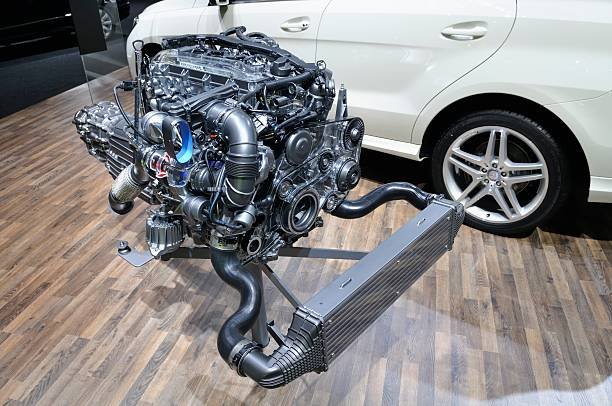
The Mercedes-AMG G63 is engineered for exceptional performance, luxury, and demanding driving conditions. However, its powerful engine operates under significant heat and pressure. If the cooling system, lubrication system, or engine sealing components develop a fault, the head gasket may become damaged.
A failed head gasket is not a minor maintenance issue. It can cause coolant loss, engine overheating, oil contamination, reduced performance, and severe internal engine damage. Prompt diagnosis is especially important in Dubai, where high ambient temperatures can place additional stress on an already compromised engine.
At Car Garage Expert, Mercedes G63 head gasket repair begins with a detailed inspection to determine whether the gasket has failed and whether the cylinder head, engine block, cooling system, or related components have also been affected.
Mercedes G63 Head Gasket Repair in Dubai
Mercedes G63 head gasket repair involves removing the cylinder head, inspecting it for warping or cracks, replacing the damaged gasket, fitting new seals and fasteners where required, and reassembling the engine according to the correct specifications. Common warning signs include overheating, coolant loss, white exhaust smoke, contaminated engine oil, bubbling in the coolant reservoir, and reduced engine performance. Continuing to drive can cause cylinder-head damage, bearing failure, or complete engine failure. In Dubai’s hot climate, early diagnosis is particularly important. Car Garage Expert provides structured inspection and repair planning for Mercedes G63 engine problems.
Problem Overview
The head gasket sits between the engine block and the cylinder head. Its job is to create a strong seal around the combustion chambers while keeping engine oil and coolant inside their designated passages.
During normal operation, the gasket must withstand extreme combustion pressure and constant temperature changes. When it becomes damaged, coolant, oil, and combustion gases may begin moving into areas where they do not belong.
A failed Mercedes G63 head gasket may cause:
- Coolant to enter the combustion chamber
- Engine oil to mix with coolant
- Combustion pressure to enter the cooling system
- Coolant or oil to leak externally
- Compression to escape between cylinders
- Persistent engine overheating
- Poor acceleration and unstable engine operation
Because several other faults can create similar symptoms, the gasket should not be replaced based on visual signs alone. A professional diagnosis can help distinguish a failed head gasket from problems involving the thermostat, radiator, coolant pump, expansion tank, oil cooler, cylinder head, or turbocharger cooling system.
Symptoms of a Mercedes G63 Head Gasket Failure
Head gasket symptoms can appear suddenly after a major overheating event or develop gradually over time. Some vehicles display several symptoms, while others show only one.
Engine Overheating
Repeated or unexplained overheating is one of the most serious warning signs. If combustion gases enter the cooling system, they can interfere with coolant circulation and create excessive pressure.
An overheating G63 should be switched off as soon as it is safe to do so. Continuing to operate the engine can warp the cylinder head and greatly increase the extent of the repair.
White Exhaust Smoke
Thick white smoke or steam from the exhaust may indicate that coolant is entering a combustion chamber and burning with the air-fuel mixture.
A small amount of condensation during a cold start can be normal. Persistent white smoke after the engine reaches operating temperature requires immediate inspection.
Unexplained Coolant Loss
A damaged head gasket may allow coolant to enter the cylinders, oil passages, or exhaust system without leaving an obvious puddle beneath the vehicle.
If the coolant level repeatedly drops after being topped up, a pressure test and internal leak assessment should be performed.
Bubbles in the Coolant Reservoir
Continuous bubbling in the coolant expansion tank can indicate that combustion gases are entering the cooling system. Never open a pressurized coolant reservoir when the engine is hot. Hot coolant can escape suddenly and cause serious burns.
Milky or Contaminated Engine Oil
When coolant mixes with engine oil, the oil may appear creamy, milky, or unusually light in color. Deposits may also appear beneath the oil filler cap.
Moisture from short journeys can sometimes create a small amount of residue. A full oil inspection is required before concluding that the head gasket has failed.
Rough Running or Misfires
Coolant entering a cylinder can affect combustion and contaminate a spark plug. The engine may idle roughly, hesitate under acceleration, or register misfire-related warning codes.
Loss of Power
Compression leakage between cylinders can reduce engine output. The G63 may feel less responsive, struggle under load, or display an engine warning message.
Excessive Cooling-System Pressure
Cooling hoses that become unusually hard shortly after a cold start can indicate that combustion pressure is entering the cooling system.
Common Causes of Mercedes G63 Head Gasket Damage
Head gaskets do not always fail because of normal wear. In many cases, another engine or cooling-system fault creates the conditions that damage the gasket.
Severe Engine Overheating
Excessive heat can distort the cylinder head, weaken the gasket material, and reduce the clamping force needed to maintain a reliable seal.
Coolant Pump Failure
A weak, leaking, or failed coolant pump can prevent coolant from circulating correctly. This may create hot spots within the engine and lead to overheating.
Thermostat Problems
A thermostat that remains closed can restrict coolant flow. A thermostat that operates inconsistently may also produce unstable engine temperatures.
Radiator or Cooling-Fan Faults
Restricted airflow, damaged cooling fans, radiator blockage, or external debris can reduce the cooling system’s ability to control engine temperature.
Coolant Leaks
Leaks from hoses, seals, reservoirs, radiators, pumps, or connections can gradually lower the coolant level. The driver may not notice the loss until the engine begins overheating.
Incorrect Coolant
Using an unsuitable coolant or mixing incompatible coolant types can reduce corrosion protection and affect cooling-system performance.
Improper Previous Repairs
Incorrect tightening procedures, reused fasteners where replacement is required, contaminated sealing surfaces, or an improperly machined cylinder head can lead to repeat gasket failure.
Cylinder-Head or Engine-Block Damage
A cracked or severely distorted cylinder head can prevent a new gasket from sealing correctly. Less commonly, damage to the engine-block surface may also be present.
Mercedes G63 Head Gasket Diagnostic Process
Accurate diagnosis is essential because a head gasket replacement requires extensive engine disassembly. A responsible workshop should confirm the fault before recommending the repair.
Initial Vehicle Inspection
The technician checks the coolant level, engine oil condition, visible leaks, cooling hoses, expansion tank, radiator area, and signs of previous overheating.
Diagnostic Computer Scan
A vehicle scan may reveal misfire codes, temperature-related faults, cooling-fan errors, fuel-trim irregularities, or stored engine-protection events.
Diagnostic codes do not directly prove head gasket failure, but they help identify affected systems.
Cooling-System Pressure Test
The cooling system is pressurized to determine whether it can maintain pressure. A pressure drop may reveal an external or internal coolant leak.
Combustion-Gas Test
A chemical test can help detect combustion gases in the cooling system. A positive result may indicate leakage between a combustion chamber and a coolant passage.
Compression Test
A compression test measures each cylinder’s ability to hold pressure. One or more low readings can indicate valve, piston, cylinder, or head gasket problems.
Cylinder Leak-Down Test
During a leak-down test, compressed air is introduced into each cylinder. The technician monitors where the air escapes. Bubbles in the coolant reservoir may indicate leakage through the gasket or cylinder head.
Spark Plug and Cylinder Inspection
Spark plugs may show signs of coolant contamination. A borescope can also be used to inspect the combustion chambers for unusual deposits or evidence of coolant entry.
Cylinder-Head Inspection
Once disassembly begins, the cylinder head must be checked for cracks, distortion, corrosion, and sealing-surface damage. Measurements determine whether resurfacing is possible or replacement is necessary.
Mercedes G63 Head Gasket Repair Process
The exact procedure depends on the engine version, vehicle condition, and extent of the damage. A typical repair includes the following stages.
1. Cooling and Lubrication Systems Are Drained
The engine oil and coolant are removed safely. Contaminated fluids must not be reused.
2. Components Are Removed for Access
The technician removes the parts blocking access to the cylinder head. Depending on the engine configuration, this may include intake components, exhaust components, wiring, hoses, ignition parts, cooling lines, brackets, and other assemblies.
Every connection must be identified and protected to support accurate reassembly.
3. Timing Components Are Secured
Correct engine timing is essential. Timing components must be positioned, secured, and removed according to the required procedure.
4. Cylinder Head Is Removed
The fasteners are loosened in the appropriate sequence to reduce the risk of distortion. The cylinder head is then carefully separated from the engine block.
5. Gasket and Sealing Surfaces Are Inspected
The old gasket is examined for signs of failure. The engine-block and cylinder-head surfaces are checked for damage, corrosion, erosion, and distortion.
6. Cylinder Head Is Tested
The cylinder head may require pressure testing, crack detection, and measurement by an engine-machining specialist. Resurfacing may be necessary when distortion remains within repairable limits.
A cracked or excessively damaged head may need replacement.
7. Related Components Are Evaluated
A quality repair should address the original cause of the failure. The cooling pump, thermostat, radiator, hoses, fans, seals, oil cooler, and other relevant parts may need inspection.
8. New Gasket and Required Fasteners Are Installed
The correct gasket specification must be used. New cylinder-head bolts or other single-use fasteners should be fitted where required.
Fasteners must be tightened in the correct sequence, in stages, and to the specified torque and angle.
9. Engine Is Reassembled
Timing components, intake and exhaust parts, cooling connections, electrical components, ignition parts, and removed accessories are reinstalled.
10. Fluids and Filters Are Replaced
Fresh engine oil, a new oil filter, and the appropriate coolant are installed. Additional fluid changes may be recommended when contamination has occurred.
11. Cooling System Is Bled
Air trapped inside the cooling system can cause overheating. The system must be filled and bled correctly before the vehicle is returned to regular use.
12. Final Testing Is Completed
The engine is started and monitored for leaks, abnormal pressure, unstable temperature, warning messages, and unusual noise. A road test and follow-up fluid-level check may also be performed.
Risks of Ignoring a Failed Head Gasket
Delaying Mercedes G63 head gasket repair can transform a manageable engine repair into a major engine rebuild or replacement.
Possible consequences include:
- Severe cylinder-head warping
- Cracked cylinder heads
- Loss of engine compression
- Contaminated engine bearings
- Piston or cylinder-wall damage
- Catalytic converter damage
- Turbocharger-related damage
- Cooling-system failure
- Engine seizure
- Complete engine failure
Coolant-contaminated oil provides less protection for internal engine components. Even if the engine continues running, damage may be taking place every time the vehicle is driven.
Can You Continue Driving a Mercedes G63 With a Bad Head Gasket?
Driving is not recommended when head gasket failure is suspected.
Stop the vehicle and switch off the engine if you notice:
- A temperature warning
- Steam from the engine bay
- Rapid coolant loss
- Thick white exhaust smoke
- Severe misfiring
- Oil-pressure warnings
- Coolant mixed with engine oil
A short drive can still cause substantial damage if the engine overheats or loses lubrication. Arranging vehicle recovery is usually safer than attempting to drive to the garage.
Do not repeatedly top up the coolant and continue driving without identifying the cause. This may temporarily hide the symptom while internal damage becomes more severe.
Mercedes G63 Head Gasket Repair Time
Head gasket replacement is a labor-intensive repair rather than a same-day maintenance service.
The completion time depends on:
- The exact G63 engine configuration
- Vehicle model year
- Workshop scheduling
- Required disassembly
- Cylinder-head testing
- Machining requirements
- Parts availability
- Additional cooling-system repairs
- Timing-system condition
- Discovery of internal engine damage
A straightforward repair may take several working days. Repairs involving machining, imported parts, cracked components, or lower-engine damage can take longer. The workshop should provide a more accurate timeframe after the diagnostic and disassembly stages.
Mercedes G63 Head Gasket Repair Cost Factors
There is no single fixed cost for every Mercedes G63 head gasket repair in Dubai. The final estimate depends on the condition of the engine and the parts required.
Major cost factors include:
Labor Requirements
Accessing and removing the cylinder head involves extensive disassembly. Labor is often a significant part of the total repair cost.
Genuine, Original-Equipment or Aftermarket Parts
The price can vary depending on the selected gasket set, seals, fasteners, filters, coolant, and related components.
Cylinder-Head Machining
Pressure testing, crack detection, cleaning, and resurfacing add to the repair cost but may be essential for a reliable seal.
Extent of Overheating Damage
A gasket-only repair is less complex than a repair involving a cracked head, damaged valves, worn timing parts, contaminated bearings, or engine-block damage.
Cooling-System Repairs
The fault that caused the gasket failure must also be corrected. This could involve the coolant pump, thermostat, radiator, fan assembly, hoses, reservoir, or sensors.
Additional Preventive Work
Some owners choose to replace difficult-to-access seals or worn components while the engine is already disassembled. This may increase the immediate cost while reducing duplicated labor later.
A proper estimate should separate confirmed repairs from optional recommendations.
Prevention Tips
Although not every head gasket failure can be prevented, correct maintenance can significantly reduce the risk.
- Check the coolant level regularly when the engine is cold.
- Investigate coolant loss instead of repeatedly topping up the reservoir.
- Use the correct coolant specification.
- Do not mix unidentified coolant types.
- Address temperature warnings immediately.
- Repair coolant leaks before they become severe.
- Inspect cooling fans and airflow components.
- Follow the appropriate engine-oil and filter service intervals.
- Avoid driving an overheating vehicle.
- Have the cooling system inspected before Dubai’s hottest months.
- Request a cooling-system pressure test if coolant loss has no visible source.
- Allow a professional workshop to inspect the vehicle after any serious overheating incident.
Dubai-Specific Advice for Mercedes G63 Owners
Dubai’s climate makes cooling-system maintenance especially important. High summer temperatures, traffic congestion, long periods of idling, and frequent air-conditioning use can increase the demand placed on the vehicle’s thermal-management systems.
Mercedes G63 owners in Dubai should pay close attention to coolant levels, fan operation, temperature warnings, and changes in air-conditioning performance. A small coolant leak that appears manageable during cooler months may become more serious in peak summer conditions.
Fine dust and road debris can also collect around cooling surfaces and reduce airflow. Periodic inspection of the radiator and related cooling components can help identify restrictions.
Before a long journey, desert drive, or summer road trip, consider having the following checked:
- Coolant condition and level
- Cooling-system pressure
- Radiator airflow
- Cooling-fan operation
- Thermostat performance
- Coolant pump condition
- Hose and connection integrity
- Stored temperature-related fault codes
Owners should also avoid using plain water as a permanent replacement for the correct coolant mixture. Water alone does not provide the same corrosion, boiling-point, freezing-point, and lubrication protection as the specified coolant.
Why Choose Car Garage Expert?
A Mercedes G63 head gasket repair requires more than installing a new gasket. The cause of the failure must be identified, the cylinder head must be evaluated, and the engine must be reassembled with careful attention to timing, sealing, tightening procedures, fluid quality, and cooling-system operation.
Car Garage Expert focuses on a structured repair approach that includes:
- Detailed initial inspection
- Computerized vehicle diagnostics
- Cooling-system testing
- Compression and leak assessment where required
- Cylinder-head inspection and repair planning
- Clear explanation of identified faults
- Itemized repair recommendations
- Replacement of damaged or necessary supporting components
- Post-repair leak and temperature checks
- Road testing where appropriate
The objective is not simply to replace the visible failed component. It is to identify why the failure occurred and reduce the risk of the same problem returning.
Frequently Asked Questions
How do I know whether my Mercedes G63 head gasket has failed?
Common signs include overheating, unexplained coolant loss, persistent white exhaust smoke, bubbling in the coolant reservoir, contaminated engine oil, misfires, and excessive cooling-system pressure. Testing is required because these symptoms can also be caused by other faults.
Can a Mercedes G63 head gasket be repaired without removing the cylinder head?
A proper mechanical head gasket replacement normally requires cylinder-head removal. Pour-in sealing products are not equivalent to a professional repair and may block small cooling passages or create additional problems.
Does white smoke always mean head gasket failure?
No. Light condensation during a cold start can be normal. Persistent thick white smoke, especially when accompanied by coolant loss or overheating, requires professional diagnosis.
Can an overheating G63 damage the cylinder head?
Yes. Severe or repeated overheating can distort or crack the cylinder head. It may also damage the gasket, valves, pistons, bearings, and other internal components.
Why does my coolant reservoir bubble?
Bubbling may result from trapped air, incorrect bleeding, localized boiling, or combustion gases entering the cooling system. A combustion-gas test and cooling-system inspection can help determine the cause.
Will replacing the head gasket permanently solve the problem?
It can provide a lasting repair when the underlying cause is corrected and all affected surfaces and components are properly inspected. Replacing only the gasket without addressing overheating, distortion, or cooling-system faults may lead to repeat failure.
Should the cylinder head be resurfaced?
Not automatically. The head must first be measured and inspected. Resurfacing may be recommended if the surface is distorted but remains within repairable limits.
Are new cylinder-head bolts required?
Many engines use torque-to-yield or single-use fasteners. These must be replaced when required by the applicable repair procedure.
Can contaminated engine oil be cleaned by performing one oil change?
A single oil change may not remove all contamination. Depending on the severity of coolant mixing, the workshop may recommend additional oil and filter changes after the repair.
How long can I drive with a leaking head gasket?
There is no reliably safe driving period. Damage can become severe quickly, especially if the engine overheats or coolant contaminates the oil. Vehicle recovery is the safer option.
Is head gasket repair cheaper than replacing the engine?
In many cases, repairing the head gasket is less expensive than replacing the complete engine. However, the best option depends on the extent of cylinder-head, block, bearing, piston, and cylinder damage.
Can Car Garage Expert inspect my Mercedes G63 before recommending a repair?
Yes. The repair decision should be based on testing and inspection rather than assumptions. Contact Car Garage Expert to arrange an assessment for overheating, coolant loss, white smoke, or suspected internal engine leakage.
Conclusion
Mercedes G63 head gasket failure can affect engine compression, coolant circulation, oil quality, temperature control, and overall performance. The longer the problem is ignored, the greater the risk of cylinder-head distortion, internal engine damage, and complete engine failure.
Early testing is the best way to control repair complexity. If your G63 is overheating, losing coolant, producing white exhaust smoke, misfiring, or showing signs of oil contamination, avoid unnecessary driving and arrange a professional inspection.
Book Your Mercedes G63 Inspection Today
Do not allow a suspected head gasket problem to become a complete engine failure.
Contact Car Garage Expert in Dubai today to schedule a Mercedes G63 cooling-system and engine inspection. Our team will assess the symptoms, identify the source of the problem, explain the available repair options, and provide a clear estimate before approved work begins.
Call Car Garage Expert now or submit an online booking request for professional Mercedes G63 head gasket repair in Dubai.
Visit us in our Al Quoz, Dubai branch or visit Car Garage Expert