Mercedes-Benz cars are built to be precise, safe, and comfortable. The stopping system is one of the most essential parts of all three. Even with high-performance brake pads and wheels, if you don’t maintain your brake fluid, your stopping power will be significantly reduced. This is when you need a professional to bleed the brakes.
Mercedes Brake bleeding is more than just regular maintenance; it directly affects how quickly it takes to stop, how the pedal feels, the electronic safety systems, and the driver’s overall trust. Mercedes drivers who know how this process works and why it’s essential can avoid expensive repairs and unsafe driving situations. Experts you can trust, like Car Garage Expert, help make sure this vital service is done right using Mercedes-specific steps.
Understanding How Mercedes Braking Systems Work
High-tech hydraulic brake systems and technologies such as ABS (Anti-lock Braking System), ESP (Electronic Stability Program), brake assist, and, in some models, Sensotronic Brake Control (SBC) are used in new Mercedes cars. The pressure of the brake fluid is what sends force from the pedal to the wheels in these systems.
For brake fluid to work right, it needs to stay free of air and water. Heat and the surrounding environment break down the fluid over time, making the brakes less effective. Even a small amount of air can get stuck in the system, changing how the brake pedal feels and works.
Why Brake Fluid Condition Directly Affects Safety
It is hygroscopic, meaning brake fluid absorbs water from the air. The boiling point of a fluid drops as the amount of water in it rises. When you hit the brakes hard, especially in city traffic or at high speeds, dirty fluid can get too hot, causing your brakes to fade or take longer to respond.
This is one of the main reasons makers say you should bleed your brakes from time to time. Getting rid of old fluid and air that have been trapped restores stable hydraulic pressure and ensures the brakes work well in all driving situations.
How Mercedes Brake Bleeding Enhances Performance
Restoring Firm Pedal Feel
When air gets into the brake lines, the brake pedal often feels soft or squishy. If the system is not appropriately bled, this problem may still occur even after new brake pads or callipers are installed. When Mercedes Brake Bleeding is done correctly, air pockets are removed, leaving a firm pedal that responds immediately to driver input.
Improving Stopping Distance
The brake fluid doesn’t contract, but air does. When air is in the lines, some of the pedal power is wasted because it is used to push the air out of the lines rather than stopping the bike. By restoring direct pressure transfer, bleeding the system shortens the distance needed to stop. It improves the performance of the emergency brakes.
Protecting ABS and Traction Systems
Accurate hydraulic pressure data is needed for Mercedes’ safety systems to work. If there is air in the brake lines, it can mess up sensor data and make the ABS or traction control not work correctly. The right way to bleed the brakes makes sure that these systems work correctly and reliably.
When Brake Bleeding Is Necessary
Mercedes Brake bleeding is not only required after obvious brake repairs. It should also be considered when:
- The brake pedal feels soft or inconsistent
- Brake fluid appears dark or contaminated
- Warning lights related to braking systems appear
- Brake components, such as calipers or hoses, are replaced
- The vehicle has been driven in extreme heat conditions
Most Mercedes models require brake bleeding every 2 years, though driving habits and environmental conditions can shorten this interval.
Do Mercedes Vehicles Require Specialized Tools?
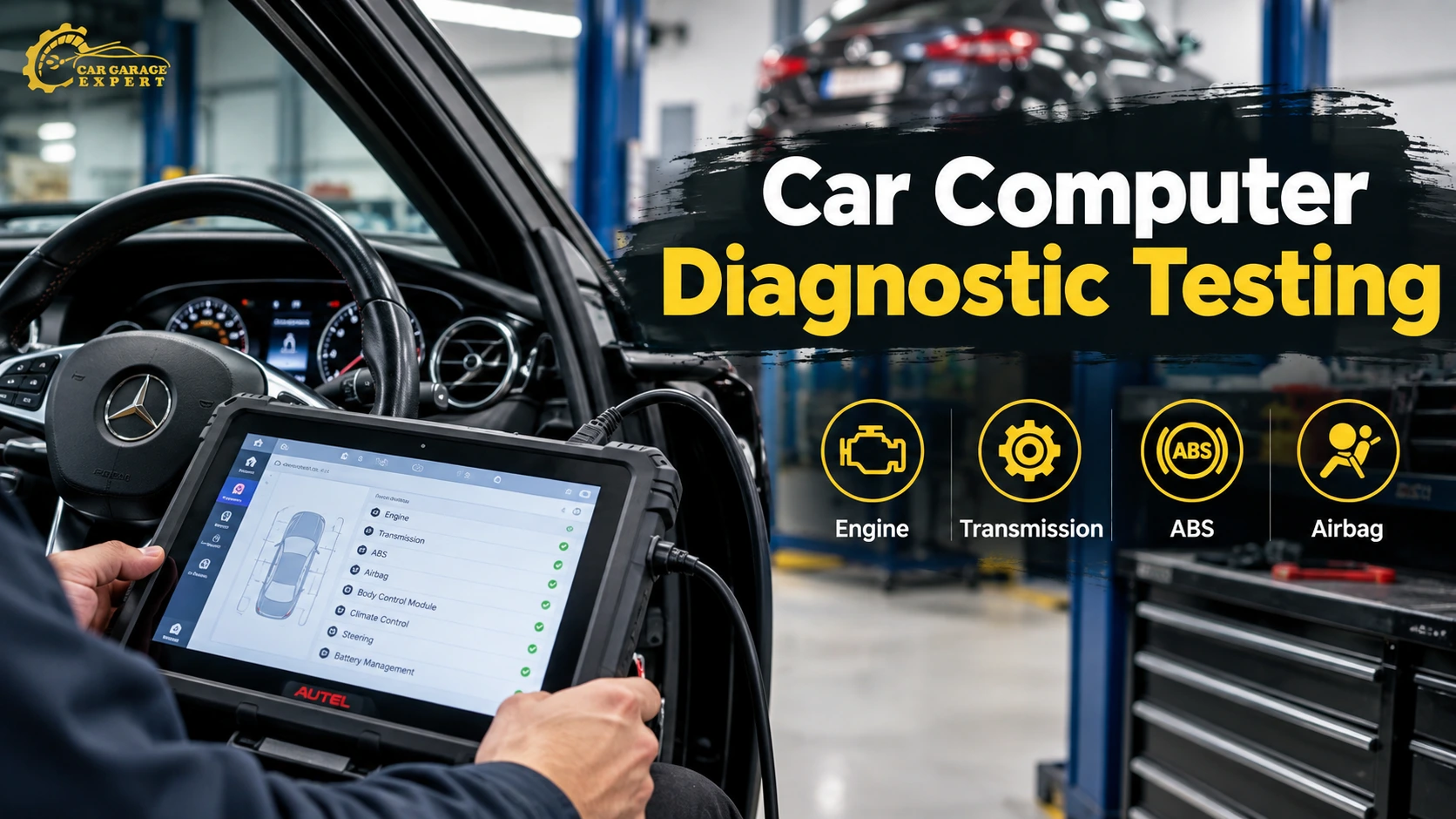
It is true that many Mercedes models, especially those with SBC or advanced ABS units, require diagnostic tools to be bled properly. Most of the time, these systems retain fluid and can’t be fully bled by hand.
Professional shops use monitoring software that works with the equipment’s maker to turn on valves and pumps while Mercedes brake bleeding. This ensures that all the fluid is replaced and prevents air from entering the computer components.
Attempting to bleed such systems without proper tools can leave the brakes feeling spongy and may trigger system warnings.
The Correct Brake Bleeding Process Explained
Inspection and Fluid Assessment
The first thing that technicians do is check the brake fluid, pipes, hoses, and callipers. Before the bleeding starts, any leaks or broken parts must be fixed.
Systematic Bleeding Sequence
Mercedes cars have a set order for bleeding, which usually starts with the wheel that is farthest from the master cylinder and works its way in. This process ensures that all the air is completely removed from the system.
Pressure or Vacuum Bleeding
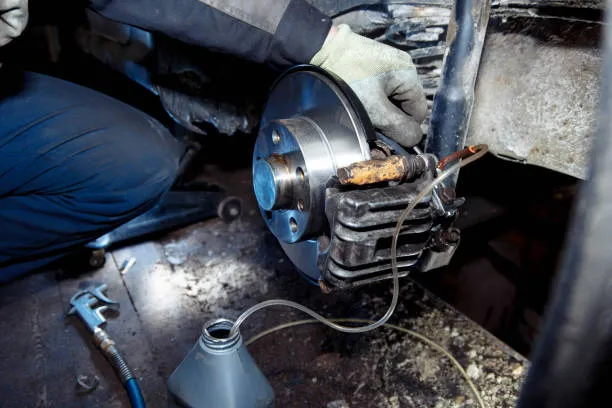
Professional garages use pressure- or vacuum-bleeding equipment for consistent results. This allows for a one-person operation while maintaining controlled fluid flow and preventing air re-entry.
Final System Calibration
After Mercedes brake bleeding, electronic systems are checked, warning lights are cleared if necessary, and pedal feel is tested during a controlled road test.
Can Brake Bleeding Fix Warning Lights?
Most of the time, yes. If there is too much air or hydraulic pressure in the system, it can set off ABS, brake assist, or traction control warning lights. When Mercedes brakes are adequately bled, these problems are often resolved by returning the pressure levels to normal.
But warning lights that won’t go away could mean a broken sensor or a mechanical issue that needs to be looked at by a skilled Mercedes repair shop.
DIY vs Professional Brake Bleeding
It might seem easy to bleed the brakes, but Mercedes features make it even more complicated. There are vacuum bleeding kits that only one person can use. Still, they can’t replace diagnostically controlled Mercedes brake bleeding in current cars.
Professional help makes sure that:
- That the right kind of fluid is used
- Electronic devices are cleared of air.
- The brake balance is back to normal.
- Integrity of the system is checked.
Professional help is always the best choice for systems that need to be safe.
Choosing the Right Garage for Mercedes Brake Service
Looking for a Mercedes garage near me should be more than just a matter of location. Experience, equipment, and professional know-how should be the most important things for owners. A qualified garage will know how Mercedes brakes work and will only do things the way the maker says to.
Car Garage Expert focuses on Mercedes cars and uses the right tools and fluids for advanced Mercedes brake bleeding services. Their mechanics ensure that the mechanical and computer brakes work perfectly together.
How Roadside Assistance Fits Into Brake Safety
If quick problems with the brakes arise, such as a pedal that sinks or warning lights, it might not be safe to keep driving. In this case, Mercedes roadside help will safely pick up your car and take it to a qualified service centre.
Quick care stops more damage and lowers the chance of the brakes not working at all.
Long-Term Benefits of Regular Brake Bleeding
Regular brake bleeding helps:
- Extend brake component lifespan
- Prevent corrosion in brake lines
- Maintain factory-level braking performance
- Protect electronic safety systems
- Increase resale value through proper maintenance records
Over time, this service saves money by preventing premature component failure and major system repairs.
Why Mercedes Brake Bleeding Should Never Be Delayed
Delaying in Mercedes brake bleeding can cause them to lose function over time. What starts as a slightly soft pedal can turn into longer stopping distances, brakes that don’t work right, and system faults.
Regular maintenance will ensure your Mercedes works as it should, whether you’re driving in the city or at highway speeds.
Expert Care Makes the Difference
When it comes to brake systems, you should never skimp. Care, knowledge, and the right tools are critical. Specialists with a good reputation know how the brakes, electronics, and hydraulics in Mercedes cars work together.
Car Garage Expert helps Mercedes owners feel confident in their cars during repairs by communicating clearly, performing accurate diagnostics, and providing professional service.
Conclusion: Safety Starts With Proper Brake Care
The brakes need to work well so that the driver can trust them and keep everyone safe. When you get your Mercedes brake bleeding regularly, any damage to the hydraulic system is repaired. This makes the stopping power better and protects the car’s essential computer systems.
Professional service ensures the job is done right, whether it’s a soft brake pedal, warning lights, or a regular repair. Car Garage Expert is an excellent choice for Mercedes owners who want to work with reliable professionals because they offer a wide range of brake services designed explicitly for Mercedes-Benz cars.
By making brake repair a priority today, you can be sure that your trips tomorrow will be safer. Book your services of Mercedes brake bleeding today.