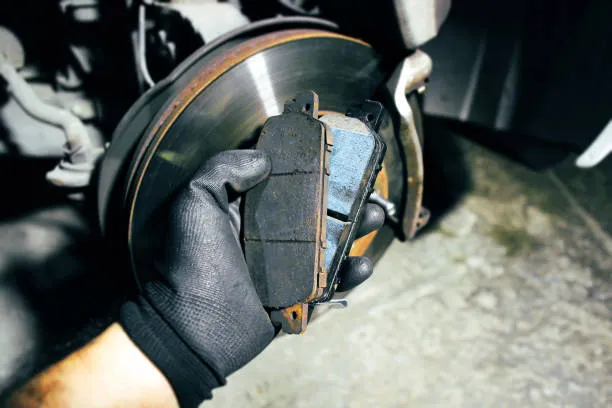
One of the most common parts that need repair on a Mercedes-Benz is the brake pads. They are also some of the least known. Many drivers don’t realise how important it is to properly install, review, and perform follow-up checks on brake pads, as they wear down slowly. A small mistake during the Mercedes brakepad replacement can cause noise problems, uneven stopping, display warnings, or even reduced stopping power.
Mercedes’s braking systems are designed with precise measurements, electronic sensors, and setups unique to each model. Because of this, Mercedes brakepad replacement isn’t as easy as it might look. Knowing what mistakes people usually make and how to avoid them can save you time and money and keep your car safe and easy to drive.
Why Brake Pad Replacement Is More Complex in Mercedes Vehicles
Performance, safety, and comfort are all features Mercedes-Benz cars are designed with in mind. Sensors that measure brake wear, ABS systems, automatic parking brakes, and stability control modules all work together with the brake pads.
In contrast to regular cars, Mercedes stopping systems need:
- Correct pad material selection
- Sensor recalibration or replacement
- Precise torque specifications
- Proper bedding-in procedures
If you skip or mess up any of these steps, Mercedes can change the brake pads. This can make the brakes less effective and cause warning lights to come on.
How to Know When Your Mercedes Needs New Brake Pads
Brake pads don’t usually stop working; they give you signs long before they get terrible. If you notice these early signs, you can keep your brake discs and callipers from getting damaged.
Some common signs that lead to Mercedes brakepad replacement are:
- Squealing or high-pitched noises during braking
- A brake pad warning message on the dashboard
- Reduced braking responsiveness
- Vibrations felt through the steering wheel or brake pedal
Mercedes cars also have electronic monitors that alert drivers when the brake pads are approaching the minimum thickness. Most of the time, ignoring these alerts leads to fixes that cost more later.
One of the Biggest Errors: Waiting Too Long for Mercedes BrakePad Replacement
Holding up, Mercedes brakepad replacement is very common and expensive . When brake pads wear down too far, they damage the brake discs and cause metal-to-metal contact.
Some of the effects of delaying the Mercedes brakepad replacement are:
- Scored or warped brake rotors
- Increased stopping distance
- Risk of caliper damage
- Higher repair costs
Regular checks by skilled Mercedes mechanics help detect wear early and protect the entire braking system.
Mercedes Brakepad Replacement and the Importance of Correct Parts
Another big mistake is using the wrong brake pads. Mercedes cars require special pad compounds designed to work with their weight, stopping power, and electronic systems.
If you use aftermarket brake pads that don’t meet Mercedes’s requirements, they could:
- Excessive brake dust
- Persistent squeaking noises
- Poor heat dissipation
- Reduced braking performance
Professional Mercedes brakepad replacement uses OEM or approved brake pads that meet factory standards.
Why Brakes Squeak After a Pad Change
People often think the pads themselves are the source of noise from new brake pads, but it’s usually due to how they were installed. Some common reasons are:
- Missing or incorrectly installed anti-rattle clips
- Improper lubrication of contact points
- Failure to clean the brake caliper bracket
- Skipping the bedding-in process
A proper bedding process ensures pads and discs fit together correctly, reducing noise and boosting performance over time.
Driving with a Brake Pad Warning Light: Is It Safe?
If the brake pad warning light comes on, it means that the pads are at or past their thinnest point. The car can still stop, but it won’t stop as quickly or as well.
If you drive with the warning light on, you could:
- Sudden loss of braking performance
- Damage to brake discs
- Activation of additional fault codes
If you are moving and the light comes on, you should slow down and get an inspection right away. If you need it, Mercedes roadside support can help you get to a shop safely.
Do Front and Rear Brake Pads Wear at the Same Rate?
Because the weight shifts when you stop, the front brake pads usually wear out faster than the rear pads. Mercedes cars with automatic parking brakes or advanced stability systems, on the other hand, may have different wear patterns.
Some things that affect wear are:
- How you drive
- Conditions of traffic
- A vehicle’s load
- Setting up the brake system
This is why it’s essential to have skilled inspections. When Mercedes brakepad replacement are done, experts check all four corners to ensure the brakes work correctly.
Mercedes Brakepad Replacement and DIY Inspection Mistakes
Many people try to inspect the brake pads without removing the wheels. This might give you a general idea, but it’s not always right.
Some common mistakes people make when they do their own inspections are:
- Not estimating pad thickness
- Not seeing the inner pad wear
- Not noticing broken sensors
- Missing uneven wear from the callipers that won’t move
For a correct assessment, you usually need a lift and the right tools. Depending only on eye checks can cause replacements to happen too soon or not at all.
DIY Brake Pad Replacement: Where Things Often Go Wrong
Changing your own brake pads might seem like a good way to save money, but Mercedes systems come with risks that many do-it-yourself guides don’t talk about.
Common do-it-yourself mistakes are:
- Not enough pressure on the calliper bolts
- Not replacing or resetting wear sensors
- Not properly lowering the calliper pistons
- Using the wrong brake oil
- Not doing test runs or bedding procedures
Professional Mercedes brakepad replacement is still the safest and most reliable way to get consistent results. Still, experienced fans may be able to do simple replacements themselves.
Step-by-Step Overview: Professional Brake Pad Replacement Process
Most of the time, a skilled Mercedes brakepad replacement service includes:
- A diagnostic scan to see how the brake system is working
- Remove the wheels and check the brake callipers.
- How to measure the width of a pad or disc
- Cleaning and greasing the points of touch
- Putting in the right sensors and pads
- Checking the torque and resetting the machine
- Testing on the road and the bedding-in process
This organised method ensures dependability, safety, and long-lasting performance.
Understanding Vibrations During Braking After Pad Replacement
Sounds that happen after replacement are often caused by:
- Uneven pad bedding
- Warped brake discs
- Contaminated friction surfaces
When professionals replace Mercedes brake pads, they check for disc runout, clean the surfaces, and advise on how to drive safely during the initial bedding-in period.
How Often Should Mercedes Brake Pads Be Replaced?
The life of brake pads depends on how you drive, but here are some standard intervals:
- Front pads: 25,000–40,000 miles
- Rear pads: 40,000–60,000 miles
Driving in cities, frequent stops, and being pushy all shorten a car’s lifespan. Regular checks by reliable Mercedes techs help figure out the best time.
Cost of Mercedes Brake Pad Replacement in Dubai
Prices vary by model, pad type, and labour rates. Usually, a professional service has these parts:
- Genuine brake pads or OEM-quality brake pads
- Changing the wear sensor
- Diagnostics and work
Professional services may seem more expensive at first. Still, they save you money in the long run by keeping your discs and callipers from getting damaged.
Choosing the Right Workshop Matters
Some auto shops don’t know how to fix Mercedes brake systems. Why picking a dependable Mercedes garage near me is crucial:
- Correct tools and diagnostics
- Experienced technicians
- Proper documentation
- Manufacturer-aligned procedures
This makes it much less likely that the problem will happen again after replacing the Mercedes brake pads.
Why Professional Testing After Replacement Is Essential
A test drive proves:
- The right way to use brakes
- Not making any noise or vibrations
- Correct working of the sensor
- Balanced braking ability
If you skip this step, you might miss problems that could put your safety at risk.
Conclusion: Avoid Costly Mistakes with Expert Care
Even though brake pads seem like an easy part, if you don’t do it right, the whole braking system can be affected. When replacing Mercedes brake pads, it’s important not to make common mistakes. This will protect your safety, your car, and your investment.
At Car Garage Expert, Mercedes users get thorough checks, the right parts, skilled craftsmanship, and clear service. Whether you’re reacting to a warning light, hearing strange noises, or planning routine maintenance, hiring experienced professionals for Mercedes brakepad replacement will give you peace of mind and ensure that every drive runs smoothly.
You should get professional care for your Mercedes, and your brakes should, too.