The Dodge Challenger is famous for its raw power and smooth driving experience, but even strong muscle cars can develop mechanical issues over time. One of the most serious problems owners face involves the transmission system. Knowing when Dodge Challenger Transmission Repair symptoms appear can help you avoid major breakdowns and expensive damage.
Transmission issues often start small and grow worse if ignored. This guide explains common warning signs, what causes them, and when professional repair becomes necessary to keep your Challenger driving safely and smoothly.
Why the Transmission System Is So Important
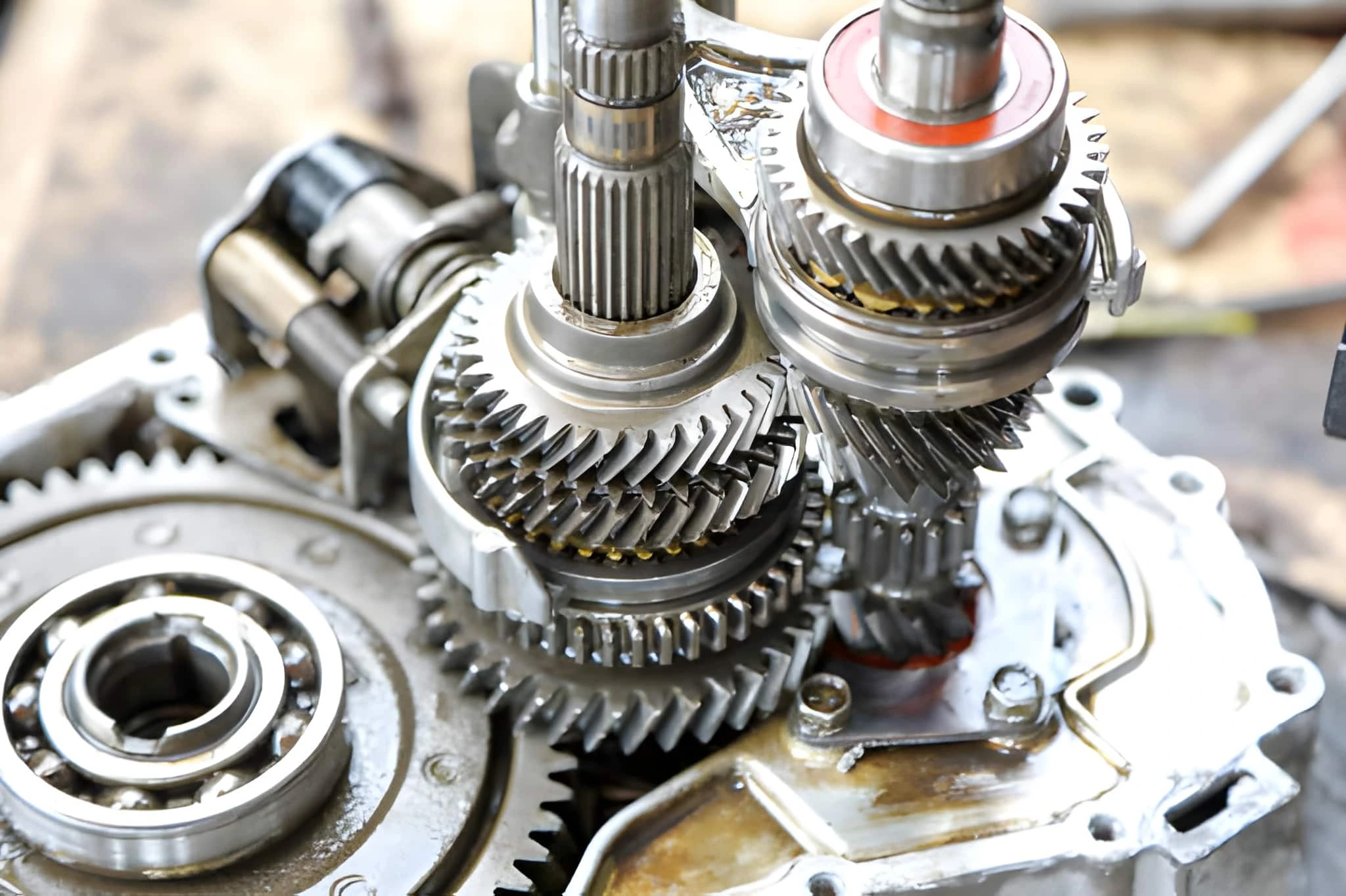
The transmission controls how power moves from the engine to the wheels. It ensures smooth gear shifting, proper acceleration, and efficient fuel usage. When transmission components wear out or fail, driving becomes unsafe and unpredictable.
Ignoring early Dodge Challenger Transmission Repair signs can result in complete transmission failure, which is one of the most costly automotive repairs.
Common Early Dodge Challenger Transmission Repair Warning Signs
Most transmission problems show clear symptoms before total failure. Paying attention to these signs can save time and money.
Delayed or Rough Gear Shifting
If your Challenger hesitates when shifting gears or jerks during acceleration, it may indicate internal transmission wear. This is often one of the first Dodge Challenger Transmission Repair symptoms drivers notice.
Transmission Slipping While Driving
Transmission slipping happens when the vehicle unexpectedly changes gears or loses power during acceleration. This issue affects driving control and should never be ignored.
Slipping usually signals worn clutch components or low transmission fluid, both of which require immediate inspection.
Unusual Noises During Gear Changes
Grinding, whining, or humming sounds while shifting gears often indicate damaged internal parts. These sounds suggest that Dodge Challenger Transmission Repair may be required soon to prevent further damage.
Transmission Fluid Leaks Under the Vehicle
Transmission fluid leaks are a serious concern. If you notice red or dark fluid under your car, it may point to seal or gasket failure.
Visiting a trusted Garage Near Me ensures leaks are diagnosed early before they cause overheating or internal damage.
Burning Smell While Driving
A burning smell often indicates overheating transmission fluid. Overheated fluid loses its lubricating ability, increasing friction and internal wear.
Once this smell appears, Dodge Challenger Transmission Repair should not be delayed.
Warning Lights on the Dashboard
Modern Dodge Challengers use sensors to monitor transmission performance. A warning light or check engine light may indicate transmission-related faults.
A qualified Car Mechanic Near Me can scan the system and identify problems accurately before they worsen.
Difficulty Engaging Gears
If your vehicle struggles to go into drive, reverse, or park, internal transmission components may be worn or damaged.
This symptom often means Dodge Challenger Transmission Repair is no longer optional and must be addressed immediately.
Causes Behind Transmission Problems
Understanding the causes helps prevent future failures. Common causes include:
- Low or contaminated transmission fluid
- Overheating due to heavy driving
- Delayed maintenance
- Worn clutch plates or bands
- Faulty sensors or solenoids
Regular servicing helps detect these issues early.
How Driving Habits Affect Transmission Health
Aggressive driving, sudden acceleration, and frequent towing increase transmission stress. Over time, this accelerates wear and increases the need for Dodge Challenger Transmission Repair.
Smooth driving habits and timely maintenance greatly extend transmission life.
Dodge Challenger Transmission Repair and Safety Risks
Transmission failure affects vehicle control. Sudden loss of power or unexpected gear changes increase accident risk, especially at high speeds.
When these symptoms appear, relying on Roadside Assistance may be necessary to avoid driving an unsafe vehicle.
Importance of Professional Diagnostics
Transmission systems are complex. Guesswork repairs often cause more harm than good. Professional diagnostics use advanced tools to pinpoint issues accurately.
A certified workshop can determine whether Dodge Challenger Transmission Repair involves fluid service, part replacement, or complete overhaul.
Mobile vs Workshop Transmission Services
Minor inspections may be handled by a Mobile Car Mechanic, but major transmission repairs require a fully equipped workshop.
Professional facilities offer lifts, diagnostic scanners, and specialized tools essential for transmission work.
Preventive Maintenance for Transmission Longevity
Preventive care reduces repair risks. This includes:
- Regular fluid checks
- Timely fluid replacement
- Software updates for automatic transmissions
- Early response to warning signs
Routine maintenance often prevents major Dodge Challenger Transmission Repair expenses.
Transmission Repairs vs Replacement
Not all transmission problems require full replacement. Many issues can be fixed through targeted repairs if caught early.
Delaying service often turns minor fixes into complete rebuilds, significantly increasing costs.
How Transmission Issues Affect Fuel Efficiency
A failing transmission struggles to maintain proper gear ratios, forcing the engine to work harder.
Prompt Dodge Challenger Transmission Repair restores efficiency and smooth power delivery.
Additional Vehicle Inspections During Repair
Reputable workshops inspect related systems during transmission service. These include mounts, driveshafts, cooling systems, and electronic controls.
Comprehensive car garage services ensure overall vehicle safety and performance.
Cosmetic Checks After Transmission Work
Leaks or underbody damage may affect exterior components. Workshops that also offer
Car Painting can restore any affected areas professionally.
Attention to detail reflects overall service quality.
Cost of Ignoring Transmission Symptoms
Ignoring symptoms may save money initially but leads to much higher expenses later.
Timely Dodge Challenger Transmission Repair prevents breakdowns, towing fees, and complete system replacement.
How Often Should Transmission Fluid Be Checked?
Transmission fluid should be checked at least once a year or during routine servicing.
Clean fluid is critical for reducing heat and friction, delaying the need for Dodge Challenger Transmission Repair.
Signs That Immediate Repair Is Needed
Seek professional help immediately if:
- The car refuses to move
- Gears slip constantly
- Warning lights flash
- Burning smells persist
These indicate severe transmission damage.
Choosing the Right Repair Workshop
Select a workshop with:
- Transmission repair experience
- Advanced diagnostic tools
- Clear pricing
- Warranty-backed service
Quality workmanship ensures long-term reliability.
Conclusion: Book Transmission Repair Before It Gets Worse
Transmission problems rarely fix themselves. Recognizing early Dodge Challenger Transmission Repair symptoms protects your safety, performance, and wallet. Delaying action only increases damage and repair costs.
If your Dodge Challenger shows any transmission warning signs, book an inspection with Car Garage Expert today. Their experienced technicians, advanced diagnostics, and honest service ensure reliable repairs you can trust. Schedule your appointment now and keep your Challenger driving strong and smooth.