A Mercedes steering wheel that makes noise is more than just a bothersome sound—it’s often a sign that something is wrong with the power steering system. One of the most common reasons is steering oil that is old, dirty, or insufficient. When you do your Mercedes steering oil replacement correctly, it makes the car run more smoothly, keeps it safer, and prevents expensive damage.
If you hear squeaks, groans, or have trouble turning the wheel, it’s essential to know what steering oil does and when to change it. This guide looks at symptoms, causes, costs, maintenance tips, and expert solutions to help you keep your Mercedes safe and comfortable to drive.
Understanding Steering Oil in Mercedes Vehicles
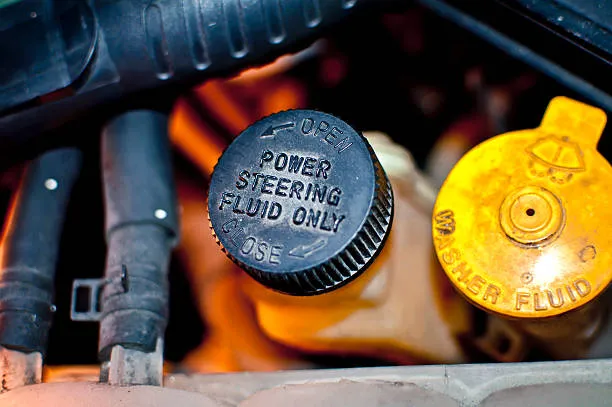
Power steering systems in Mercedes cars require high-quality steering oil, also known as power steering fluid, to help the wheels move smoothly. The steering oil:
- Reduces friction in the steering rack
- Lubricates internal components
- Maintains hydraulic pressure for responsive steering
- Protects the steering pump and rack from wear
Over time, steering oil can break down, pick up dirt, or leak, which can make the steering wheel noisy or stiff. By spotting these early warning signs, you can act quickly and avoid costly fixes.
Why Your Mercedes Steering Feels Noisy or Heavy
There are a few things that can make the turning noisy or hard to turn:
Old or Contaminated Steering Oil
Over time, dirt, metal shavings, and other debris accumulate in the steering oil. This thickened, darkened oil lowers lubrication, causing groaning or whining noises when turning.
Low Steering Oil Levels
If your Mercedes has a leak or insufficient oil, the steering pump struggles to keep pressure. This results in stiff or jerky steering and strange noises.
Worn Steering Components
Even with good fluid, a worn rack, pump, or bearings can increase noise. However, replacing steering oil often resolves minor symptoms and avoids further wear.
Signs Your Mercedes Needs Steering Oil Replacement
If you recognize the danger signs, you can prevent damage to the steering system. Some common signs are:
- Squealing or whining noises when turning
- Stiff or jerky steering at low speeds
- Steering wheel vibration or pulsation
- Power steering warning light illuminated
- Dark or dirty steering fluid is visible in the reservoir
Qualified techs should check your Mercedes steering oil replacement regularly to ensure it stays smooth and reliable.
How Often Should Steering Oil Be Changed in a Mercedes?
Mercedes recommends checking and replacing the steering oil regularly, usually every 40,000 to 60,000 miles. However, this depends on the model and how you drive. Heavy traffic, frequent tight turns, or towing can accelerate oil degradation, so it needs to be replaced more often.
Your Mercedes garage, a trusted service provider, or I can give you exact plans and check the fluid for wear or contamination.
Can I Top Up Steering Oil Myself?
In theory, it’s easy to add more steering oil, but having a professional Mercedes steering oil replacement makes sure:
- Correct oil type specific to your Mercedes model
- Proper flushing of old, contaminated fluid
- Air bubbles removed from the system
- Accurate pressure calibration
If you try to do your own top-ups without the right tools, you could end up with air in the system, leaks, or more noise. Mercedes workers you can trust, like the ones at Car Garage Expert, do safe, reliable work.
Step-by-Step Overview of Steering Oil Replacement
Usually, Mercedes steering oil replacement by a professional means:
Inspecting Steering Oil
Checking the amount, colour, and contamination of the oil.
Flushing Old Oil
Getting rid of all contaminated or weak fluids.
Replacing Filters (If Applicable)
Some Mercedes models have steering filters to remove debris.
Refilling with Correct Steering Oil
Use the fluid made for your Mercedes car.
Bleeding the System
Making sure there are no air bubbles left, which could change how the handling works.
Testing and Calibration
Making sure the turning is smooth and noiseless, and that the hydraulic pressure is correct.
During this process, professional workshops also check the hoses, racks, and pumps for leaks or wear. This keeps things from getting worse.
FAQ’s About Mercedes Steering Oil Replacement
Q1. Why Is My Mercedes Steering Wheel Hard or Stiff?
When the steering oil is dirty or low, it leads to increased contact in the system. When replacements are performed correctly, fluid pressure and lubrication are restored, making the steering more sensitive.
Q2. What Happens If I Keep Driving With Old or Low Steering Oil?
Driving for a long time with dirty or low steering oil can damage the steering pump and rack, which can be costly to fix and put people’s safety at risk.
Q3. How Can I Tell If My Steering Oil Is Dark or Contaminated?
Take a look at the pond. Most of the time, new Mercedes steering oil is clear or light yellow. If the fluid is dark, cloudy, or appears metallic, it needs to be replaced.
Q5. Can I Perform a Flush at Home Without Tools?
Home cleaning is possible, but there is a chance that the air will get stuck and the fluid levels will be off. Professional Mercedes Steering Oil Replacement ensures the flush is complete, safe, and effective.
Q6. What Type of Oil Should I Use?
Always use the steering oil approved by Mercedes. If you use the wrong fluids, your system could make noise, not work well, or even fail.
Cost Considerations for Mercedes Steering Oil Replacement
The cost of Mercedes steering oil replacement varies depending on:
- Mercedes model and steering system type
- Amount of fluid required
- Any additional repairs or filter replacements
Most of the time, replacing a steering rack or pump is cheaper than fixing a broken one. Finding a qualified Mercedes garage near me is the best way to make sure you get fair prices and good service.
Why Expert Mercedes Steering Oil Replacement Matters
Modern Mercedes cars depend on precise hydraulic and electronic systems, so they need expert repair. Professional mechanics for Mercedes:
- Use the correct oil and tools
- Perform full system flushes and bleeding
- Inspect steering components for early signs of wear
- Ensure steering feels smooth, quiet, and responsive
If you try to do self-service without knowing how, you could cause more damage, create noise, or cause the system to fail. If you choose a service you can trust, like Car Garage Expert, you can be sure of safety and dependability.
When to Contact Mercedes Roadside Assistance
If turning on your Mercedes suddenly feels stiff, noisy, or unresponsive while driving
- Avoid driving long distances
- Pull over safely
- Contact Mercedes roadside assistance to transport your vehicle to a trusted garage
This prevents excess wear and potential crashes and ensures a professional evaluation.
Preventive Tips for Steering Oil Maintenance
- Regularly inspect the oil level and color
- Address unusual noises promptly
- Replace oil according to Mercedes schedules
- Use certified Mercedes mechanics for all steering maintenance
- Keep an eye on warning lights and respond quickly
Regular maintenance keeps steering parts in good shape and helps you avoid costly repairs.
Conclusion: Trust Car Garage Expert for Mercedes Steering Oil Replacement
Mercedes cars often have noisy drivetrains, but these problems can be fixed. When you replace Mercedes steering oil correctly, the steering becomes smooth, quiet, and safe again, and the pump, rack, and other parts connected to it are protected.
At Car Garage Expert, our skilled Mercedes mechanics use manufacturer-approved fluids and modern diagnostic tools to give you professional, dependable service. Our team will make sure that your steering works like new, whether you need a full flush, a check, or system calibration.
Do not wait if you find that the steering wheel is noisy, stiff, or has low fluid levels. For skilled Mercedes Steering Oil Replacement and peace of mind on every drive, call Car Garage skilled today. They are the trusted Mercedes garage near me.