Electrical trouble in a Dodge Charger doesn’t always start with something dramatic. Small things can be the first sign. For example, a window might move more slowly, a warning light might flash for thirty seconds, or the headlights might dim for a moment when you hit the brakes. Sometimes things get worse faster than expected. If someone smells something burning, hears a clicking sound behind the dashboard, or can’t get their engine to start, they should get Dodge Charger Electrical Repair right away.
Charger models—especially those driven regularly in warmer places like Dubai—deal with more electrical stress than most drivers realize. Heat, dust, humidity, modifications, weak grounds, aging wiring, or a failing alternator can all set off a chain of unexpected issues. And once one component begins to fail, the rest of the electrical system often follows.
This guide breaks everything down in a practical way.
No fluff—just what typically goes wrong, how to spot real electrical danger, and what fixes actually work. Along the way, you’ll learn when to call a technician, when a DIY check makes sense, and when the smarter choice is to let a professional handle it through reliable workshop services. If you ever need quick help, options like dodge roadside assistance or even a dodge mobile car mechanic can be life-savers in urgent situations.
Dodge Charger Electrical Repair for Common Everyday Failures
Most owners assume electrical failures are sudden. Sometimes they are—but in many cases, the car has already been giving warning signs for weeks. Slow starts, flickering screens, or intermittent sensor glitches shouldn’t be ignored.
Inside a Charger’s system, several fragile connections depend on steady voltage. The battery, modules, sensors, wire harnesses, and alternator are all always talking to each other. The whole system feels it if something becomes shaky. That’s why skilled dodge workers always check the parts that hold the car together, not just the broken part.
Here are the issues most Charger owners see first:
- Battery dying repeatedly
- Extreme heat alone can destroy a battery months earlier than expected. If your Charger sits outside in Dubai’s sun, don’t be surprised if voltage drops much faster than it should.
- Dashboard warning lights are acting strangely.
- A loose ground or weak alternator can make the dashboard behave like it’s running its own show. FPS, ABS, airbag, and traction control—any of these can flicker from something as simple as voltage instability.
- Headlights dimming or flickering
- This usually means the alternator isn’t regulating power properly. Left unchecked, the car will eventually stall.
- Power windows are refusing to move.
- Dirt inside the switches, overheated motors, or weak grounding points can all cause windows to get stuck.
These problems might seem unrelated, but when you zoom out, they’re all part of the same bigger system. Addressing them early prevents expensive future headaches and reduces the need for deep, complicated Dodge Charger Electrical Repair procedures.
What Sets Off Sparks or Burning Smells?
Electrical sparks are serious. If you ever see or smell something unusual, the safest step is to park immediately.
Dodge Charger Electrical Repair for Spark, Smoke, or Melting Odors
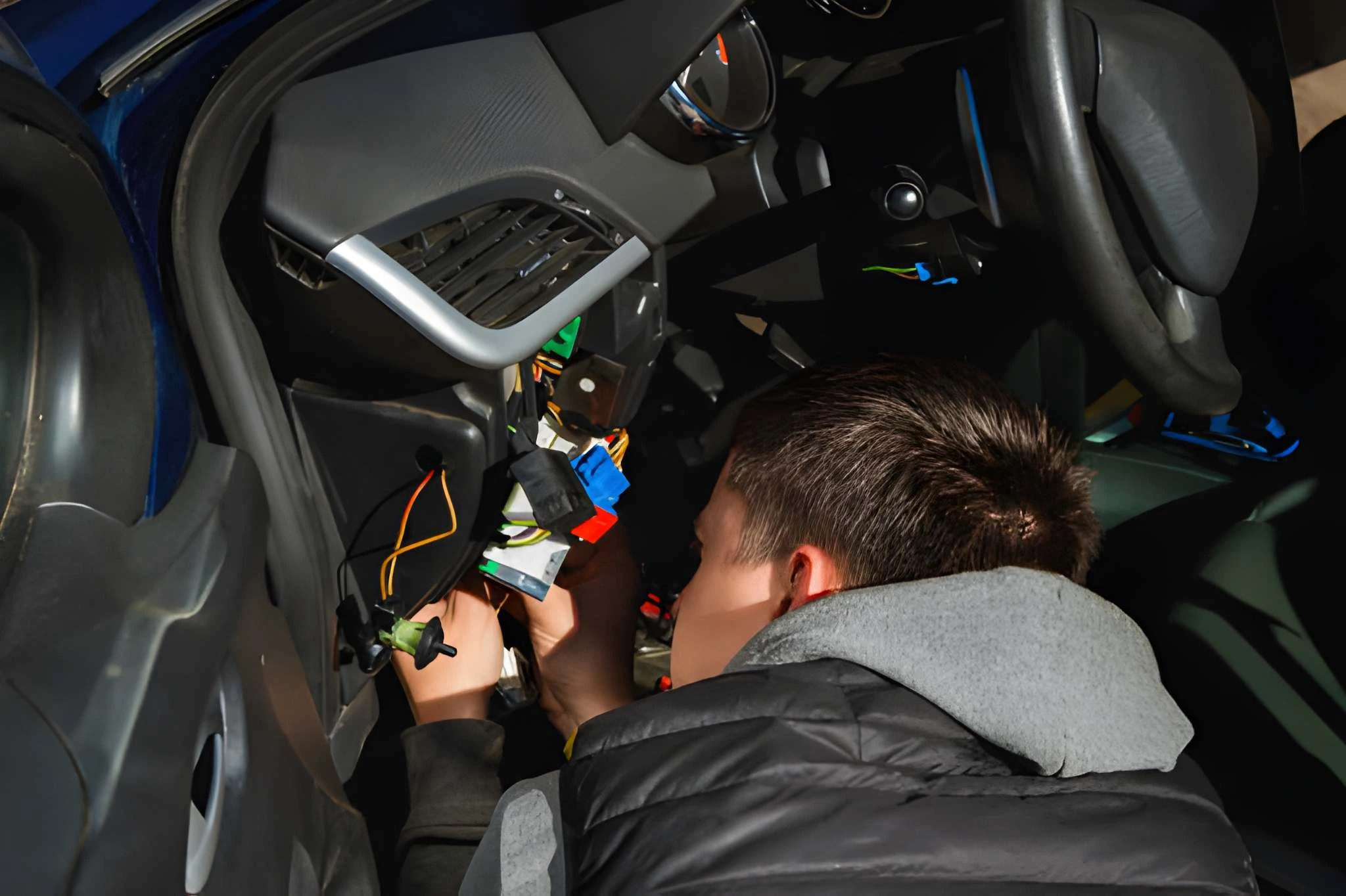
When sparks appear under the hood or behind the dashboard, the car is telling you something is dangerously wrong. Faulty wiring insulation, an overloaded circuit, or a shorted accessory can heat up rapidly. Chargers with aftermarket sound systems, LED lights, or remote starters see these problems more often because installations aren’t always done correctly.
A burning smell behind the radio, smoke near the battery terminals, or sizzling sounds near the fuse box mean something is overheating. In these cases, don’t push your luck. Even if the car still drives, a short circuit can escalate into a fire without much warning.
If you’re close to home or work, searching for help from a dodge car mechanic near me becomes a priority. If the situation looks risky, it’s better to get assistance through dodge roadside assistance service to avoid further damage.
What the Fuse Box, Alternator, and ECM Have to Do With Frequent Failures
Many Charger electrical repairs begin with three locations:
The fuse box, the alternator, and the car’s ECM.
1. Fuse Box Problems
Fuses protect the system from overload. If you find yourself replacing the same fuse more than once, it’s not the fuse—it’s the wiring. Misplaced fuses, corroded terminals, or a cracked plastic box are more common than people think. A professional technician usually spots this in minutes.
2. Alternator Weakening Gradually
An alternator in a Dodge rarely breaks down overnight. They slowly stop working as well, which leads to dim lights, dead batteries, and strange error codes. Most of the time, the alternator is already worn out when people look for Dodge Charger Electrical Repair.
3. ECM Repairs vs. Replacements
This part of the Charger, called the ECM, is like its brain. When it gets too hot or the power drops, it starts to misfire, have sensor problems, and suddenly stops working. Sometimes resetting or fixing the board inside works, but other times the only way to fix it is to replace it. A technician figures out which way makes the most sense. Prices vary based on the year and condition of the vehicle. A technician evaluates which route makes sense—costs vary depending on model year and condition.
How Much Dodge Charger Electrical Repair Typically Costs
Dodge Charger Electrical Repair pricing depends heavily on what failed:
- Minor wiring fix: often low-cost
- Alternator replacement: moderate
- ECM repair/replacement: higher
- Complete wiring harness replacement: expensive, but rare
The most important thing is to get a correct diagnosis because electricity problems often hide below the surface. A good expert doesn’t jump to conclusions; they carefully look into the issue. Technicians with a lot of experience are very useful because they know how the whole system works, not just its parts.
If you prefer something convenient, workshops that also offer dodge mobile car mechanic services can check these issues at your home if the car won’t start or move safely.
What You Can Safely Check Yourself Before Calling a Technician
Some electrical tasks are simple enough for owners to check:
- Battery terminals
- Visible wires near the battery or headlights
- Fuses (but don’t bypass them)
- Loose grounding points
- Aftermarket accessories are causing overload
- Moisture under floor mats
If none of this solves the issue, continuing DIY repair can create bigger electrical failures. That’s the moment to involve a garage familiar with Dodge systems—especially one skilled in full car garage services, including wiring, module diagnostics, alternator tests, and more.
Painting and Electrical? Yes, They’re Connected
When drivers talk about electrical trouble, they don’t usually think about paint. But if you don’t finish or sand your Dodge car well enough, you could damage grounding spots, which could cause voltage problems you didn’t expect. Not often, but it does happen in groups that are in a hurry.
So, picking a workshop that knows how to do dodge car painting, wiring, and building work all at the same time is always a good way to avoid electricity problems down the road.
Why Finding a Reliable Workshop Matters More Than You Think
When electrical problems keep returning, the issue often isn’t the car—it’s the workshop. Many garages only replace parts, not diagnose root causes. That’s why more Dodge owners look up trusted locations such as a reputable dodge garage near me with technicians who specialize in Charger systems for Dodge Charger Electrical Repair.
Some workshops treat electrical faults like guesswork, throwing parts at the car until something works. A skilled specialist, on the other hand, isolates the problem with proper diagnostic tools and experience.
If your car shuts down on the road or refuses to start, reliable dodge roadside assistance or a mobile mechanic helps you avoid towing or longer delays.
Conclusion: Dodge Charger Electrical Repair Now Saves You
Electrical trouble in a Dodge Charger rarely stays the same. Small glitches turn into major failures if left unchecked. Whether you’re dealing with sparks, battery drain, dim lights, faulty sensors, or a dead start, proper Dodge Charger Electrical Repair ensures you stop the problem before it spreads to the alternator, ECM, or wiring harness.
If you want a workshop that handles electrical diagnostics the right way—slow, careful, and thorough—Car Garage Expert in Dubai is a smart place to start. They deal with Charger electrical issues daily, from minor wiring faults to full module repairs. You can book an appointment, bring your car in anytime, or even request mobile service if the vehicle isn’t starting.
Your Charger deserves repairs that last, and Car Garage Expert gives you exactly that.