Driving a Corvette is all about performance, precision, and comfort. But a broken AC system can quickly ruin the experience, especially in hot weather when the cabin heats up fast.
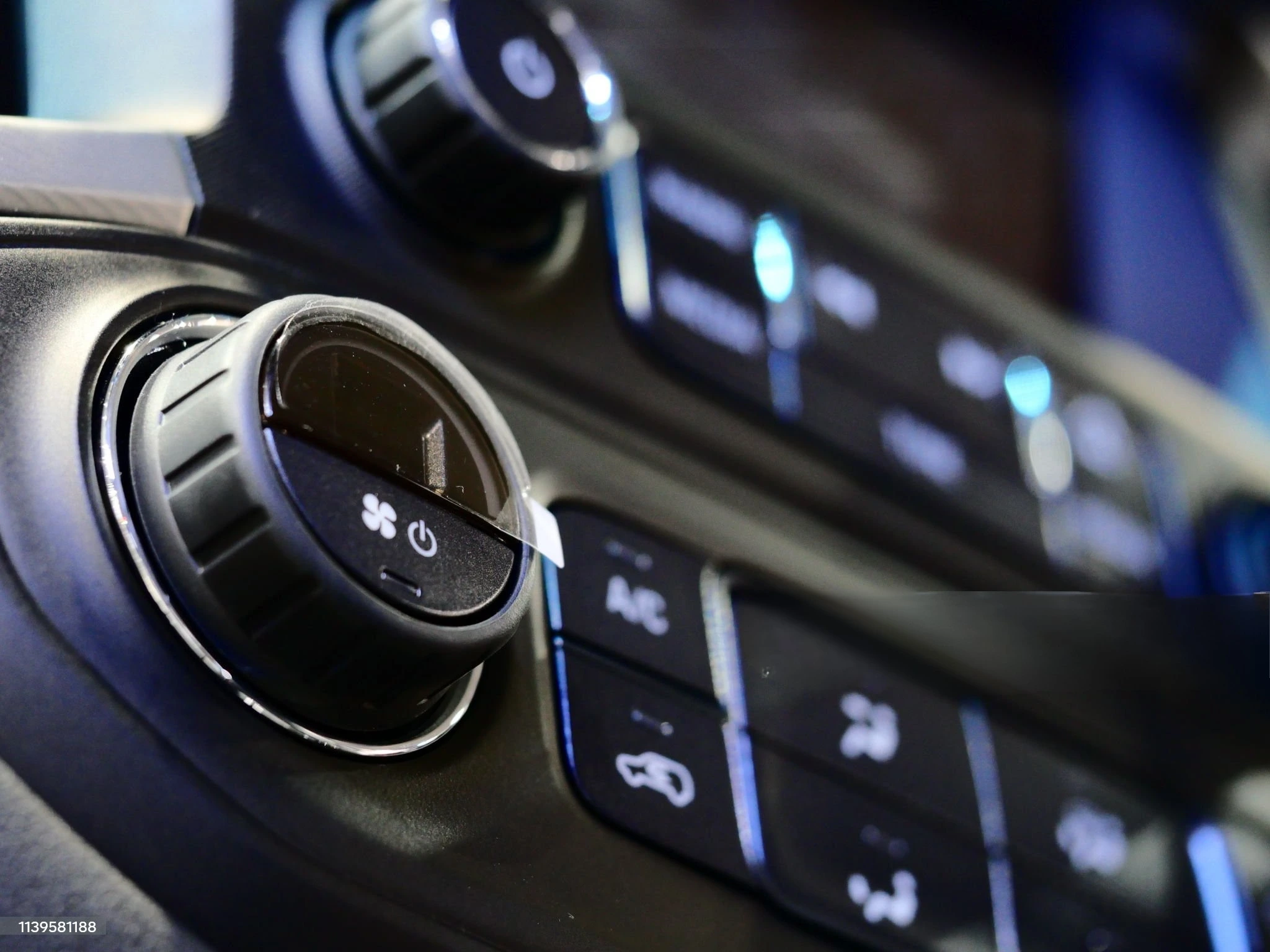
The Corvette AC Climate Control system is designed to maintain precise interior temperature using sensors, electronic controls, refrigerant circulation, and airflow management. When it fails, the problem may range from weak cooling to a complete system shutdown.
Many Corvette owners think the problem is just low refrigerant, but it often turns out to be compressor damage or a faulty climate module. Finding the real cause saves time and money and avoids replacing parts you don’t need.
This guide covers common problems, how to diagnose them, repair options, and maintenance tips to keep your Corvette’s cabin cool and comfortable.
Why the Corvette AC Climate Control System Fails
The Corvette AC Climate Control system is more advanced than a basic air conditioning unit. It integrates:
- AC compressor
- Condenser
- Evaporator
- Climate control module
- Temperature sensors
- Refrigerant lines
- Cabin air filters
Problems can occur due to electrical faults, refrigerant leaks, worn parts, or sensor issues.
Common causes include:
- Refrigerant leaks
- Compressor clutch failure
- Clogged condenser
- Blocked evaporator
- Electrical control faults
- Blown fuses or relays
When you notice symptoms, it’s important to correctly diagnose the problem rather than guess.
If your AC stops working while you’re driving, especially in very hot weather, it’s best to call for Roadside Assistance to avoid more damage.
Corvette AC Climate control system: Step-by-Step Diagnosis and Repair
Following a step-by-step diagnostic process helps you avoid mistakes.
1. Check Refrigerant Level (Corvette ac gas refill)
Low refrigerant levels are a common cause of weak cooling. Refilling the gas can fix the problem if there isn’t a leak.
But refrigerant doesn’t just disappear on its own. If the level is low, there’s probably a leak that needs fixing before you refill it.
2. Inspect for Leaks
Technicians use UV dye or electronic detectors to detect leaks in hoses, the condenser, or the evaporator.
If the front cooling unit is damaged, you might need to replace the Corvette AC condenser.
3. Test the Compressor
The compressor is the main part of the system. Signs it’s failing include:
- Clicking noise
- AC not engaging
- Warm air despite full refrigerant
In these situations, you may need to replace the Corvette AC compressor.
4. Evaluate the Evaporator
If you notice a musty smell or weak airflow, you might need to replace the Corvette AC evaporator due to a blockage or leak inside.
5. Perform Corvette AC system flushing
If metal debris gets into the system, often after a compressor fails, it’s important to flush the Corvette AC system before adding new parts.
6. Check Climate Control Electronics
Modern Corvettes use digital modules to automatically regulate temperature. Faulty sensors or modules can disrupt the Corvette AC Climate control system even when mechanical components are fine.
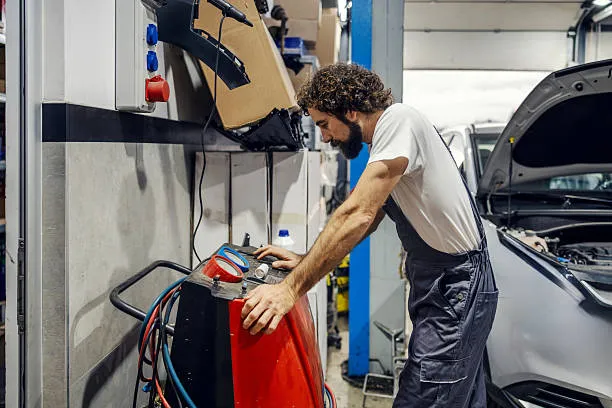
Professional diagnostics at a car garage expert use advanced scanning tools to find the exact problem.
Common Symptoms and What They Mean
Knowing the symptoms helps you find the right fix.
Weak Cooling
Possible causes:
- Low refrigerant
- Dirty condenser
- Failing compressor
No Airflow
Possible causes:
- Blower motor failure
- Blocked cabin filter
- Electrical fault
Hot Air Only
Possible causes:
- Climate control module malfunction
- Blend door actuator failure.
AC Works Intermittently
Possible causes:
- Loose wiring
- Failing compressor clutch
- Sensor malfunction
Each of these issues may require attention to the Corvette AC Climate Control system to restore full functionality.
Repair vs Replacement: What’s the Best Option?
Not every failure requires full replacement.
- Minor leaks → Seal repair + gas refill
- Compressor damage → Replacement recommended
- Electrical issue → Module recalibration
- Contamination → System flushing
Searching for a Garage Near Me will give you many choices, but it’s important to pick technicians who know high-performance cars.
At the car garage, they always diagnose the problem first and only replace parts if needed.
Can You Drive With a Faulty AC System?
While driving without AC won’t immediately damage the engine, ignoring the Corvette AC Climate control system issues can cause:
- Compressor seizure
- Belt damage
- Electrical overload
- Increased fuel consumption
If the system fails suddenly and you hear strange noises, stop driving and call for roadside help to avoid further damage. Maintenance reduces major repairs.
- Run AC weekly (even in winter)
- Replace the cabin filter annually.
- Inspect refrigerant levels yearly.
- Clean condenser fins
- Schedule professional Corvette ac services every 12 months
Getting regular inspections at a car garage expert helps catch small problems before they turn into bigger ones.
Electrical Problems in the Climate Module
Digital climate systems rely on sensors measuring:
- Cabin temperature
- Ambient temperature
- Sunlight intensity
If these sensors malfunction, the Corvette AC Climate Control system may behave unpredictably.
Recalibration or software reset often resolves such issues without part replacement.
If you see warning lights on your dashboard, look for a qualified Car Mechanic Near Me who can run diagnostic scans.
When Compressor Replacement Is Necessary
Compressor replacement becomes unavoidable if:
- There’s an internal seizure.
- Metal shavings are present.
- A loud grinding noise occurs.
- The AC clutch fails completely.
In these situations, you must clean the entire system and flush the Corvette AC to prevent the problem from recurring.
Why Professional Service Matters
Corvette systems are built differently from those in regular cars. Using the wrong refrigerant pressure or oil level can damage the parts.
A Mobile Car Mechanic can help in emergencies, but complex AC repairs require specialized equipment found in a workshop.
At the car garage, certified technicians follow the manufacturer’s guidelines to ensure repairs are done correctly.
AC System and Exterior Damage
If your Corvette has experienced front-end damage, airflow to the condenser may be restricted. In such cases, combining mechanical repair with cosmetic restoration, such as
Car Painting ensures both performance and appearance are restored.
Frequently Asked Questions
Why is my Corvette AC blowing warm air?
Most likely low refrigerant, compressor failure, or climate module issue.
How long does AC repair take?
Basic service: 1–2 hours. Major replacements: 1–2 days.
Does AC gas need regular refilling?
No. If the refrigerant is low, there is usually a leak.
Is compressor replacement expensive?
Yes, but delaying repair may increase overall costs.
Can electrical faults stop cooling?
Yes. Faulty sensors can disrupt the Corvette AC Climate Control system.
Signs You Should Act Immediately
- Loud compressor noise
- Burning smell
- Visible refrigerant leak
- AC clutch not engaging.
- Temp: If you ignore these signs, a small repair can turn into needing to replace the whole system.full system replacement.
Final Thoughts: Restore Comfort with Expert Help
A properly functioning Corvette AC Climate Control system is essential for comfort, performance, and driving enjoyment—especially in hot climates.
No matter if the problem is low refrigerant, a blocked condenser, compressor failure, or a faulty climate module, finding the exact cause is the key to a lasting repair.
Instead of guessing or refilling the refrigerant. Trust professionals who know high-performance cars.le Corvette ac services, advanced diagnostics, and complete system repair solutions, choose Car Garage Expert. Their skilled technicians handle everything from simple gas refills to full compressor and evaporator replacements with precision.
Don’t let small AC problems turn into big repairs. Book your appointment with a car garage expert today to keep your Corvette cool, comfortable, and ready for the road all year.