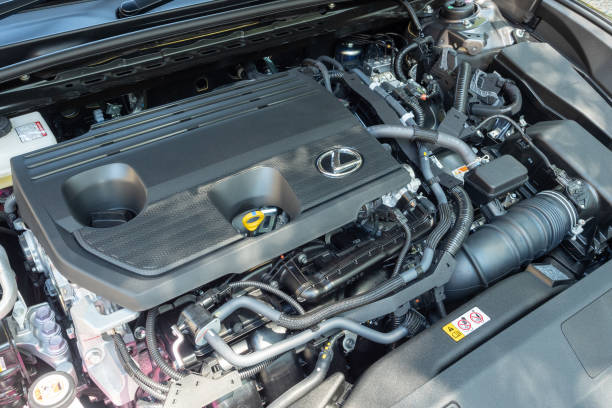
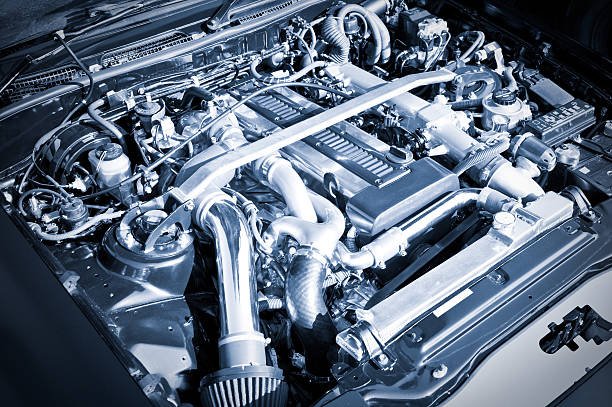
A Lexus engine misfire happens when one or more cylinders fail to burn the air-fuel mixture correctly. You may notice engine shaking, poor acceleration, increased fuel consumption, rough idling, or a flashing check engine light. Common causes include damaged spark plugs, weak ignition coils, clogged fuel injectors, vacuum leaks, or low engine compression. A professional Lexus engine misfire diagnosis uses computerized scanning, live engine data, ignition testing, fuel-system checks, and compression testing to locate the exact fault. Lexus owners in Dubai should arrange an inspection quickly because excessive heat and demanding driving conditions can worsen ignition and cooling-system problems.
Problem Overview
A properly functioning Lexus engine should run smoothly, quietly, and consistently. Inside the engine, every cylinder must receive the correct combination of air, fuel, compression, and ignition at precisely the right time. When combustion fails or becomes incomplete in one or more cylinders, the engine begins to misfire.
A misfire may occur continuously or only under certain conditions. Some Lexus vehicles misfire during cold starts, while others develop problems during acceleration, at idle, or after the engine reaches operating temperature. Intermittent misfires can be particularly difficult to identify because the vehicle may appear normal during a basic inspection.
The engine control module continuously monitors combustion performance. When it detects irregular crankshaft movement or incomplete combustion, it may store a diagnostic trouble code and switch on the check engine light. Codes such as P0300 indicate random or multiple-cylinder misfires, while codes from P0301 onward identify a possible problem with a specific cylinder.
However, the fault code does not always reveal the component responsible. For example, a cylinder-specific code may be caused by a spark plug, ignition coil, injector, wiring fault, vacuum leak, valve problem, or loss of compression. This is why professional testing is more reliable than replacing parts based only on the stored code.
Symptoms of a Lexus Engine Misfire
The symptoms depend on the severity of the problem, the affected cylinder, and the driving conditions. A minor intermittent misfire may only cause a slight hesitation, while a severe misfire can make the vehicle difficult or unsafe to drive.
Rough or Unstable Idling
The engine may shake while the vehicle is stopped, and the RPM may rise and fall unexpectedly. You may feel vibrations through the steering wheel, seat, or floor.
Flashing or Steady Check Engine Light
A steady check engine light usually means the engine computer has stored a fault. A flashing light often indicates an active misfire that could damage the catalytic converter. The vehicle should be inspected without delay.
Loss of Engine Power
The Lexus may feel weak when accelerating, overtaking, joining a motorway, or driving uphill. Turbocharged Lexus models may also feel as though the turbocharger is not producing normal power.
Jerking or Hesitation
A misfiring engine may hesitate when you press the accelerator. The vehicle can jerk during gear changes or while maintaining a steady speed.
Increased Fuel Consumption
Incomplete combustion reduces engine efficiency. The engine control system may also add more fuel while attempting to correct the problem, causing fuel consumption to increase.
Unusual Exhaust Smell
Unburned fuel may enter the exhaust system and create a strong petrol smell. In some cases, you may also notice dark exhaust smoke or excessive emissions.
Difficult Starting
Faulty ignition components, fuel injectors, sensors, or low compression can make the engine difficult to start, particularly after a cold soak or a long parking period.
Engine Vibrations Under Load
Some misfires appear only when the engine is under pressure. The vehicle may idle normally but shake during hard acceleration or while the air-conditioning system places additional load on the engine.
Common Causes of a Lexus Engine Misfire
Accurate diagnosis begins by identifying whether the problem is related to ignition, fuel delivery, airflow, engine timing, compression, or electrical control.
Worn or Contaminated Spark Plugs
Spark plugs ignite the compressed air-fuel mixture inside each cylinder. As they age, their electrodes wear, and the spark gap may increase. Oil, carbon, or fuel deposits can also prevent reliable ignition.
Incorrectly installed spark plugs, unsuitable heat ranges, damaged insulators, or improper gaps may also cause misfires.
Weak or Failed Ignition Coils
Most modern Lexus engines use an individual ignition coil for each cylinder. Heat, age, internal electrical failure, damaged connectors, and moisture can weaken a coil.
A weak ignition coil may work at idle but fail under acceleration when the engine requires a stronger spark.
Clogged or Faulty Fuel Injectors
Each injector must deliver the correct quantity of fuel in a controlled spray pattern. Deposits, electrical problems, damaged wiring, or internal injector failure can create a lean or fuel-rich cylinder.
Vacuum or Intake Air Leaks
Cracked hoses, loose intake connections, leaking manifold gaskets, or damaged positive crankcase ventilation components can allow unmetered air to enter the engine. This may create a lean mixture and cause rough idling or multiple-cylinder misfires.
Dirty Airflow or Pressure Sensors
A contaminated mass airflow sensor or faulty manifold pressure sensor may provide incorrect information to the engine computer. The resulting fuel mixture may become too lean or too rich for stable combustion.
Fuel Pressure Problems
A weak fuel pump, restricted fuel filter, faulty pressure regulator, or electrical supply problem can reduce fuel pressure. Misfires caused by low fuel pressure often become worse during heavy acceleration.
Carbon Deposits
Some direct-injection engines may develop deposits around intake valves or combustion areas over time. Excessive buildup can restrict airflow, reduce combustion quality, and contribute to rough running.
Low Engine Compression
Each cylinder needs sufficient compression to burn fuel effectively. Compression may be lost because of worn piston rings, leaking valves, damaged valve seats, cylinder-wall wear, or head-gasket problems.
Replacing spark plugs or coils will not solve a mechanical compression fault.
Camshaft or Crankshaft Sensor Problems
These sensors help the engine control module manage ignition and fuel-injection timing. An inaccurate signal may cause hesitation, difficult starting, stalling, or multiple-cylinder misfires.
Timing System Problems
A stretched timing chain, faulty tensioner, damaged actuator, or variable valve timing issue can disturb valve timing. The result may include poor performance, abnormal engine noise, fault codes, and misfires.
Wiring and Connector Faults
Broken wires, loose terminals, damaged insulation, poor grounding, or corrosion can interrupt signals to ignition coils, injectors, and engine sensors.
Lexus Engine Misfire Diagnostic Process
A reliable diagnosis should follow a logical testing sequence. Replacing parts without confirming the cause can increase costs and leave the original problem unresolved.
1. Customer and Symptom Review
The technician begins by asking when the fault occurs. Important details include whether the engine is cold or hot, whether the vehicle is accelerating, whether the air conditioner is operating, and whether recent repairs were performed.
2. Computerized Fault-Code Scan
A diagnostic scanner is connected to the vehicle to retrieve current, pending, and historical fault codes. Freeze-frame data may show the engine speed, coolant temperature, load, fuel trim, and vehicle speed recorded when the fault appeared.
3. Live Misfire Data Analysis
Compatible diagnostic equipment can monitor cylinder misfire counts in real time. This helps identify whether the problem affects one cylinder, several cylinders, or the complete engine.
4. Visual Inspection
The engine bay is checked for disconnected hoses, damaged wiring, loose coil connectors, fluid leaks, deteriorated insulation, and previous repair issues.
5. Ignition-System Testing
Spark plugs are inspected for wear, deposits, overheating, oil contamination, or incorrect gaps. Ignition coils can be tested electrically or moved between cylinders to determine whether the misfire follows the suspected coil.
6. Fuel-System Testing
Injector operation, electrical signals, fuel pressure, and fuel-delivery balance may be tested. A professional workshop may also examine fuel trims to identify lean or rich running conditions.
7. Smoke Testing for Air Leaks
A smoke machine can help locate small leaks in the intake or vacuum system. These leaks may be difficult to find through visual inspection alone.
8. Compression and Leak-Down Testing
If ignition and fuel components appear normal, compression testing evaluates the mechanical condition of each cylinder. A leak-down test can help identify whether pressure is escaping through the intake valves, exhaust valves, piston rings, or cooling system.
9. Road Testing
A controlled road test helps reproduce misfires that occur only under acceleration, at motorway speed, during gear changes, or when the engine is fully warm.
Repair Process
The correct repair depends entirely on the diagnostic results. Common solutions include replacing worn spark plugs, changing a failed ignition coil, cleaning or replacing injectors, repairing vacuum leaks, replacing damaged wiring, correcting fuel-pressure problems, or servicing related sensors.
If deposits are affecting airflow or combustion, the engine may require an appropriate cleaning procedure. Mechanical faults such as leaking valves, damaged head gaskets, or low cylinder compression require more extensive engine work.
After repairs, the technician should clear the stored fault codes, run the engine, monitor live data, and complete a road test. The vehicle should not be considered repaired until the misfire is gone under the same conditions that originally produced it.
Replacing all ignition coils is not automatically necessary when only one has failed. However, the overall age, mileage, condition, and service history should be considered. Similarly, spark plugs should normally be replaced according to the correct engine specification rather than choosing plugs solely by appearance or price.
Risks of Ignoring the Problem
A Lexus engine misfire can begin as a small ignition problem but lead to more expensive damage when ignored.
Unburned fuel may enter the catalytic converter and raise its internal temperature. Prolonged overheating can damage or melt the converter material, resulting in restricted exhaust flow, reduced performance, and significant repair costs.
Continued misfiring can also increase fuel consumption, contaminate engine oil, create excessive vibration, and place additional stress on engine mounts and exhaust components. In severe cases, a lean combustion condition can raise cylinder temperatures and contribute to internal engine damage.
Ignoring the problem may also cause the vehicle to fail unexpectedly during acceleration. This creates a safety risk when entering busy Dubai roads, changing lanes, or traveling at motorway speed.
Can You Continue Driving?
Driving may be possible when the misfire is extremely mild and the check engine light remains steady, but the vehicle should still be inspected as soon as possible.
Stop driving and arrange recovery assistance when:
- The check engine light is flashing.
- The engine is shaking severely.
- The vehicle has lost substantial power.
- You can smell strong unburned fuel.
- The engine is overheating.
- Unusual knocking or mechanical noises are present.
- The vehicle stalls repeatedly.
- Smoke is coming from the engine or exhaust.
Continuing to drive with an active misfire can turn a relatively straightforward ignition repair into catalytic-converter or engine damage.
Repair Time
Repair time varies according to the cause and how easily the fault can be reproduced.
Replacing accessible spark plugs or one ignition coil may be completed relatively quickly. Diagnosing an intermittent electrical fault, injector issue, vacuum leak, or fuel-pressure problem can take longer because the technician must test the vehicle under specific operating conditions.
Mechanical problems involving compression, valves, cylinder heads, timing components, or internal engine parts require considerably more labor. Parts availability and engine design can also affect the completion time.
A trustworthy workshop should diagnose the fault before promising an exact repair timeline.
Cost Factors
The total cost of a Lexus engine misfire diagnosis and repair in Dubai depends on several factors:
- The Lexus model, engine size, and production year
- Whether one or multiple cylinders are affected
- The type of diagnostic testing required
- Accessibility of spark plugs, coils, injectors, and sensors
- The number and quality of replacement parts
- Whether genuine, OEM-equivalent, or aftermarket parts are selected
- Labor required to remove intake components.
- The condition of the catalytic converter
- Whether the fault is electrical or mechanical
- The need for compression, leak-down, smoke, or fuel-pressure testing
- The availability of model-specific parts in Dubai
The cheapest initial quote does not always provide the lowest final cost. Repeatedly replacing parts without proper testing may cost more than completing a structured diagnosis from the beginning.
Prevention Tips
Regular maintenance cannot prevent every engine fault, but it can reduce the likelihood of avoidable misfires.
Follow the Correct Spark Plug Schedule
Use spark plugs that match the Lexus engine specification. Incorrect plugs or poor-quality replacements may create performance problems even when they are new.
Inspect Ignition Components
Ask for ignition coils, wiring, and connectors to be inspected during scheduled servicing, especially when the vehicle has high mileage or operates in severe heat.
Use Suitable Fuel
Fill the vehicle with the fuel grade recommended for the specific Lexus model. Using unsuitable fuel can affect performance and combustion quality.
Replace Air Filters on Time
A dirty air filter restricts airflow and may contribute to poor engine performance. Dubai’s dusty environment can cause filters to become contaminated faster than expected.
Address Warning Lights Early
A small fault is generally easier and less expensive to repair before it affects additional systems.
Maintain the Cooling System
High engine temperatures can damage ignition components, sensors, wiring, and mechanical parts. Maintain the correct coolant level and inspect the cooling system for leaks.
Avoid Unverified Engine Modifications
Poorly programmed tuning, unsuitable performance parts, and incorrectly installed accessories may interfere with fuel delivery, ignition timing, or sensor readings.
Dubai-Specific Advice
Dubai’s climate can place additional stress on a Lexus engine and its electrical systems. High ambient temperatures may worsen weak ignition coils, aging wiring, cooling-system problems, and heat-sensitive sensors.
Dust and fine sand can also affect air filters, sensor readings, electrical connections, and engine-bay components. Lexus owners who drive frequently through construction areas or dusty environments may need inspections more often than drivers in cleaner conditions.
Heavy traffic is another factor. Extended idling with the air conditioner running places a continuous load on the engine. A developing misfire may become more noticeable while waiting in traffic or immediately after moving away from a signal.
Never wash a hot Lexus engine bay with high-pressure water. Moisture entering ignition-coil wells or electrical connectors can create temporary or persistent misfires. Engine-bay cleaning should be performed carefully with sensitive components protected.
Before long journeys toward Abu Dhabi, Hatta, Al Ain, or other areas outside central Dubai, arrange an inspection if the engine has been hesitating, shaking, or showing a warning light. A fault that appears manageable during city driving may become worse under sustained motorway load.
Why Choose Car Garage Expert?
At Car Garage Expert, we focus on finding the source of the misfire rather than replacing components through guesswork. Our diagnostic approach considers ignition performance, fuel delivery, intake leaks, engine data, electrical connections, and mechanical condition.
When you bring your Lexus to our garage, the process may include:
- Computerized engine scanning
- Live misfire-count analysis
- Spark plug and ignition-coil inspection
- Injector and fuel-system checks
- Vacuum and intake leak testing
- Compression testing when necessary
- Clear repair recommendations
- Upfront explanation of the identified fault
- Testing after the repair is completed
Our goal is to help Lexus owners in Dubai make an informed repair decision. We explain what has failed, why it has failed, and which repairs are necessary before work moves forward.
Frequently Asked Questions
1. What is the most common cause of a Lexus engine misfire?
Worn spark plugs and weak ignition coils are common causes, but they are not the only possibilities. Injectors, intake leaks, sensors, wiring faults, low fuel pressure, and mechanical compression problems can produce similar symptoms. Diagnostic testing is needed before replacing parts.
2. Why does my Lexus misfire only during acceleration?
Acceleration increases cylinder pressure and places greater demand on the ignition and fuel systems. A weak coil, worn spark plug, restricted injector, or low fuel pressure may work at idle but fail under load. Live-data analysis and road testing can help reproduce and identify the problem.
3. Can a dirty fuel injector cause the check engine light to flash?
Yes. A restricted or electrically faulty injector can prevent one cylinder from receiving the correct amount of fuel. This may cause an active misfire and a flashing check engine light. However, ignition and mechanical faults must also be ruled out.
4. Will replacing the spark plugs always fix a Lexus misfire?
No. New spark plugs will only solve the problem when the existing plugs are responsible. If the cause is a failed coil, injector, vacuum leak, wiring issue, timing problem, or low compression, the misfire will remain after plug replacement.
5. Should I tow my Lexus if the engine is shaking?
Recovery is the safest option when the engine is shaking heavily, the check engine light is flashing, power is severely reduced, or you smell unburned fuel. Driving under these conditions can damage the catalytic converter and may create a road-safety risk.
Conclusion
A Lexus misfire should never be treated as a minor inconvenience. Although worn spark plugs or ignition coils are common causes, the same symptoms may result from fuel-delivery faults, air leaks, sensor failures, wiring problems, incorrect timing, or internal engine damage.
A professional Lexus engine misfire diagnosis identifies the actual fault before replacement parts are installed. Acting early can restore smooth performance, improve fuel efficiency, protect the catalytic converter, and reduce the risk of a breakdown on Dubai’s busy roads.
Book Your Lexus Engine Diagnosis Today
Is your Lexus shaking, hesitating, losing power, or displaying a check engine warning?
Contact Car Garage Expert today to arrange a complete Lexus engine inspection in Dubai. Our team will examine the fault, explain the findings clearly, and recommend the appropriate repair based on your vehicle’s actual condition.
Do not wait for a small misfire to become an expensive engine or catalytic converter problem. Book your Lexus diagnostic appointment with Car Garage Expert today.
Visit us in our Al Quoz, Dubai branch or visit Car Garage Expert