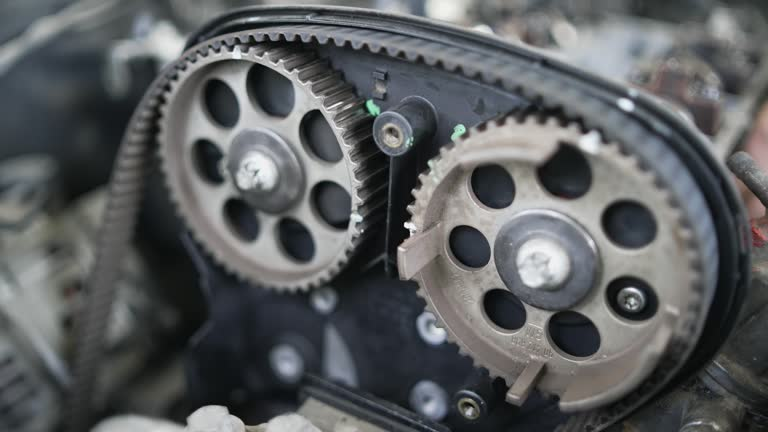
The timing belt is one of the most important yet often overlooked parts in an engine. It seems like a basic strengthened belt but it is an important part of the engine which keeps the internal parts of the engine in accurate synchronisation.
When an engine timing belt functions correctly, your engine runs smoothly, efficiently, and safely. However, when it becomes worn, stretched, cracked, or fails unexpectedly, the consequences can be severe. In many vehicles, a broken belt can lead to catastrophic engine damage, requiring costly repairs or even a complete engine replacement.
For Dubai drivers, severe temperatures and hard driving conditions put extra strain on car components. Understanding how a timing belt works and when it needs replacing might save drivers a lot of time, money and inconvenience.
This thorough book covers everything car owners need to know about timing belt maintenance, replacement intervals, symptoms of wear, repair costs, preventive maintenance, and why professional replacement is critical for maintaining your engine.
What Is a Timing Belt?
A timing belt is a reinforced rubber belt with precision-engineered teeth that synchronizes the rotation of the crankshaft and camshaft.
This synchronization ensures that:
- The valves in the engine open and close at the right times.
- The pistons move in the same way that the valves do.
- The combustion process works well.
- The engine’s performance stays at its best.
- The fuel economy stays the same.
The engine can’t work right without good synchronisation.
In many modern vehicles, the timing belt controls additional components, including:
- Water pumps
- Balance shafts
- Fuel injection systems
- Oil pumps (in some engine designs)
Because it affects multiple systems simultaneously, the condition of the belt directly impacts overall engine health.
Why Timing Belt Maintenance Is Critical
Many vehicle owners pay close attention to oil changes, tire replacements, and brake maintenance while overlooking this belt.
Unlike many other vehicle components, a belt often shows minimal external symptoms before failure.
When replacement intervals are ignored, the risks include:
- Engine misalignment
- Loss of engine performance
- Sudden breakdowns
- Bent valves
- Damaged pistons
- Cylinder head damage
- Complete engine failure
The cost of replacing a worn timing belt is significantly lower than repairing an engine damaged by belt failure.
For this reason, automotive manufacturers establish specific replacement intervals that should never be ignored.
Common Causes of Timing Belt Wear
Several factors contribute to timing belt deterioration.
Heat Exposure
Dubai’s climate creates harsh operating conditions for rubber engine components.
Continuous exposure to high temperatures accelerates belt aging and material degradation.
High Mileage
Every engine revolution places stress on the timing belt. Over time, this repeated stress weakens internal reinforcement materials.
Oil Contamination
Engine oil leaks can damage belt materials and significantly reduce lifespan.
Coolant Leaks
Coolant contamination may cause belt deterioration and premature wear.
Improper Installation
Incorrect tensioning or poor installation practices can dramatically shorten belt life.
Neglected Maintenance
Ignoring recommended service intervals remains one of the leading causes of unexpected belt failure.
Timing Belt Warning Signs Every Driver Should Know
Although some belts fail without obvious symptoms, many vehicles provide warning signs before serious problems develop.
Recognizing these indicators early can prevent expensive engine damage.
Engine Ticking Noise
A worn or loose timing belt may create ticking sounds from the engine compartment.
This noise often becomes more noticeable during startup or acceleration.
Difficulty Starting the Vehicle
Timing synchronization issues can affect combustion timing, making the engine harder to start.
Rough Engine Performance
A deteriorating belt may affect valve timing and create:
- Rough idling
- Reduced acceleration
- Engine hesitation
- Performance inconsistencies
Engine Misfires
If valve timing becomes inaccurate, combustion events may occur incorrectly, leading to misfires.
Visible Belt Damage
During routine inspections, technicians may identify:
- Cracks
- Fraying
- Missing teeth
- Surface deterioration
Check Engine Light
Modern vehicles often detect timing-related irregularities and activate dashboard warning lights.
Professional diagnostics should always follow warning light activation.
Timing Belt Failure Symptoms That Require Immediate Attention
Certain symptoms indicate an urgent need for inspection.
Sudden Engine Shutdown
If the belt breaks while driving, the engine may stop immediately.
Engine Will Not Start
A failed timing belt prevents proper synchronization and may leave the vehicle unable to start.
Unusual Mechanical Noises
Grinding, slapping, or abnormal engine noises can indicate severe belt issues.
Loss of Compression
Timing failures can cause valves and pistons to move out of sequence, reducing compression. If any of these symptoms occur, immediate professional assistance is recommended.
Understanding Interference and Non-Interference Engines
One of the most important concepts related to timing belt maintenance involves engine design.
Interference Engines
In interference engines, valves and pistons occupy the same physical space at different times.
If the belt fails:
- Valves may collide with pistons
- Cylinder heads can become damaged
- Extensive internal engine repairs may be required
Non-Interference Engines
These engines provide additional clearance between valves and pistons. While belt failure still causes breakdowns, internal damage is often less severe.
Because many modern vehicles use interference engine designs, preventive replacement is critical.
When Should a Timing Belt Be Replaced?
Replacement intervals vary depending on:
- Vehicle make
- Vehicle model
- Engine design
- Driving conditions
- Manufacturer recommendations
Many manufacturers recommend replacement between:
- Between 60,000 km and 100,000 km
- Or every five to seven years
But Dubai’s weather may mean that checks should happen earlier because of more heat exposure.
People who own cars should always look at maintenance plans and get professional help when it comes time to replace parts.
Timing Belt vs Timing Chain
Many drivers confuse timing belts with timing chains.
While both perform similar functions, they differ significantly.
Timing Belt
- Rubber construction
- Quieter operation
- Lower replacement cost
- Requires scheduled replacement
Timing Chain
- Metal construction
- Longer lifespan
- More durable
- Can still wear over time
Knowing which system your vehicle uses helps determine appropriate maintenance requirements.
Why Professional Timing Belt Replacement Matters
Replacing a timing belt is a highly technical procedure.
Proper replacement often involves:
- Engine disassembly
- Precise alignment procedures
- Tension adjustments
- Component inspections
- Water pump evaluation
- Pulley inspections
Even small installation errors can affect engine timing and lead to serious mechanical problems.
For this reason, replacement should always be performed by experienced technicians using manufacturer-recommended procedures.
Additional Components Often Replaced During Timing Belt Service
Professional workshops frequently recommend replacing related components during the same service interval.
These may include:
Water Pump
Changing both parts together will save on future labour expenses as the water pump is commonly operated by the timing belt.
Tensioners
Tensioners maintain proper belt tension and should be inspected carefully.
Idler Pulleys
Worn pulleys can accelerate belt wear and increase failure risk.
Seals and Gaskets
Preventive replacement helps protect the new belt from contamination.
Replacing these components together often improves long-term reliability and reduces future maintenance expenses.
How the Timing Belt Replacement Process Works
Most car owners know that replacement is vital but they don’t realise what really happens during the service.
A professional replacement of the timing belt normally includes a series of inspections and installations that help the engine regain its perfect timing.
Step 1: Comprehensive Vehicle Inspection
Before beginning repairs, technicians perform a detailed inspection of:
- Engine condition
- Belt wear patterns
- Tensioners
- Idler pulleys
- Water pump
- Cooling system components
- Oil leaks
- Coolant leaks
This helps identify any underlying issues that could shorten the lifespan of the new timing belt.
Step 2: Accessing the Timing System
The technician removes various components to access the belt assembly. Depending on the vehicle, this may include:
- Engine covers
- Drive belts
- Pulleys
- Mounting brackets
- Timing covers
Step 3: Alignment of Timing Marks
Alignment is very important.
Before the old timing belt is taken off, the crankshaft and camshaft timing marks must be placed exactly as the maker says they should be.
Step 4: Component Replacement
During installation, technicians often replace:
- Belt tensioners
- Idler pulleys
- Water pump
- Seals
- Gaskets
This preventive approach reduces future repair costs.
Step 5: Installation and Testing
After installation, the timing system is tested carefully to verify proper operation and synchronization.
Final testing ensures the engine operates smoothly and efficiently.
How Much Does Timing Belt Replacement Cost in Dubai?
One of the most frequently asked questions by vehicle owners involves replacement costs.
The cost of timing belt replacement depends on several factors.
Vehicle Make and Model
Luxury vehicles, European models, and performance cars often require more extensive labor procedures.
Engine Design
Some engines provide easier access to timing components, while others require significant disassembly.
Related Component Replacement
Replacing water pumps, tensioners, and pulleys increases overall service costs but improves reliability.
Labor Requirements
The complexity of the repair significantly influences labor charges.
Extent of Additional Repairs
During the inspection, if techs find oil or coolant leaks or broken parts, they may suggest more repairs.
If you want to save money, you should always replace the timing belt before it breaks instead of fixing engine damage after it’s happened.
Why Car Garage Expert Is the Go-To Destination for Timing Belt Replacement in Dubai
Selecting the correct workshop is key when it comes to protecting your engine.
Car Garage Expert has earned a reputation as a trusted location for timing belt replacement services in Dubai thanks to its commitment to technical precision, diagnostic accuracy, and customer-focused service.
Drivers choose Car Garage Expert because the workshop provides:
- Professional checks of the timing belt
- Replacement methods that are approved by the manufacturer
- More advanced testing tools
- Suggestions for preventative maintenance
- Evaluations of engine performance
- Checks of the cooling system
- Original, high-quality spare parts
- Automotive workers with a lot of experience
Instead of just changing a worn-out belt, mechanics check the whole timing system to make sure it works well and protects the engine for a long time.
This all-around method gives drivers in Dubai peace of mind that their cars are getting professional care.
Mechanic Near Me: What Should Drivers Look For?
When searching online for a mechanic near me, many vehicle owners focus primarily on location.
However, expertise is often more important than convenience.
A qualified mechanic should have experience with:
- Engine timing systems
- Timing belt change
- Engine diagnostics.
- Flush of cooling system
- Preventive Services
- Service repair procedures
Professional diagnosis helps to ensure the right solution is adopted the first time.
This is particularly critical for difficult procedures like belt replacement, where the installation precision directly impacts engine performance and reliability.
Garage Near Me: Why Workshop Quality Matters
Drivers frequently search for a garage near me when their vehicle develops mechanical problems.
The best workshops offer far more than basic repairs.
A professional garage should provide:
Advanced Diagnostics
Accurate diagnostics reduce unnecessary repairs and identify root causes.
Comprehensive Vehicle Inspection
A complete inspection helps uncover hidden issues before they become major problems.
Preventive Maintenance Services
Routine maintenance extends the life of critical engine components, including the time belt.
Transparent Recommendations
Reliable workshops explain findings clearly and provide practical repair solutions.
Emergency Support
It is crucial to consider support services because breakdowns might occur at any time.
Choosing a workshop based on knowledge, reputation and technological capabilities generally results in better long-term results than choosing purely on location.
The Importance of Roadside Assistance for Timing Belt Failure
A broken engine belt can leave a vehicle completely immobilized.
When this occurs, professional roadside assistance becomes extremely valuable.
Roadside assistance services can help by:
- Recovering disabled vehicles
- Coordinating towing services
- Providing emergency support
- Preventing additional engine damage
- Ensuring safe transportation to a repair facility
If you suspect a belt failure, continued attempts to start the engine may worsen internal damage.
Instead, arrange roadside assistance and have the vehicle inspected by qualified technicians.
A Simple Timing Belt Maintenance Guide for Dubai Drivers
Preventive maintenance is the best way to avoid unexpected breakdowns.
Follow these recommendations:
Monitor Service Intervals
Always follow manufacturer replacement schedules.
Schedule Routine Inspections
Regular inspections can identify wear before failure occurs.
Address Oil Leaks Promptly
Oil contamination accelerates belt deterioration.
Maintain Cooling System Health
Overheating can negatively affect multiple engine components.
Listen for Unusual Noises
Ticking, squealing, or abnormal engine sounds should never be ignored.
Replace Related Components
When replacing the belt, consider replacing water pumps and tensioners if recommended by technicians.
These simple practices can significantly extend engine life and reduce repair expenses.
Frequently Asked Questions
Q1 : What does a timing belt do?
The timing belt connects the crankshaft and camshaft together, ensuring the valves and pistons are moving in perfect harmony.
Q2: How often should a timing belt be replaced?
Most manufacturers recommend changing it after 60,000 to 100,000 kilometres, but this depends on the vehicle and driving circumstances.
Q3: What happens if a belt breaks?
A broken belt can stop the engine immediately. In interference engines, severe internal damage may occur.
Q4: Can I drive with a worn timing belt?
Driving with a worn belt is risky because failure can occur unexpectedly and lead to costly repairs.
Q5: Does engine time belt replacement improve performance?
Replacing a worn belt helps maintain proper engine timing, efficiency, and reliability.
Q6: How long does timing belt replacement take?
The repair duration varies depending on the vehicle, however it normally takes several hours due to the complexity of the procedure.
Q7: Should the water pump be replaced with the timing belt?
In many cars, both components can be replaced at the same time because they often have identical service intervals.
Q8: How do I know if my timing belt needs replacement?
Common indicators include mileage intervals, age, visible wear, unusual noises, rough performance, and manufacturer recommendations.
Conclusion
The timing belt is one of the most important parts in your engine. It guarantees exact coordination of internal engine elements, promotes efficient combustion and protects the engine from major mechanical damage. Ignoring replacement intervals or warning indicators can lead to costly repairs, unexpected breakdowns and in extreme circumstances, complete engine failure.
Because of the harsh weather and driving conditions in Dubai, car owners must maintain their vehicles with care. Regular inspections, preventative maintenance, and professional replacement procedures help to keep engines running smoothly and reduce long-term ownership expenses.
Professional auto mechanics are the best way to keep your car running well, whether you need professional diagnostics or emergency roadside help, a simple checkup or a full timing belt replacement. Car Garage Expert in Dubai can check and repair your belt professionally today. This will keep your engine safe, efficient and dependable for all your trips.
For further assistance?
Visit us at our Al Quoz, Dubai branch,
Find Us on Google Map: https://maps.app.goo.gl/2TkrA5b3pRk8e3sQA