
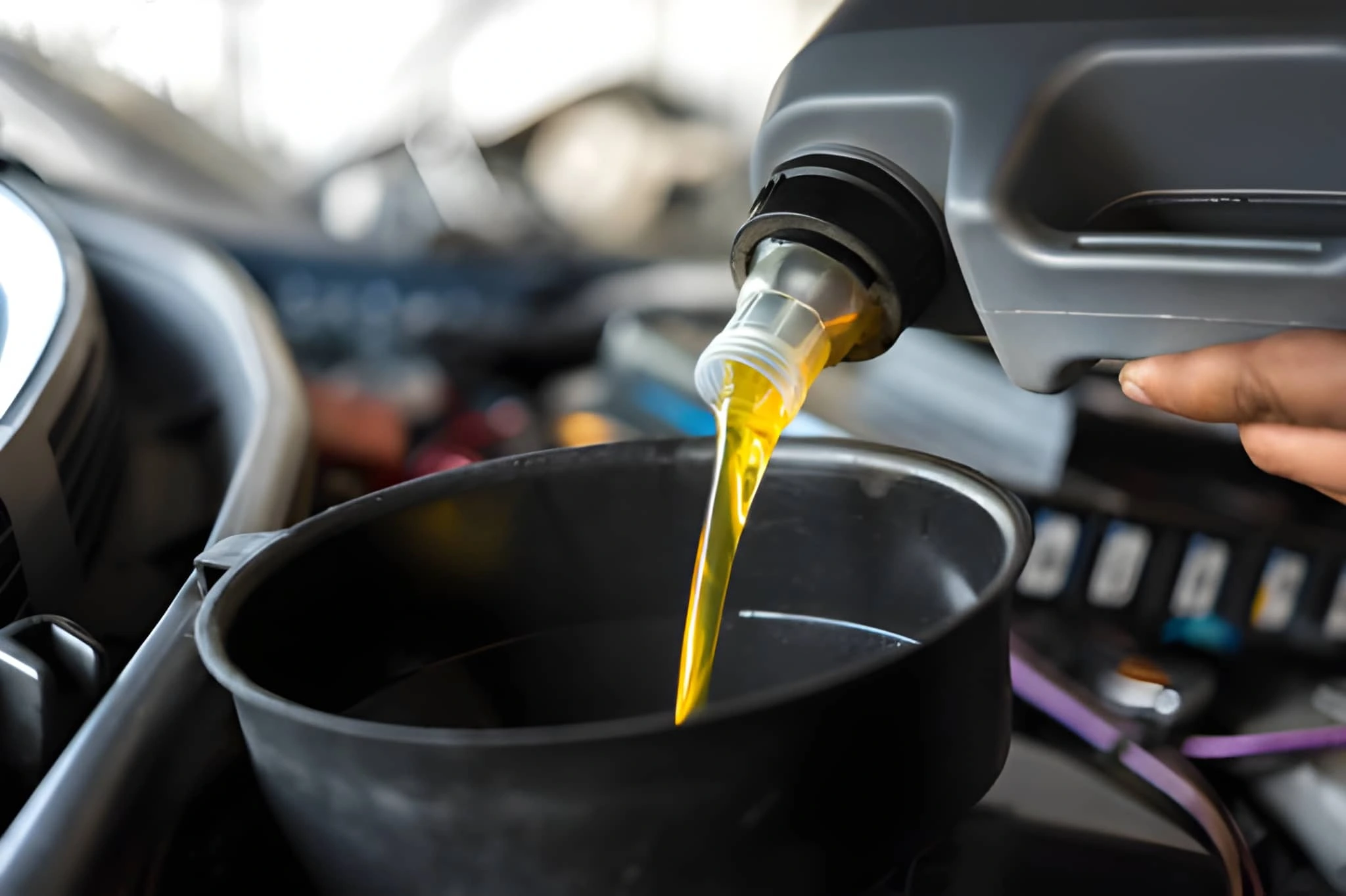
The Dodge Challenger is known for its bold design, powerful engine, and thrilling driving experience. However, even the most powerful muscle car depends on one basic routine service to stay strong—engine oil replacement. Many owners ask how often a Dodge Challenger Oil Change should be done to keep performance smooth and the engine lasts longer.
Oil plays a critical role in protecting internal engine parts from heat, friction, and wear. Ignoring oil change schedules can quietly damage the engine over time. This guide explains the correct oil change frequency, warning signs, driving habits that affect intervals, and why professional service matters.
Why Engine Oil Is Vital for Dodge Challenger Performance
Engine oil lubricates moving parts, reduces friction, controls temperature, and prevents sludge buildup. In a performance-oriented vehicle like the Challenger, oil is subjected to higher stress.
When oil becomes dirty or breaks down, it loses its protective qualities. That is why a timely Dodge Challenger Oil Change is essential for maintaining horsepower, fuel efficiency, and smooth acceleration.
Recommended Dodge Challenger Oil Change Interval
Most Dodge Challenger models require an oil change every 5,000 to 7,500 miles, depending on engine type and oil quality. Synthetic oil often allows longer intervals, while conventional oil requires more frequent replacement.
Checking the owner’s manual provides exact recommendations, but real-world driving conditions also matter. Visiting a trusted Garage Near Me ensures your vehicle follows the correct service schedule based on usage.
How Driving Habits Affect Oil Change Frequency
Driving habits play a major role in oil degradation. Frequent short trips, aggressive acceleration, stop-and-go traffic, and extreme temperatures cause oil to wear out faster.
If your Dodge Challenger is driven hard or in city traffic, an Oil Change may be required sooner than the standard intervals. A professional Car Mechanic Near Me can assess oil condition during routine inspections.
Warning Signs That an Oil Change Is Overdue
Ignoring warning signs can result in serious engine damage. Common indicators include:
- Engine knocking or ticking sounds
- Oil warning light on dashboard
- Dark, thick oil on dipstick
- Reduced engine performance
- Burning oil smell
Once these signs appear, a Dodge Challenger Oil Change should be scheduled immediately to avoid costly repairs.
How Modern Oil Monitoring Systems Help
Many Dodge Challenger models come equipped with oil life monitoring systems. These systems track driving patterns, temperature, and mileage to estimate oil condition.
However, these systems are guides—not guarantees. A physical inspection by a technician ensures that the oil quality is safe. Regular checks prevent unexpected breakdowns and emergency Roadside Assistance situations.
Dodge Challenger Oil Change and Engine Longevity
A well-maintained engine lasts significantly longer. Dodge Challenger Oil Change helps prevent metal-to-metal contact, which can cause premature wear.
Clean oil protects pistons, camshafts, and crankshafts, reducing the risk of internal damage and expensive rebuilds. This simple service extends engine life by years.
Synthetic vs Conventional Oil: Which Is Better?
Most modern Dodge Challengers perform best with full synthetic oil. Synthetic oil resists breakdown, flows better in cold starts, and handles high engine temperatures efficiently.
Although synthetic oil costs more, it reduces wear and extends oil change intervals. Choosing the right oil type ensures Dodge Challenger Oil Change delivers maximum protection.
Seasonal Impact on Oil Performance
Extreme heat and cold affect oil viscosity. In hot climates, oil thins faster, while cold weather thickens oil and strains the engine during startup.
Seasonal inspections help determine whether a Dodge Challenger Oil Change should be done earlier than planned to maintain engine safety.
Why Professional Oil Change Service Matters
Professional oil change services go beyond draining and refilling oil. Technicians inspect filters, seals, fluid levels, and engine condition during service.
Opting for a Mobile Car Mechanic may be convenient for basic checks, but full workshop inspections provide deeper diagnostics for long-term reliability.
The Role of Oil Filters in Engine Protection
Oil filters trap dirt, metal particles, and debris. Reusing old filters defeats the purpose of fresh oil.
Every Dodge Challenger Oil Change should include a new, high-quality oil filter to maintain clean circulation throughout the engine.
Preventing Sludge and Engine Deposits
Old oil forms sludge that blocks oil passages and restricts flow. Sludge buildup causes overheating and internal damage.
Routine oil changes for Dodge Challengers prevent sludge formation and keep internal components clean and efficient.
Link Between Oil Changes and Fuel Efficiency
Dirty oil increases friction in the engine, forcing it to work harder and consume more fuel.
Maintaining proper oil condition through scheduled Dodge Challenger Oil Change improves fuel economy and driving smoothness.
Additional Checks During Oil Service
Professional workshops inspect belts, hoses, suspension, and brakes during oil changes. These inspections catch early issues before they escalate.
Comprehensive car garage services ensure your vehicle receives preventive care beyond basic maintenance.
Oil Change and Vehicle Appearance Care
While oil service focuses on engine health, leaks or spills can affect vehicle appearance. Reputable workshops maintain cleanliness and address any residue issues.
If exterior damage occurs, expert Car Painting services restore your Challenger’s showroom finish.
Cost vs Consequence: Why Delaying Is Risky
Skipping oil changes may save money in the short term, but it leads to expensive engine repairs later.
Routine Dodge Challenger oil changes cost far less than an engine replacement, making them one of the smartest maintenance investments.
How Often Should You Check Oil Levels?
Even between oil changes, oil levels should be checked monthly. Low oil levels increase the risk of heat and wear.
Consistent monitoring ensures Dodge Challenger Oil Change intervals remain effective and engine safety is maintained.
Expert Tips for Challenger Owners
- Use manufacturer-approved oil grades
- Follow severe driving schedules if applicable
- Never ignore dashboard warnings
- Schedule inspections with experienced technicians
Following these tips ensures Dodge Challenger Oil Change delivers maximum protection.
Conclusion: Book Your Oil Change with Confidence
Regular oil service is the foundation of engine health. Knowing how often a Dodge Challenger Oil Change is required helps protect performance, reliability, and resale value. Ignoring oil maintenance leads to costly damage, while timely service keeps your muscle car running strong.
For professional inspections, quality oil, and expert care, book your appointment today with Car Garage Expert. Their skilled technicians provide reliable service, honest advice, and complete maintenance solutions tailored to your Dodge Challenger. Schedule your oil change now and drive with peace of mind.