Mercedes-Benz cars today are built to work well, use fuel efficiently, and last a long time. But even the most advanced engines can break down. Damage to the engine block is one of the worst things that can happen to a Mercedes driver. If you don’t get services of Mercedes engine block repair it may lead to failure right away, it can quickly become a significant technical and financial problem. This can happen due to overheating, coolant loss, or structural stress.
This guide discusses Mercedes Engine Block Repair from an expert’s perspective. It explains how professionals find, evaluate, and repair engine block damage, and when repair is possible and when replacement is the only option. It also tells owners how to make choices without putting more damage at risk.
Understanding the Mercedes Engine Block
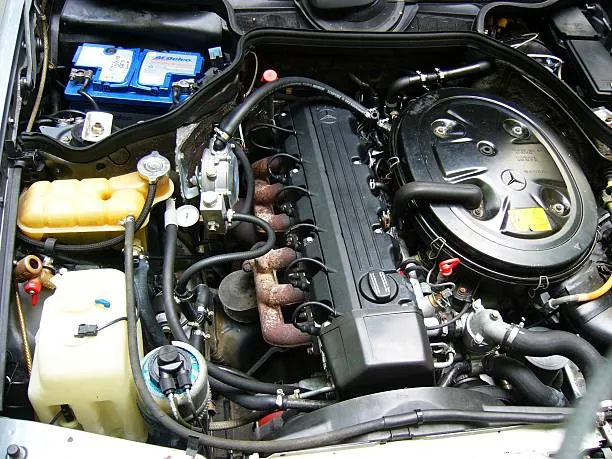
The engine block is the frame on which the engine is built. It supports key components such as the crankshaft and pistons, and holds the cylinders, coolant tubes, and oil galleries. Modern Mercedes engines, especially those made of aluminium and turbochargers, are built with very tight standards. This means that even minor damage to the block can affect how well the engine runs and how reliable it is.
Because it is so complicated, Mercedes Engine Block Repair requires specialized tools, extensive knowledge of the brand, and precise methods that go far beyond standard engine repair.
Common Causes of Engine Block Damage in Mercedes Vehicles
Mercedes engine block repair damage doesn’t usually happen suddenly, with no warning. Most of the time, it’s because of things that add up:
- Chronic overheating due to cooling system failure
- Coolant leaks that lead to internal corrosion
- Thermal stress from rapid temperature changes
- Manufacturing stress points in aluminum engine blocks
- Detonation or misfires causing abnormal cylinder pressure
- Freezing coolant in rare cold-storage scenarios
Diesel. Because they have higher compression ratios, Mercedes engines can have block stress. Turbocharged gas engines, on the other hand, are more likely to crack because of the heat.
Signs Your Mercedes Engine Block May Be Damaged
Finding problems early can significantly reduce fix costs. Some common warning signs for leading Mercedes engine block repair are:
- Persistent coolant loss with no visible hose leak
- White smoke or steam from the exhaust
- Milky oil indicates coolant contamination
- Engine overheating even after repairs
- Visible coolant seepage from the engine casting
- Misfires or loss of compression
Ignoring these signs and continuing to drive can turn a fixable problem into a complete engine failure. In this case, experienced Mercedes mechanics must look at it right away.
Is It Safe to Drive with a Cracked or Leaking Engine Block?
It is dangerous to drive with a possible engine block crack. Cracks of any size can:
- Get worse quickly in heat and pressure
- Cause quick loss of coolant
- Cause a terrible engine seizure
- Damage the engine head and other parts inside it
If symptoms occur while you’re driving, the safest thing to do is to stop right away and call Mercedes roadside assistance.
Step-by-Step Mercedes Engine Block Repair Process by Experts
Step 1: Advanced Diagnostic Inspection
Pressure testing, thermal imaging, compression testing, and, sometimes, dye penetration or ultrasonic testing are the first steps in professional repair. This proves the crack’s size, location, and severity.
Step 2: Engine Disassembly
To reach the damaged part, the engine is either partially or fully stripped down. This step is crucial for keeping things clean and ensuring the fix is done correctly.
Step 3: Damage Assessment and Repairability Decision
Some engine blocks can’t be fixed. Some factors are:
- Crack location (external vs internal)
- Proximity to cylinder head or main bearings
- Structural integrity of the surrounding metal
This is the point at which experts decide whether Mercedes Engine Block Repair is possible or if replacement is the better long-term option.
Step 4: Repair Method Selection
Based on the type of damage, experts may:
- Cold metal stitching for structural cracks
- Precision welding for aluminum blocks
- Epoxy sealing for minor external coolant seepage
Each method has strict rules that must be followed to ensure longevity.
Step 5: Machining and Surface Restoration
The block is machined to make it flat and within limits again after it has been fixed. This keeps the seals tight and the engine balanced.
Step 6: Reassembly and Testing
After new gaskets, seals, and fasteners are installed to rebuild the engine, it is put through pressure tests and a road test to ensure it is reliable.
This organised method ensures that Mercedes Engine Block Repair meets the manufacturer’s performance standards.
Can a Cracked Mercedes Engine Block Be Repaired or Does It Need Replacement?
Some broken engine blocks can be fixed, but not all of them.
- The crack is external and accessible
- Cylinder walls remain intact
- Bearing housings are undamaged
When cracks affect structural load points or oil and coolant paths inside the engine, replacement is needed. The only reliable way to find the right road is to get a professional diagnosis.
Repair vs Replacement: Which Is Worth It?
Repair is often something to think about when
- Damage is localized
- The engine has low to moderate mileage
- The vehicle retains high market value
Replacement may be preferable when:
- Multiple cracks are present
- The engine has severe overheating damage
- Repair costs approach replacement costs
Experts with extensive experience help owners make this choice by being open and honest about the risks and long-term effects.
How Long Does Mercedes Engine Block Repair Take?
Different deadlines apply based on the level and method:
- Minor external repairs: 3–5 days
- Structural stitching or welding: 7–14 days
- Complex machining cases: 2–3 weeks
You can’t rush a good fix. For long-term success, accuracy and testing are musts.
Cost of Mercedes Engine Block Repair vs Replacement
Costs vary depending on how bad the damage is, what kind of engine it is, and how it is fixed:
- Minor repairs: lower four figures
- Structural repairs: mid four figures
- Complete replacement: significantly higher, especially for newer models
For figures to be accurate, they need to be seen in person. If you fix your budget without the proper knowledge, you’ll likely fail again and end up paying more in the long run.
Coolant Leaks from the Engine Block: Causes and Solutions
When coolant leaks from the block, it’s usually because of tiny cracks or corrosion around the coolant passageways. Targeted sealing or stitching can fix the problem without replacing the whole thing, as long as the break is on the outside and is found early.
Aluminum Mercedes Engine Blocks and Crack Vulnerability
Aluminium blocks are often used in modern Mercedes engines to reduce weight and boost performance. Even though aluminium is strong, it is more likely to:
- Too much heat
- Bad blends of coolant
- Quick changes in temperature
To prevent engine block damage, it is essential to keep the cooling system in good condition.
Finding the Right Experts Matters
It’s not common to have to work on an engine block. It needs knowledge of that brand, precise tools, and controlled repair environments. When looking for a trustworthy Mercedes shop near me, look for one with a history of success over one that makes cheap claims.
Car Garage Expert has become known as a reliable expert in Dubai for Mercedes engine block repair. We offer advanced tests, straightforward advice, and long-lasting repair solutions.
Conclusion: Making the Right Decision for Your Mercedes
Damage to the engine block doesn’t always mean the end of your Mercedes. Mercedes Engine Block Repair can often be a reliable and cost-effective option when performed by a professional and with the proper tests. The key is to find problems early, not drive dangerously, and believe experts who know a lot about Mercedes engineering.
Mercedes drivers in Dubai can visit Car Garage Expert their go to garage for comprehensive diagnostics, expert repairs, and honest advice on whether to fix or replace their car. Picking the right professionals will protect not only your engine but also your car’s long-term performance, safety, and worth.