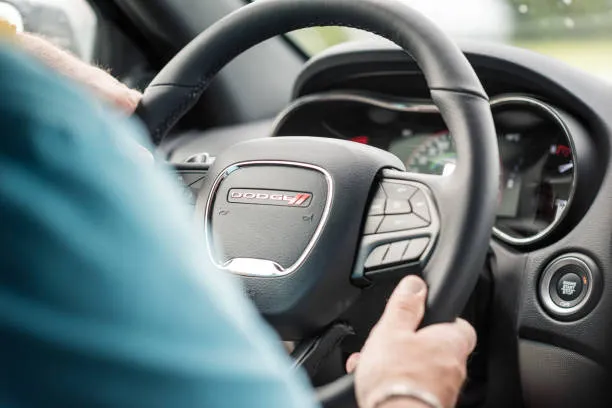
When a Dodge starts up but then turns off quickly, it’s not just a bothersome problem; it means that something important isn’t working right. This problem affects many Dodge models, from cars people drive every day to heavy-duty trucks. Owners often don’t know if it’s safe to drive or what needs to be fixed first. Knowing why this happens and how professional Dodge diagnostics for stalling work can help keep your car from breaking down at the worst possible time and causing more damage.
One can stall at start-up, while the engine is idle, or even while speeding up. The reasons are different, but the best way to fix it is almost always to start with a precise and skilled diagnosis, not guesswork or replacing parts based on what you think is wrong.
Why Dodge Vehicles Start and Then Shut Off
The right mix of fuel, air, spark, and electronic control is usually complex to keep in a Dodge that starts and then dies after a few seconds. If any of these processes don’t communicate properly, the engine can’t keep burning.
But for some Dodge drivers, the problem only shows up when the car is cold. Others, on the other hand, have issues with stopping at traffic lights or when changing gears. In Dodge trucks like the Ram, the engine may idle poorly but run smoothly at highway speeds. This is a key sign that there are problems with the sensors, airflow, or fuel delivery.
Professional tests are necessary because multiple systems can cause the same symptoms, and data-driven analysis is the only way to identify the real problem.
How to Tell If Your Dodge Needs a Diagnostic for Stalling
There are different ways that stalls can feel, but there are clear signs that your Dodge needs to be looked at right away:
- The engine starts, but stops after a short time.
- Stalls often occur at low or idle speeds
- Hesitation or stopping while speeding up
- Rough stop with no warning lights to be seen
- Instantly stops when stopping at the lights
- The check engine light comes on and off.
If these signs show up, waiting to have the problem checked out may make it worse. A skilled Dodge diagnostics for stalling service finds issues early, often before major parts break.
Can Diagnostic Scans Really Find the Cause of Dodge Stalling?
Yes, if it’s done right. A skilled Dodge diagnostics for stalling scan does a lot more than just read fault codes. Advanced diagnostic tools analyze real-time data from the engine control module, sensors, fuel system, and gearbox. At the same time, basic scanners only display generic error messages.
The following are parts of diagnostic tests at Car Garage Expert:
- Live sensor readings
- Fuel pressure analysis
- Throttle position monitoring
- Crankshaft and camshaft synchronization checks
- Electrical signal validation
This all-around method lets mechanics figure out exactly why a Dodge stalls, rather than guessing which part might be broken.
Is It Safe to Drive a Dodge That Stalls When Starting?
It’s dangerous to drive a Dodge that stops when it starts up. Even if the car starts to run again, it can suddenly stop working in traffic, while turning, or while stopping. This makes me very worried about safety and could cause more damage, especially to the gearbox or engine bearings.
Professional tests lower these risks by figuring out early on whether the problem is mechanical, electronic, or fuel-related.
What Mechanics Check First When a Dodge Stalls Unexpectedly
Dodge mechanics with extensive experience don’t just replace parts without thinking. They follow a set plan. The following are standard first checks:
- Voltage and grounding of the battery
- Fuel flow and how the injectors work
- How clean and responsive the throttle body is
- Air intakes that leak
- How the sensors talk to the ECU
These step-by-step checks ensure they are correct and prevent unnecessary costs.
Dodge Ram Stalling at Idle but Running Fine on the Highway
Most of the time, systems that control low-RPM performance are to blame when a Dodge Ram stalls at idle but works well at higher speeds. Some common reasons are:
- The throttle body is dirty
- The idle air control valve is broken
- Mass airflow sensor not working right
- Leaks of Hoover
At highway speeds, these problems are hidden because the engine briefly remains stable as more air and fuel are used. Professional tests are the only way to be sure of which part is at fault.
What Sensors Commonly Cause Dodge Stalling
Sensors play a significant role in controlling engine performance in modern Dodge cars. Stalls can be caused by even a single monitor sending incorrect information. Some common causes are:
- Position indicator for the crankshaft
- Position indicator for the camshaft
- Sensor for mass airflow
- Sensor for the throttle position
- Temperature monitor for engine coolant
Because a broken sensor might not fail, tests are critical. This is where Dodge diagnostics for stalling is very helpful, as it matches real-time data with expected values.
Can a Bad Fuel Pump Cause a Dodge to Stall?
Yes. If the fuel pump is broken, it might not give enough fuel at highway speeds, but it might have trouble starting up or sitting still. Often, the following are signs:
- Long times to crank
- Sudden stops while under load
- Hesitation when speeding up
- Fuel pump that makes noise
During Dodge diagnostics for stalling , checking the fuel pressure lets you know whether the pump is consistently sending pressure or only failing sometimes.
Testing for Crankshaft Position Sensor Failure
A very important part of ignition timing is the crankshaft position monitor. It can fail, causing the engine to stop running or refuse to start again.
Professionals test this gadget:
- Checking the accuracy of the RPM signal
- Checking the voltage and resistance of the sensor
- Looking at info on ECU synchronisation
Without the right troubleshooting tools, this sensor is often misidentified, leading to the engine stalling repeatedly.
Could Low Transmission Fluid Cause Stalling When Stopping?
If the gearbox fluid in some Dodge cars, especially automatic ones, is short or worn out, the torque converter might not disengage properly. This causes the engine to stall when it comes to a stop, like running a manual car without putting the clutch down.
To prove this problem, diagnostics look at gearbox data, fluid condition, and torque converter behaviour.
Electrical Issues and OBD Codes Related to Dodge Stalling
Stalls are often caused by electrical problems that don’t have regular warning lights. Some common OBD codes that are linked to the Dodge stopping are:
- Sensor communication errors
- Voltage irregularities
- Throttle actuator faults
- ECU synchronization issues
Professional Dodge diagnostics for stalling read these codes in the right context, ensuring the right fixes are made rather than parts that aren’t connected.
Dodge Roadside Assistance and Emergency Support
When a stalled car leaves you stuck, it’s important to have professional roadside help. Many garages that focus on diagnostics set up emergency tows and inspections to keep cars from getting worse and get them back on the road safely.
Car Garage Expert helps Dodge owners by ensuring they get the right diagnostic checkup even when their car breaks down on the side of the road.
Finding a Reliable Dodge Garage Near Me
- It’s not just about convenience when looking for a Dodge garage near me. Dodge-specific diagnostic equipment
- Experienced dodge mechanics
- Transparent inspection reports
- Proven experience with stalling issues
A diagnostics-only shop reduces downtime and repair costs significantly.
Why Guesswork Fails and Diagnostics Succeed
When you replace parts without first diagnosing the problem, you often end up with more stalling and lost money. Sensors, fuel parts, and electrical systems all need to work together, and the real problem can only be found through a structured diagnostic method.
This is why professional Dodge diagnostics for stalling remains the best way to fix recurring problems.
How Dodge Diagnostics for Stalling Prevent Repeat Failures
Correct diagnoses don’t just fix the issue at hand; they also stop breakdowns from happening in the future. Diagnostics fix problems at their source rather than just treating the symptoms. This makes the engine more reliable, saves fuel, and keeps other parts from getting damaged.
Why Dodge Diagnostics for Stalling Should Never Be Skipped
At first, skipping Dodge diagnostics for stalling may seem like a good way to save money, but it almost always leads to larger service bills later. Complete tests make sure:
- Fix things right the first time
- Better safety for vehicles
- Lower costs for long-term care
- Trust in the vehicle’s dependability
This method is especially important for Dodge cars with complex electrical systems.
Conclusion: Trust Car Garage Expert for Accurate Dodge Diagnostics
Every time a Dodge starts and stops, the problem isn’t easy, and you should never ignore it. Only a professional Dodge diagnostics for stalling can find the real cause, whether it’s a problem with a sensor, fuel delivery, an electrical circuit, or the way the gearbox is acting.
Car Garage Expert offers advanced diagnostic services for Dodge cars, perfect for owners who want accuracy, transparency, and long-term reliability. Car Garage Expert ensures your Dodge receives the expert care it needs by employing experienced Dodge mechanics, cutting-edge tools, and a commitment to finding the right answers.
If your car is stalling, don’t guess what’s wrong; trust and book skilled Dodge diagnostics for stalling to get it running again and give you peace of mind.